
 Save
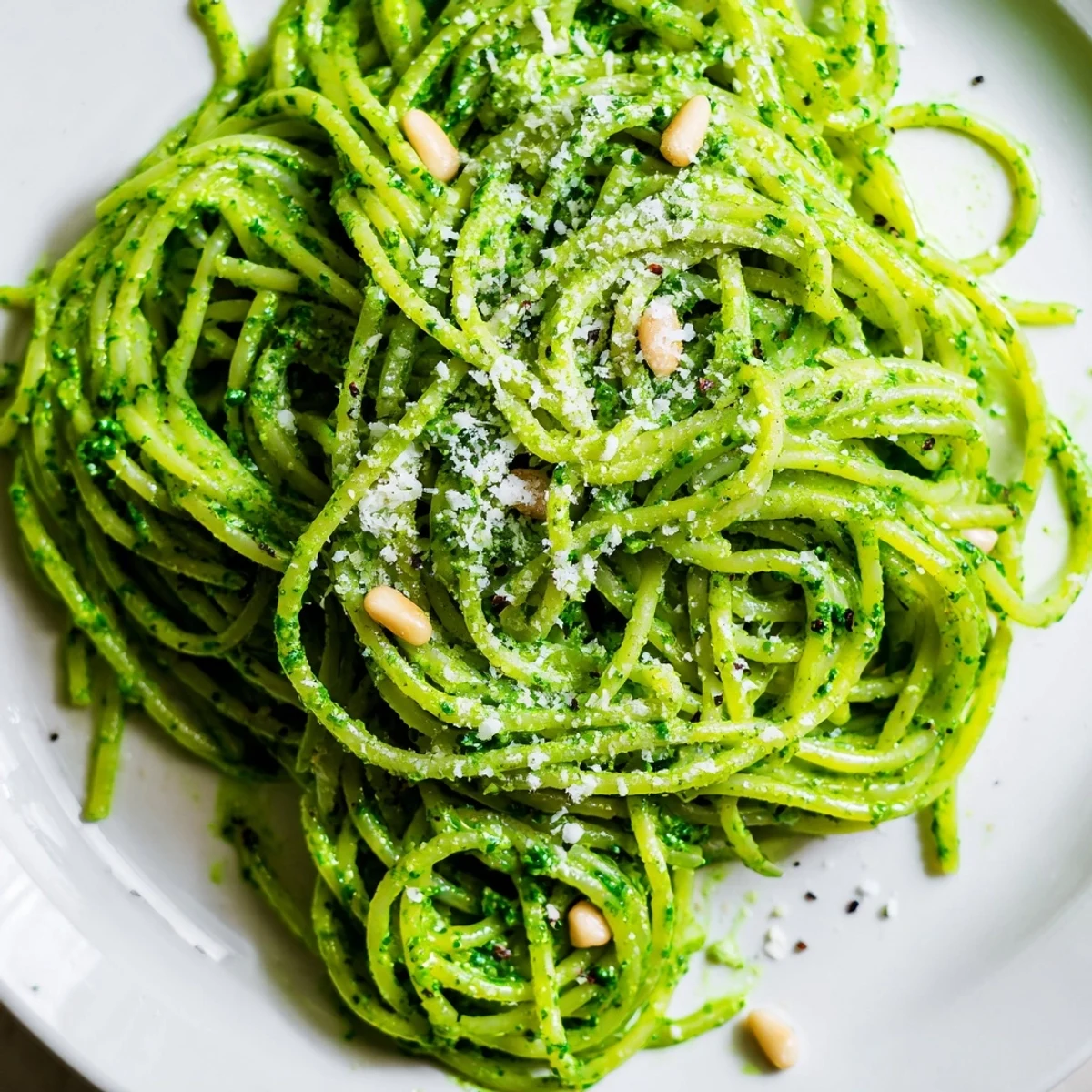
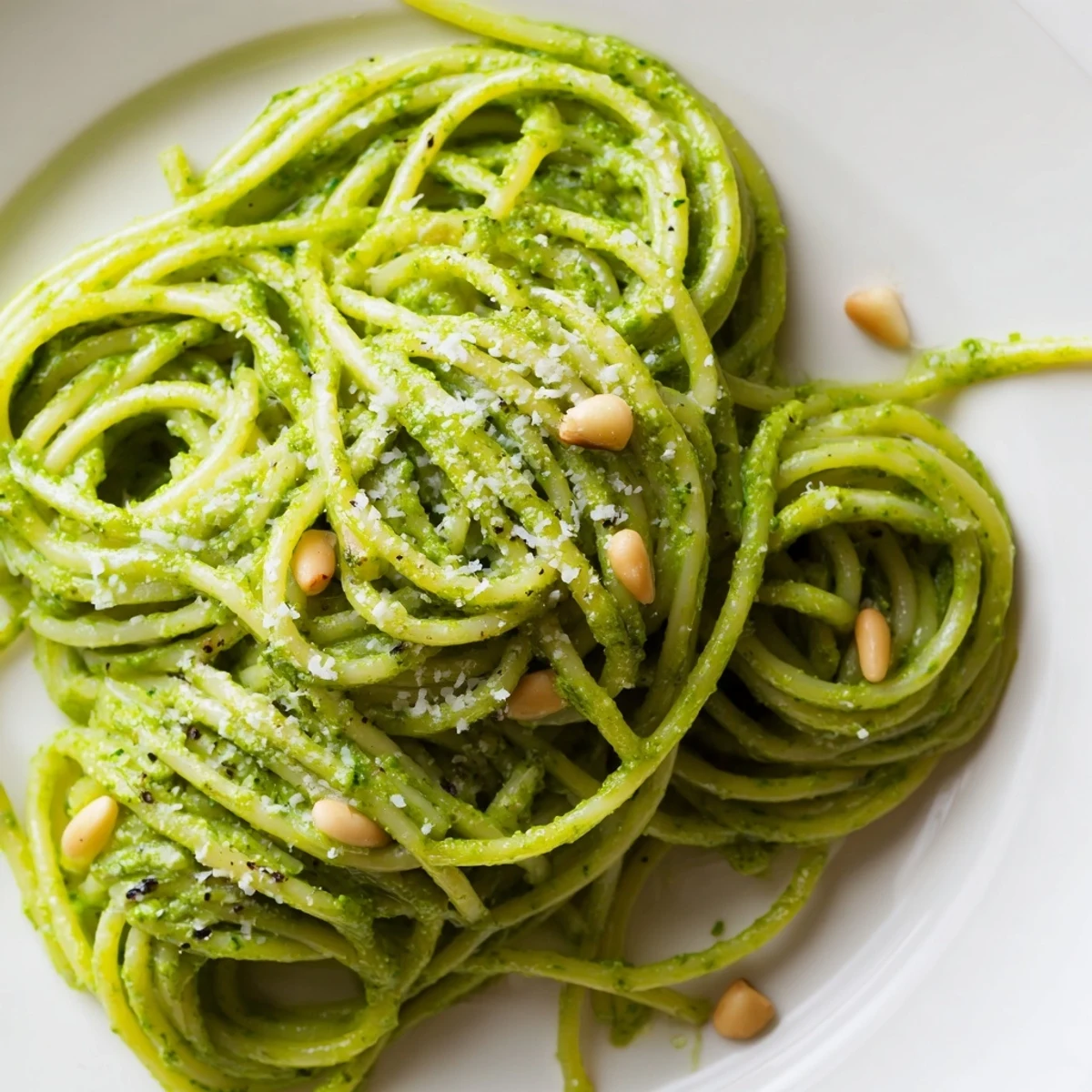
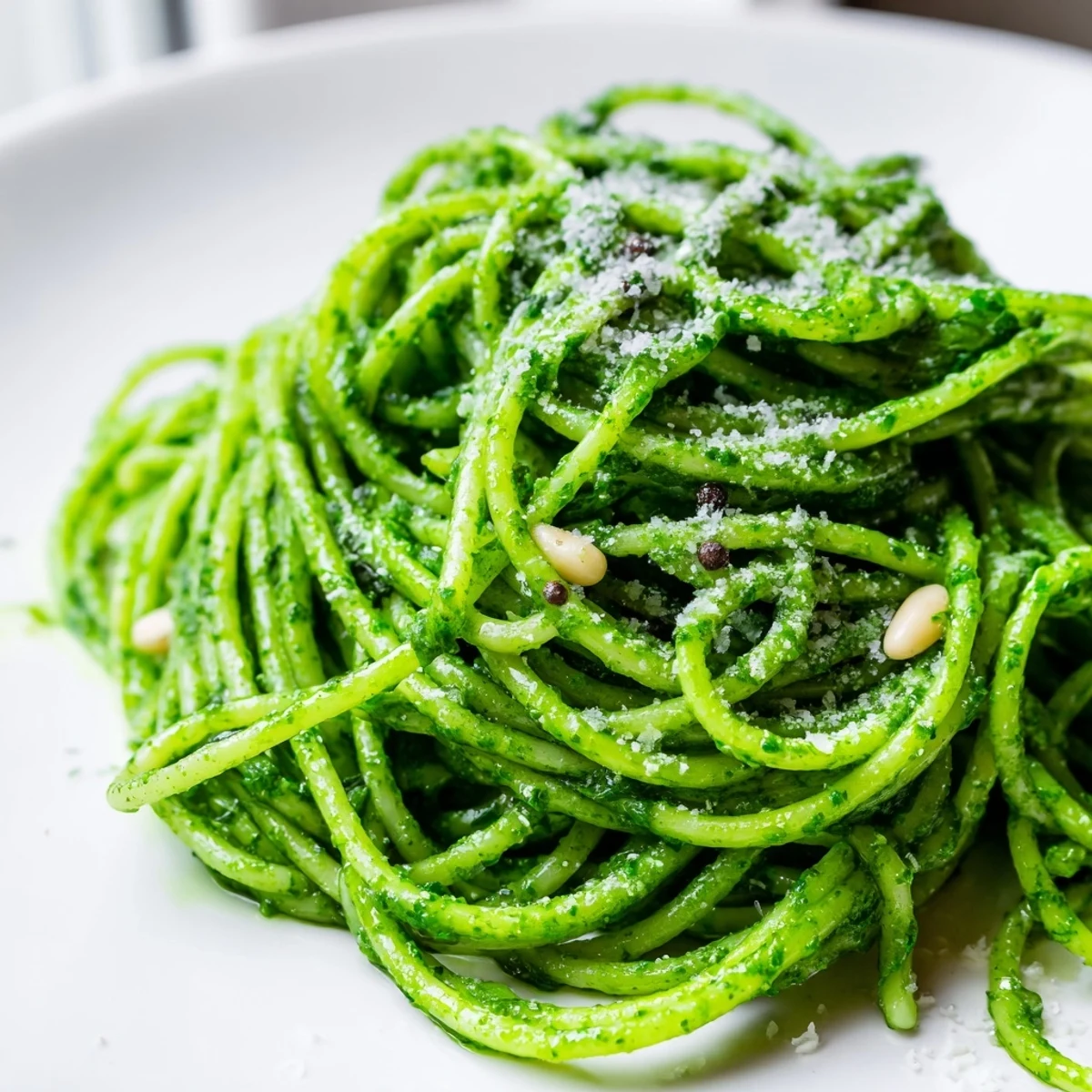
Save This wild garlic pesto pasta brings the fresh, lively flavors of spring straight to your table in just 25 minutes. A fragrant homemade pesto made from wild garlic leaves, toasted pine nuts, Parmesan, and a hint of lemon coats every strand of perfectly al dente pasta.
It's an easy, vegetarian dish that works beautifully as a quick weeknight dinner or a casual gathering with friends. The vibrant green color and nutty, aromatic flavors make it as stunning to look at as it is to eat.
The smell hit me before I even saw the leaves. I was walking along a damp woodland path in late April when this intense, garlicky perfume curled through the air and stopped me dead in my tracks. Wild garlic was carpeting the banks beside the trail, and I stuffed handfuls into my jacket pockets like some kind of greedy forager who had just struck gold. That evening, my kitchen smelled like a spring morning in Tuscany.
My neighbor Clara knocked on the door while I was draining the pasta, drawn entirely by the aroma wafting through the open window. She stood in the doorway holding a bottle of Pinot Grigio and said she was not leaving until she got a plate. We ended up eating standing up in the kitchen, twirling spaghetti around our forks and talking until the light faded outside.
Ingredients
- 75 g wild garlic leaves (rinsed and patted dry): The star of the show, wild garlic brings a pungent, fresh bite that regular garlic simply cannot replicate. Make sure to pat them thoroughly dry so your pesto does not turn watery.
- 50 g toasted pine nuts (or walnuts): Toasting is non negotiable here because it draws out a warm, buttery depth that raw nuts lack. Walnuts work beautifully if pine nuts are hard to find or tough on your budget.
- 50 g freshly grated Parmesan cheese: Always grate it yourself from a block since the pre grated stuff contains anti caking agents that make the pesto gritty.
- 1 garlic clove: Just one, because the wild garlic already carries plenty of punch and you do not want to overpower it.
- 100 ml extra virgin olive oil: Use the good stuff here since the oil is a major flavor carrier in pesto and a fruity, peppery olive oil makes a noticeable difference.
- Half a lemon, juiced: A splash of acidity that lifts the entire sauce and keeps the vivid green color from turning dull.
- Salt and black pepper, to taste: Season gradually and taste as you go because the Parmesan already adds saltiness.
- 400 g dried pasta (spaghetti, linguine, or penne): Long strands work best for catching the pesto, but short shapes hold their own if that is what you have.
- Salt, for pasta water: The water should taste like the sea because this is your one chance to season the pasta itself.
Instructions
- Get the pasta going first:
- Bring a large pot of generously salted water to a rolling boil and cook the pasta according to the package instructions until just tender with a slight bite. Before you drain it, scoop out half a cup of that starchy water and set it aside because this liquid is the secret to a silky, clinging sauce.
- Build the pesto base:
- Toss the wild garlic leaves, toasted pine nuts, Parmesan, and garlic clove into a food processor. Pulse in short bursts until everything is roughly chopped and the leaves have broken down into vibrant green fragments.
- Stream in the oil:
- With the motor running, pour the olive oil in a slow, steady stream through the feed tube. Watch as the mixture transforms into a smooth, brilliantly green paste that smells absolutely incredible.
- Season and brighten:
- Add the lemon juice, a pinch of salt, and a generous crack of black pepper, then pulse once or twice to incorporate. Taste it on the back of a spoon and adjust the seasoning until it sings.
- Bring it all together:
- Tumble the drained pasta back into the pot or a large bowl, spoon the pesto over the top, and toss vigorously, splashing in reserved pasta water a little at a time until every strand glistens with an even, velvety coating.
 Save
Save There is something almost magical about transforming a handful of foraged leaves into something that makes people close their eyes when they take the first bite.
Keeping Your Pesto Green and Bright
The lemon juice does more than add flavor. It acts as a safeguard against oxidation, which is what turns fresh pesto a disappointing army green within hours. If you are making the pesto ahead, press a sheet of cling film directly onto its surface before refrigerating to minimize air exposure.
Making It Your Own
This recipe is wonderfully forgiving and invites improvisation. A handful of fresh basil or baby spinach mixed in with the wild garlic stretches the yield and mellows the intensity if you find it too strong. Toasted almonds or cashews swap in seamlessly for the pine nuts, and I have even used sunflower seeds in a pinch with surprisingly good results.
Vegan and Dietary Swaps
For a fully plant based version, replace the Parmesan with three tablespoons of nutritional yeast and a small pinch of sea salt. The nutty, savory character of nutritional yeast mimics aged cheese remarkably well in pesto.
- Add a tablespoon of white miso paste for extra umami depth if skipping the cheese.
- Choose a gluten free pasta variety and check that your nuts are processed in a safe facility.
- Always taste and adjust seasoning at the end because substitutions can shift the salt and flavor balance.
 Save
Save Every spring I find myself back on that same woodland path, pockets ready, waiting for the smell to find me first. Some dishes are just worth wandering for.
Recipe FAQs
- → Where can I find wild garlic leaves?
-
Wild garlic (also called ramps or bear's garlic) is in season from March to June. You can forage it in woodland areas, find it at farmers' markets, or look for it in well-stocked grocery stores during spring. If unavailable, substitute with a mix of basil and regular garlic.
- → Can I make the pesto ahead of time?
-
Yes, the pesto can be prepared up to 3 days in advance and stored in an airtight container in the refrigerator. Press a layer of olive oil on top to prevent browning. You can also freeze it for up to 3 months.
- → What pasta shapes work best with this pesto?
-
Long strands like spaghetti or linguine work wonderfully, as the pesto clings evenly to each strand. Short shapes like penne or fusilli are also great because the pesto gets trapped inside the tubes and ridges.
- → How do I keep the pesto a bright green color?
-
Blanching the wild garlic leaves for 10 seconds in boiling water, then shocking them in ice water helps preserve the vibrant color. The lemon juice in the pesto also helps slow down oxidation.
- → Can I make this dish vegan?
-
Absolutely. Simply replace the Parmesan with nutritional yeast or a plant-based hard cheese alternative. The flavors will still be deliciously nutty and savory, and the texture remains wonderfully creamy.
- → What can I substitute for pine nuts?
-
Toasted walnuts, almonds, cashews, or sunflower seeds all work well as alternatives. Each brings a slightly different flavor profile, but all create a delicious, creamy pesto. Toasting them first enhances the nuttiness.