
 Save
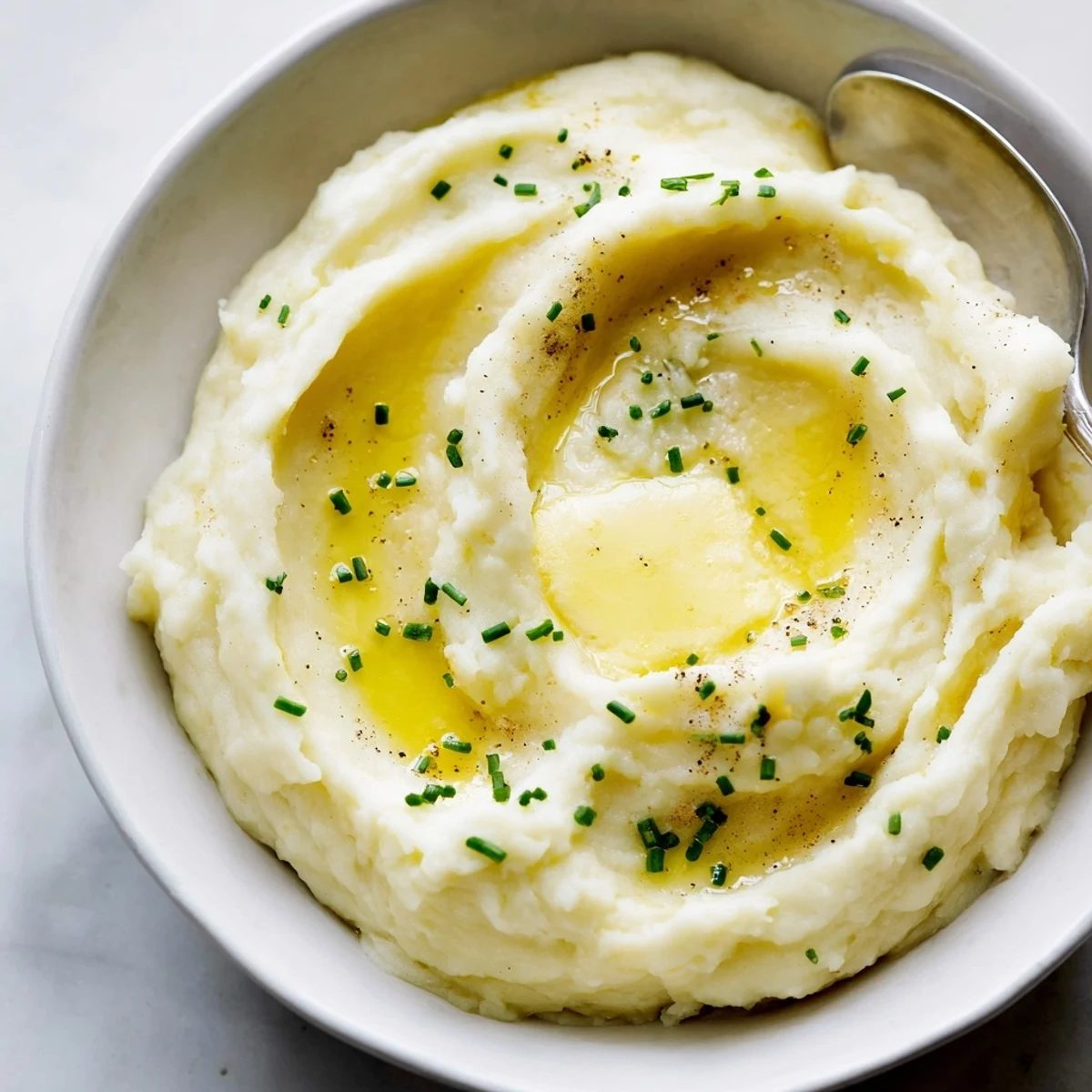
Save These velvety mashed potatoes deliver a creamy, buttery experience with every bite. Made with Yukon Gold or Russet potatoes, warmed whole milk, heavy cream, and generous butter, they achieve an irresistibly smooth texture.
Simply boil peeled potato chunks until fork-tender, drain thoroughly, then mash with butter before folding in warm dairy. Season with salt and pepper for a comforting side that pairs beautifully with roasted meats or sautéed greens.
Ready in just 40 minutes and serving four, this vegetarian and gluten-free dish is perfect for weeknight dinners or holiday gatherings alike.
Steam fogged up the kitchen window on a damp Tuesday evening while I stood over a pot of bubbling potatoes, wondering why something so simple had frustrated me for years. The answer, it turned out, was warm milk and patience. That night I finally made mashed potatoes that tasted the way they do at a good diner on a cold morning, and I have not looked at a potato the same way since.
My friend Dave stopped by unexpectedly one November and I had nothing to offer except a pot of these potatoes and half a baguette. He stood in the kitchen eating directly from the serving bowl, leaning against the counter, telling me about his week between bites. I made a second batch the next day just to have leftovers.
Ingredients
- Yukon Gold or Russet potatoes: 1.5 lbs (700 g), peeled and cut into 2 inch chunks. Yukon Golds give a naturally buttery flavor while Russets break down fluffier, and both work beautifully here.
- Unsalted butter: 4 tbsp (55 g). Let it sit on the counter while the potatoes cook so it softens slightly and melts on contact.
- Whole milk: 1/2 cup (120 ml), warmed. Cold milk seizes the starches and creates gluey patches, so always warm it first.
- Heavy cream: 1/4 cup (60 ml), warmed. This is what pushes the texture from good to velvety without making it heavy.
- Salt: 1 tsp plus more for boiling. Season the cooking water like the sea and your potatoes will taste seasoned all the way through.
- Freshly ground black pepper: 1/4 tsp. A little goes a long way here and keeps the flavor gentle and comforting.
Instructions
- Cover and boil:
- Drop the potato chunks into a large pot and cover them with cold salted water by at least two inches. Starting cold lets the potatoes cook evenly from edge to center so you never get firm cores surrounded by mush.
- Simmer until tender:
- Bring to a rolling boil then drop the heat to a gentle simmer uncovered for 15 to 20 minutes. Poke the largest chunk with a fork and if it slides off without resistance you are ready.
- Drain and rest:
- Pour the potatoes into a colander and let every last drop of water run off. Return them to the still warm pot off the heat so residual warmth keeps everything soft while you work.
- Add the butter:
- Drop the butter in whole and walk away for a minute or two. Letting it melt gently into the hot potatoes creates a rich base before any liquid touches the starches.
- Mash until smooth:
- Use a potato masher for a rustic feel or run everything through a ricer if you want that restaurant silkiness. Work quickly but do not overwork the potatoes or they turn gummy.
- Fold in the liquids:
- Pour the warm milk and cream in slowly, folding gently with a wooden spoon or spatula. The mixture should go from stiff and starchy to light and pillowy as you incorporate each splash.
- Season and serve:
- Taste for salt and pepper, stir once more, and serve right away while steam is still rising. A pat of butter on top and a scatter of chopped chives never hurt anyone.
 Save
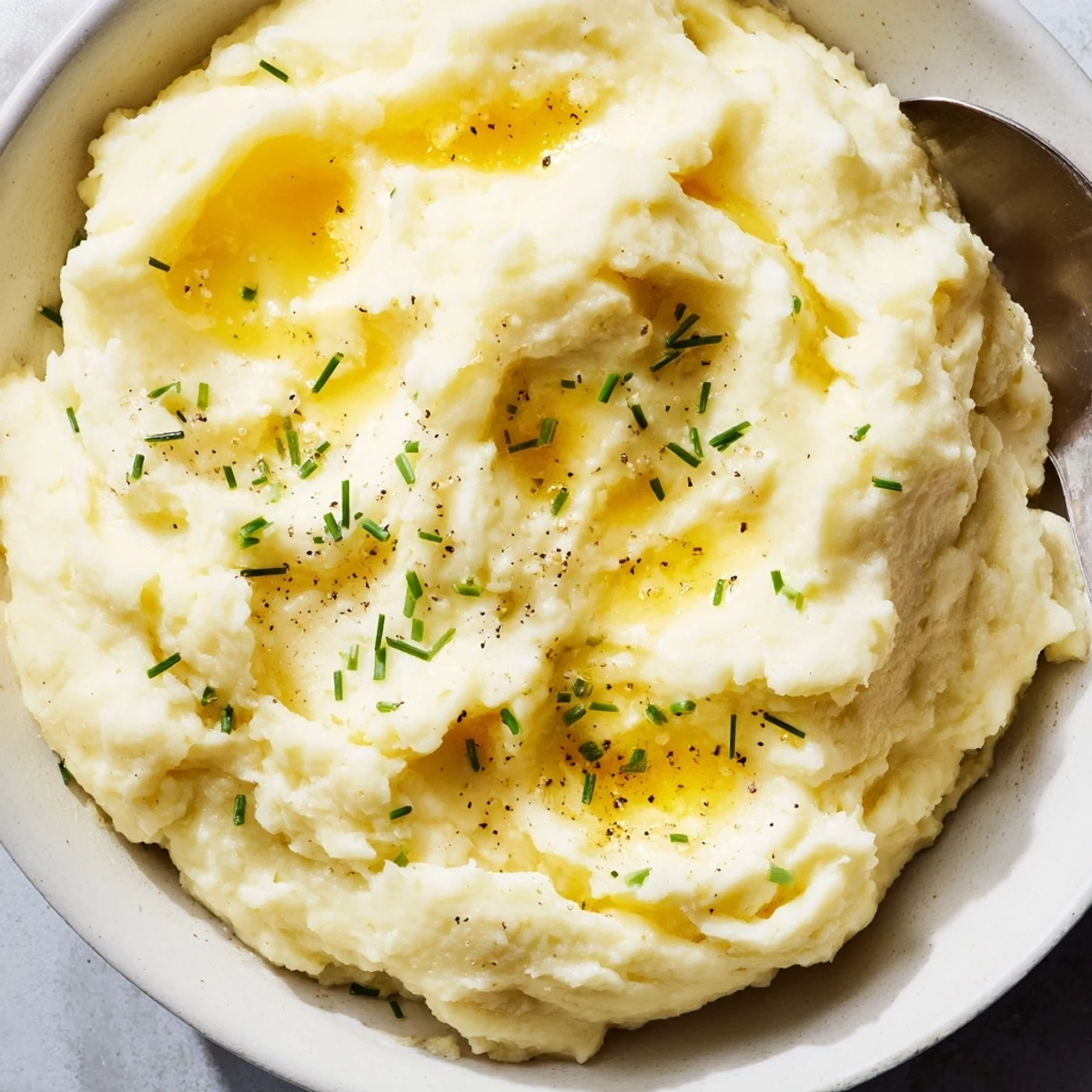
Save There is something quietly generous about a bowl of mashed potatoes placed in the middle of a table full of people who have had a long day. They do not ask for attention or garnish or ceremony. They just sit there, steaming, ready to make everything slightly more bearable.
Picking the Right Potato
I spent an embarrassing amount of time testing both Yukon Golds and Russets side by side before accepting that neither is wrong. Yukon Golds yield a denser, creamier bowl that almost eats like a meal on its own. Russets give you that cloudlike, give-under-your-fork lightness that soaks up gravy like a sponge. Use what you have and adjust the cream slightly if the texture feels too stiff or too loose.
Lightening Things Up
Skip the heavy cream entirely and use all milk if you want a lighter version that still tastes indulgent. You can even swap in a splash of good olive oil for part of the butter and end up with something that tastes Mediterranean and fresh rather than strictly comfort food. The potatoes will be slightly less rich but honestly nobody at the table has ever complained.
Adding Extra Flavor
Roasted garlic folded in at the mashing stage is probably my favorite single upgrade to this recipe. Two cloves, squeezed from their skins and mashed right in, add a sweet mellow depth that makes the butter taste even more buttery. A handful of snipped chives or a grating of Parmesan at the end also works wonders.
- Try a pinch of nutmeg for a subtle warmth most guests will not be able to identify but will definitely enjoy.
- If you have leftover mashed potatoes, form them into patties and pan fry in butter the next morning for the best breakfast hash.
- Always salt the cooking water generously because this is your only chance to season the inside of the potato itself.
 Save
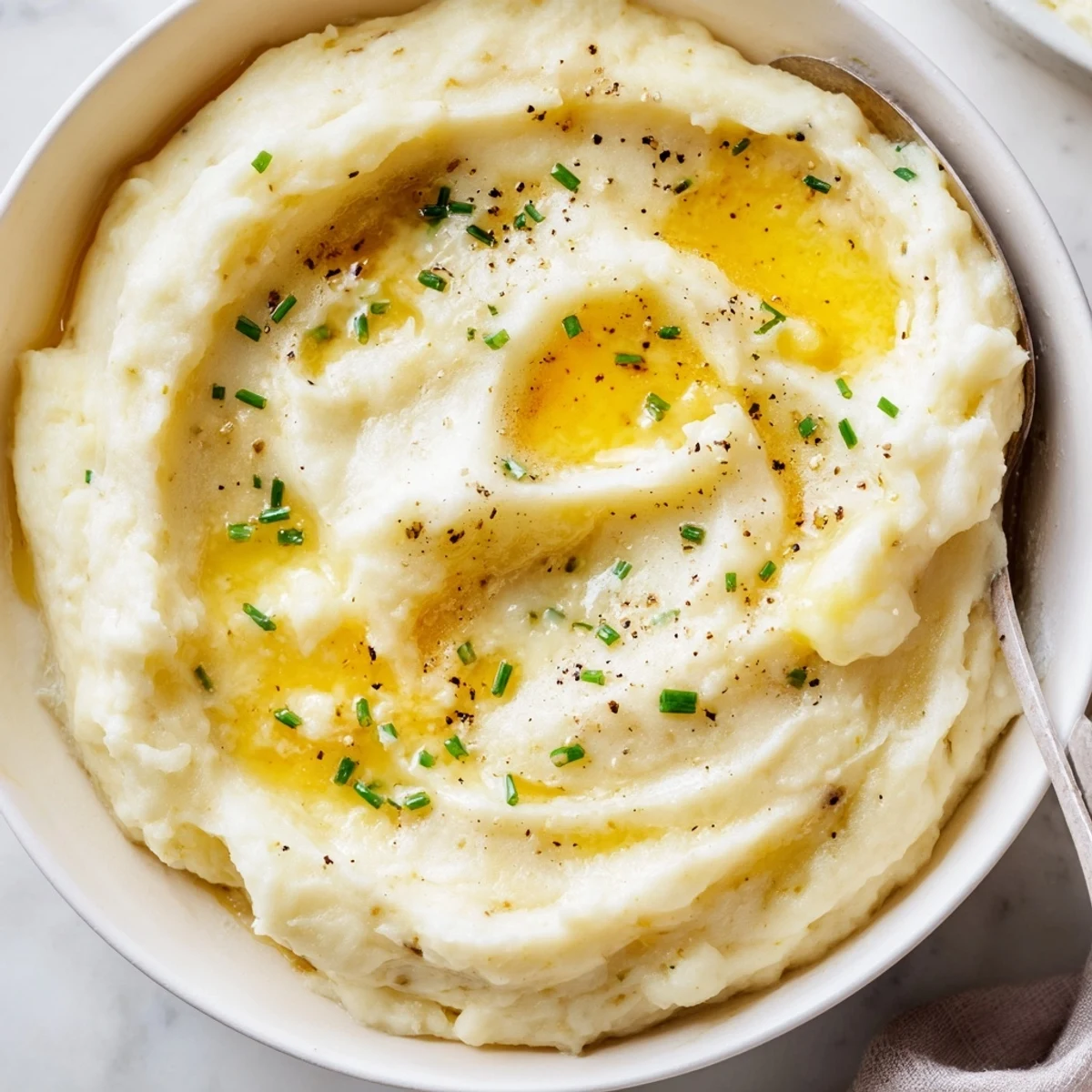
Save A pot of mashed potatoes on the stove is a small act of care that asks almost nothing in return. Make them once and they will become the dish people quietly hope shows up at your table.
Recipe FAQs
- → What type of potatoes work best for mashed potatoes?
-
Yukon Gold potatoes are ideal because of their naturally creamy texture and buttery flavor. Russet potatoes also work well and produce a fluffier result. Avoid waxy varieties like red potatoes, which can become gummy when mashed.
- → Why should I warm the milk and cream before adding them?
-
Warming the dairy before adding it to the potatoes prevents the mash from cooling down and ensures the butter stays melted. Cold liquids can cause the butter to seize, resulting in a less smooth and less creamy texture.
- → How do I get lump-free mashed potatoes?
-
Using a potato ricer is the best method for achieving ultra-smooth, lump-free results. If you don't have one, a traditional potato masher works well—just be thorough and avoid overworking the potatoes, which can make them gummy.
- → Can I make mashed potatoes ahead of time?
-
Yes, you can prepare them up to a day in advance. Store in an airtight container in the refrigerator, then reheat gently on the stovetop over low heat or in the microwave, stirring in a splash of warm milk to restore creaminess.
- → Why are my mashed potatoes gummy?
-
Gummy mashed potatoes usually result from overmixing or using a food processor. Stick to a potato masher or ricer and fold the ingredients gently. Also, drain the potatoes thoroughly and return them to the warm pot to remove excess moisture before mashing.
- → What can I add to mashed potatoes for extra flavor?
-
Roasted garlic cloves are a classic addition—simply mash them in with the potatoes. Fresh chopped chives, grated Parmesan cheese, sour cream, or a pinch of nutmeg also elevate the flavor beautifully.