
 Save
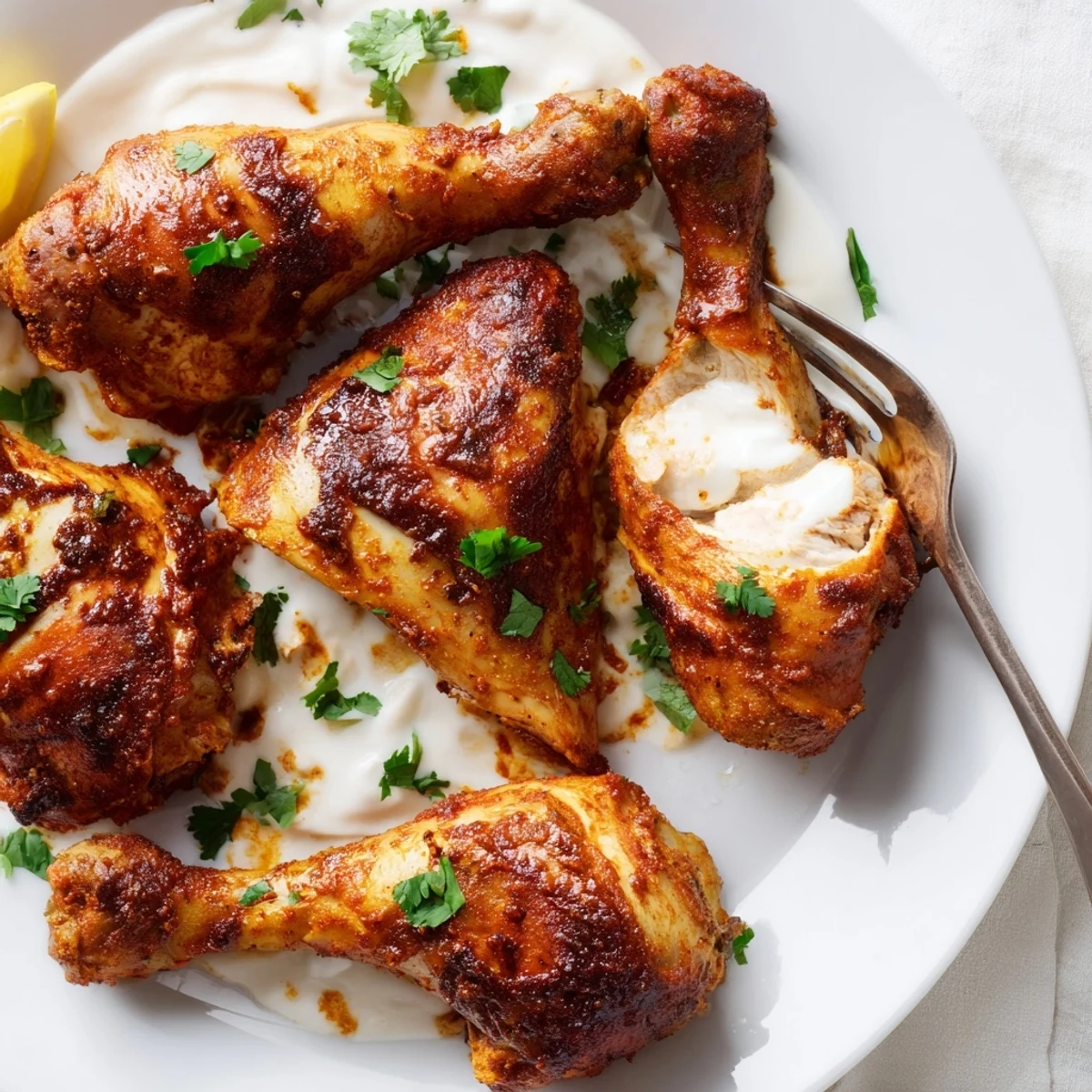
Save Marinate chicken in thick yogurt with lemon, tandoori masala or warm curry spices, ginger and garlic for a minimum of four hours or overnight to tenderize and deepen flavor. Roast at 220°C (425°F) or grill over hot coals until the exterior chars slightly and the interior stays juicy; baste once or twice with reserved marinade for added gloss.
Rest briefly, then finish with chopped cilantro and lemon wedges for bright contrast. Serve with naan, rice or cooling yogurt; adjust chili to taste and use boneless pieces for quicker cooking.
The smell of tandoori chicken takes me straight back to a sweltering July afternoon when my air conditioning had just given up and I figured roasting something at 425 degrees was a perfectly reasonable revenge against the heat. The kitchen turned into a literal oven, but that smoky, spice crusted chicken emerging from the inferno made every drop of sweat worth it. My neighbor knocked on the door asking what smelled so incredible, and we ended up eating together on my fire escape with a pile of store bought naan and cold beer. Sometimes the best meals happen when the kitchen tries to kill you and you win anyway.
I have made this for exactly three dinner parties and each time someone has stood at the counter eating straight off the baking sheet before we even sat down. There is something about the charred edges and that tangy, spiced yogurt crust that strips away all table manners. My friend David once declared it the best chicken he had ever eaten while actively burning his fingers grabbing a second piece before the first was finished. That kind of enthusiasm is really the only review that matters.
Ingredients
- 1.5 lbs (700 g) chicken legs and thighs, skinless: Dark meat is the move here because it stays juicy through the high heat roasting, and the bones keep everything flavorful while the marinade works its way into every crevice.
- 1 cup plain yogurt: Whole milk yogurt gives you the richest marinade, and the acidity breaks down the chicken fibers in a way that makes each bite incredibly tender without turning mushy.
- 2 tbsp lemon juice: Fresh squeezed only, because the bottled stuff has a flat acidity that throws off the balance of the whole marinade.
- 2 tbsp tandoori masala or mild curry powder: Tandoori masala will give you that authentic deep red color and complex warmth, but a good curry powder works beautifully if that is what your pantry offers.
- 1 tbsp ginger paste: You can grate fresh ginger if you prefer, but the paste blends into the marinade more evenly and saves your knuckles.
- 1 tbsp garlic paste: Same story as the ginger, though smashing fresh cloves into a paste with a pinch of salt works too.
- 1 tsp ground cumin: This adds an earthy, warm backbone that ties all the brighter spices together.
- 1 tsp ground coriander: It brings a subtle citrusy note that balances the deeper, heavier spices in the blend.
- 1 tsp paprika: Mostly here for color and a gentle sweetness, though smoked paprika can add a fun twist if you want to lean into the smoky character.
- 1/2 tsp ground turmeric: Just a small amount contributes warmth and a beautiful golden undertone beneath the red.
- 1/2 tsp chili powder: Adjust this one to your comfort level, and remember you can always add more heat but you cannot take it away once it is in there.
- 1 1/2 tsp salt: Do not skimp on this, because the salt is what pulls the marinade into the chicken and makes every spice taste like itself.
- 2 tbsp vegetable oil: This helps the spices bloom and keeps the chicken from sticking to the rack while it roasts.
- Fresh cilantro, chopped (optional garnish): A handful at the end cuts through the richness and adds a fresh, green contrast to the smoky chicken.
- Lemon wedges (optional garnish): A squeeze right before eating brightens every single bite and wakes up all those warm spices.
Instructions
- Score the chicken:
- Take a sharp knife and make shallow cuts across each piece of chicken, about a half inch deep, so the marinade can seep deep into the meat rather than just coating the surface. Think of it as giving the spices a doorway inside.
- Build the marinade:
- In a large bowl, dump in the yogurt, lemon juice, tandoori masala, ginger paste, garlic paste, cumin, coriander, paprika, turmeric, chili powder, salt, and oil, then stir everything together until you have a smooth, vibrantly colored paste. Taste it on your finger and adjust the salt or heat before the raw chicken enters the picture.
- Coat and chill:
- Add the chicken pieces to the bowl and use your hands to really massage the marinade into every slit and crevice, then cover tightly and slide it into the fridge for at least four hours. Overnight is the sweet spot because the transformation in flavor and tenderness is genuinely remarkable.
- Preheat the oven or grill:
- Crank your oven to 220 degrees Celsius, which is 425 degrees Fahrenheit, and let it get fully hot while you set up, or fire up your grill to high heat if you want that authentic char and smokiness.
- Roast until gorgeous:
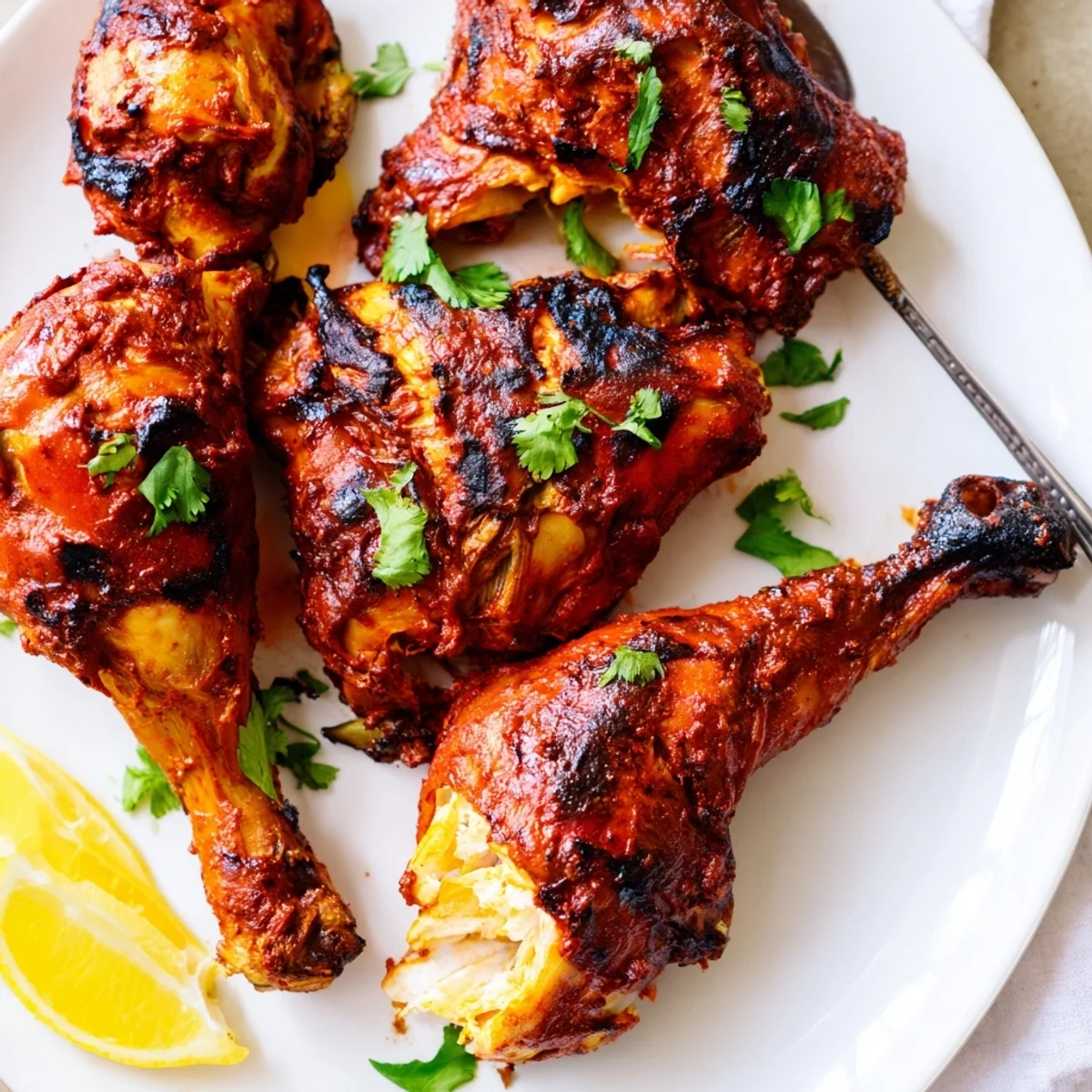
- Set the chicken on a wire rack over a baking sheet so the heat circulates all the way around, and roast for 30 to 35 minutes, turning once halfway through and basting with any leftover marinade. You are looking for deep charred spots on the edges and juices that run clear when you poke the thickest part.
- Finish and serve:
- Pull the chicken from the oven and let it rest for just a couple minutes, then scatter fresh cilantro over the top and set out lemon wedges for squeezing. Serve it hot with warm naan, fluffy rice, or a bowl of cooling raita on the side.
 Save
Save The first time I served this to my mother, who generally regards Indian food with polite suspicion, she asked for the recipe before she finished her plate. That small moment of bridge building over a piece of chicken felt like more than just a meal well cooked.
Serving Ideas That Actually Work
I have served this chicken with everything from plain steamed basmati to a full spread of pickled onions, cucumber raita, and warm buttered naan, and the truth is it shines no matter what surrounds it. The leftovers, if you are lucky enough to have any, make an absurdly good sandwich the next day with some sharp cheddar and a smear of mango chutney on toasted bread. Cold straight from the fridge at midnight is also a completely acceptable serving method that I have personally verified multiple times.
Grill Versus Oven
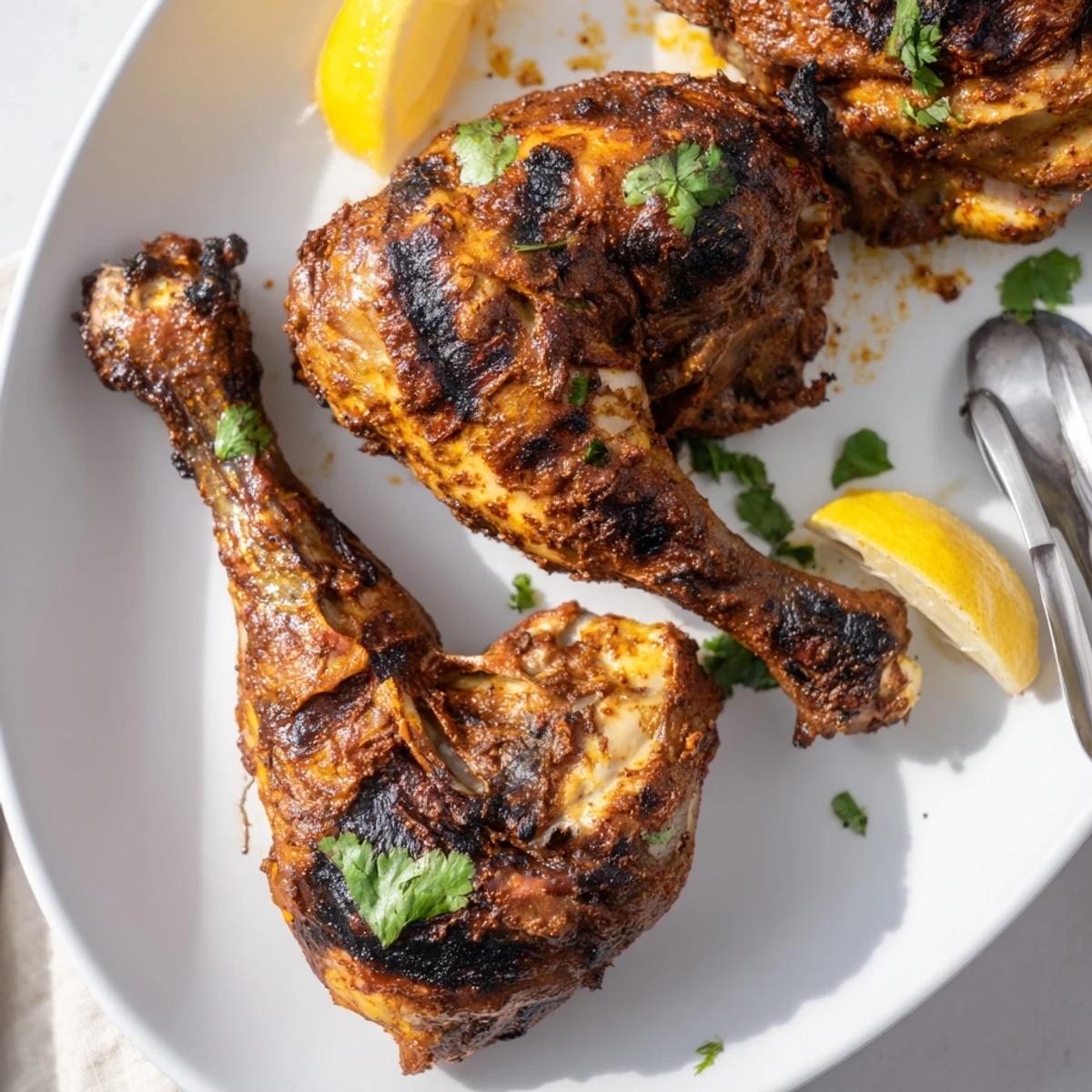
The oven method is reliable and consistent, giving you that beautiful char without much babysitting, but the grill is where this recipe crosses into something truly special. Cooking over hot coals adds a depth of smoke that the oven cannot quite replicate, and the rendered chicken fat dripping onto the coals creates these little flare ups that kiss the meat with extra flavor. If you choose the grill, keep a close eye on it and have your tongs ready because the sugar in the marinade can go from perfectly caramelized to burnt faster than you expect.
Final Thoughts Before You Start
There are a few small things that can trip you up if you are making this for the first time, so let me save you from learning them the hard way. The marinade stains everything it touches, including your hands, your counters, and that one white shirt you should have changed out of before cooking. Also, boneless chicken works fine if you prefer easier serving, just shave about ten minutes off the cooking time and check for doneness early. Beyond that, trust the process and let the spices do their thing.
- Pull the chicken from the fridge about 20 minutes before roasting so it cooks more evenly and does not shock the oven temperature.
- If your tandoori masala is older than six months, buy a fresh jar because those volatile oils fade and the dish will taste flat no matter what else you do.
- Always let the chicken rest for a few minutes after cooking so the juices redistribute instead of running out onto your plate the second you cut into it.
 Save
Save Make this once and it will live in your rotation forever, because few dishes reward so little hands on effort with this much drama and satisfaction. Your kitchen will smell incredible, your people will be happy, and you will feel like you pulled off something magical.
Recipe FAQs
- → How long should the chicken marinate?
-
Marinate at least 4 hours for noticeable flavor and tenderness, but overnight (8–24 hours) yields the best depth and texture. Avoid much longer to prevent overly soft meat.
- → Can I use boneless chicken pieces?
-
Yes. Boneless thighs or breasts cook faster and are easier to serve; reduce roasting time and monitor internal temperature so the meat remains juicy.
- → What's the best way to get a smoky char?
-
Grilling over hot coals gives the most authentic smoke. Indoors, roast at high heat on a wire rack or briefly finish under a broiler to encourage slight charring.
- → How can I adjust the spice level?
-
Modify the chili powder to taste and balance heat with extra yogurt or lemon. Start with less and add more when mixing the marinade to control the final spice.
- → Should I baste the chicken while cooking?
-
Yes. Basting once or twice with reserved marinade or a little oil keeps the surface glossy, helps develop color and prevents drying during high-heat roasting or grilling.
- → What are good serving options?
-
Serve with warm naan, steamed rice or a cooling yogurt condiment. Fresh cilantro and lemon wedges brighten the dish and balance the spices.