
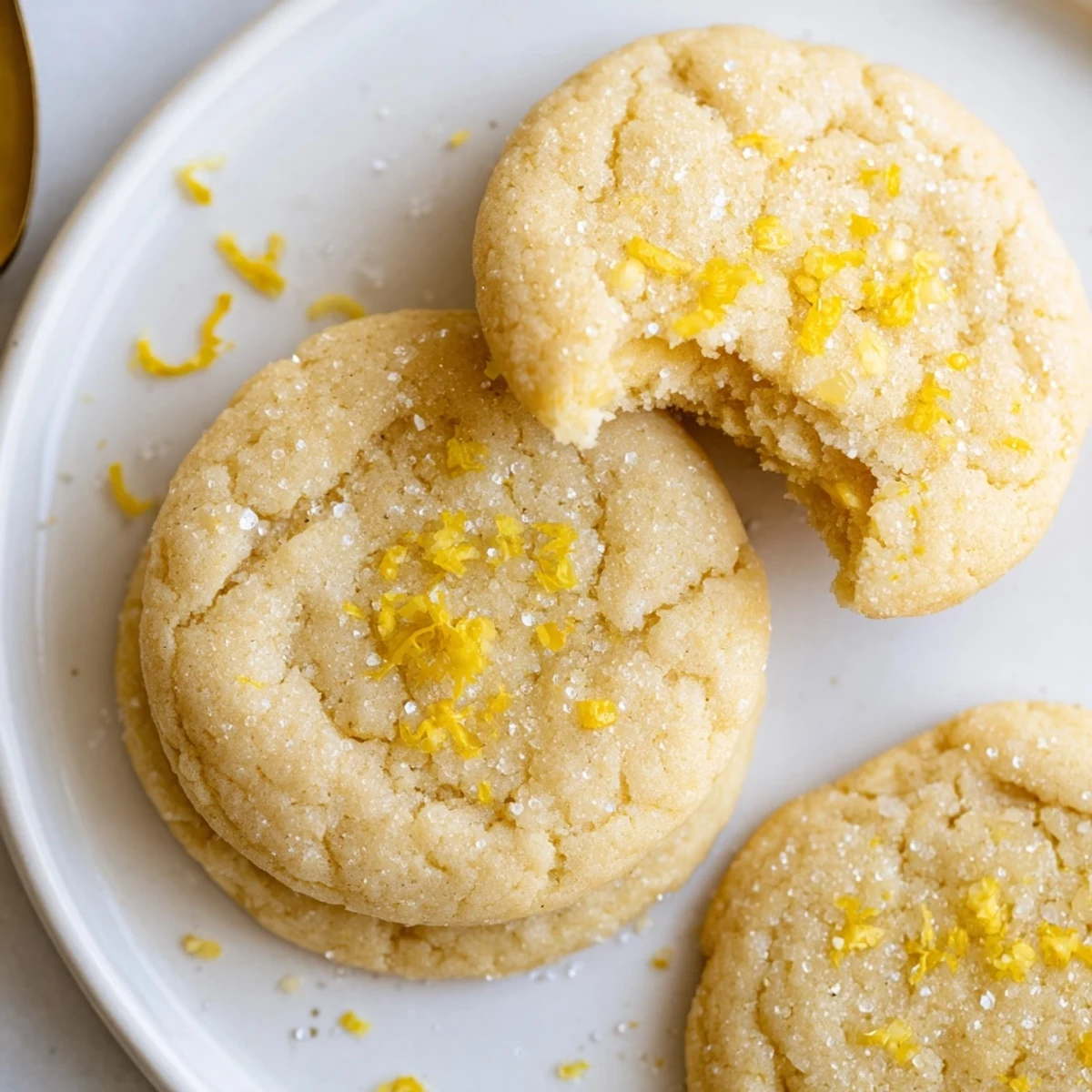
 Save
Save Soft, chewy lemon cookies made with butter, sugar, eggs, lemon juice and zest deliver bright citrus flavor and tender texture. Flour and baking soda keep them light; dough is rolled in extra sugar before baking at 350°F for 9–11 minutes so edges set while centers stay soft. Cool briefly on the sheet, then transfer to a rack. Variations: add extra zest or roll in powdered sugar.
The smell of lemon zest hitting butter is one of those small kitchen miracles that stops me in my tracks every single time. I started making these cookies during a rain-soaked April when I needed something bright and cheerful, and they have been my go-to mood lifter ever since. There is something about the way the citrus oils bloom in the oven heat that makes the whole house feel like summer showed up early.
I brought a plate of these to my neighbor Lindas porch last spring and we ended up sitting outside for two hours watching her kids chase fireflies. She called the next morning asking for the recipe, which is honestly the highest compliment a cookie can receive.
Ingredients
- All-purpose flour (2 1/4 cups, 280 g): This forms the sturdy backbone of the cookie and spooning it into the cup rather than scooping prevents dense, heavy results.
- Baking soda (1/2 teaspoon): Just enough lift to keep these from spreading into flat crisps without making them cakey.
- Salt (1/4 teaspoon): Do not skip this, because salt is what makes the lemon taste like lemon instead of just sweet.
- Unsalted butter, softened (1 cup, 225 g): Pull it out an hour ahead so it creams properly and traps the air that gives these cookies their tender crumb.
- Granulated sugar (1 cup, 200 g): White sugar keeps the flavor clean and lets the citrus shine without muddying it.
- Light brown sugar, packed (1/4 cup, 50 g): A small amount adds chew and a hint of caramel warmth in the background.
- Large eggs (2): Room temperature eggs blend more smoothly into the butter mixture and help bind everything together gently.
- Fresh lemon juice (2 tablespoons): Bottled juice tastes flat and metallic here, so squeeze it fresh for the best results.
- Lemon zest (2 teaspoons): This is where the real perfume lives, so zest before you juice and avoid the bitter white pith underneath.
- Vanilla extract (1 teaspoon): A quiet supporting player that rounds out the sharp edges of the citrus.
- Extra granulated sugar for rolling (1/3 cup, 65 g): This creates a sparkly, slightly crunchy exterior that contrasts beautifully with the soft center.
Instructions
- Preheat and prepare:
- Set your oven to 350 degrees F (175 degrees C) and line two baking sheets with parchment paper so nothing sticks and cleanup is effortless.
- Whisk the dry together:
- In a medium bowl, whisk the flour, baking soda, and salt until evenly distributed and you see no clumps lurking in the corners.
- Cream butter and sugars:
- Beat the softened butter with both sugars in a large bowl until the mixture looks pale, fluffy, and lighter than when you started, about two full minutes with an electric mixer.
- Add eggs and citrus:
- Drop in one egg at a time, beating after each addition, then pour in the lemon juice, zest, and vanilla, mixing until everything smells like a lemon grove in July.
- Bring it all together:
- Gradually add the dry ingredients to the wet, mixing just until the last streak of flour disappears, because overmixing is the enemy of tenderness.
- Roll and shape:
- Scoop tablespoon sized portions, roll each gently between your palms, and tumble them through the extra sugar until lightly coated before placing them two inches apart on the sheets.
- Bake until just set:
- Slide the trays into the oven for 9 to 11 minutes, pulling them out when the edges look set but the centers still look soft and slightly underdone, which is the secret to that chewy interior.
- Cool with patience:
- Let the cookies rest on the hot baking sheet for five minutes so they finish setting up gently, then transfer to a wire rack to cool completely.
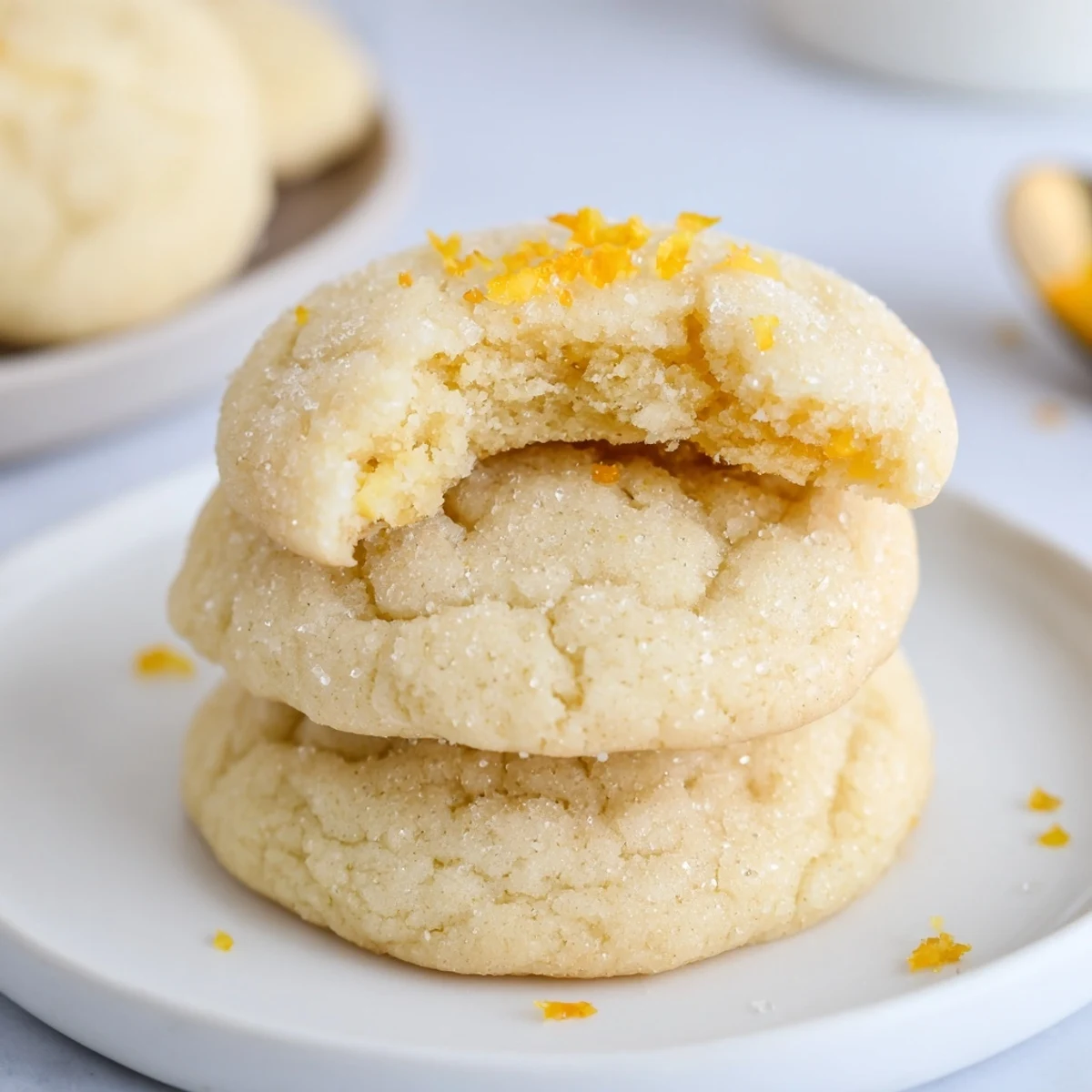 Save
Save One December I tucked these into holiday tins alongside gingerbread and shortbread, and they were the first to disappear, which told me everything I needed to know about their crowd appeal.
Getting the Texture Right Every Time
The secret to that coveted soft and chewy center is pulling the cookies from the oven while they still look slightly undone in the middle. The residual heat from the baking sheet continues to cook them gently as they sit, and this carryover cooking firms them up without drying them out.
Ways to Switch Things Up
Rolling the dough balls in powdered sugar instead of granulated sugar gives a crackled, snowy finish that feels dressier for holiday platters. Adding an extra teaspoon of lemon zest pushes the tang into seriously bold territory for the citrus lovers at your table.
Storing and Serving Suggestions
These cookies stay beautifully soft for up to four days when stored in an airtight container at room temperature, though they rarely last that long in my kitchen. They pair wonderfully with a cup of Earl Grey tea on a quiet afternoon or a chilled glass of citrusy white wine when friends come over.
- Freeze baked cookies in a single layer, then stack with parchment between layers for up to three months.
- The cookie dough also freezes beautifully, so you can scoop and roll portions to bake fresh anytime.
- Always let them cool completely before storing, because trapped steam turns soft bottoms soggy.
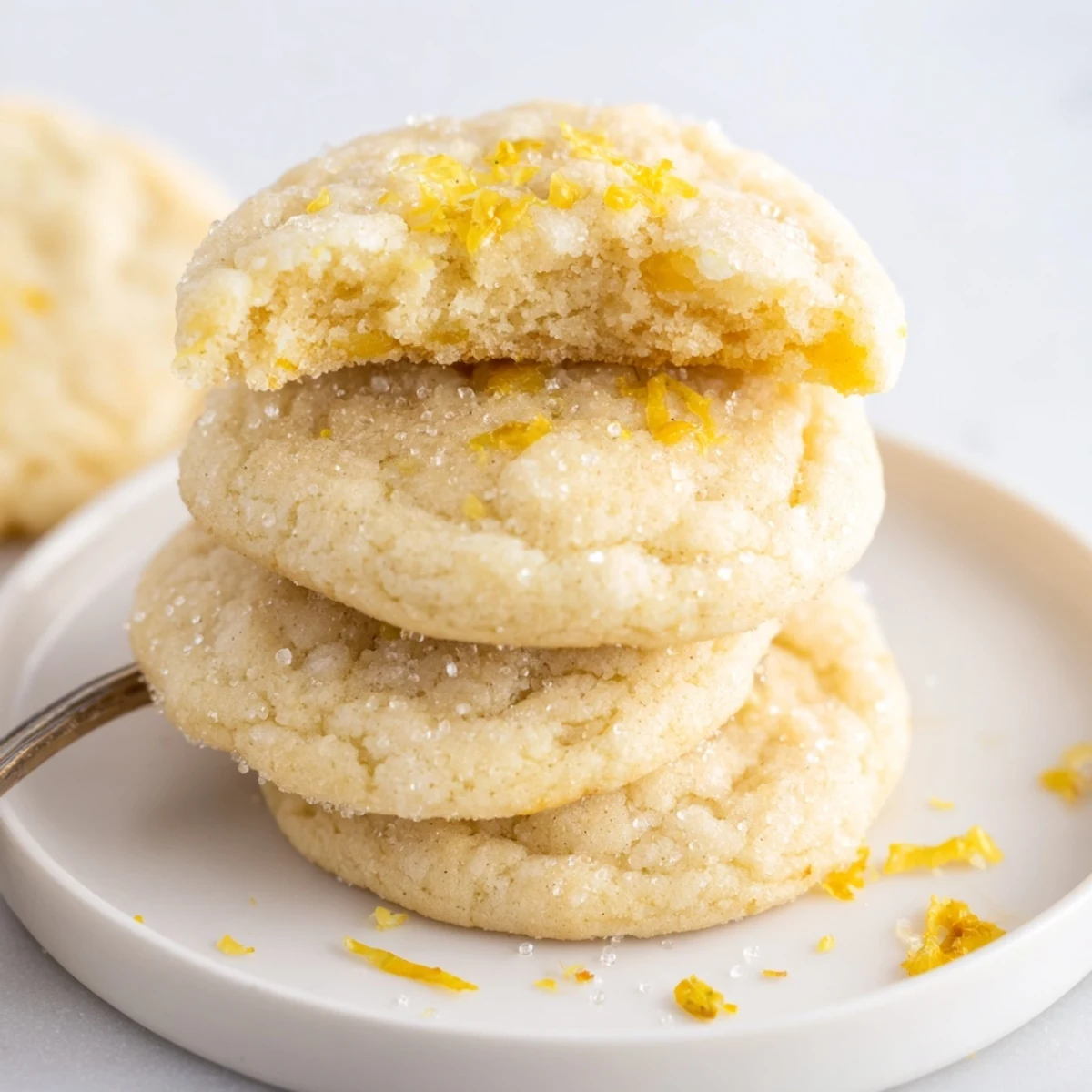 Save
Save These little sunshine cookies have a way of making ordinary afternoons feel a bit more special, and I hope they bring that same warmth to your kitchen.
Recipe FAQs
- → How do I keep the cookies soft?
-
Remove from the oven when edges are set but centers still look slightly underbaked; allow to cool on the baking sheet for 5 minutes before moving to a rack. Store in an airtight container; adding a slice of bread helps retain moisture.
- → Can I use salted butter instead of unsalted?
-
Yes—use salted butter and reduce or omit the added salt in the dry ingredients. Taste the dough if unsure and adjust; small salt variations change balance but not texture.
- → Why roll the dough in extra sugar?
-
Rolling in granulated sugar creates a thin, slightly crisp exterior that contrasts the soft interior and catches a light sparkle. It also helps shape the dough and control spreading during baking.
- → How can I boost the lemon flavor?
-
Increase the lemon zest by 1 teaspoon and use freshly squeezed juice. Zest contains volatile oils that provide bright citrus notes—grate with a microplane for the best release of flavor.
- → What prevents cookies from spreading too much?
-
Avoid over-creaming the butter and sugars, measure flour accurately, and chill the dough briefly if your kitchen is warm. Slightly thicker portions help maintain height while baking.
- → Any tips for alternate finishes?
-
For a different look and texture, roll baked and cooled cookies in powdered sugar, or drizzle a thin lemon glaze. Both add sweetness and amplify the citrus profile.