
 Save
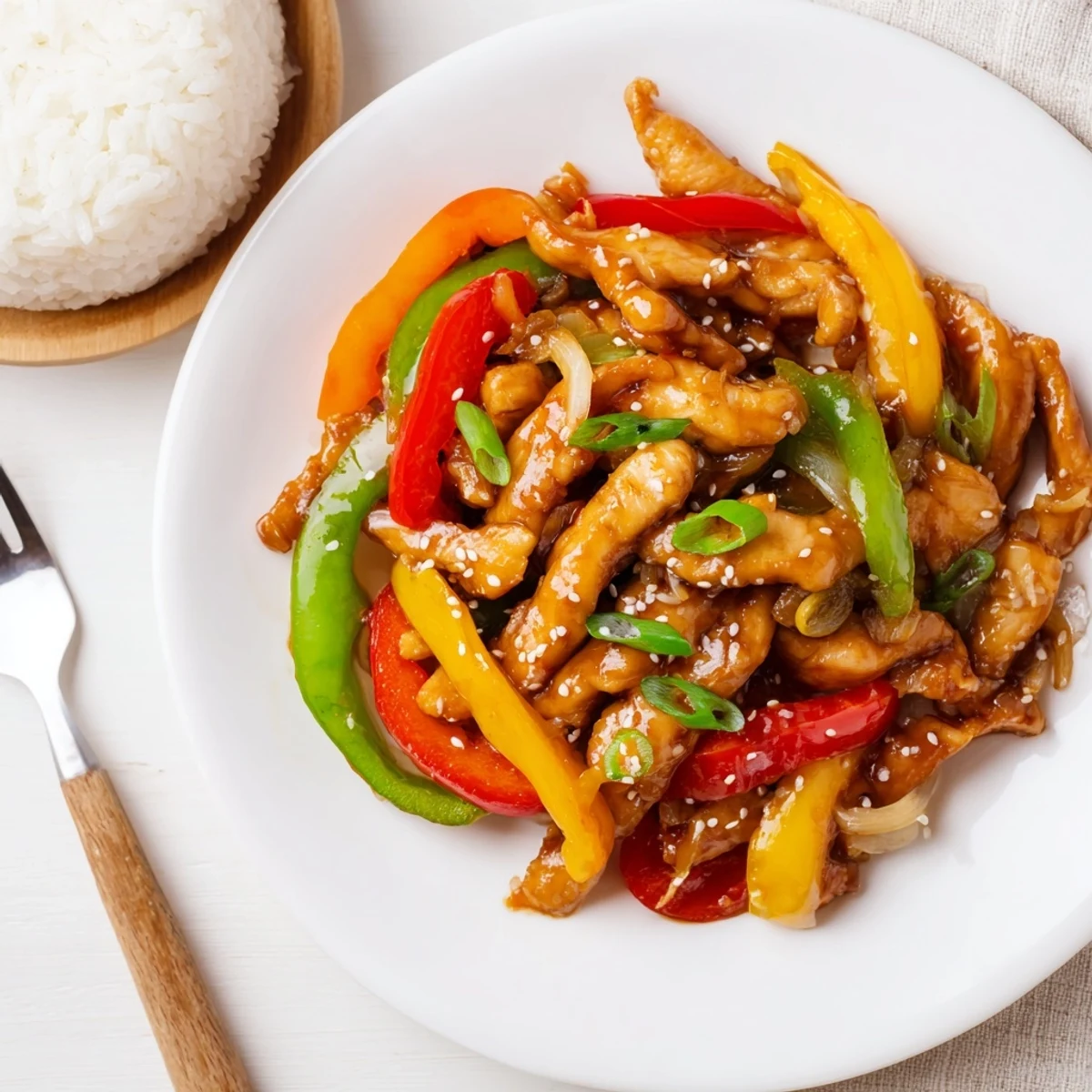
Save Ready in 25 minutes, this quick stir-fry begins by thinly slicing chicken and whisking a soy–hoisin–rice vinegar sauce with cornstarch. Heat a wok until very hot, sear the chicken briefly, then remove. Stir-fry sliced red, yellow and green peppers with onion and garlic until tender-crisp, return the chicken, pour in the sauce and toss until glossy. Finish with spring onions and serve over steamed rice or noodles.
The sizzle of chicken hitting a screaming hot wok is one of those sounds that makes everyone in the house wander toward the kitchen, pretending they need a glass of water. My neighbor once knocked on my door mid stir fry just to ask what smelled so incredible, and we ended up eating together on the back porch with a mountain of jasmine rice between us.
I started making this on evenings when takeout felt inevitable but my wallet disagreed, and somewhere along the way it became the dish my friends specifically request when they come over.
Ingredients
- 500 g boneless skinless chicken breast thinly sliced: Slice against the grain on a slight bias for pieces that stay tender and cook fast.
- 1 red bell pepper sliced: Red adds a subtle sweetness that balances the savory sauce beautifully.
- 1 yellow bell pepper sliced: Yellow peppers have a milder fruitiness that rounds out the pepper trio.
- 1 green bell pepper sliced: Green brings a slight bitterness that keeps the dish from tasting one note.
- 1 small onion sliced: Any onion works but a sweet onion melts into the sauce in a lovely way.
- 2 garlic cloves minced: Fresh garlic makes a difference here since there are so few aromatics.
- 2 spring onions sliced for garnish: Save these until the very end so they stay bright and snappy.
- 2 tbsp soy sauce: Use tamari or a gluten free brand if you need to keep it gluten free.
- 1 tbsp oyster sauce: This is the backbone of the sauce and adds deep umami you cannot get any other way.
- 1 tbsp hoisin sauce: A touch of sweetness and complexity that pulls everything together.
- 1 tbsp rice vinegar: Just enough acidity to brighten the whole pan.
- 1 tsp freshly ground black pepper: Freshly cracked is nonnegotiable here since pepper is half the name of the dish.
- 1 tsp corn starch: This thickens the sauce so it clings to every strip of chicken and pepper.
- 60 ml water: Plain water thins the sauce to the right consistency without adding competing flavors.
- 1 tbsp sesame oil: Added to the vegetables for a toasty aroma that finishes the dish.
- 1 tbsp vegetable oil for stir frying: Use a neutral oil with a high smoke point so nothing burns.
Instructions
- Build your sauce:
- Whisk together the soy sauce, oyster sauce, hoisin, rice vinegar, black pepper, corn starch, and water in a small bowl until the corn starch dissolves completely. Set it near the stove because things move quickly once the heat is on.
- Sear the chicken:
- Get your wok or large skillet ripping hot with the vegetable oil, then spread the chicken in a single layer and let it sit undisturbed for a minute before tossing. Stir fry for three to four minutes until golden and just cooked through, then scoop it onto a plate.
- Cook the vegetables:
- Pour the sesame oil into the same wok and toss in the onion and all three bell peppers, stirring hard for two to three minutes so they char slightly but stay crisp. Add the garlic and keep everything moving for another thirty seconds until you can smell it bloom.
- Bring it all home:
- Slide the chicken back into the wok, pour the sauce over everything, and toss vigorously for two to three minutes as the sauce bubbles and thickens into a glossy coating. Kill the heat, scatter the spring onions on top, and serve immediately over steamed rice or noodles while the peppers still have their snap.
 Save
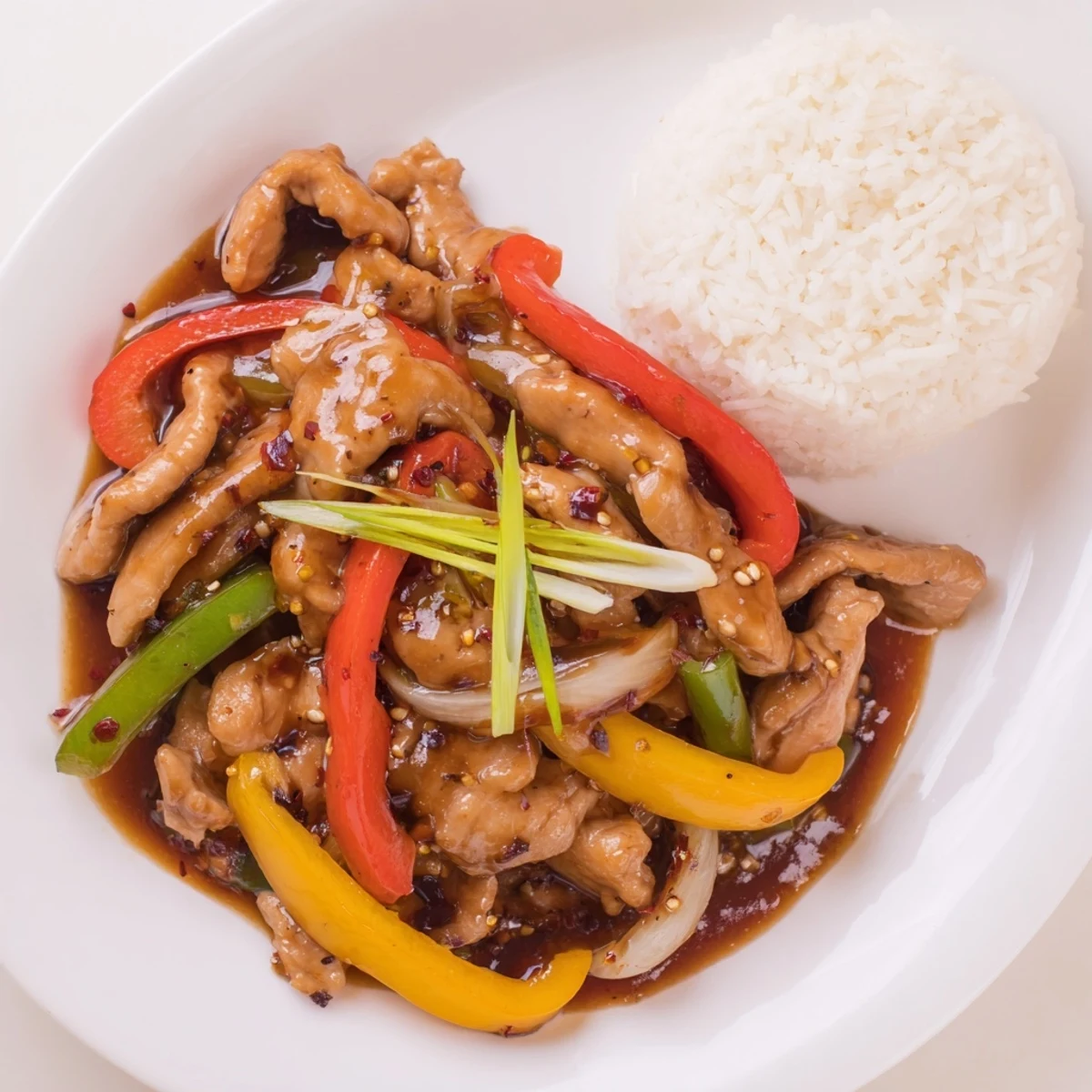
Save The night my roommate called this better than our local takeout spot was the night I stopped keeping delivery apps on my phone.
Swaps and Additions
Snap peas, broccoli florets, or julienned carrots all work in place of one of the bell peppers if you want to change things up. I have thrown in leftover roasted mushrooms on desperate occasions and never regretted it.
What to Serve It With
Jasmine rice is the classic pairing because it soaks up the extra sauce, but brown rice or even thick udon noodles hold their own. A quick cucumber salad with rice vinegar on the side adds a cool crunch that cuts through the richness.
Tools and Timing
A carbon steel wok is ideal but a large heavy skillet does the job, and a wooden spoon or heatproof spatula is really all you need to toss everything together. Slice everything before you turn on the stove because once the heat starts there is no pausing.
- Keep all your prepped ingredients on a plate or in bowls right next to the stove so you can grab them fast.
- A sharp knife makes thin even slices of chicken much easier and safer than a dull one.
- Start your rice or noodles first so everything is ready at the same time.
 Save
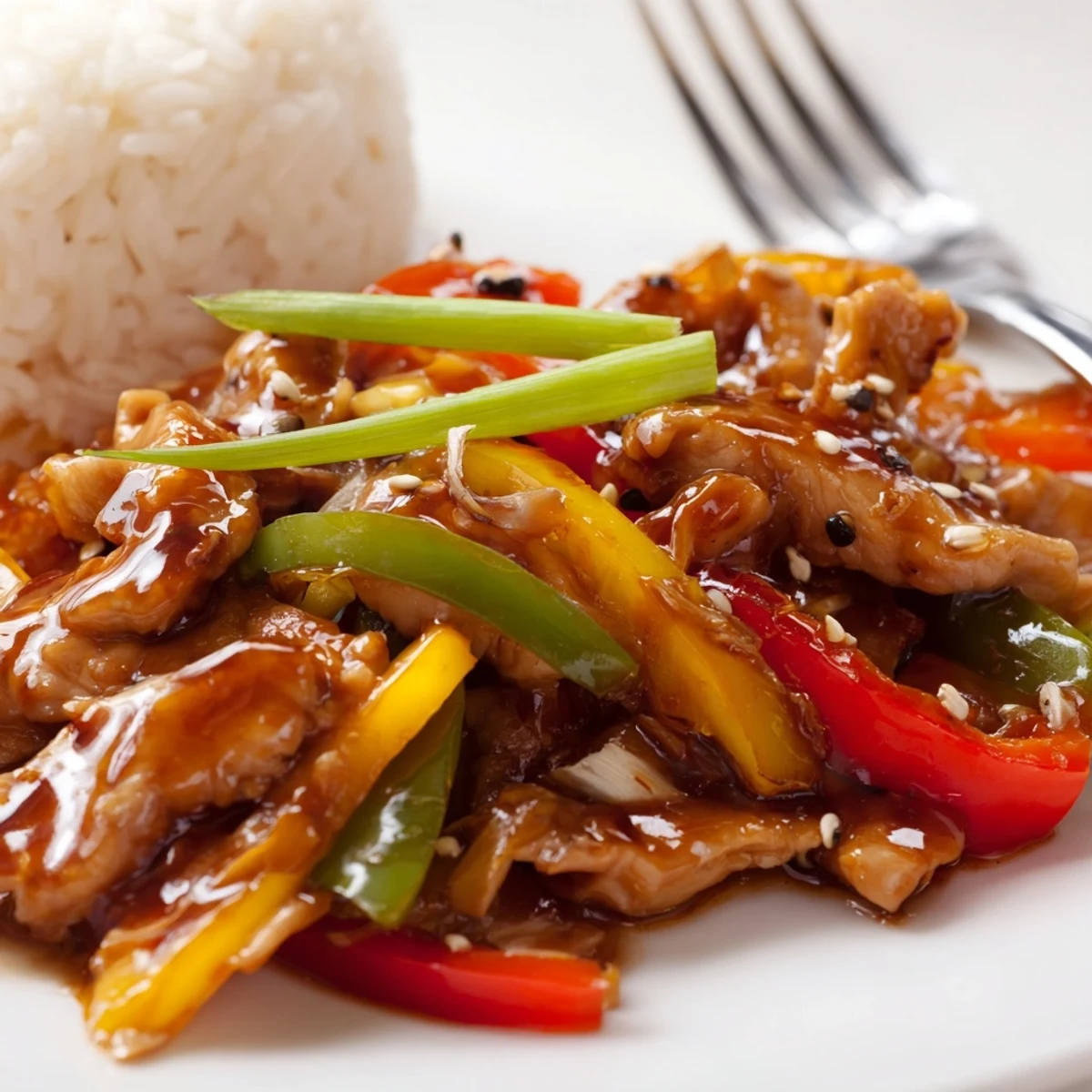
Save This is the kind of recipe that makes you feel capable and resourceful, even on a night when cooking felt like a chore. Keep the ingredients stocked and it will save you more times than you can count.
Recipe FAQs
- → How do I prevent the chicken from drying out?
-
Slice the chicken thinly against the grain for quick, even cooking. Cook over high heat just until opaque, then remove from the pan while you stir-fry the vegetables to avoid overcooking.
- → Can I make the sauce thicker or thinner?
-
Adjust the cornstarch slurry: add a bit more cornstarch mixed with water to thicken, or increase the water/rice vinegar slightly for a looser glaze. Add slurry at the end and let it bubble until glossy.
- → What swaps work well for the bell peppers?
-
Snap peas, broccoli florets, thinly sliced carrots or snow peas make excellent substitutions and keep a crisp texture when stir-fried briefly.
- → How can I make this gluten-free?
-
Use a certified gluten-free soy sauce or tamari and check that the hoisin and oyster sauces are labeled gluten-free or replace them with gluten-free alternatives like additional tamari and a touch of honey or miso.
- → Is there a substitute for oyster sauce due to shellfish allergies?
-
Replace oyster sauce with a mix of mushroom-based sauce or extra hoisin and soy, and add a small splash of fish-free umami like mushroom soy to mimic the depth without shellfish.
- → What oil is best for stir-frying?
-
Use a neutral, high-smoke-point oil such as vegetable or peanut oil for the initial sear, and finish with a touch of sesame oil for aroma. Avoid butter at high heat.