
 Save
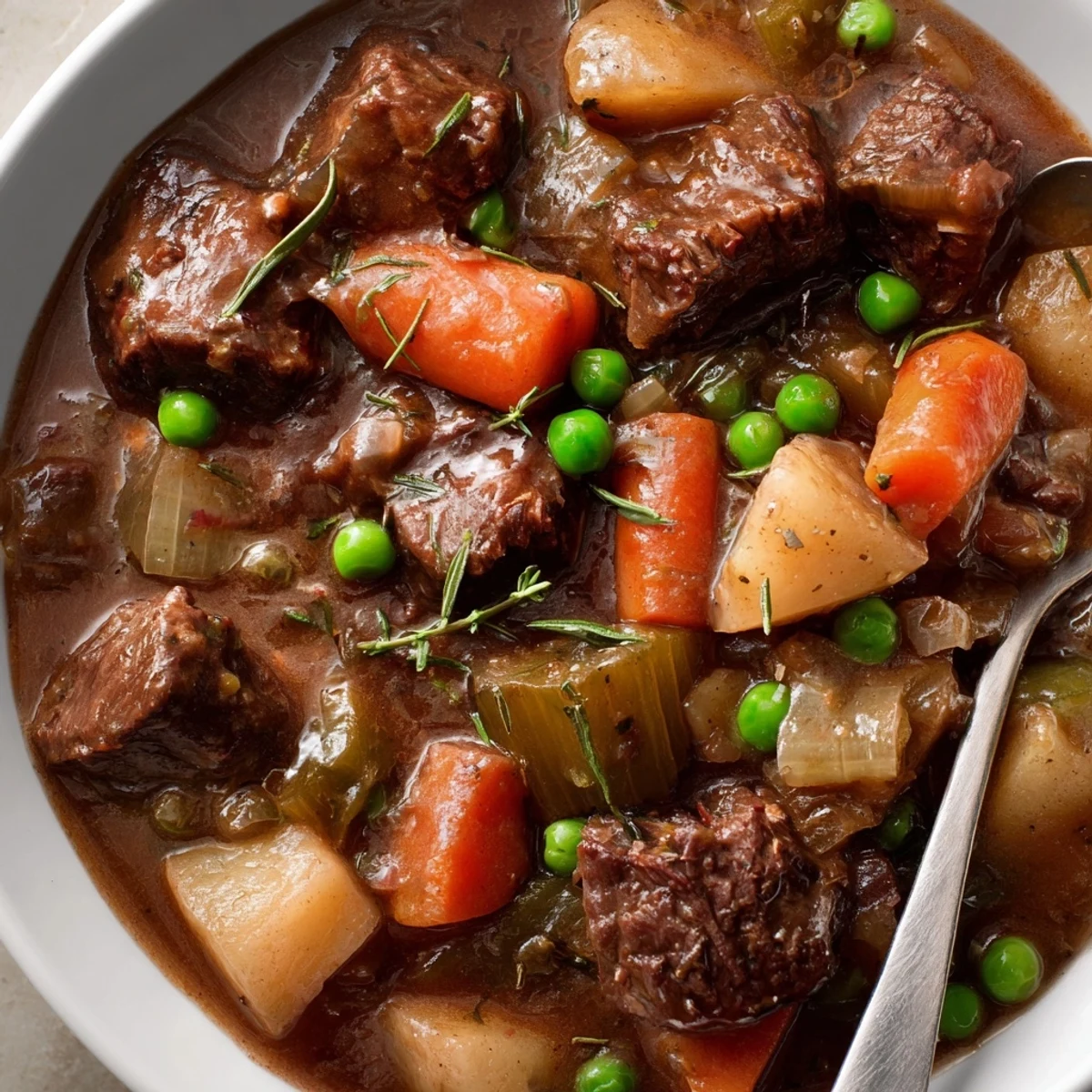
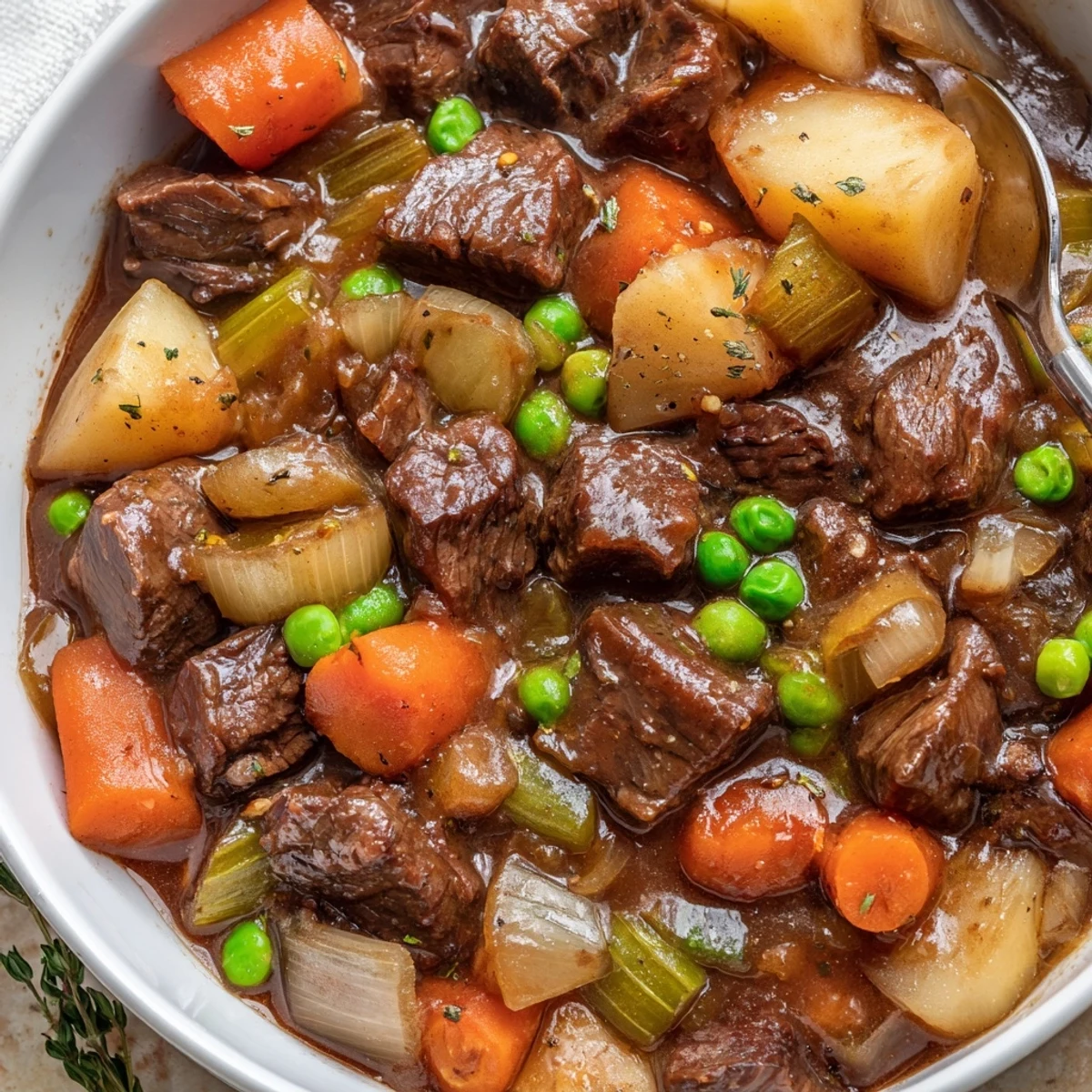
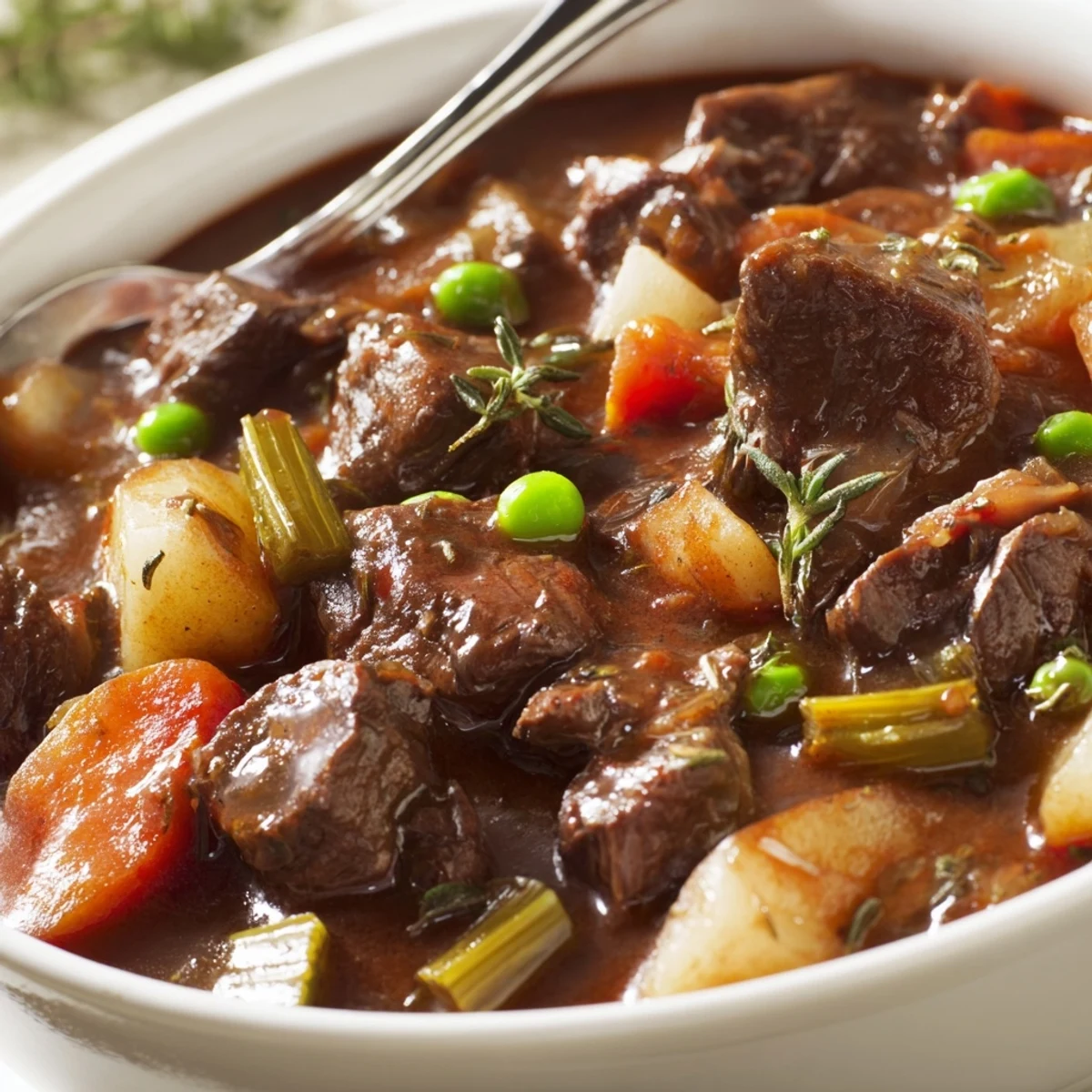
Save This hearty beef stew starts with well-browned chuck, seared to develop deep flavor, then joined by onions, garlic, carrots, potatoes and bay leaves. Red wine and beef stock simmer slowly with tomato paste and thyme until the meat is tender and the broth thickens. Finish with peas, adjust seasoning, and serve with crusty bread or buttered noodles for a comforting meal.
The rain was hammering against the kitchen window so hard that Tuesday evening that cooking anything less than a pot of stew felt like giving up. I had a chuck roast in the fridge that had been staring at me for two days, and the smell of browning beef finally drove the damp chill out of the house. My grandmother used to say stew is patience in a bowl, and she was right about that and almost nothing else. This beef stew has been my cold weather anchor ever since.
My friend David walked in once while I was browning the beef and stood over the pot inhaling like it was perfume. He stayed for three bowls and left with a container of leftovers tucked under his arm, grinning like he had gotten away with something.
Ingredients
- Beef chuck (2 lbs, cut into 1.5 inch cubes): Chuck is the undisputed king of stew meat because its marbling breaks down into silk over a long simmer.
- Carrots (4 medium, peeled and sliced): They add sweetness that balances the savory depth of the broth.
- Potatoes (3 large, peeled and diced): Russets or Yukon Golds both work, but Yukons hold their shape a bit better.
- Celery (2 stalks, sliced): An underrated team player that brings a quiet earthiness to every spoonful.
- Onion (1 large, chopped): The foundation of flavor, so do not skimp on sautéing it properly.
- Garlic (3 cloves, minced): Fresh only, and add it after the onion has softened so it does not burn.
- Frozen peas (1 cup, optional): Stirred in at the end for a pop of green and gentle sweetness.
- Beef stock (3 cups): Low sodium gives you more control over the final seasoning.
- Dry red wine (1 cup): Something you would actually drink, because the flavor concentrates as it cooks down.
- Tomato paste (2 tbsp): A small amount that punches far above its weight in umami.
- Vegetable oil (2 tbsp): A neutral oil with a high smoke point is ideal for searing the beef.
- Salt and black pepper: Season in layers throughout the process rather than all at once.
- Bay leaves (2): Remember to remove them before serving, as they add fragrance but not texture.
- Dried thyme (1 tsp): It pairs naturally with beef and gives the broth a woodsy warmth.
- Paprika (1/2 tsp): A subtle smokiness that rounds out the spice profile without overpowering.
- All purpose flour (2 tbsp): Creates a roux with the tomato paste that thickens the broth beautifully.
Instructions
- Sear the beef in batches:
- Heat the oil in a Dutch oven over medium high heat, season the beef cubes generously, and brown them on all sides without crowding the pot so each piece gets a proper crust.
- Build the flavor base:
- Drop the heat to medium, add the onion and garlic, and sauté until softened and fragrant before stirring in the flour and tomato paste to cook for about a minute.
- Deglaze with wine:
- Pour in the red wine gradually, scraping up every last browned bit stuck to the bottom, because that fond is where the deepest flavor lives.
- Combine and simmer:
- Return the beef to the pot, add the carrots, celery, potatoes, stock, bay leaves, thyme, and paprika, bring everything to a boil, then reduce to low, cover, and let it bubble gently for two hours.
- Finish with peas:
- Take off the lid, stir in the frozen peas, and simmer uncovered for fifteen more minutes until the vegetables are fork tender and the broth coats the back of a spoon.
- Taste and serve:
- Fish out the bay leaves, adjust the salt and pepper to your liking, and ladle it into deep bowls while steam is still rising.
 Save
Save One snowy Saturday I made a double batch and brought it to my neighbor Helen, who had just come home from the hospital. She called me that night and said it was the first thing in a week that tasted like real food, and I decided right then that this stew was staying in my rotation forever.
Serving Suggestions That Actually Work
Crusty sourdough is the obvious move, and it is obvious for a reason, because tearing off a chunk and dragging it through the broth is half the experience. Over buttered egg noodles it becomes something closer to a meal your childhood self would have devoured without complaint.
Making It Ahead
This stew improves dramatically overnight as the flavors settle and marry in the fridge, making it the ideal make ahead dinner for a busy week. Cool it completely before storing and reheat it gently on the stove rather than the microwave so the beef stays tender.
Getting the Texture Right
The difference between a good stew and a great one often comes down to how the broth coats your spoon at the end.
- If the broth is too thin, let it simmer uncovered a few extra minutes to reduce and concentrate.
- If it gets too thick, a splash of warm stock stirred in at the end brings it back effortlessly.
- Always remember that it will thicken further as it cools, so stop just shy of where you think you want it.
 Save
Save Some recipes come and go with trends, but a pot of beef stew on a cold evening is a reason to stay home and eat well. Keep this one close, because you will come back to it every single year.
Recipe FAQs
- → What cut of beef works best?
-
Choose well-marbled chuck or braising cuts. They break down during long, slow simmering and yield tender, flavorful pieces without drying out.
- → How do I get a deep, brown sear on the meat?
-
Pat the cubes dry and season before searing. Brown in batches over medium-high heat without crowding the pot so fond forms; those browned bits add rich flavor when deglazed.
- → What are good thickening options?
-
Stir in a little all-purpose flour after softening the aromatics, or add a cornstarch slurry at the end for a gluten-free option. Reducing the liquid concentrates body and flavor, too.
- → Can this be made ahead or frozen?
-
Yes. Cool fully, refrigerate up to 3 days or freeze up to 3 months. Reheat gently until hot and adjust seasoning; flavors often deepen after resting overnight.
- → How can I replace the wine?
-
Omit the wine and use extra beef stock with a splash of vinegar or a little balsamic to mimic acidity and depth without alcohol.
- → What should I serve alongside?
-
Serve with crusty bread to soak up the broth, over buttered egg noodles, or alongside mashed potatoes. A sprinkle of fresh parsley brightens the dish.