
 Save
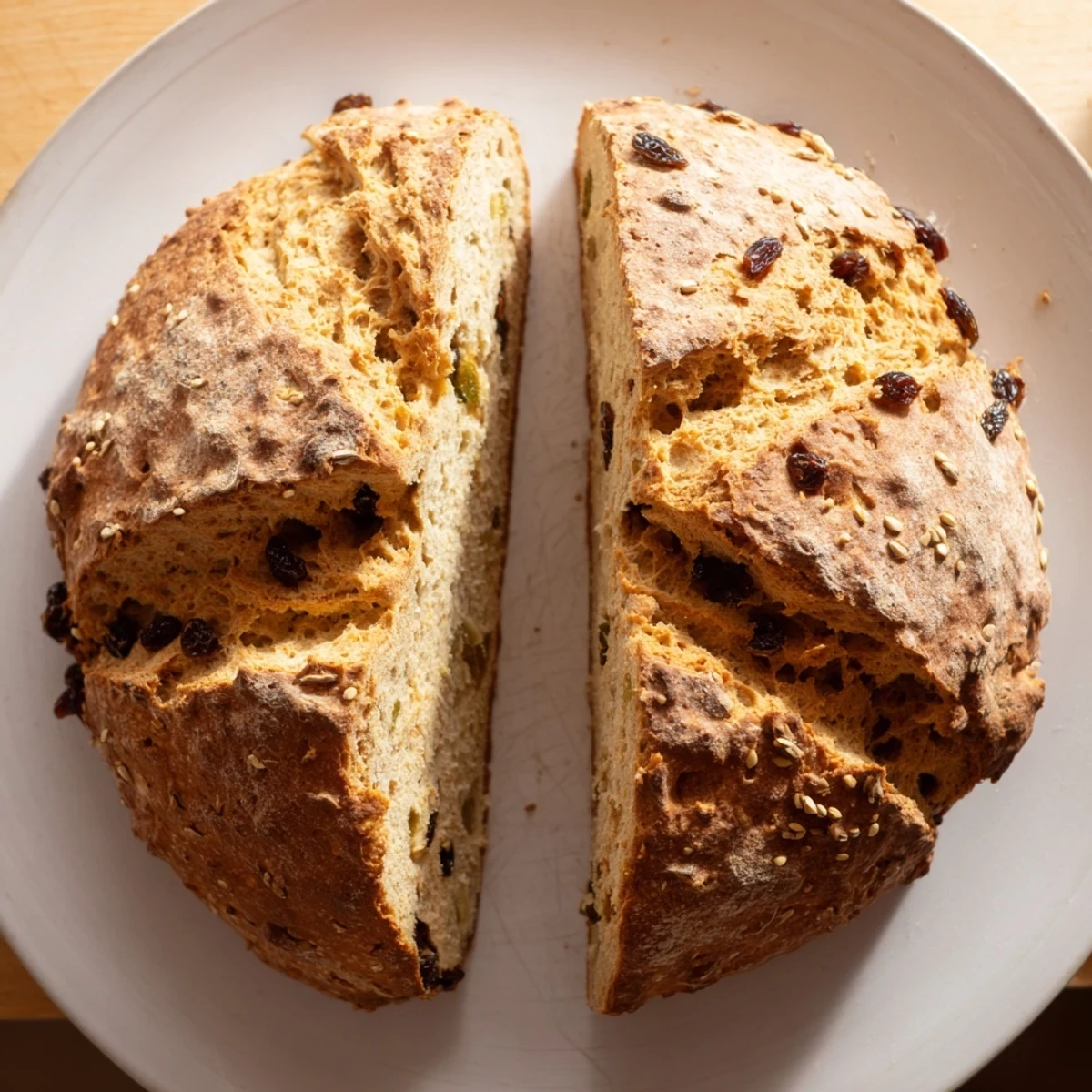
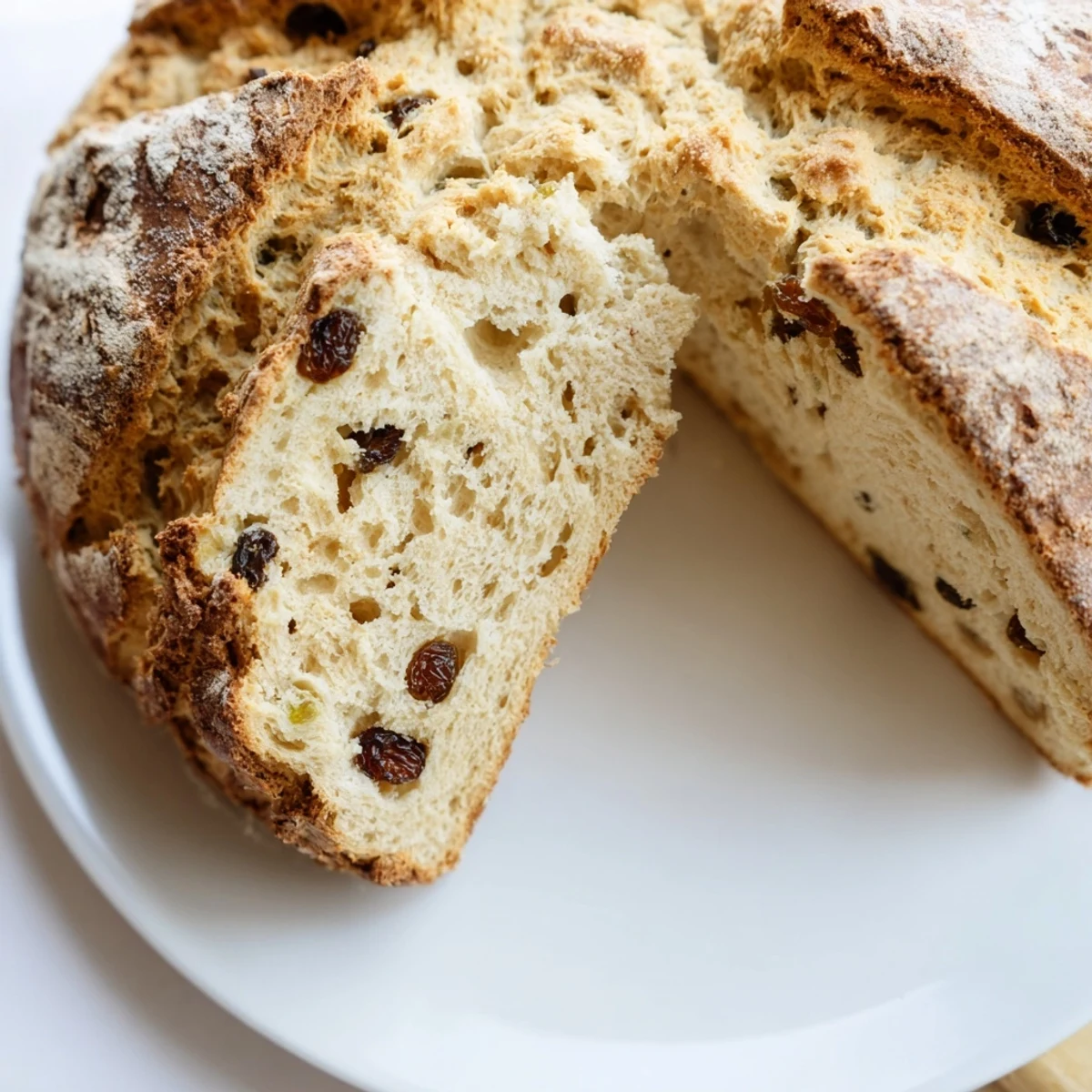
Save This Irish soda bread combines the tang of buttermilk with the warm aroma of caraway seeds, creating a lightly sweetened, rustic loaf. Easy to prepare and quick to bake, it offers a hearty texture ideal for serving alongside soups or with butter and jam. Optional raisins add a subtle sweetness, while a sharp cross-cut on top ensures an even bake and characteristic look. This bread is best enjoyed fresh but can be toasted later for added flavor.
My grandmother never measured anything when she made soda bread, but she always said the dough should feel "like a baby's cheek." I spent years trying to decode that wisdom until I finally understood she meant just-right shaggy softness, not smooth elasticity. Now whenever that distinctive caraway fragrance fills my kitchen, I'm transported back to her tiny cottage kitchen where rain tapped against the windows and the oven hummed its steady promise.
Last winter during a terrible storm that knocked out our power for three days, this bread became our daily ritual. My neighbor texted that she could smell it baking from down the street and ended up bringing over homemade butter. We ate warm slices by candlelight while the kids played board games on the floor, and suddenly being snowed in felt like a gift instead of a burden.
Ingredients
- 4 cups all-purpose flour: I always spoon and level my flour instead of scooping directly, which prevents dense bread that weighs more than it should
- 1/4 cup granulated sugar: Just enough to balance the tangy buttermilk and make this feel special without turning it into cake
- 1 1/2 tsp baking soda: This is your leavening agent so make sure its fresh and not expired for proper rise
- 1 1/2 tsp kosher salt: Kosing salt dissolves beautifully and enhances all the other flavors without being salty
- 2 tbsp caraway seeds: These tiny seeds pack enormous flavor and define this breads signature taste
- 1 3/4 cups buttermilk: The acidity activates the baking soda and creates that characteristic soda bread texture
- 1 large egg: Adds structure and richness that helps the bread hold together beautifully when sliced
- 4 tbsp unsalted butter melted: Melted and cooled butter incorporates more evenly than softened butter
- 3/4 cup raisins or currants: Completely optional but my grandmothers secret addition for extra sweetness
Instructions
- Preheat your oven:
- Get your oven to 425°F and line a baking sheet while the oven transforms into a properly hot space that will give your bread its initial oven spring
- Whisk the dry ingredients:
- In a large bowl combine the flour sugar baking soda salt and caraway seeds until theyre evenly distributed and the caraways scent is released
- Add the fruit if using:
- Toss in the raisins or currants now so they get coated in flour which keeps them from sinking to the bottom during baking
- Mix the wet ingredients:
- In a separate bowl whisk together the buttermilk beaten egg and melted butter until they form a smooth golden mixture
- Bring it together:
- Make a well in the center of your dry ingredients pour in the wet mixture and mix gently with a wooden spoon until a shaggy dough forms
- Knead briefly:
- Turn onto a floured surface and knead just 10 to 12 turns barely enough to bring it together because overworking makes soda bread tough
- Shape the loaf:
- Form the dough into a round about 7 inches across and transfer to your prepared baking sheet
- Score the top:
- Use your sharpest knife to cut a deep X across the top which helps the bread bake evenly and creates that classic Irish soda bread appearance
- Bake until golden:
- Bake for 35 to 40 minutes until the crust is deep golden brown and the bottom sounds hollow when you give it a confident tap
- Cool completely:
- Let it rest on a wire rack for at least 30 minutes because cutting into hot bread ruins the texture and traps moisture inside
 Save
Save This bread has become my go-to for new neighbors and families who need a little comfort. Something about handing someone a warm loaf wrapped in a clean kitchen towel feels like giving them more than just food. Last spring I brought some to a friend recovering from surgery and she texted three days later asking for the recipe because her husband was already requesting it again.
Getting That Perfect Rise
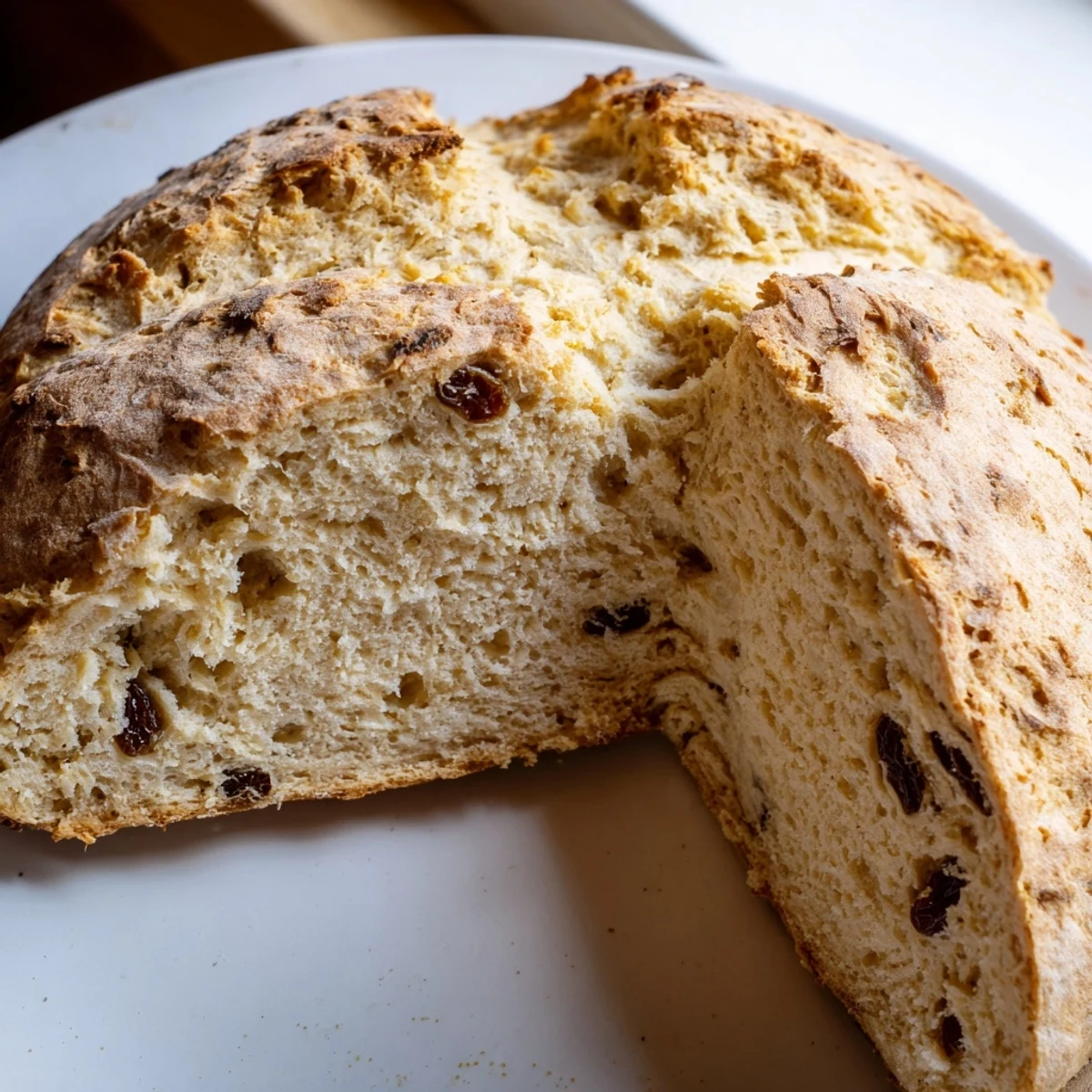
The secret to impressive height is handling the dough as little as possible once the wet and dry ingredients meet. Every additional fold or overenthusiastic knead activates more gluten which makes soda bread dense and heavy instead of tender and light. Think firm but gentle handling like youre tucking in a blanket rather than wrestling it into submission.
The Caraway Question
Some people swear by caraway seeds while others tolerate them at best but Ive found that toasting them for two minutes in a dry pan before adding them to the flour makes all the difference. The heat releases their essential oils and mellows what some find too harsh or medicinal about their flavor. If you are team anti caraway try fennel seeds or simply omit them entirely for a sweeter loaf.
Storage and Refreshing
Soda bread is at its absolute best the day it is baked but leftover slices can be revived with a quick toast or a 10 minute warm up in a moderate oven. I wrap leftover loaves in a clean kitchen towel rather than plastic which lets the bread breathe slightly and prevents that soggy crust that happens when moisture gets trapped. Any bread older than two days makes incredible breadcrumbs or croutons so nothing ever goes to waste.
- Freeze whole baked loaves wrapped tightly in foil and thaw at room temperature for best results
- Revive day old slices by sprinkling them with water and warming for 5 minutes at 350°F
- Stale soda bread makes the most luxurious bread pudding you will ever taste
 Save
Save There is something profoundly satisfying about a bread that requires no patience no proofing no waiting game. Just simple honest ingredients mixed with your own hands and baked into something nourishing. Maybe that is why this recipe has survived generations unchanged.
Recipe FAQs
- → What gives this bread its unique flavor?
-
The combination of tangy buttermilk and aromatic caraway seeds creates the distinctive flavor profile of this bread.
- → Can I substitute whole wheat flour in this loaf?
-
Yes, replacing half of the all-purpose flour with whole wheat flour adds a nuttier flavor and denser texture.
- → How do I know when the bread is fully baked?
-
The bread is golden brown and sounds hollow when tapped on the bottom, indicating it's fully baked.
- → What is the purpose of cutting a deep X on the loaf?
-
The deep X helps the loaf expand evenly during baking and gives it the traditional appearance.
- → Can I add dried fruits for extra flavor?
-
Yes, stirring in raisins or currants before baking adds a subtle sweetness and texture contrast.