
 Save
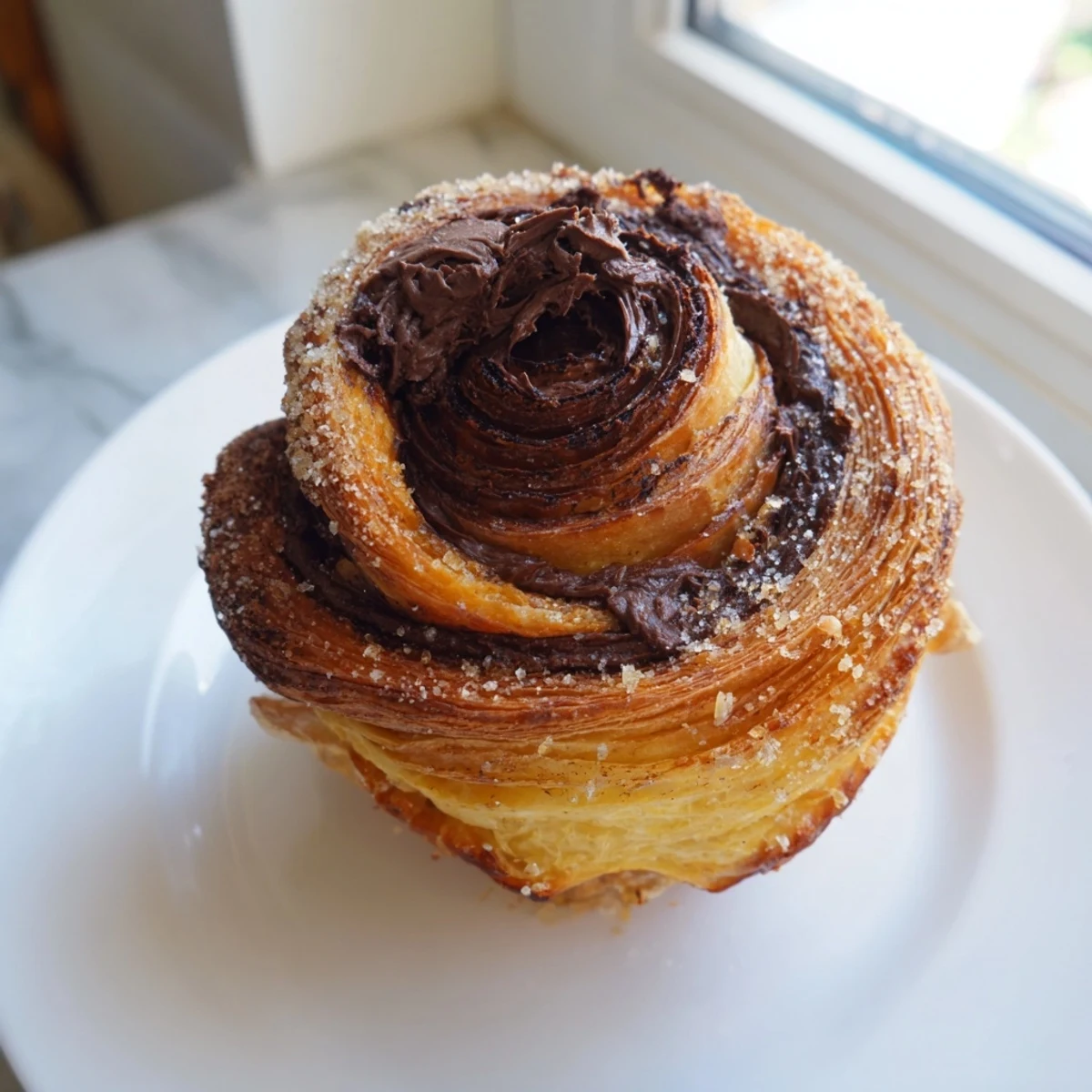
Save Cruffins combine the laminated, flaky layers of a croissant with the charming shape of a muffin. Made by folding butter into a yeasted dough through multiple turns, these golden pastries develop an irresistible texture.
The dough is rolled, cut into strips, filled if desired, then twisted into muffin tins. After a final rise, they bake into deep golden, buttery spirals perfect for rolling in cinnamon sugar or filling with chocolate spread, fruit preserves, lemon curd, or pastry cream.
Plan ahead for rising and chilling time — about 3 hours total — but the hands-on work is straightforward and deeply rewarding.
My kitchen counter was dusted white with flour at seven in the morning, a scene that would have horrified my neat-freak tendencies any other day but somehow felt perfectly right. The idea of cramming croissant layers into a muffin tin struck me as either genius or disaster, and I genuinely was not sure which until I pulled the first golden, spiraling beauty from the oven. Cruffins occupy that magical space where baking turns into a small act of rebellion against categorization. They are part pastry, part showmanship, entirely worth every fold and chill.
I brought a batch of cinnamon sugar cruffins to a friends Sunday brunch and watched three grown adults abandon conversation mid-sentence just to reach for seconds. That silence, forks hovering over plates, told me everything I needed to know about whether this recipe was worth repeating.
Ingredients
- 500 g all-purpose flour: Provides the sturdy backbone needed to hold up against all those buttery folds without tearing.
- 60 g granulated sugar: Just enough sweetness to let the dough stand on its own, even without filling.
- 10 g instant dry yeast: Gives the dough its initial lift so your cruffins puff beautifully in the tin.
- 10 g fine sea salt: Balances the sugar and enhances every layer of butter flavor throughout.
- 250 ml warm milk: Should feel like a comfortable bath for your finger, not hot enough to kill the yeast.
- 1 large egg: Enriches the dough and helps bind everything into a silky, cooperative mass.
- 50 g unsalted butter, softened: This gets kneaded directly into the dough for tenderness before lamination even begins.
- 200 g unsalted butter, room temperature: The star of your butter layer, so buy the best quality you can find.
- 100 g sugar and 2 tsp cinnamon: Rolling warm cruffins in this mixture creates an irresistible crystallized crust.
- 120 g chocolate spread: A thin smear inside each spiral melts into gooey pockets during baking.
- 100 g fruit preserves or jam: Raspberry or apricot work especially well as a tart contrast to the rich dough.
- Lemon curd, Nutella, or pastry cream: Pipe these into finished cruffins for a bakery-level presentation that impresses every time.
Instructions
- Build the Dough:
- Combine the flour, sugar, yeast, and salt in a large bowl, then pour in the warm milk mixed with the egg. Work in the softened butter and knead for about eight to ten minutes until the dough feels smooth and springs back gently under your palm. Cover the bowl and let it rise in a warm spot for one hour until it has roughly doubled in size.
- Prepare the Butter Block:
- Roll your room temperature butter between sheets of parchment into a neat rectangle about twenty by twenty-five centimeters. Pop it into the fridge until it is firm but still bends without cracking when you give it a gentle press.
- Laminate with Patience:
- Roll the risen dough into a large rectangle roughly forty by thirty centimeters, then lay the butter block over one half and fold the dough over to enclose it completely. Roll everything out gently and fold it into thirds like a letter, then chill for twenty minutes. Repeat this rolling and folding twice more, chilling between each turn to keep the butter from melting into the layers.
- Shape and Fill:
- Roll the laminated dough into another large rectangle and trim the edges so they are clean and even. Cut the dough into twelve long strips and spread a thin layer of chocolate, jam, or whatever filling you have chosen onto each one.
- Spiral and Twist:
- Roll each strip tightly into a spiral, then slice it lengthwise down the middle to expose those gorgeous layered interiors. Twist each half into a loose, informal knot and tuck it cut side up into a generously greased muffin tin cavity.
- Let Them Puff:
- Cover the tin loosely and let the shaped cruffins rise for about forty-five to sixty minutes until they look visibly swollen and soft. This final proof is what gives you that tender, airy crumb inside all those flaky rings.
- Bake to Golden Glory:
- Preheat your oven to two hundred degrees Celsius and bake the cruffins for twenty to twenty-five minutes until they turn a deep, burnished gold. The kitchen will smell absolutely incredible right around the eighteen minute mark, which is your cue to start watching closely.
- Finish with Flair:
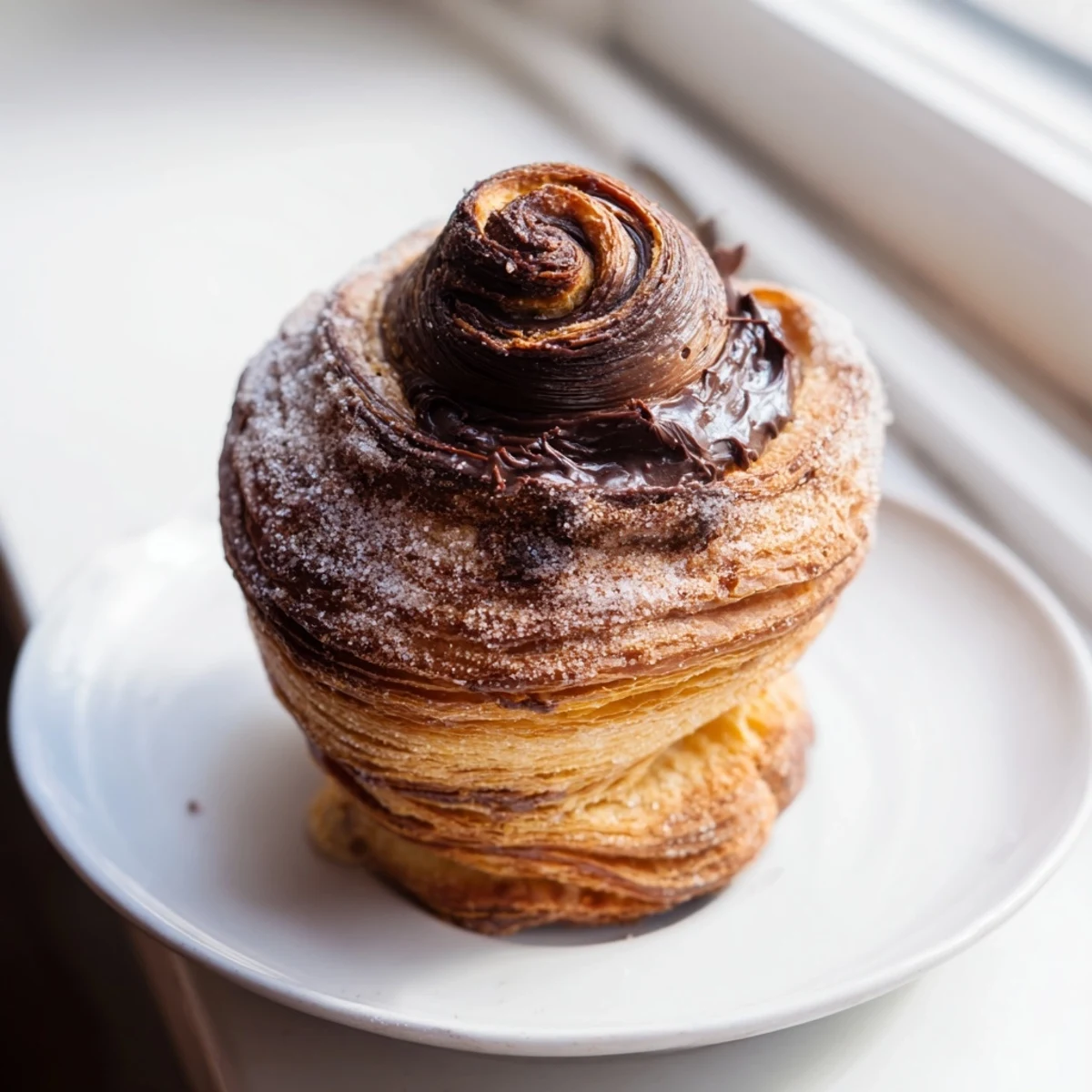
- Brush the warm cruffins with melted butter and roll them in cinnamon sugar while they are still hot so the coating adheres properly. Let them cool on a rack, or fill them with lemon curd, Nutella, or pastry cream using a piping bag for extra indulgence.
 Save
Save There is something oddly meditative about the folding and chilling rhythm of lamination once you stop fighting it. I found myself actually looking forward to each twenty minute rest as an excuse to sit with a cup of coffee and watch the dough relax alongside me.
The Real Talk About Lamination
Your first batch might look a little rustic, and that is perfectly fine because flavor forgives imperfect layers every single time. The butter will occasionally poke through or the dough might resist stretching evenly, but those imperfections disappear once the cruffins hit the oven and puff into golden spirals. What matters most is keeping everything cold and working with confidence rather than hesitation.
Mixing Up Fillings and Toppings
Pistachio paste and raspberry jam are two unexpected fillings that elevate cruffins from delightful to completely unforgettable. A dusting of powdered sugar or a drizzle of simple glaze over the top right before serving gives them a finished, bakery window appeal without much effort at all.
Storage and Day Two Strategy
Cruffins are undeniably at their peak within hours of baking, when the exterior still shatters and the interior practically dissolves on your tongue. That said, a brief warm-up in a low oven the next morning brings back enough of that fresh-baked magic to make them genuinely enjoyable again.
- Wrap any leftovers tightly in foil before storing them at room temperature.
- Avoid refrigerating them because the cold will make the layers go soggy and dense.
- Always reheat gently at about one hundred fifty degrees Celsius for five minutes before serving day-old cruffins.
 Save
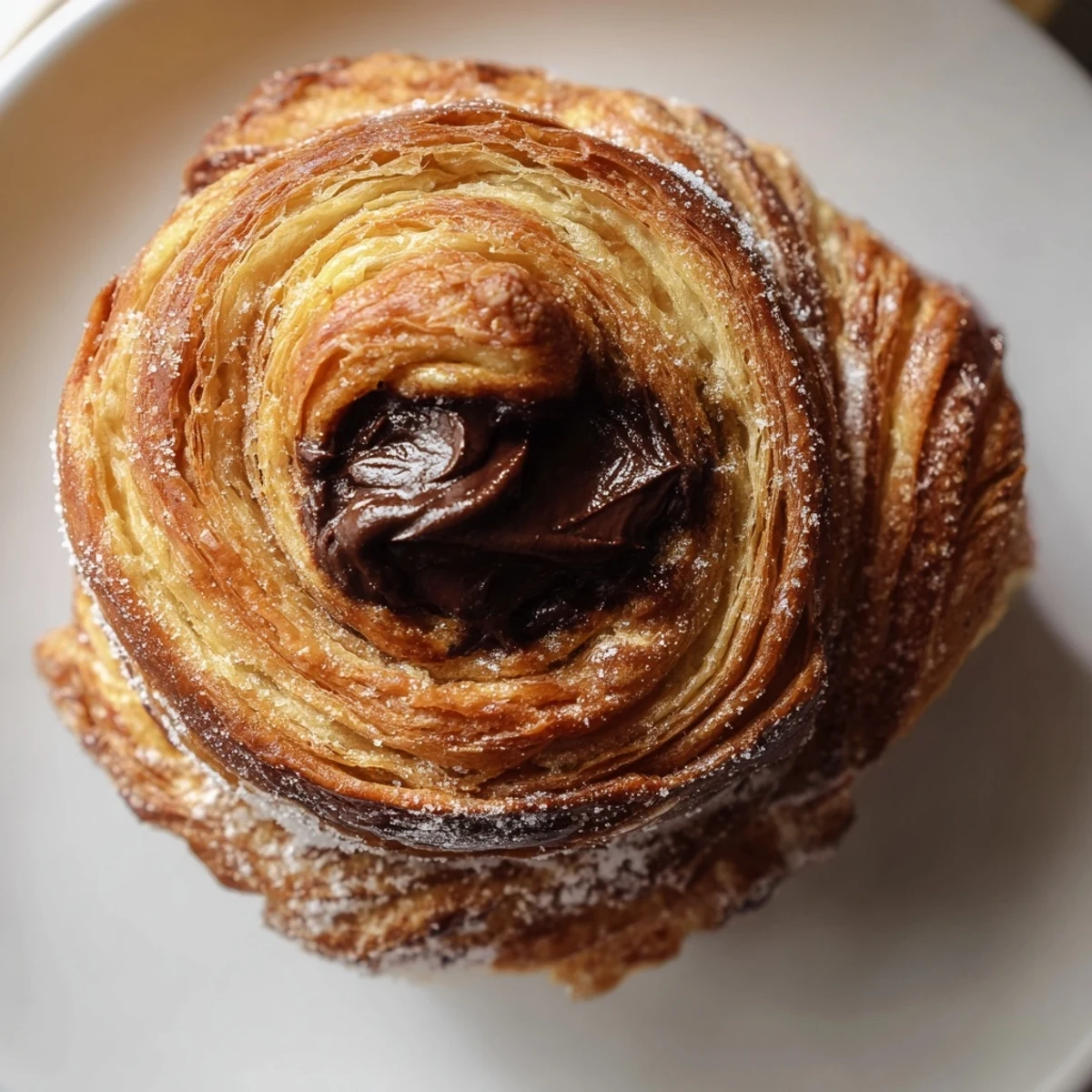
Save Share these warm, with extra napkins nearby, and watch people close their eyes on the first bite. That small moment of silent appreciation is everything a home baker could ever ask for.
Recipe FAQs
- → What is a cruffin?
-
A cruffin is a pastry that merges croissant technique with muffin shape. Laminated yeasted dough is rolled, twisted, and baked in a muffin tin, producing flaky, buttery layers in a portable form.
- → Can I make cruffins ahead of time?
-
Cruffins are best enjoyed the day they are baked. You can prepare the dough through lamination the night before and refrigerate it, then shape and bake fresh in the morning.
- → Why does the butter need to be cold during lamination?
-
Cold butter stays in distinct layers within the dough rather than melting into it. During baking, steam from the butter creates those signature flaky, separated layers.
- → What fillings work best for cruffins?
-
Chocolate spread, fruit preserves, lemon curd, Nutella, pistachio paste, raspberry jam, and pastry cream all work beautifully. Spread a thin layer on the dough strips before rolling for even distribution.
- → Can I freeze cruffins?
-
Yes, you can freeze baked cruffins in an airtight container for up to one month. Reheat in a warm oven to restore some of the flakiness, though fresh-baked will always be superior.
- → Why did my cruffins lose their shape?
-
This usually happens if the butter became too warm during lamination. Keep the dough chilled between folds and work quickly. Also ensure your final rise is complete — under-proofed dough can collapse in the oven.