
 Save
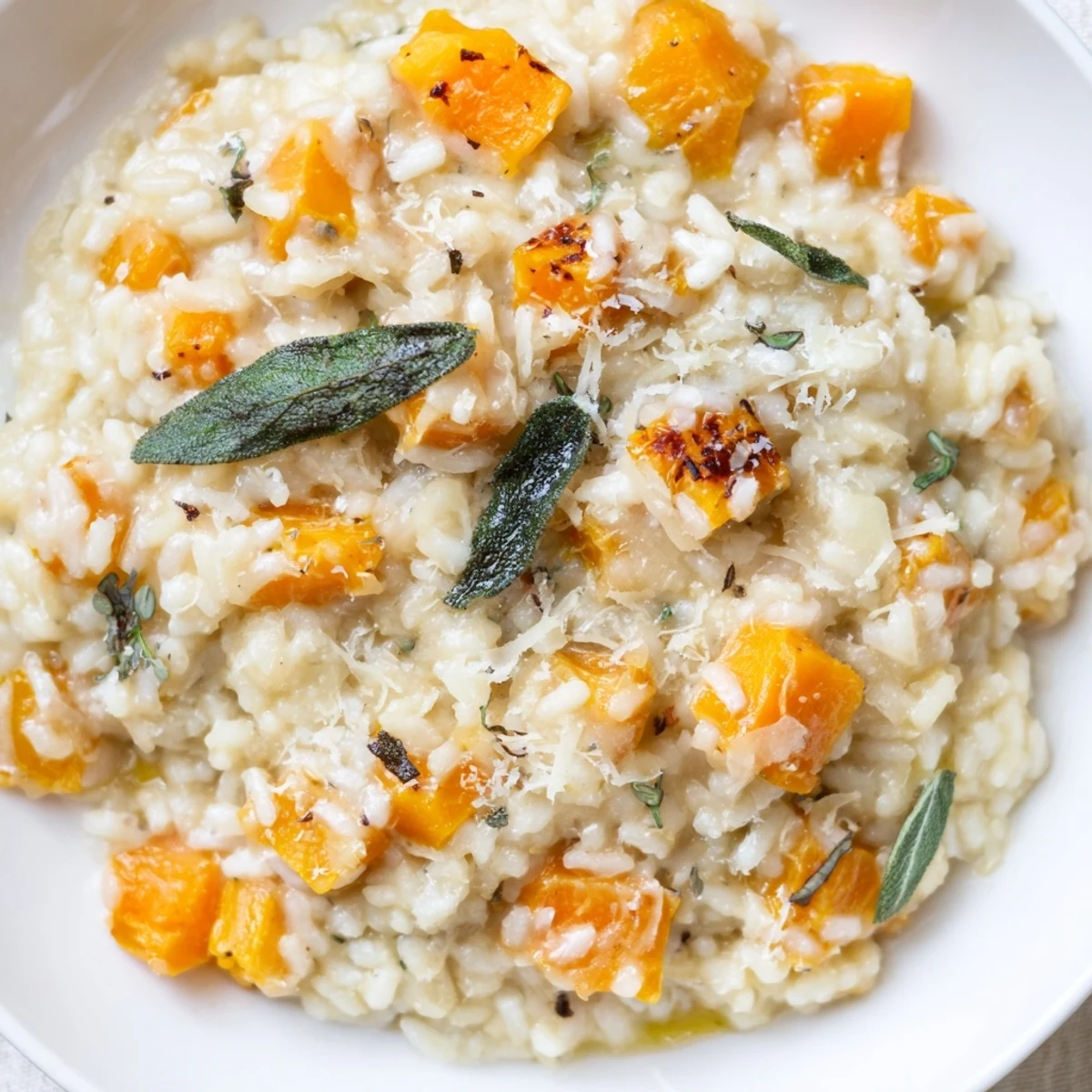
Save This comforting winter squash risotto combines tender diced squash with aromatic sage and nutty Parmesan cheese for a creamy texture. The dish starts by sautéing onions and garlic, followed by cooking Arborio rice in white wine and warm vegetable broth until creamy and al dente. Fresh sage and cheese finish the blend, delivering a rich, savory flavor perfect for chilly days. Optional cream adds extra richness and the versatility to adjust seasoning makes it a delightful seasonal meal.
The first snowfall had just started dusting the windowsills when I decided risotto was the only logical response to the dropping temperatures outside. I had a butternut squash sitting on the counter that I'd bought on impulse at the farmers market, its sweet flesh practically begging to be transformed into something creamy and warming. My apartment smelled like sage and butter within minutes, that cozy scent that makes even a Tuesday night feel like a special occasion.
I made this for my sister last winter when she was recovering from a terrible cold, something that felt nourishing but still special enough to lift her spirits. She kept sneaking tastes while I stirred, claiming she was just quality testing, and ended up eating half the pot right from the stove. Now whenever she visits, this is what she requests, standing beside me with a wooden spoon and an expectant look.
Ingredients
- Winter squash: The sweetness of butternut or acorn squash balances perfectly with savory Parmesan. Roast it first if you want even deeper flavor.
- Arborio rice: This short-grain rice releases starch as it cooks, creating that signature creamy texture. Do not rinse it or you will lose the starch you need.
- Vegetable broth: Keep it warm in a separate pot. Adding cold broth shocks the rice and ruins the texture.
- White wine: Dry wine adds acidity that cuts through the richness. Use something you would actually drink.
- Fresh sage: Woodsy and aromatic, sage is the perfect partner for winter squash. Fresh is absolutely worth it here.
- Parmesan: Grate it yourself. Pre-grated cheese has anti-caking agents that prevent it from melting properly.
Instructions
- Build the base:
- Heat olive oil and one tablespoon butter in a heavy pan. Cook the onion until it softens and turns translucent, about three minutes. You want it sweet, not browned.
- Add the aromatics:
- Stir in garlic and diced squash. Let them cook together until the squash starts to soften and smells fragrant, about five minutes.
- Toast the rice:
- Add Arborio rice and stir constantly for two minutes. The grains should look slightly translucent at the edges and smell nutty.
- Deglaze the pan:
- Pour in white wine and keep stirring until it disappears into the rice. Scr up any browned bits from the bottom.
- The patience phase:
- Add warm broth one ladle at a time, stirring often. Wait until most liquid is absorbed before adding more. This takes twenty to twenty-five minutes.
- The grand finish:
- Stir in sage, remaining butter, Parmesan, and cream if using. The rice should be creamy but still have a slight bite in the center.
- Let it rest:
- Remove from heat, cover, and wait two minutes. This lets the flavors meld and the texture settle.
 Save
Save There's something deeply meditative about standing at the stove, ladling broth and watching rice transform from hard grains into something silky and alive. I've started putting on music while I make risotto now, treating those twenty minutes of stirring as a little gift of quiet time in an otherwise busy day. The rhythm of the spoon against the pan becomes its own kind of therapy.
Mastering the Texture
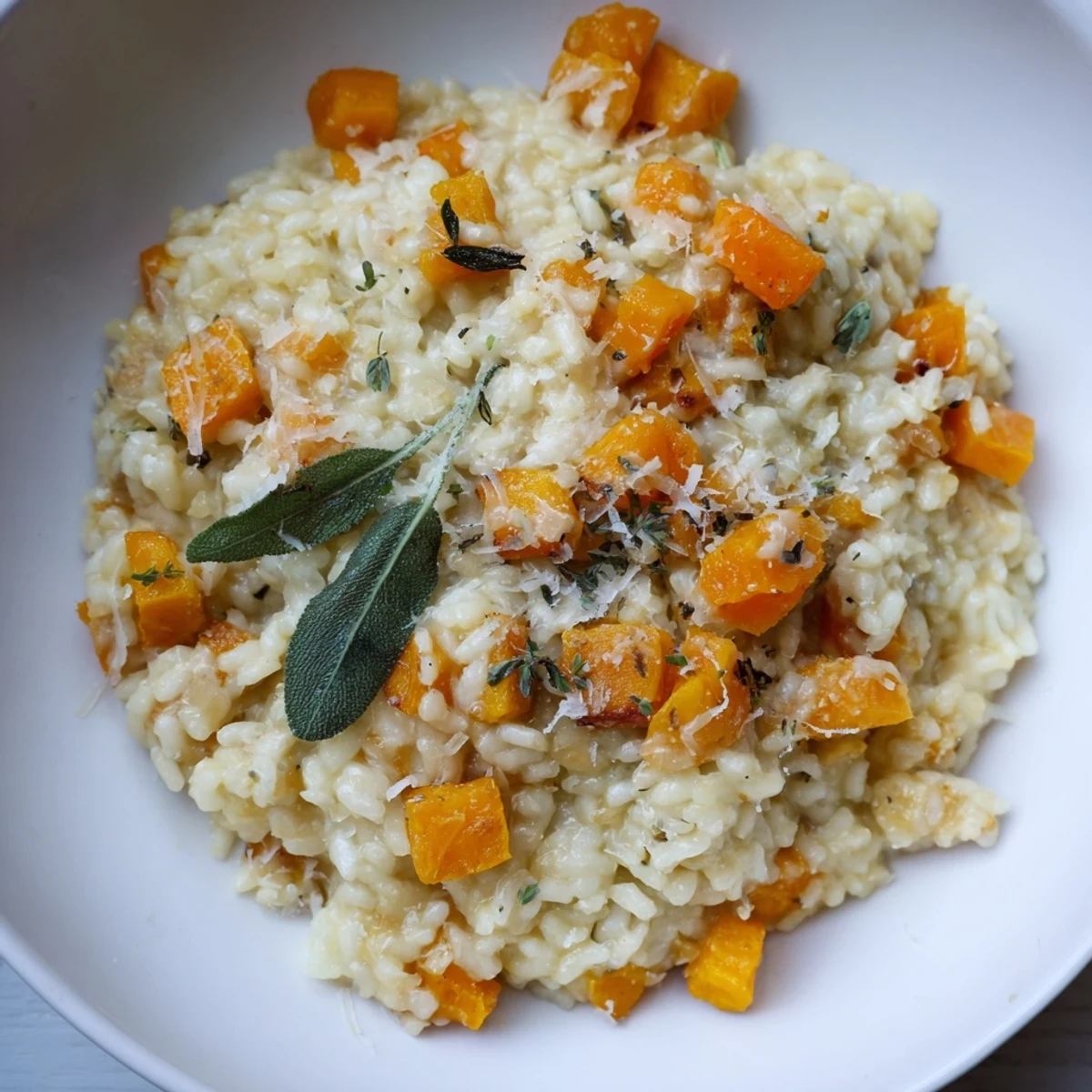
The difference between good risotto and great risotto comes down to knowing when to stop adding liquid. The finished dish should flow slowly when you tilt the pan, not sit stiffly nor run like soup. Trust your instincts more than the timer, and remember that it will continue to thicken as it rests. A proper risotto is what Italians call all'onda, meaning it should have a wave-like movement when you shake the pan.
Wine Pairings
The white wine you cook with matters, so choose something bright and acidic to stand up to the richness. A Pinot Grigio brings crisp apple notes that complement the squash, while a dry Sauvignon Blanc adds grassy complexity. If you prefer red, look for something light and acidic like a Pinot Noir that will not overpower the delicate flavors. The same wine should work beautifully in both the pot and your glass.
Make It Your Own
Once you are comfortable with the basic technique, this risotto becomes a canvas for whatever the season brings. In summer, try asparagus and lemon instead of squash. Mushrooms and thyme make a perfect autumn version. The method stays the same, but the soul of the dish changes completely.
- Swap half the broth for apple cider in autumn for extra sweetness
- Top with toasted walnuts or pumpkin seeds for welcome crunch
- Stir in a handful of spinach at the end for color and nutrition
 Save
Save There's nothing quite like lifting the lid off a steaming pot of risotto on a cold night, the smell of sage and squash rising up like a hug. This is the kind of food that makes people feel taken care of, whether they are recovering from a cold or just returning home after a long week.
Recipe FAQs
- → Can I use different types of squash?
-
Yes, butternut, acorn, kabocha, or delicata squash can be used interchangeably to add varied sweetness and texture.
- → Is roasting the squash necessary?
-
Roasting the squash beforehand enhances its flavor, adding caramelized notes, but you can also cook it directly with the onions and garlic.
- → How do I achieve the creamy consistency?
-
Gradually stirring in warm vegetable broth while cooking the Arborio rice releases starches, creating the classic creamy texture.
- → Can I make this dish vegan?
-
Use plant-based butter and cheese alternatives, and omit heavy cream to adapt this to a vegan diet without losing flavor.
- → What wine pairs well with this dish?
-
A crisp white wine like Pinot Grigio or Sauvignon Blanc complements the creamy risotto and the sweetness of the squash.