
 Save
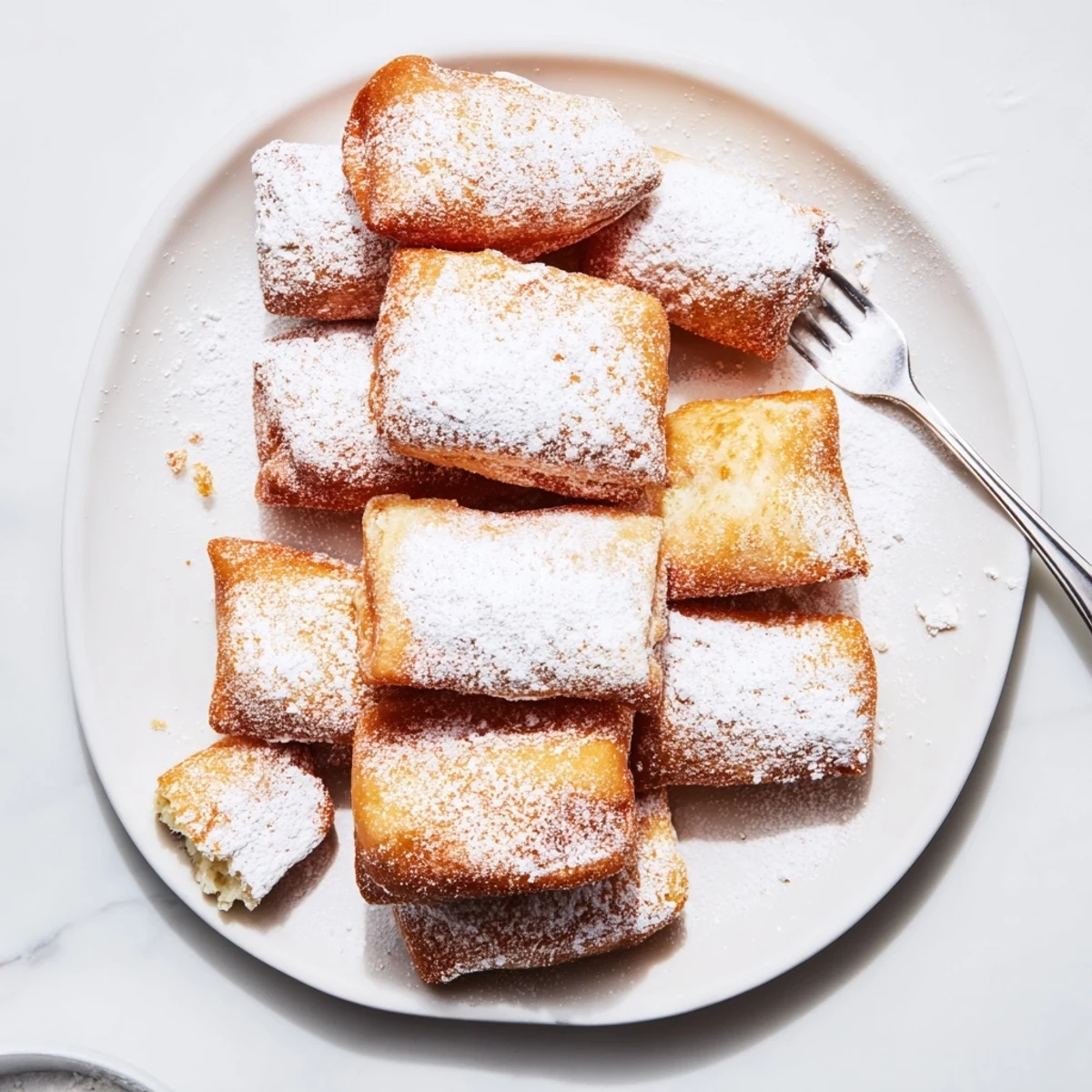
Save These delicate vanilla-infused squares achieve their signature pillow-soft texture through a double-rise process, creating the perfect canvas for deep frying. The dough incorporates warm milk, eggs, and melted butter for richness, while pure vanilla extract adds aromatic depth. Fried until golden and immediately dusted with generous powdered sugar, these pastries deliver the ideal balance of crisp exterior and tender, airy interior reminiscent of New Orleans cafés.
There was this tiny corner café in New Orleans where I first understood that a beignet is basically a edible cloud. The powdered sugar drifted through the air like morning fog, settling on everyone's shirts and conversation. I've been chasing that perfect puff ever since, determined to recreate that magic in my own kitchen.
Last Christmas morning, my sister walked into the kitchen while I was frying a batch and actually teared up at the smell. She said it reminded her of the trip we took to New Orleans together years ago, right before life got complicated and we both moved to different cities. We ate them standing up at the counter, powdered sugar everywhere, catching up on everything we'd missed.
Ingredients
- All-purpose flour: This creates the structure for those beautiful puffy pockets inside
- Granulated sugar: Just enough sweetness to balance the yeast and enhance the vanilla
- Active dry yeast: The magic ingredient that makes the dough rise and creates those air pockets
- Salt: Essential for balancing flavors and strengthening the gluten structure
- Whole milk: Adds richness and helps create that tender crumb texture
- Warm water: Activates the yeast to get that fermentation started
- Eggs: Provide structure and richness while helping the dough hold its shape
- Unsalted butter: Melted and cooled, this adds flavor and tenderness
- Pure vanilla extract: The subtle aromatic twist that makes these special
- Vegetable oil: For deep frying at the right temperature
- Powdered sugar: The classic finishing touch that makes them instantly recognizable
Instructions
- Wake up the yeast:
- Combine warm water and yeast in a small bowl and let it sit for about 5 minutes until it gets foamy and alive
- Mix the dry foundation:
- Whisk together flour, sugar, and salt in your stand mixer bowl
- Bring it all together:
- Add the yeast mixture, lukewarm milk, eggs, melted butter, and vanilla to the flour mixture then mix with the dough hook on medium speed for 5 to 7 minutes until you have a smooth and slightly sticky dough
- Let it rise:
- Transfer the dough to a lightly oiled bowl, cover with plastic wrap, and let it rise in a warm place for 1 to 1.5 hours until it doubles in size
- Roll and cut:
- Punch down the dough, turn it onto a floured surface, roll it out to about half an inch thickness, then cut into 2 inch squares with a sharp knife or pastry cutter
- Second rise:
- Place the squares on a parchment lined baking sheet, cover lightly, and let them rise for another 30 minutes
- Heat the oil:
- Heat vegetable oil in a large heavy bottomed pot until it reaches 350°F
- Fry to golden:
- Fry the beignets in batches for 1 to 2 minutes per side until they are golden brown and beautifully puffed, being careful not to overcrowd the pot
- Drain and dust:
- Remove them with a slotted spoon, drain on paper towels, and while still warm dust them generously with powdered sugar
 Save
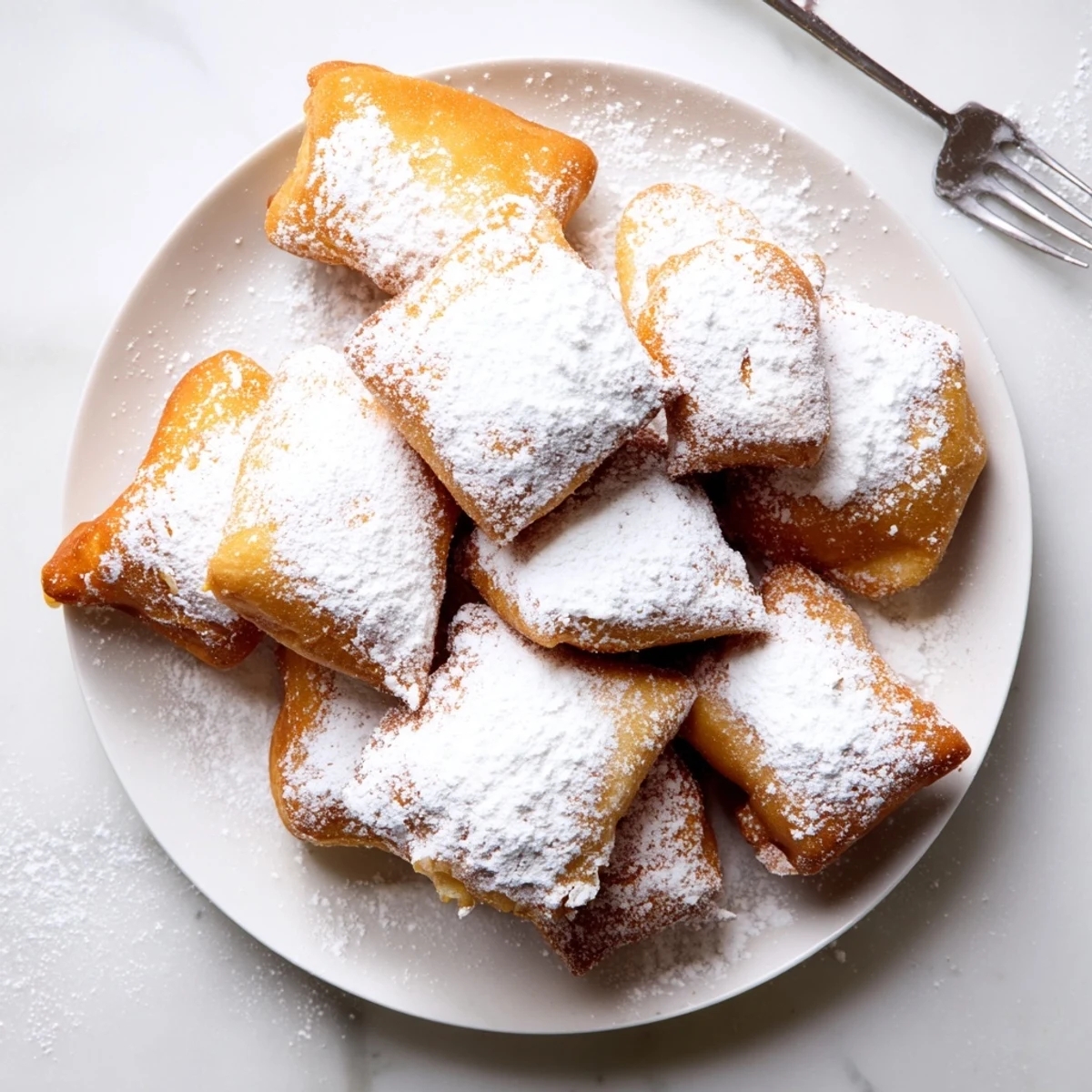
Save My niece now requests these every time she visits, and we've made it our ritual to fry them together on Sunday mornings. She takes the dusting responsibility very seriously, creating these beautiful powdered sugar patterns on each one. Those moments in the kitchen together, watching them puff up in the oil, are better than any breakfast out.
Making Them Ahead
You can actually make the dough the night before and let it do its first rise in the refrigerator. This overnight rest develops wonderful flavor and means you can just roll, cut, and fry in the morning. The cold dough is also easier to work with and holds its shape better during cutting.
Frying Wisdom
A heavy bottomed pot or Dutch oven helps maintain that steady oil temperature that is crucial for perfect beignets. I use a thermometer because guessing has led to too many disappointing batches. Also, never walk away from hot oil, and keep a lid nearby just in case.
Serving Ideas
While these are spectacular on their own, serving them with small bowls of warm chocolate sauce, honey, or fruit preserves takes them to another level. I love setting up a little beignet bar when friends come over.
- Try adding lemon zest to the dough for a bright citrus note
- A pinch of nutmeg in the sugar dusting adds warmth and depth
- Leftovers can be refreshed in a 350°F oven for about 3 minutes
 Save
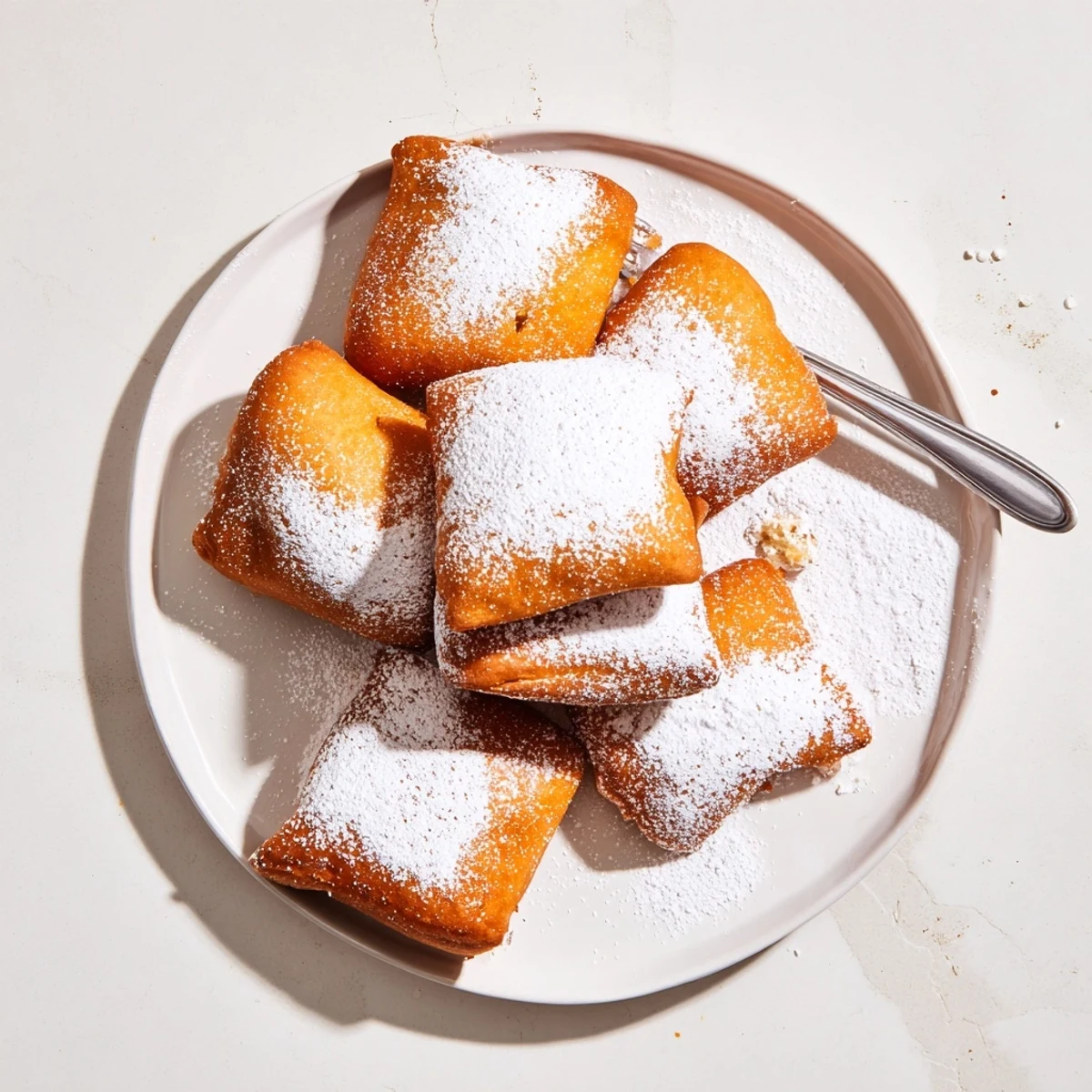
Save There is something deeply satisfying about making something so universally loved in your own kitchen. These beignets have become my go to for bringing people together, one pillowy bite at a time.
Recipe FAQs
- → What makes authentic French beignets different from other fried doughs?
-
Authentic French beignets feature a yeast-raised choux-like dough that creates their signature pillow-soft interior with a crisp, golden exterior. Unlike simpler fried breads, the double-rise process and addition of eggs and butter produce a lighter, more delicate texture that practically melts in your mouth while still maintaining structure.
- → How do I achieve the perfect fluffy texture?
-
The key to fluffy beignets lies in proper yeast activation and patient rising times. Ensure your milk and water are lukewarm (not hot) when dissolving the yeast, and allow the dough to double in size during both rises. Avoid overworking the dough during rolling—gentle handling preserves the air pockets that create that characteristic pillowy texture.
- → What oil temperature works best for frying?
-
Maintain your oil at 350°F (175°C) for optimal results. Too cool, and the beignets will absorb excess oil and become greasy; too hot, and they'll brown outside while remaining raw inside. Use a kitchen thermometer for accuracy, and fry in small batches to prevent temperature drops that affect texture.
- → Can I prepare the dough ahead of time?
-
Absolutely! After the first rise, you can refrigerate the dough overnight for a slow, cold fermentation that actually enhances flavor development. Let the dough come to room temperature for about 30 minutes before rolling and cutting. The second rise will still be necessary after shaping to ensure proper puffiness during frying.
- → What's the best way to reheat leftover beignets?
-
While nothing beats freshly made beignets, leftovers can be revived in a 350°F (175°C) oven for 3-5 minutes until warmed through and slightly crisp. Avoid microwaving, which makes them soggy. You may want to re-dust with powdered sugar after reheating to restore that signature snowy coating and freshly-made appearance.
- → What dipping sauces complement vanilla beignets?
-
Classic pairings include fruit preserves like raspberry or apricot, warm chocolate sauce, or honey for drizzling. For a café-style experience, try dipping in café au lait. The subtle vanilla notes in the dough make these incredibly versatile—creamy caramel, lemon curd, or even a simple vanilla crème anglaise elevate the experience beautifully.