
 Save
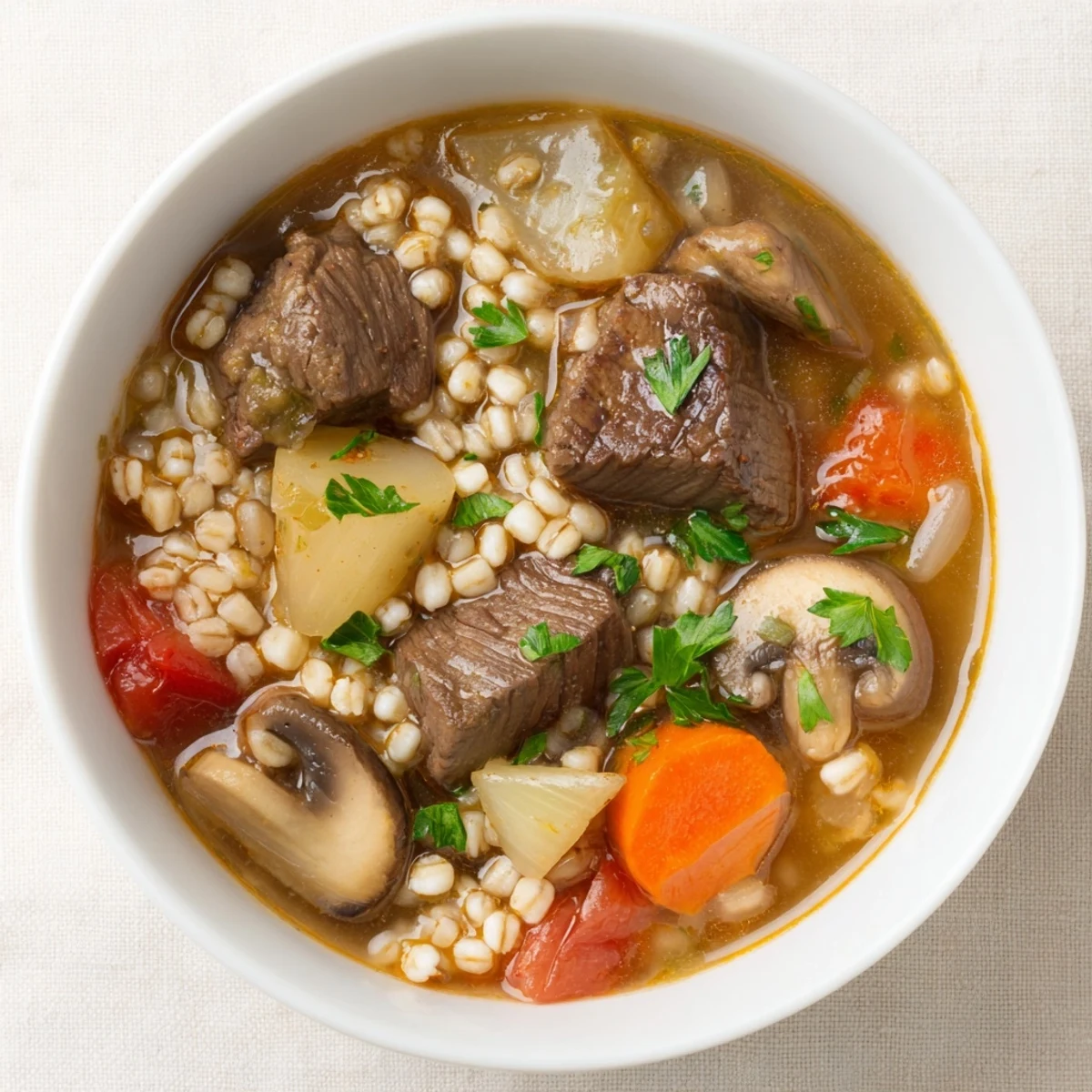
Save This hearty combination features tender beef simmered slowly with pearl barley, sweet parsnips, and a medley of aromatic vegetables including onions, garlic, carrots, and celery. Enhanced with herbs like thyme and rosemary, along with a touch of tomato paste and Worcestershire sauce, this stew delivers deep, comforting flavors. Cooked gently to tender perfection, it's ideal for nourishing, cozy dinners, garnished with fresh parsley to brighten every bite.
There's something about the smell of beef browning in a hot pot that makes you feel like you're doing something real in the kitchen. Years ago, I was at my grandmother's place on a gray November afternoon, watching her build this stew piece by piece—first the meat, then the vegetables, then the patient wait. She never rushed it, and somehow that patience made it taste like home. Now when I make it, I'm transported right back to that kitchen, wooden spoon in hand, waiting for the first bubble of the broth.
I served this to friends during the first real snowfall of the season, and everyone went quiet for a moment after that first spoonful. There's a generosity to a stew like this—it fills you up without being heavy, warms you from the inside, and somehow makes everyone at the table feel taken care of. That's when I knew this wasn't just dinner; it was something I'd be making forever.
Ingredients
- Beef chuck, cut into 1-inch cubes (2 lbs): Chuck has just enough marbling to become incredibly tender during the long simmer, and it won't fall apart like leaner cuts might.
- Olive oil (2 tbsp): High enough heat tolerance to brown the meat properly without burning.
- Onion, diced (1 large): The foundation of flavor—take your time dicing it so it cooks evenly and sweetens into the broth.
- Garlic, minced (2 cloves): Don't skip the mincing; whole cloves get lost in the long cooking.
- Carrots, sliced (3 medium): They soften beautifully and add natural sweetness that balances the savory beef.
- Parsnips, peeled and chopped (2): These are the secret weapon—they're earthier and slightly sweeter than potatoes, adding complexity most people can't quite identify but love.
- Celery stalks, sliced (2): Part of the aromatic trio that builds the base, though it softens so much by the end you mostly taste its essence.
- Cremini or button mushrooms, quartered (1 cup, optional): I add these every time now—they deepen the umami and add a subtle earthiness.
- Diced tomatoes, drained (1 can, 14 oz): Draining them prevents the stew from becoming watery while keeping that bright acidity.
- Pearl barley, rinsed (3/4 cup): Rinsing removes the starch so it doesn't turn everything into glue; it plumps up perfectly over two hours.
- Beef broth, low sodium (6 cups): Low sodium matters here because the stew reduces and concentrates—you control the salt, not the broth.
- Water (1 cup): Dilutes the broth slightly so the beef and barley shine rather than everything tasting like salt.
- Tomato paste (2 tbsp): A spoonful of richness that rounds out all the other flavors.
- Worcestershire sauce (1 tbsp): That subtle tang brings everything into focus.
- Bay leaves (2): Remove them before serving, but they perfume everything while cooking.
- Dried thyme and rosemary (1 tsp each): Dried herbs are actually better here than fresh because they distribute evenly and won't turn bitter.
- Black pepper and salt (1/2 tsp and 1 tsp): Start conservative; you'll adjust at the end when flavors have concentrated.
- Fresh parsley, chopped (for garnish): A small handful brightens the bowl and reminds you this came from something alive.
Instructions
- Brown your beef with purpose:
- Heat oil in your Dutch oven until it shimmers, then add beef in a single layer—don't crowd the pot or it steams instead of browns. Work in batches if you need to, and listen for that satisfying sizzle as each piece hits the heat. This takes about 8 minutes total and builds the foundation of everything that comes next.
- Coax flavor from your aromatics:
- Once the beef is out, add onions and garlic to the same pot with all those lovely browned bits stuck to the bottom. Let them soften for about 2 minutes until your kitchen fills with that warm, garlicky smell—it's the signal that you're on the right track.
- Build your vegetable layer:
- Add carrots, parsnips, celery, and mushrooms, stirring occasionally so nothing sticks. This takes about 5 minutes, and you'll notice the vegetables start releasing their own moisture—that's exactly what you want.
- Deepen with tomato paste:
- Stir it in and let it cook for exactly 1 minute. This short cook mellows the acidity and lets it blend with the other flavors rather than sitting on top.
- Bring it all together:
- Return the beef and its accumulated juices to the pot, then add everything else—tomatoes, barley, broth, water, Worcestershire, herbs, and seasonings. Stir well so nothing settles at the bottom and everything gets to know each other.
- Let time do the work:
- Bring to a boil, then reduce to a gentle simmer with the lid on. You're looking for a bubble or two breaking the surface every few seconds, not a rolling boil. This gentle heat for 1.5 to 2 hours is what transforms tough beef into something tender and gives the barley time to swell and absorb all that savory liquid.
- Finish and taste:
- Fish out the bay leaves, then taste carefully. Season with more salt and pepper if needed—remember the flavors have concentrated, so be conservative. Ladle into bowls and top each one with a small handful of fresh parsley.
 Save
Save My neighbor once told me she made this stew three times in one week because her kids kept asking for it. That stuck with me—not because it's fancy, but because it's the kind of food that makes people want more, that feels like someone cares. It's the opposite of trying too hard.
Why This Stew Works
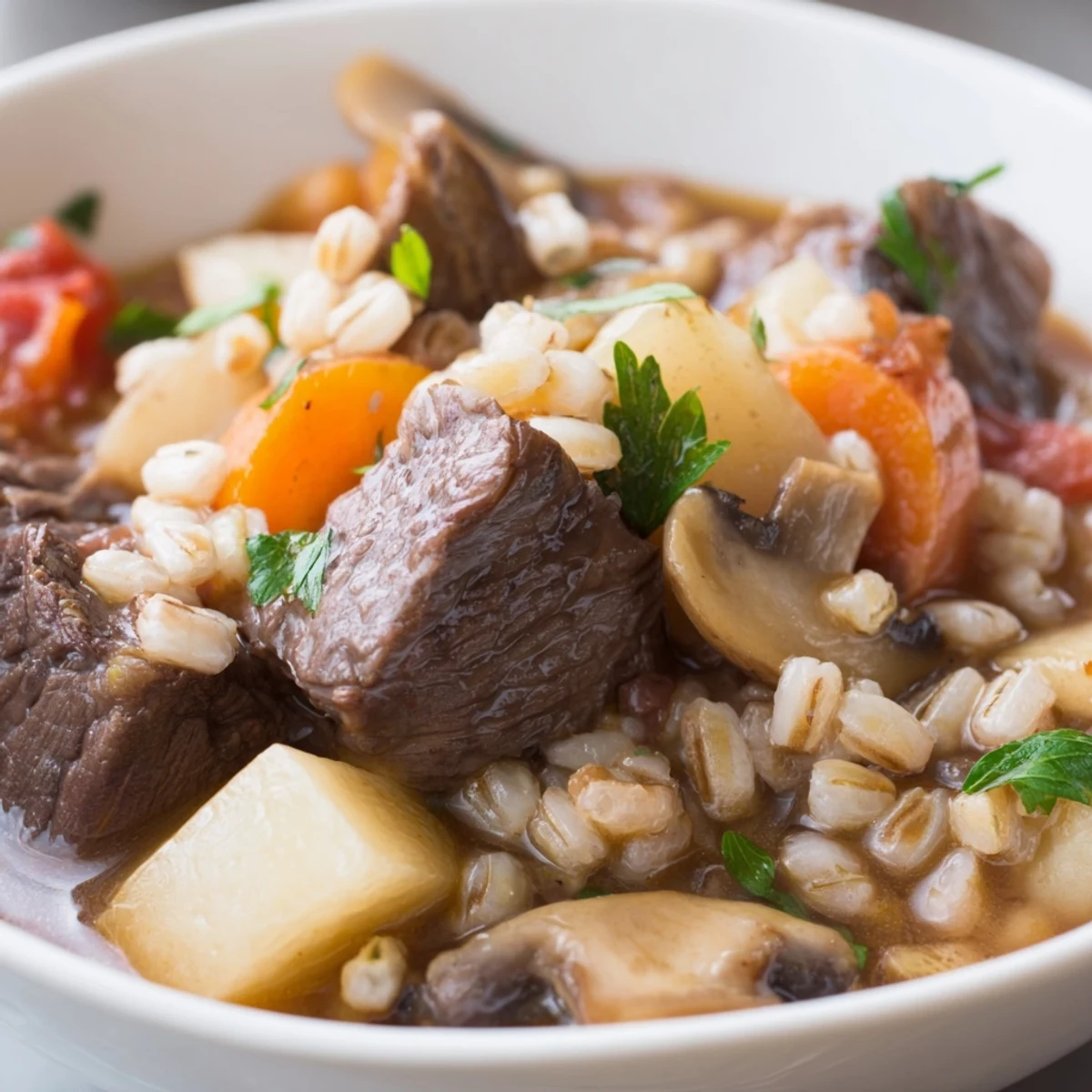
The magic is in the contrast: tender meat against the slight chew of barley, sweet vegetables against savory broth, herbs that whisper rather than shout. Every ingredient here serves a purpose, and nothing is there just to make the recipe look more complicated. It's honest cooking.
Timing and Patience
The two-hour cook time isn't arbitrary—it's the moment when everything transforms. The first hour breaks down the beef and starts softening the vegetables; the second hour is when flavors really marry and the barley absorbs its final lessons from the broth. You can't rush this, but you also don't have to babysit it. Set it to simmer and let it work while you do something else.
Variations and Serving Ideas
This stew is forgiving and flexible, which is part of its charm. Turnips or rutabaga swap in beautifully for parsnips if that's what you have, and a splash of red wine added with the broth adds richness without making it feel like a different dish. Serve it as is in a bowl, over mashed potatoes for something more substantial, or alongside thick crusty bread for soaking up every last drop of broth. Leftovers actually improve overnight as flavors settle and deepen—a rare gift from a home-cooked meal.
- A splash of red wine transforms the broth without overwhelming the other flavors.
- Thick slices of toasted bread are the perfect vehicle for stew and broth.
- This freezes beautifully for up to three months, so make extra without guilt.
 Save
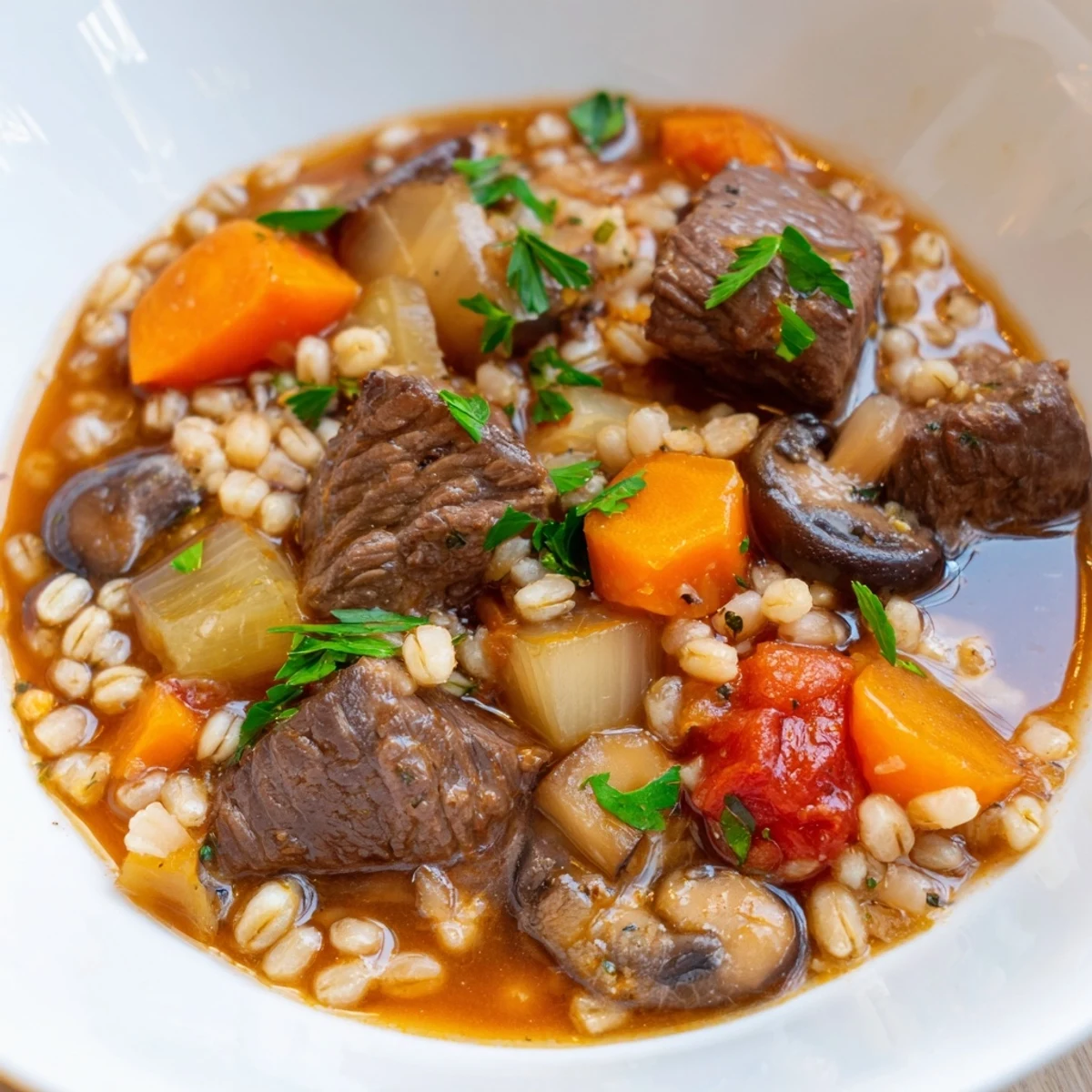
Save This stew has a way of becoming part of your kitchen routine, the dish you make when you want to feel grounded. It asks for your attention during the browning stage, then rewards you with two hours of freedom before bringing everyone back together at the table.
Recipe FAQs
- → Can I substitute the barley with another grain?
-
Yes, you can replace barley with pearl couscous or farro for a different texture, though cooking times may vary.
- → How do I ensure the beef stays tender?
-
Brown the beef cubes before simmering and cook gently over low heat for 1.5 to 2 hours to achieve tender results.
- → Are parsnips necessary in this dish?
-
Parsnips add a natural sweetness, but you can swap them with turnips or rutabaga to suit your taste preferences.
- → What herbs enhance the stew’s flavor?
-
Bay leaves, thyme, and rosemary create a robust herbal aroma that complements the meat and vegetables well.
- → Can mushrooms be omitted?
-
Yes, mushrooms are optional and can be left out without significantly altering the stew's overall flavor.