
 Save
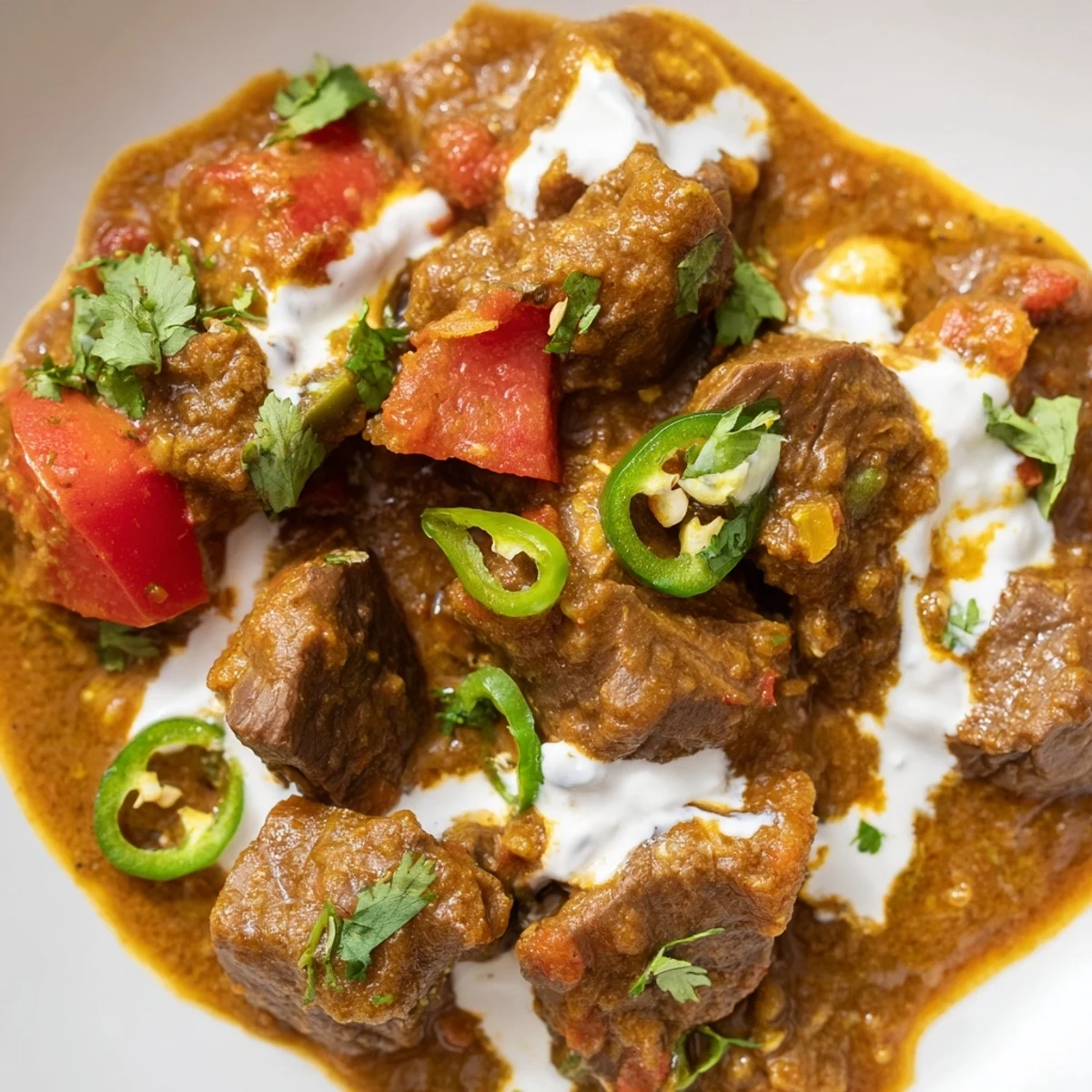
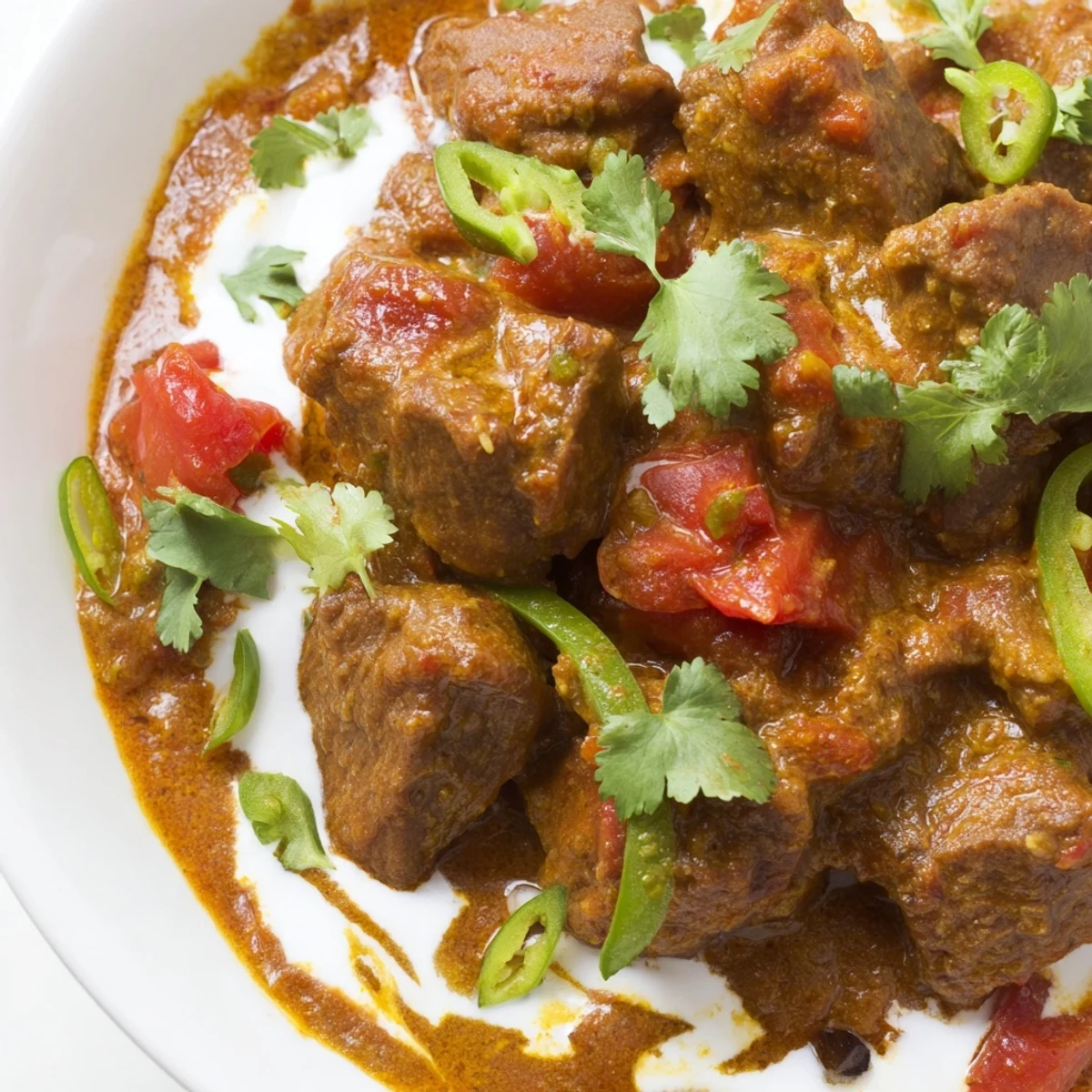
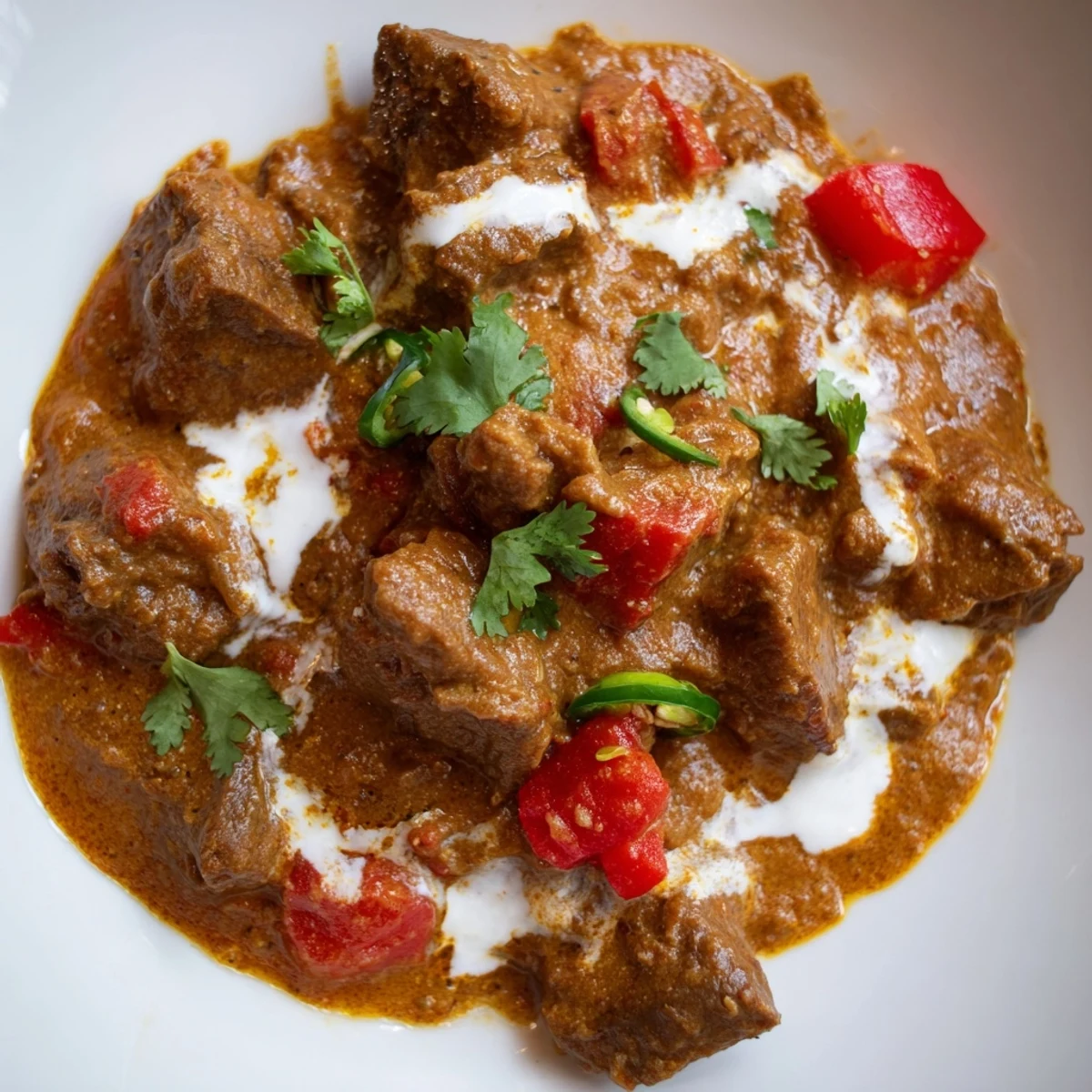
Save This hearty dish features tender beef chuck cubes slowly simmered in a rich sauce made from curry powder, cumin, turmeric, and tomatoes. A touch of yogurt adds creaminess, balancing the heat from cayenne and chilies. Serve this aromatic creation over fluffy, buttered basmati rice for a comforting and satisfying meal perfect for spice enthusiasts.
The first time I truly understood what heat could do to a dish was standing in my friend's kitchen on a foggy evening, watching her mother stir a pot of beef curry with such focused calm that I felt immediately humbled. She never rushed it, never looked at the clock, and when she finally tasted it and smiled—a real smile—I knew I had to learn how to make this. That moment taught me that spicy doesn't mean angry; it means alive, complex, and deeply satisfying.
I made this curry on a random Tuesday for my coworkers' potluck, expecting polite nods and maybe some leftovers. Instead, I watched three people go back for seconds while one colleague literally closed her eyes mid-bite and just shook her head in appreciation. That's when I stopped thinking of this as just dinner and started thinking of it as something that brings people together.
Ingredients
- Vegetable oil: You need enough to build flavor, not just coat the pan—it's the foundation for everything that follows.
- Large onion, finely chopped: This isn't a shortcut ingredient; golden onions carry the entire aromatic base of the curry.
- Garlic and fresh ginger: Minced and grated fine so they dissolve into the spice mixture and become part of the curry's soul.
- Beef chuck, cut into 1-inch cubes: This cut has enough marbling to stay tender through the long simmer without falling apart.
- Curry powder, cumin, coriander, smoked paprika, turmeric: Each spice does specific work—don't skip any of them, and don't rush when you add them.
- Cayenne pepper: This is where you control the heat; start with half a teaspoon if you're cautious.
- Diced tomatoes and beef broth: Together they create the liquid that will become a rich, savory sauce as it reduces.
- Green chilies: Optional, but they add a fresh, bright heat that plays beautifully against the deep spices.
- Plain yogurt: Added at the end, it tempers the heat and gives the sauce a silky finish; coconut milk works beautifully if you prefer dairy-free.
- Lemon juice and fresh cilantro: The final notes that make the whole dish sing and feel balanced.
- Basmati rice, butter or oil, salt: The canvas for your curry—rinsing the rice matters because it removes excess starch and keeps each grain distinct.
Instructions
- Build your base:
- Heat the oil in your heavy pot and add the chopped onions, letting them slowly turn golden brown over 8 minutes. This isn't the time to rush; listen for the gentle sizzle and trust that golden color means the sugar in the onions is caramelizing and ready to receive the spices.
- Wake up the aromatics:
- Stir in the garlic and ginger and sauté for just one minute—you'll smell the exact moment they go from raw to fragrant, and that's your signal to move forward. The kitchen will smell incredible, and you'll understand why people fall in love with cooking curry.
- Sear the beef:
- Add the beef cubes and let them brown on all sides for about 5 minutes, working in batches if you need to so the pan isn't crowded. You're building color here, which means building flavor.
- Spice the meat:
- Sprinkle all the spices over the browned beef and stir constantly for about a minute so every piece gets coated evenly. The dry spices will bloom in the residual heat, and the smell will tell you they're waking up.
- Add the liquid and let it simmer:
- Pour in the tomatoes, broth, and green chilies if you're using them, and bring everything to a simmer. Lower the heat, cover the pot, and let it cook low and slow for 1 hour 15 minutes, stirring occasionally so nothing sticks to the bottom.
- Finish with yogurt and lemon:
- Stir in the yogurt and lemon juice and let it simmer uncovered for 10 more minutes—the acid from the lemon will brighten everything, and the sauce will thicken slightly. Taste it and adjust salt and spice to your liking.
- Prepare the rice:
- While the curry simmers, rinse the basmati rice under cold water, rubbing it gently between your fingers until the water runs clear. Bring 3 cups of water to a boil, add the rice, salt, and butter, stir once, cover, and reduce heat to low for 15 minutes.
- Rest and fluff:
- Remove the rice from heat and let it sit covered for 5 minutes; this is when each grain firms up and becomes separate. Fluff it with a fork and taste a grain—it should be tender and not mushy.
 Save
Save My grandmother once told me that curry is the cooking equivalent of a good conversation—it needs patience, attention, and willingness to let flavors develop without force. I didn't fully understand until I made this dish and realized she was right: every step builds on the last, and the heat of the spices becomes something you anticipate instead of fear.
Controlling the Heat
Spice is personal, and this recipe knows that. The cayenne pepper is your volume knob—start with a quarter teaspoon if you're uncertain, taste, and add more if you want to turn it up. The green chilies bring a bright, fresh heat that's different from the lingering warmth of cayenne, so you can play with them independently. I learned that turning up the heat doesn't mean making the dish one-dimensional; it means making it more interesting.
Building Depth Through Spices
Each spice in this curry has its own personality: curry powder brings warmth and earthiness, cumin adds a toasted nutty note, coriander offers something floral and slightly citrusy, and turmeric gives that golden color and subtle bitterness that makes curries taste real. Smoked paprika is the secret weapon that makes people ask what the hidden ingredient is. Adding them all together, in this order, lets them marry slowly instead of competing with each other, and the beef absorbs all these flavors as it gets tender.
Why This Tastes Even Better Tomorrow
Curry is one of those dishes that seems to improve overnight, as if the spices are still getting to know each other in the refrigerator. The flavors deepen, the heat spreads more evenly throughout, and the sauce becomes richer and more cohesive. Reheat it gently over low heat, and you'll understand why people make double batches just for the leftovers.
- Serve with naan bread to soak up the sauce, or with a cool cucumber raita for balance.
- If you want to make it dairy-free, substitute coconut milk for the yogurt—it adds a different kind of richness.
- Leftover curry freezes beautifully for up to three months, so you can always have a restaurant-quality meal waiting.
 Save
Save This curry became my comfort food and my show-off dish, which is rare—most things can't be both. It fills the kitchen with warmth and seems to make everyone who eats it feel a little bit seen.
Recipe FAQs
- → How can I reduce the spice level?
-
Reduce or omit the cayenne pepper and green chilies to lower the heat level significantly while keeping the aromatic flavors.
- → Can I substitute the beef?
-
Yes, lamb or chicken work well as substitutes. Adjust the cooking time, as chicken cooks faster than beef chuck.
- → Is this dish gluten-free?
-
Yes, as written using fresh spices and broth, this dish is naturally gluten-free. Always check labels on pre-mixed ingredients.
- → What type of rice is best?
-
Long-grain basmati rice is ideal for its fluffy texture and ability to absorb the flavorful sauce without becoming sticky.
- → How should leftovers be stored?
-
Store the cooled beef curry and rice separately in airtight containers in the refrigerator for up to three days.