
 Save
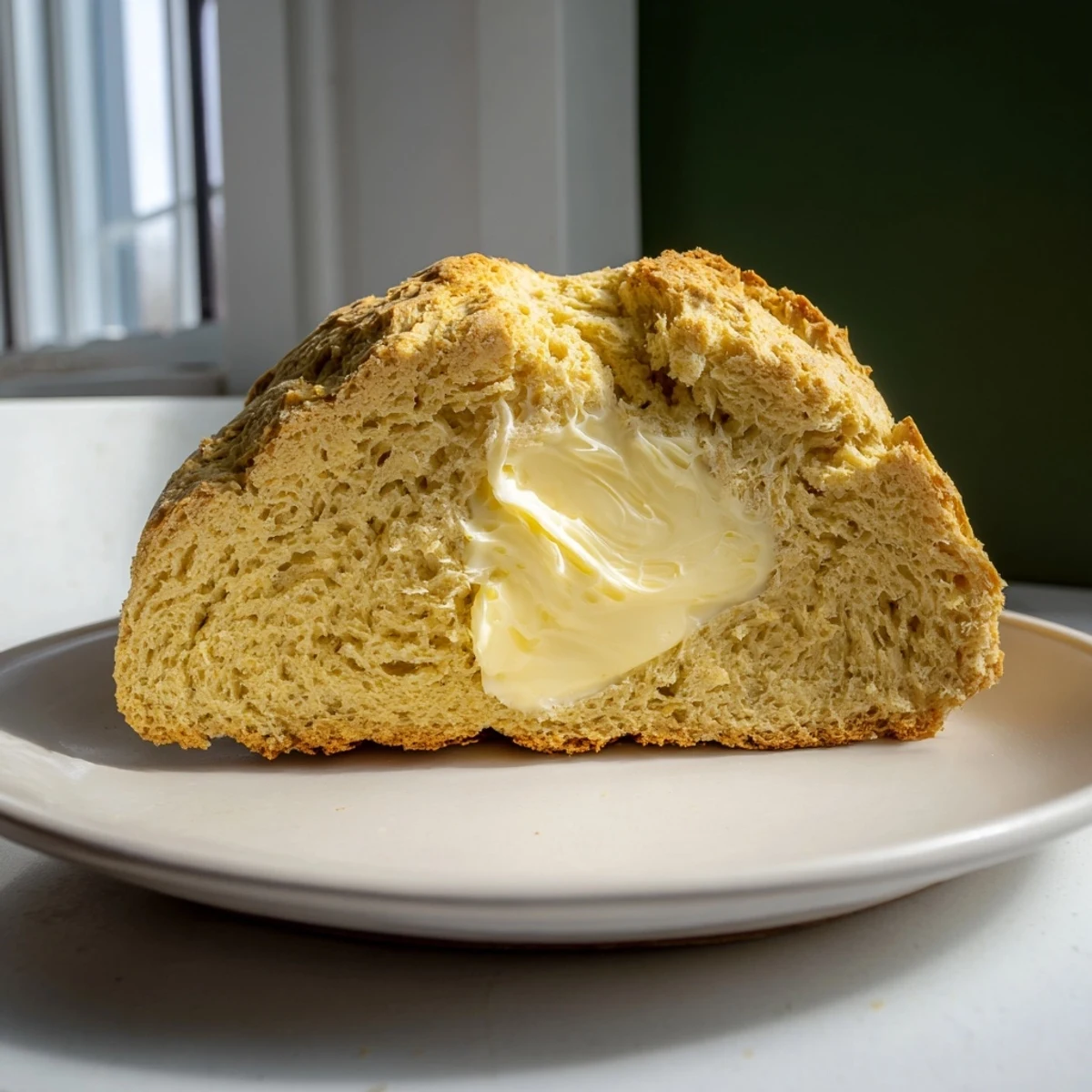
Save This Irish-style soda bread bakes quickly into a tender, golden loaf with a rustic crumb. Its simple mix of flour, baking soda, salt, and buttermilk combines effortlessly, creating a loaf that’s great warm with silky Irish butter. Ideal for easy preparation, this bread complements hearty soups or breakfast spreads with a satisfying texture and mildly tangy flavor enhanced by traditional baking methods.
Additional tips include adding currants or substituting whole wheat flour for a nuttier taste. The loaf features a classic cross cut on top to help even baking and a crisp crust, while the inside remains soft and moist. Serve it sliced with generous butter for a comforting, homestyle experience.
Theres something almost magical about a bread that requires no waiting, no rising, no patience whatsoever. My first encounter with soda bread happened during a rainy afternoon when I needed something warm from the oven fast. The simplicity fooled me into thinking it could not possibly deliver that satisfying bakery aroma, but within an hour my kitchen smelled like comfort itself.
Last winter I made this loaf on a whim when friends dropped in unexpectedly. We stood around the kitchen island tearing off warm chunks, letting melted butter drip onto our fingers, and somehow that humble bread became the centerpiece of the whole evening.
Ingredients
- All-purpose flour (4 cups): Forms the base of your loaf, creating structure without needing gluten development
- Baking soda (1 teaspoon): The rising agent that reacts with buttermilk to create those lovely air pockets
- Fine sea salt (1 teaspoon): Enhances flavor and helps balance the tang from the buttermilk
- Buttermilk (1¾ cups): The acidity activates the baking soda and adds subtle depth to every bite
- Irish butter: The essential finishing touch that transforms warm bread into something extraordinary
Instructions
- Preheat and prepare:
- Heat your oven to 425°F and line a baking sheet with parchment paper so nothing sticks.
- Mix the dry ingredients:
- Whisk together flour, baking soda, and salt in a large bowl until everything is evenly distributed.
- Combine and form:
- Create a well in the center, pour in the buttermilk, and mix gently until a shaggy dough comes together without overworking it.
- Shape and score:
- Form the dough into a round loaf about two inches thick and cut a deep cross on top to help it bake evenly.
- Bake to golden perfection:
- Bake for thirty-five to forty minutes until the loaf sounds hollow when tapped on the bottom.
 Save
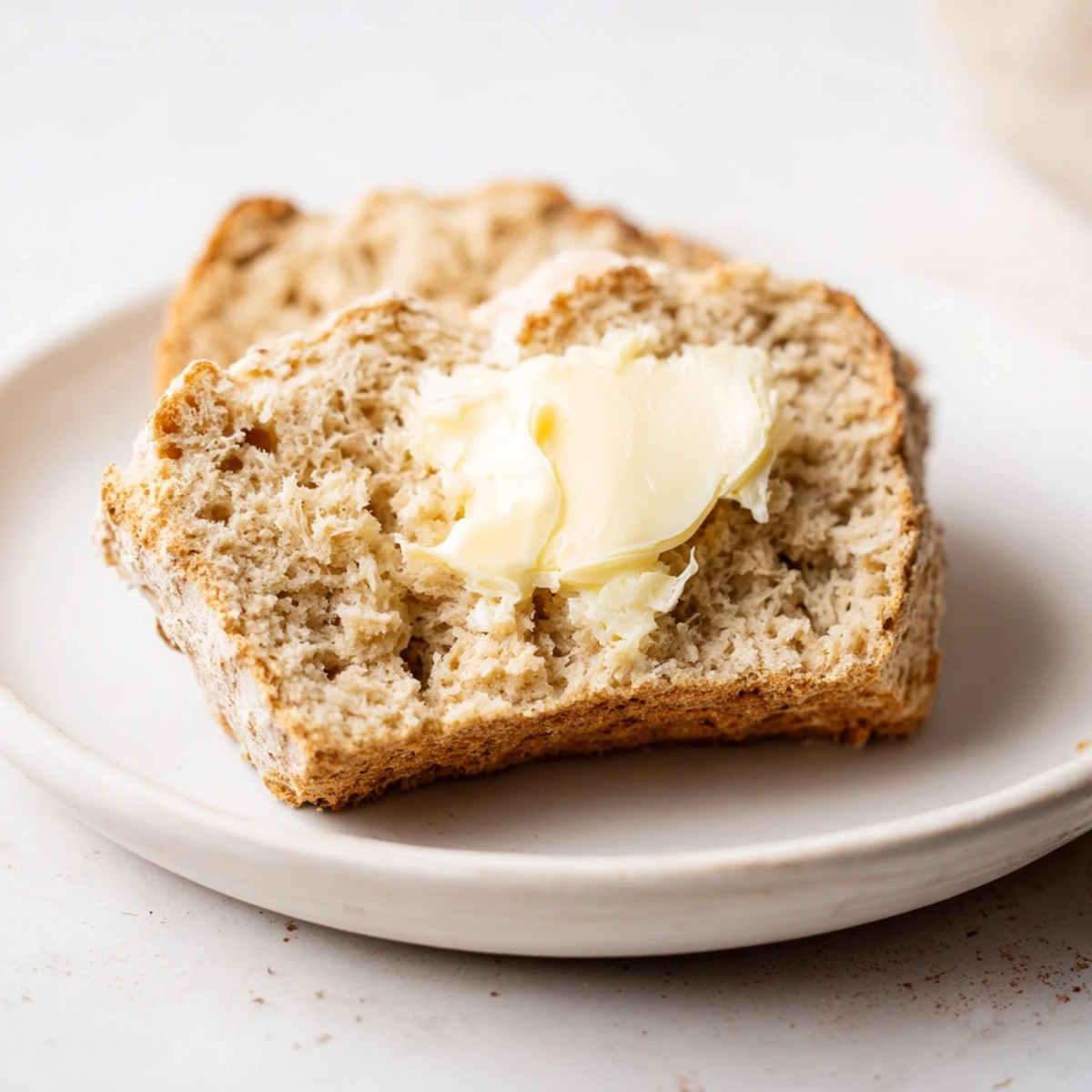
Save My grandmother always said the cross on top was to let the fairies out, but really it just helps the heat penetrate the center. Now every time I slice into that marked crust, I remember her kitchen and how food always carries stories forward.
Making It Your Own
Add raisins or currants to the dry ingredients for a sweeter version my family calls Spotted Dog. Half whole wheat flour brings a nutty depth that stands up particularly well to hearty soups.
Serving Suggestions
This bread shines alongside a bowl of vegetable soup or beef stew, soaking up every drop of broth. At breakfast, toast a slice and top with honey or jam for a simple pleasure that feels like a hug.
Storage Tips
Soda bread is best enjoyed the day it is made when that crust is at its crispest. If you have leftovers, wrap them tightly and toast the next day to revive some of that fresh-baked texture.
- Freeze extra loaves wrapped in foil and thaw at room temperature
- Store in a paper bag if keeping overnight to maintain the crust
- Never refrigerate bread as it speeds up staling significantly
 Save
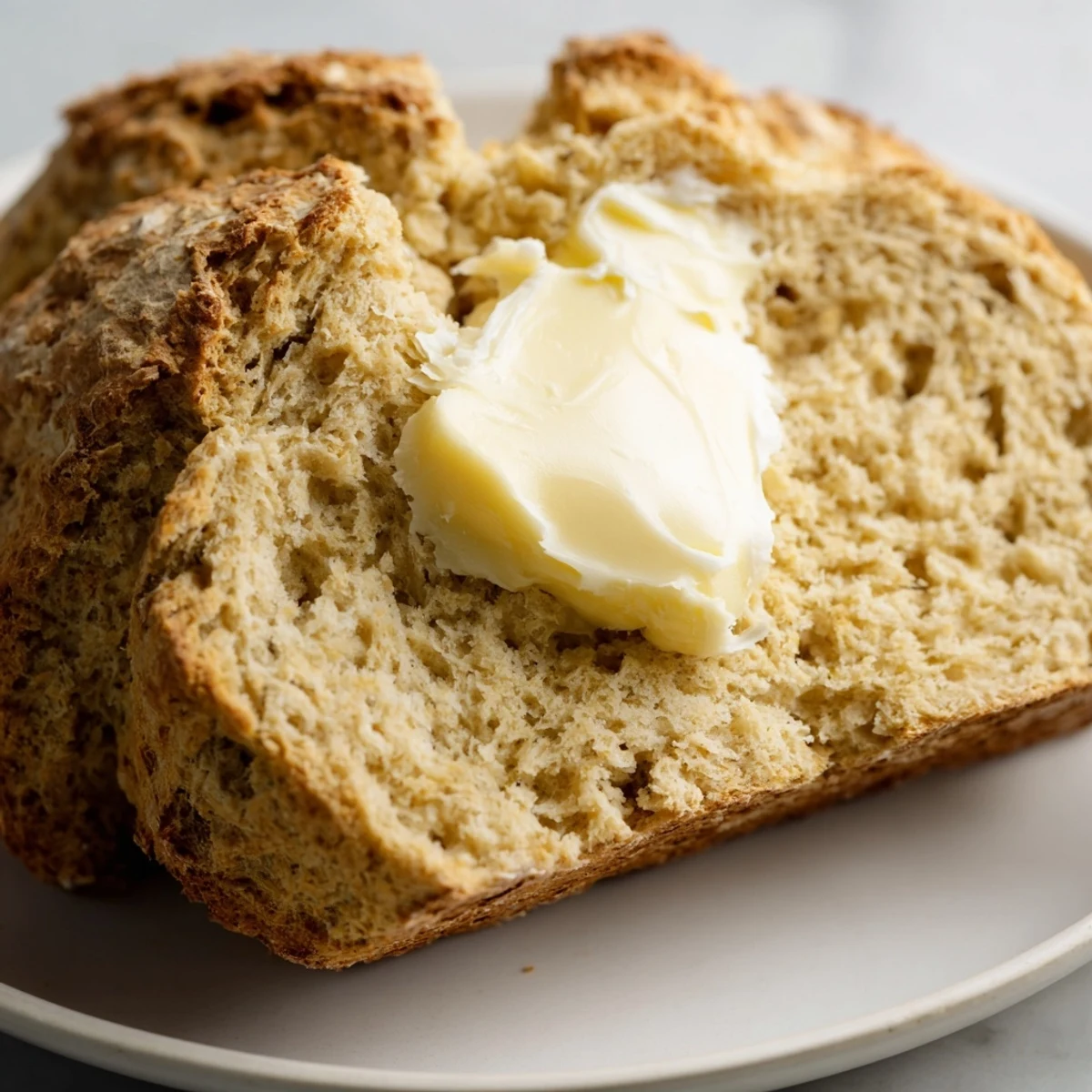
Save There is nothing quite like warm soda bread with melting butter to remind you that the best things in life are often the simplest. May your kitchen always smell like comfort.
Recipe FAQs
- → What makes soda bread different from yeast bread?
-
Soda bread uses baking soda as a leavening agent instead of yeast, which allows it to rise quickly without proofing time.
- → Why is buttermilk used in this bread?
-
Buttermilk reacts with baking soda to produce carbon dioxide, creating a light, tender crumb and subtle tang in the bread.
- → How can I tell when the bread is fully baked?
-
The loaf should be golden brown and sound hollow when tapped on the bottom, indicating it’s cooked through.
- → Can I add fruit to this bread?
-
Yes, adding currants or raisins to the dry ingredients creates a slightly sweeter, more textured loaf.
- → What is the purpose of the cross cut on top?
-
Cutting a cross on the loaf allows steam to escape during baking, helping the bread cook evenly and develop a crisp crust.
- → How should the bread be served for best results?
-
Serve warm or at room temperature with a generous spread of Irish butter to enhance its rich, tender qualities.