
 Save
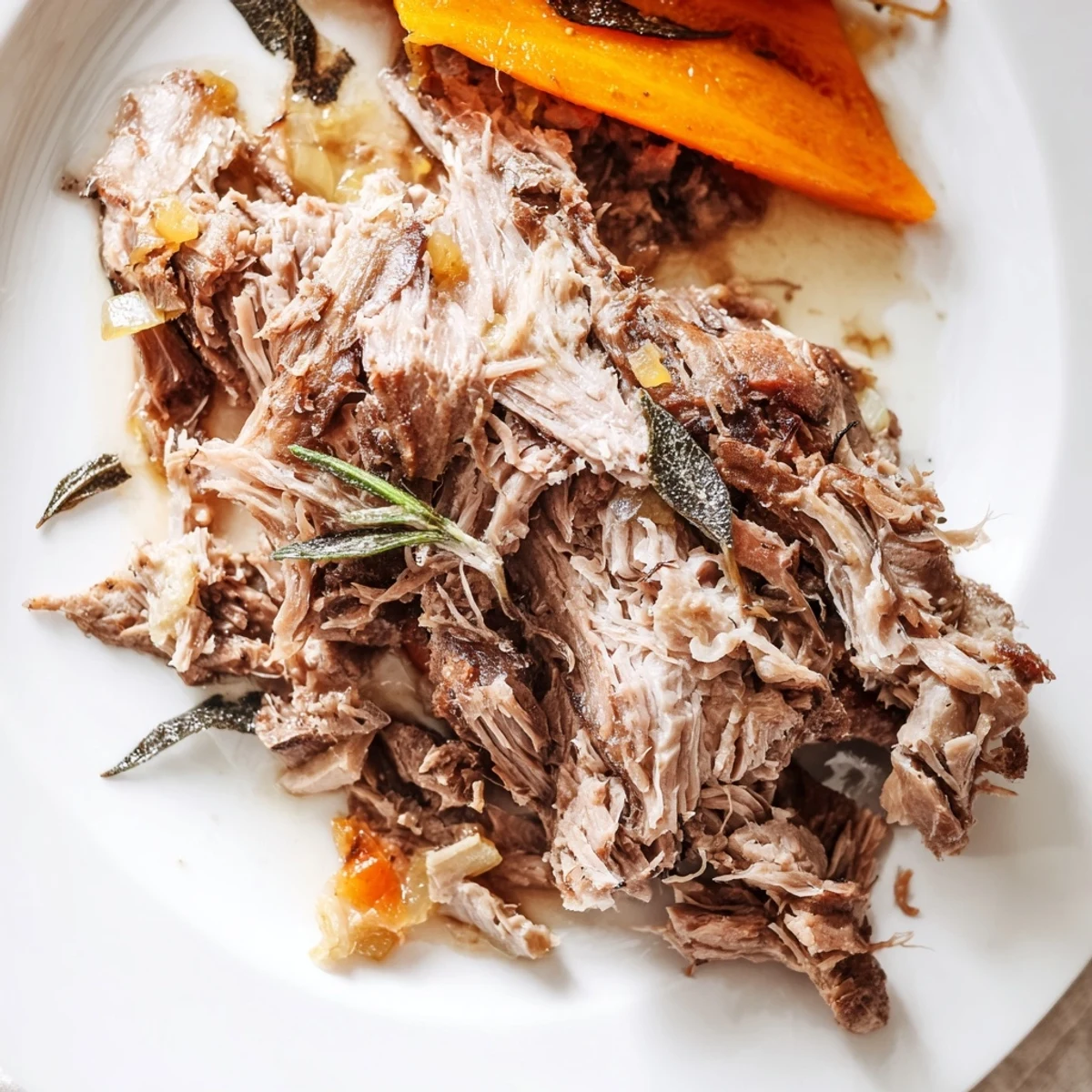
Save This dish features a bone-in lamb shoulder slow-roasted at a low temperature to develop deep, succulent flavors. Garlic cloves are inserted into small incisions, and a herb blend of rosemary, thyme, oregano, and lemon zest coats the meat. Carrots, onions, and celery create a flavorful base while white wine and stock add moisture and aroma. The lamb is seared before roasting, then cooked gently for several hours until falling-apart tender. Resting the meat ensures juiciness before serving with the savory vegetable pan juices.
There's something about a lamb shoulder that demands respect and time. I learned this years ago when I made the mistake of trying to rush one at a dinner party, only to end up with meat that was technically cooked but somehow still stubborn. That failure taught me patience, and now when I smell rosemary and thyme hitting hot oil, I know I'm in for the long, slow game that makes this dish sing. Four hours might sound like forever, but the payoff is meat so tender it practically dissolves on your tongue.
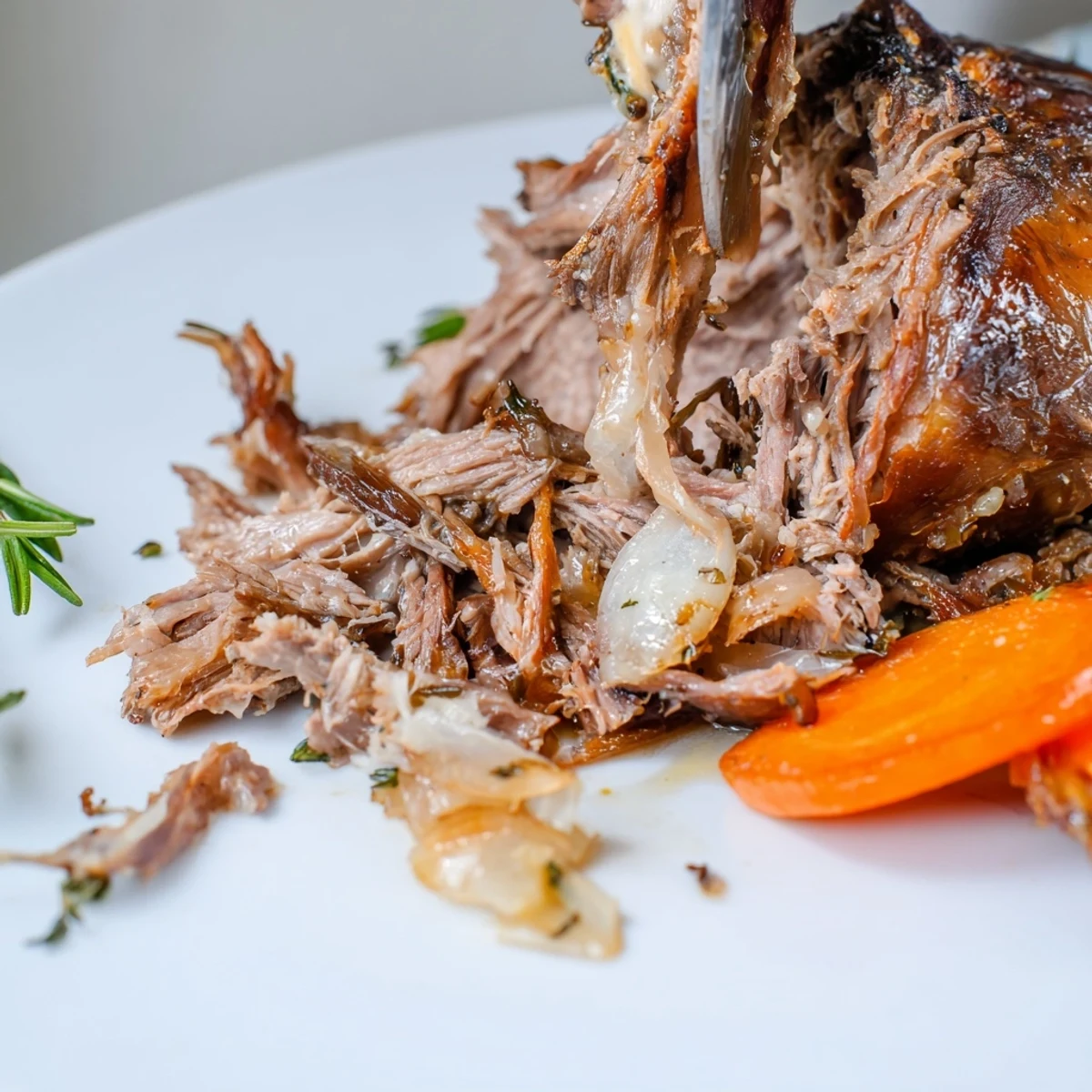
I made this for my sister's birthday dinner on a cold March evening, and I remember my nephew asking if we were cooking a cloud because of how the meat fell apart on his fork. That moment—watching someone's face light up when they taste something you've been tending all afternoon—is exactly why I keep coming back to this recipe.
Ingredients
- Lamb shoulder, bone-in (about 2.5 kg/5.5 lbs): The bone adds flavor and helps the meat stay juicy, and bone-in cuts are usually more forgiving during long cooking.
- Garlic cloves (6, peeled and halved): You'll stuff these directly into incisions, where they soften into sweet, creamy notes rather than staying sharp.
- Fresh rosemary (2 tbsp, finely chopped): This herb's piney intensity is what makes lamb taste like lamb; dried won't give you the same brightness.
- Fresh thyme leaves (2 tbsp): Thyme adds an earthy depth that balances the rosemary and complements the slow-roasting process.
- Fresh oregano (1 tbsp, or 1 tsp dried): A Mediterranean cornerstone that brings warmth and herbaceous character to every bite.
- Lemon zest (from 1 lemon): This cuts through the richness without needing acid, keeping the dish bright.
- Onions (2 large, sliced) and carrots (3, large pieces) and celery (2 stalks, cut into pieces): These form your aromatic base and become soft, flavor-soaked vegetables you'll want to eat with the lamb.
- Sea salt (2 tsp) and black pepper (1 tsp): Season generously; the long cooking time means flavors need to be bold to shine through.
- Smoked paprika (1 tsp, optional): Adds subtle smokiness if you want an extra layer, but it's truly optional and won't hurt either way.
- Dry white wine (250 ml/1 cup) and stock (250 ml/1 cup): The liquid steams and becomes a silky pan sauce; avoid anything too acidic or overly oaky.
- Olive oil (2 tbsp): Use something you like the taste of, since it matters in the searing step.
Instructions
- Set your oven and dry the meat:
- Preheat to 160°C (320°F). Pat the lamb completely dry with paper towels—this helps it sear instead of steam, which is the whole point of the first step.
- Make pockets for the garlic:
- Using a sharp knife, make small incisions (about 1 inch deep) all over the lamb shoulder and push the garlic halves deep inside. I like to scatter them on the top and sides, spacing them a few inches apart.
- Create your herb rub:
- Mix the rosemary, thyme, oregano, lemon zest, salt, pepper, and paprika in a small bowl. The mixture should feel slightly damp from the oils in the herbs, not dusty.
- Rub and sear:
- Press the herb mixture all over the lamb, working it into the incisions and all the crevices you can reach. Heat olive oil in your roasting pan over medium-high heat until it shimmers, then sear the lamb on all sides until it's deep golden brown—about 5 to 7 minutes total. You want a real crust, not just a light color.
- Build your bed:
- Scatter the sliced onions, carrots, and celery across the bottom of the pan. They'll cushion the lamb and catch all the dripping juices, creating magic.
- Add liquid and cover:
- Place the lamb on top of the vegetables, then pour the wine and stock around it (not over it—you want that seared exterior to stay intact). Cover tightly with foil or a lid; the seal is what keeps everything moist.
- The long, slow roast:
- Roast for 3.5 to 4 hours, basting the lamb with its own juices once or twice halfway through if you remember. The meat is ready when it pulls away from the bone with barely any effort and the interior is pale and incredibly tender.
- Finish with color:
- Uncover the lamb for the last 30 minutes so the exterior browns and crisps a bit. The vegetables underneath will caramelize slightly too.
- Rest and serve:
- Tent the finished lamb loosely with foil and let it rest for 15 minutes—this keeps the juices from running everywhere when you carve. Serve with the roasted vegetables and all those pan juices spooned over everything.
 Save
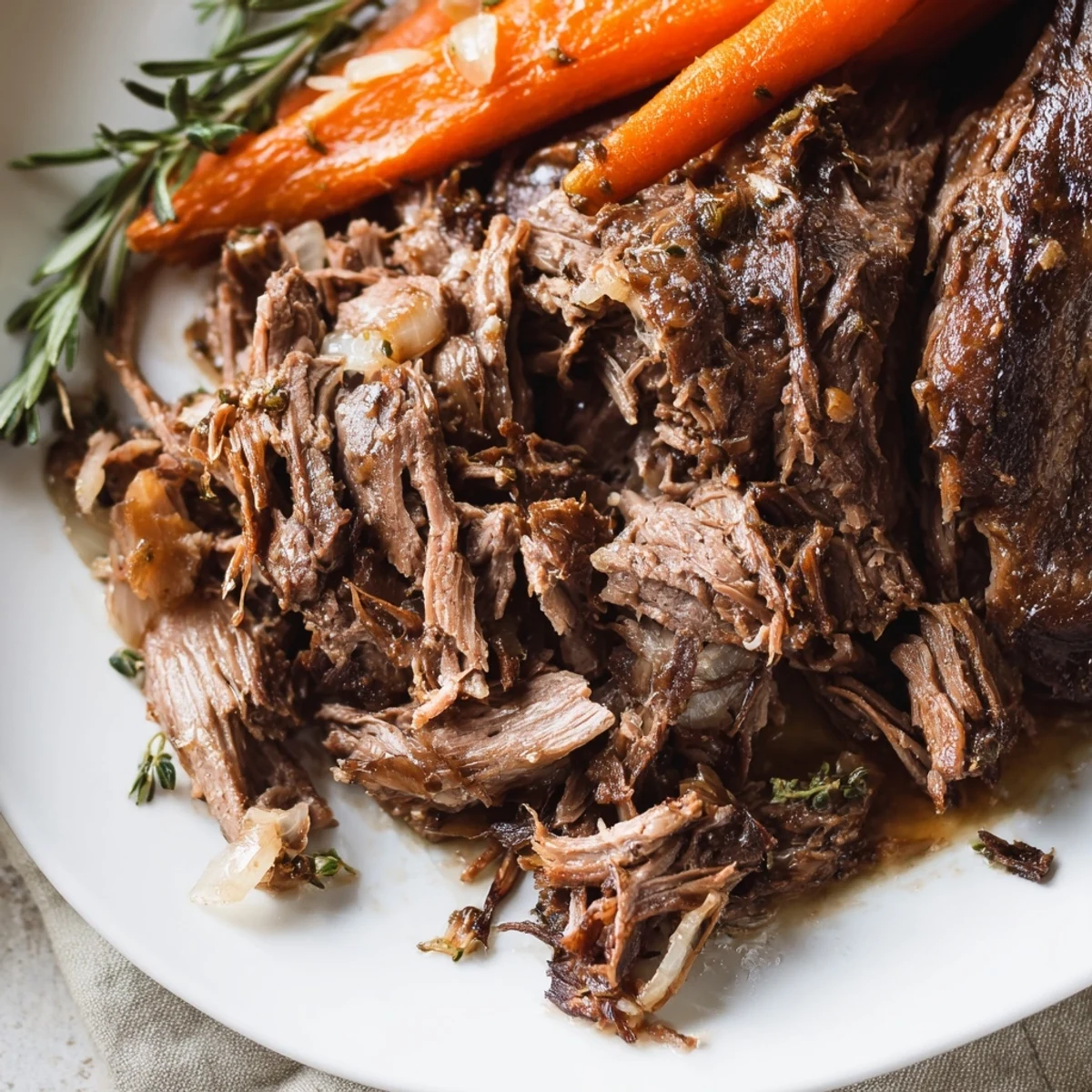
Save I'll never forget watching my father carve into that lamb at my sister's dinner, the meat practically sliding off the bone without a knife. He looked at me and smiled without saying anything, which somehow meant everything about whether the hours were worth it.
Why Marinating Matters
If you have the time, marinating the lamb overnight changes the game entirely. Combine the herbs and olive oil with the meat a day ahead, and the flavors penetrate deeper, creating a more unified taste. The lamb also relaxes into the seasoning, making every bite taste intentional rather than just rubbed on the surface. I don't always do this, but when I have advance warning of a dinner, it's one of those small efforts that people notice without quite knowing why.
What to Serve Alongside
This lamb is rich and aromatic, so it needs something to ground it. The roasted vegetables that come out of the pan are half the story, but I always add something bright or starchy to balance the weight. A crisp green salad with a sharp vinaigrette cuts through the richness, while crusty bread soaks up every drop of pan juice. Roasted potatoes are the obvious choice and they're perfect—there's no shame in the classics.
Troubleshooting and Small Adjustments
Sometimes life happens and your oven runs hot, or your lamb is smaller than expected. The key is listening to the meat itself, not just the clock; start checking for tenderness around the 3.5-hour mark by testing with a fork. If the kitchen gets too steamy or the liquid level looks too high, crack the foil slightly to let some moisture escape. If you're nervous about the wine, replace it entirely with more stock—you'll lose a little complexity, but the dish still works beautifully.
- If the pan drippings look thin or pale, let them reduce in a skillet on the stove for a few minutes before serving.
- Leftover shredded lamb keeps for three days and works wonders in sandwiches, grain bowls, or even with yesterday's roasted vegetables warmed through.
- A small pinch of fleur de sel sprinkled over the rested lamb just before carving brings out all the work you've done with the herbs.
 Save
Save A slow-roasted lamb shoulder is the kind of dish that teaches you something new every time you make it, whether that's about your oven, your taste, or your patience. Once you've done it once, you'll find reasons to do it again.
Recipe FAQs
- → How do I ensure the lamb stays tender?
-
Slow roasting the lamb at a low temperature for several hours breaks down connective tissue, resulting in tender, juicy meat.
- → Can I marinate the lamb beforehand?
-
Yes, marinating overnight with herbs and olive oil enhances the flavor and tenderness.
- → What vegetables complement the lamb during roasting?
-
Onions, carrots, and celery create a flavorful bed that adds aroma and enriches the cooking juices.
- → Is white wine necessary for the liquid base?
-
White wine adds acidity and depth, but you can substitute with extra stock if preferred.
- → How should the lamb rest after roasting?
-
Let the meat rest tented loosely with foil for about 15 minutes to redistribute juices and keep it moist.