
 Save
Save This dish features a whole chicken slow-roasted to tender perfection using fresh lemon, garlic, thyme, and rosemary. The bird is seasoned with olive oil, salt, pepper, and paprika, then placed over a bed of carrots, celery, and onion. Roasting at low heat allows the flavors to meld and the meat to remain juicy. A final high-temperature blast crisps the skin, offering a satisfying contrast. Let it rest before carving to retain all the delicious juices. Pair with roasted vegetables or your favorite sides.
I pulled my first slow-roasted chicken out of the oven on a rainy Tuesday with no plan beyond not wanting another bland dinner. The smell hit me before I even opened the door, warm and herby, almost like walking into someone else's better-organized kitchen. It wasn't perfect, the skin was pale in spots, but when I carved into it the meat nearly fell off the bone. I've been making it this way ever since.
I made this for my sister once after she had a long week, and she sat at the table pulling meat off the bones with her fingers, dipping it in the pan juices like no one was watching. She told me it tasted like the kind of meal you'd get at a countryside inn, the sort of place with checked curtains and a dog by the fire. I didn't tell her I'd only seasoned it an hour before cooking.
Ingredients
- Whole chicken: Look for one around 1.8 kg so it cooks evenly, and always remove the giblets unless you want a surprise later.
- Lemon: The halves go inside and their juice steams through the meat, keeping everything moist and lightly bright.
- Garlic: A whole head sounds like a lot until you taste how sweet and mellow it gets after two hours in the oven.
- Fresh thyme and rosemary: These hold up to long roasting better than delicate herbs, their oils seeping into every crevice of the bird.
- Carrots, celery, onion: They form a edible roasting rack and soak up all the drippings, turning sweet and caramelized underneath.
- Olive oil: Rubbed on the skin, it helps the salt stick and gives you that eventual golden crisp.
- Kosher salt and black pepper: Use more than you think, the skin needs enough seasoning to flavor the whole chicken.
- Paprika: Optional but it adds a subtle warmth and a deeper color to the skin.
- Chicken broth: Just half a cup keeps the pan from drying out and gives you something to baste with.
Instructions
- Prep the bird:
- Pat the chicken completely dry with paper towels, otherwise the skin won't crisp later. Rub olive oil all over, then season generously with salt, pepper, and paprika if you're using it.
- Stuff the cavity:
- Tuck the lemon halves, garlic head, and half the herbs inside the chicken. It feels a little like packing a suitcase, but the steam from these aromatics works magic from the inside out.
- Build the vegetable bed:
- Scatter the carrots, celery, onion, and remaining thyme and rosemary across the bottom of your roasting pan. Nestle the chicken on top, breast-side up, and pour the broth around the edges.
- Slow roast:
- Slide the pan into a 150°C oven and let it go for two hours, basting with the pan juices every 45 minutes. The gentle heat keeps the meat tender and prevents it from drying out.
- Crisp the skin:
- Crank the oven up to 220°C for the last 15 to 20 minutes. Watch it closely, the skin should turn deep gold and crackle when you tap it with a spoon.
- Rest and carve:
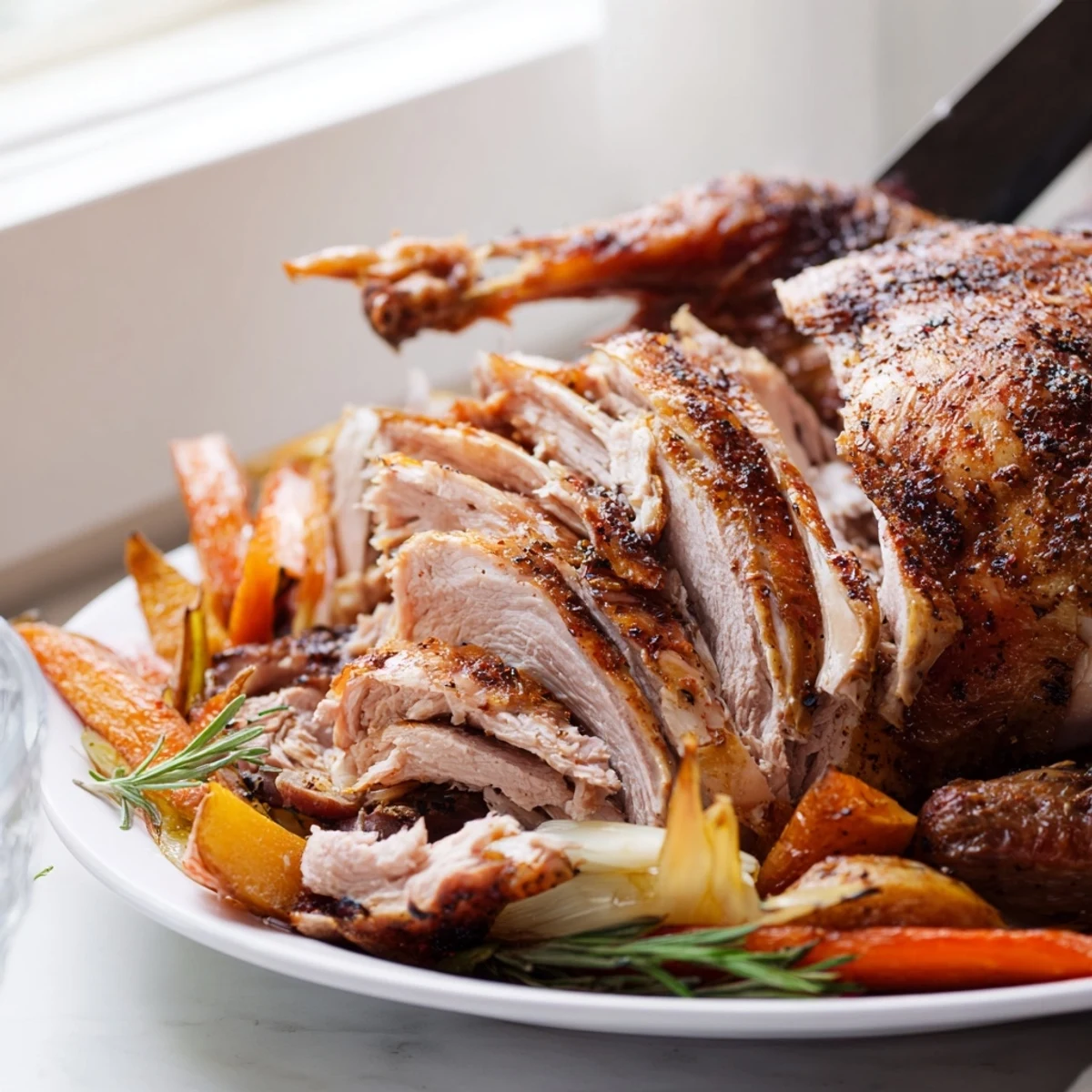
- Let the chicken sit for 10 minutes before carving so the juices settle back into the meat. Serve it with the roasted vegetables and spoon over the pan drippings.
 Save
Save The first time I brought this to a dinner with friends, I arrived late with the chicken wrapped in foil and still warm. We pulled it apart with forks at the table, passing around the roasted vegetables and tearing off chunks of bread to soak up the drippings. Someone said it tasted like a meal their grandmother used to make, and I realized that's exactly what slow cooking does, it turns ordinary ingredients into something that feels like memory.
Getting Ahead
You can season the chicken and stuff the cavity the night before, then cover it and leave it in the fridge. The salt has more time to work its way into the meat, and you'll shave off 10 minutes the next day. Just bring it to room temperature for 30 minutes before roasting so it cooks evenly.
Making the Most of Leftovers
Any leftover meat is perfect shredded into sandwiches, stirred through rice, or piled onto a salad with some of the pan drippings as dressing. The carcass makes incredible stock, just simmer it with the roasted vegetables and a bay leaf for an hour. I've stretched one chicken into three different meals more times than I can count.
What to Serve Alongside
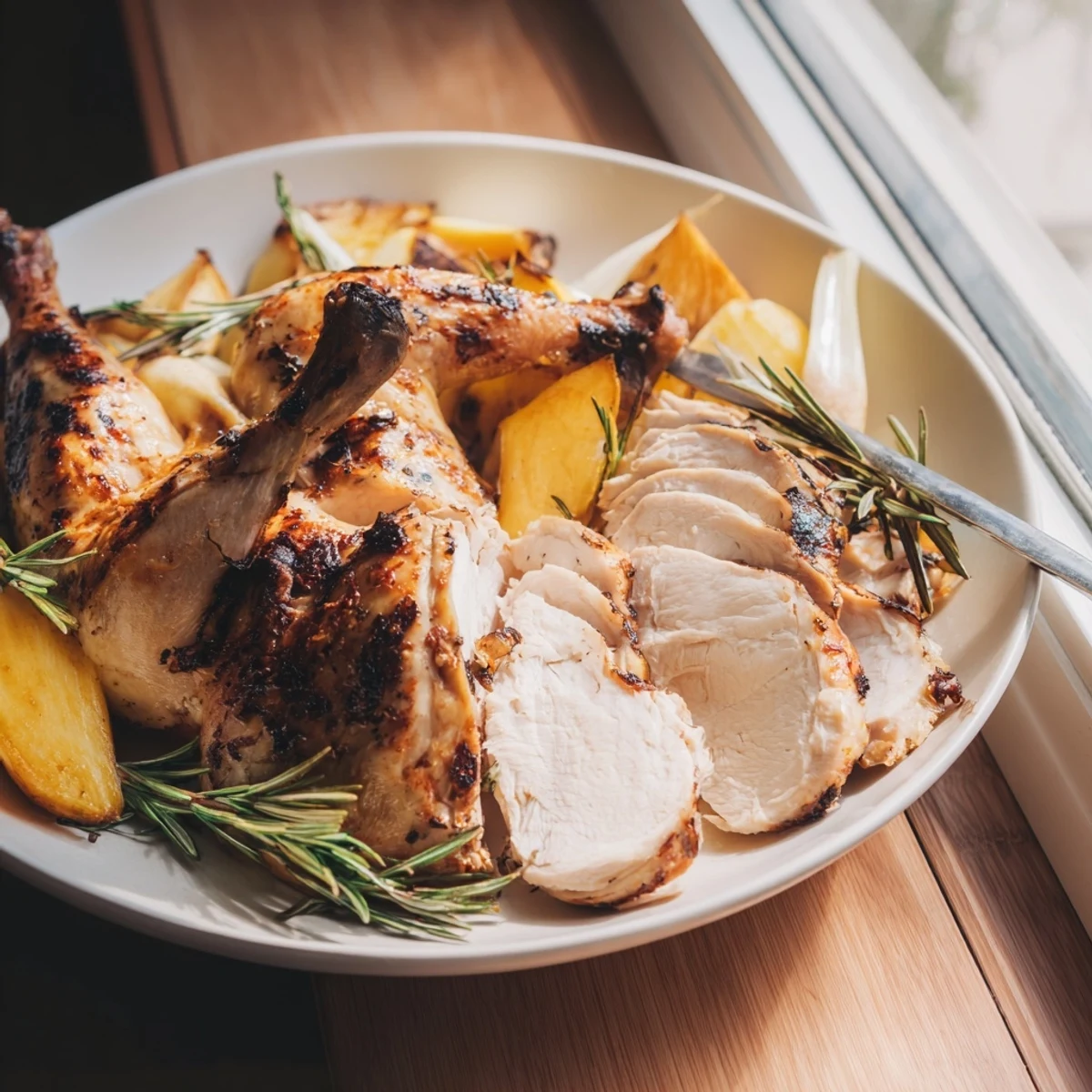
Mashed potatoes are the obvious choice, creamy and ready to soak up every bit of sauce. Crusty bread works just as well if you want something simpler, or try roasted root vegetables if you want to keep the oven going. A crisp green salad with a sharp vinaigrette cuts through the richness and balances the plate.
- If you don't have fresh herbs, use one teaspoon of dried per sprig and mix them with the oil before rubbing.
- A meat thermometer should read 75°C in the thickest part of the thigh when the chicken is done.
- Leftover drippings can be strained, chilled, and used as cooking fat for the best roasted potatoes you'll ever make.
 Save
Save There's something quietly satisfying about pulling a golden chicken out of the oven, knowing you did very little but time and heat did everything else. It's the kind of recipe that makes you look like you tried harder than you did, and that's exactly the kind of cooking I love most.
Recipe FAQs
- → How does slow roasting affect the chicken?
-
Slow roasting at a low temperature gently breaks down the meat fibers, making the chicken tender and juicy while allowing flavors to develop deeply.
- → Why use lemon and garlic inside the chicken cavity?
-
Placing lemon and garlic inside adds aroma and moisture from within, infusing subtle citrus and savory notes throughout the meat as it cooks.
- → What is the purpose of roasting vegetables beneath the chicken?
-
The vegetables act as a flavorful bed that keeps the chicken elevated and absorbs juices, becoming tender and rich after roasting.
- → How can I ensure crispy skin on the chicken?
-
Increasing oven temperature in the last 15-20 minutes crisps the skin by rendering fat and creating a golden, crunchy exterior.
- → Can dried herbs be used instead of fresh?
-
Yes, dried herbs can replace fresh by using about one teaspoon dried per fresh sprig; add them earlier to release their flavors.