
 Save
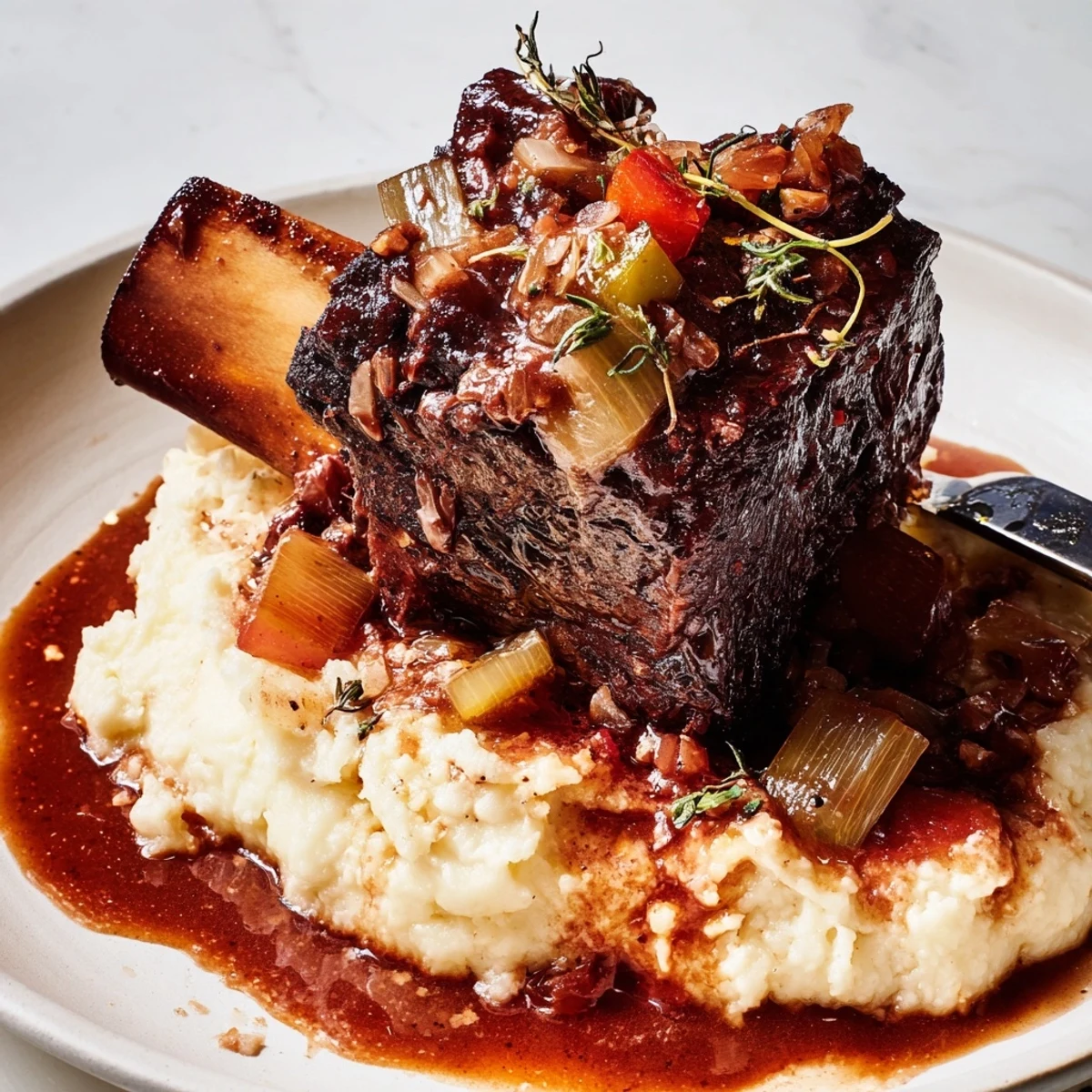
Save Season and sear bone-in short ribs until browned, then sauté onion, carrots and celery in the same pan. Stir in garlic and tomato paste, deglaze with red wine, and transfer everything to a slow cooker with beef broth, Worcestershire, thyme, rosemary and bay leaves. Cook low for 7 hours (or high 4–5) until meat falls from the bone. Remove herbs, skim fat, and serve with mashed potatoes, polenta or noodles; strain and blend sauce for a smoother finish.
When I cook slow cooker short ribs, the aroma builds quietly in the kitchen, gradually creeping up until someone wanders in, curious about what's simmering. One rainy afternoon, the sizzle of searing ribs filled the air and mingled with the scent of fresh rosemary, and I knew dinner would feel like a warm embrace. There's nothing fussy about this kind of comfort food, yet it makes the whole day feel a little more special. Sometimes magic just bubbles up from a sturdy pot and a handful of simple, honest ingredients.
I remember the night my quiet table became lively just because everyone started talking about the sauce. Friends reached for seconds, mopping up every last drop, arguing over whose portion was bigger, laughter echoing between mouthfuls. Nothing fancy, just good food that demanded attention. Sharing this recipe always makes people feel they've been let in on a secret.
Ingredients
- Beef short ribs: Go for bone-in ribs—the meat stays moist, and the bones give the sauce real depth.
- Onion: Chopped onion turns sweet and silky, melting into the sauce as it cooks.
- Garlic: Fresh minced garlic adds a gentle bite; don't skip it.
- Carrots: Carrots soak up all the meaty juices and become irresistibly tender.
- Celery: Just a couple of stalks, but they round out the flavors and add a bit of savoriness.
- Beef broth: Use a low-sodium broth so you can control the seasoning as it cooks down.
- Dry red wine: Adds richness—Cabernet Sauvignon is great, though you can substitute more broth if needed.
- Tomato paste: It intensifies the sauce, bringing everything together with a hint of tang.
- Worcestershire sauce: A splash for umami—that deep, savory layer you can't quite put your finger on.
- Olive oil: For getting a beautiful golden crust on the ribs.
- Fresh thyme and rosemary: Herbs infuse the meat with earthiness; use fresh if you can, but dried in a pinch is fine.
- Bay leaves: Subtle, but they lend a background note that makes the whole thing taste more complex.
- Salt and pepper: Don’t be shy—season as you go and taste for balance before serving.
Instructions
- Season and sear the ribs:
- Pat the short ribs dry, season generously with salt and pepper, and hear that satisfying sizzle as you brown them in hot olive oil. The kitchen smells rich, and you’ll know they’re ready when they develop a deep golden crust.
- Sauté the vegetables:
- Lift the ribs and toss onion, carrots, and celery into the same skillet—let them soften, picking up all those caramelized bits and flavors left behind.
- Add garlic and tomato paste:
- Stir in garlic until fragrant, then tomato paste—everything darkens to a gorgeous rust color while thick aromas fill the air.
- Deglaze with wine:
- Pour in the wine and scrape up those browned bits—this step unlocks deep flavor, and the rich, bubbling sauce smells incredible.
- Combine in the slow cooker:
- Layer the browned ribs, pour the vegetable-wine mixture over top, and tuck in broth, Worcestershire, thyme, rosemary, bay leaves—each adds its own whisper to the final dish.
- Slow cook:
- Set on low and forget about it for hours; walk past the kitchen now and then, savoring the anticipation as the meat slowly becomes fork-tender.
- Finish and serve:
- Fish out the bay leaves and herb stems, skim off extra fat if you like, then spoon everything over creamy mashed potatoes or noodles.
 Save
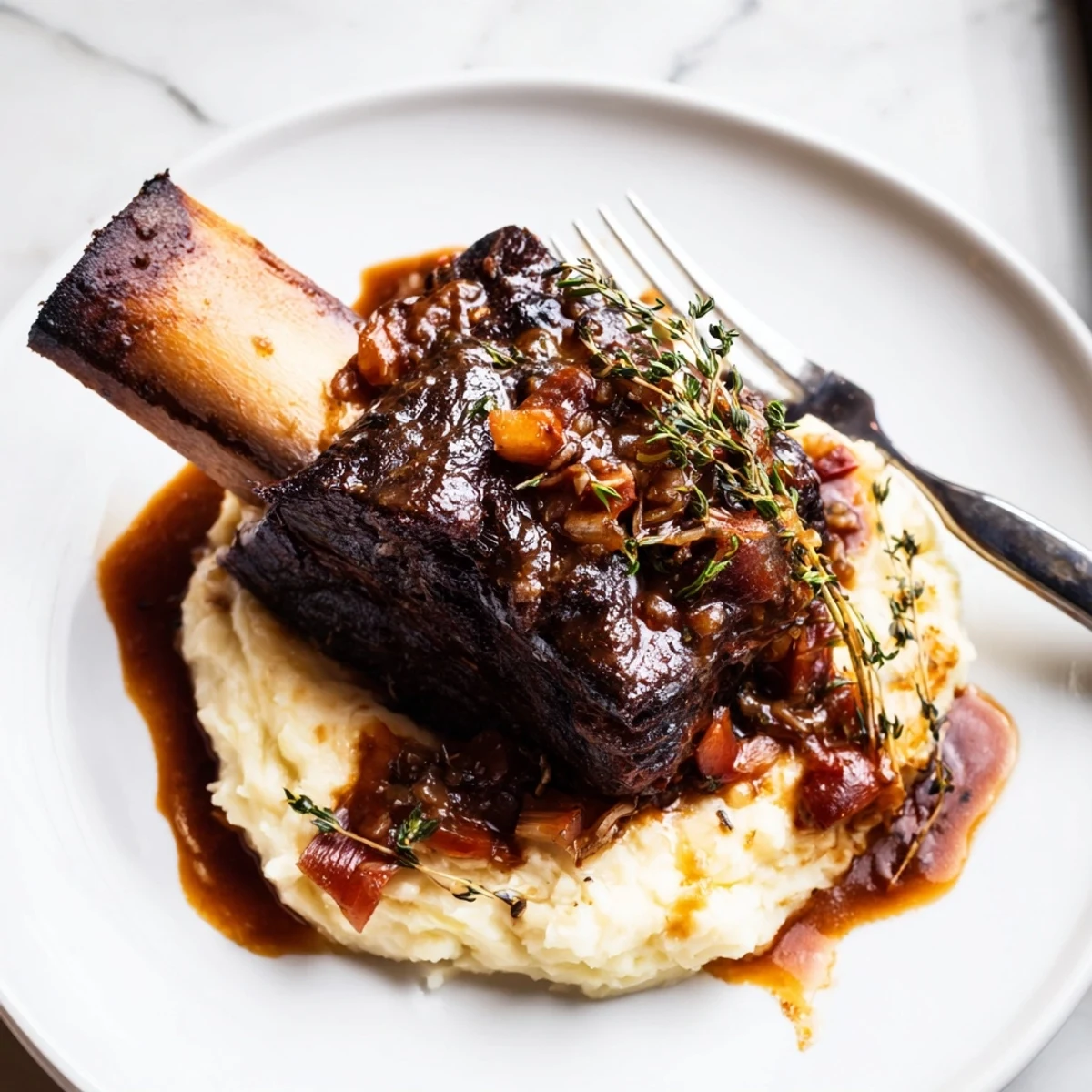
Save One chilly weekend, we served these short ribs for friends who’d been on the road all day, and the moment they walked in, the entire house seemed to exhale. Plates were licked clean and nothing was left but contented sighs and talk of when we’d do it all again. That’s when I realized the meal was as much about togetherness as it was about the recipe.
Getting the Texture Just Right
It took me a few tries to master the fork-tender texture—once you can pull the meat clean away from the bone with little effort, you’re there. The long, slow cooking transforms even tough cuts into comfort, and the patience is well worth it. If you rush it, the meat will still be tough; patience makes all the difference.
Pairings for the Ultimate Dinner
Mashed potatoes are my personal favorite base, but these short ribs are also dreamy over creamy polenta or wide egg noodles. A bold red wine perfectly matches the rich sauce, but even a ginger ale feels right if you want something cozy. Finish the meal with something simple—maybe just a square of dark chocolate or a cup of coffee.
Small Details to Remember
Every batch teaches me a new little trick. If you refrigerate leftovers, the fat rises and solidifies for easy removal so the sauce is even better the next day. Sometimes I’ll add a splash more wine when reheating to revive that depth of flavor.
- Let the meat rest for a few minutes before serving—it helps the juices settle.
- If the sauce is too thin, simmer uncovered for a few minutes with the ribs removed.
- Keep an eye on salt since broths and Worcestershire can be salty already.
 Save
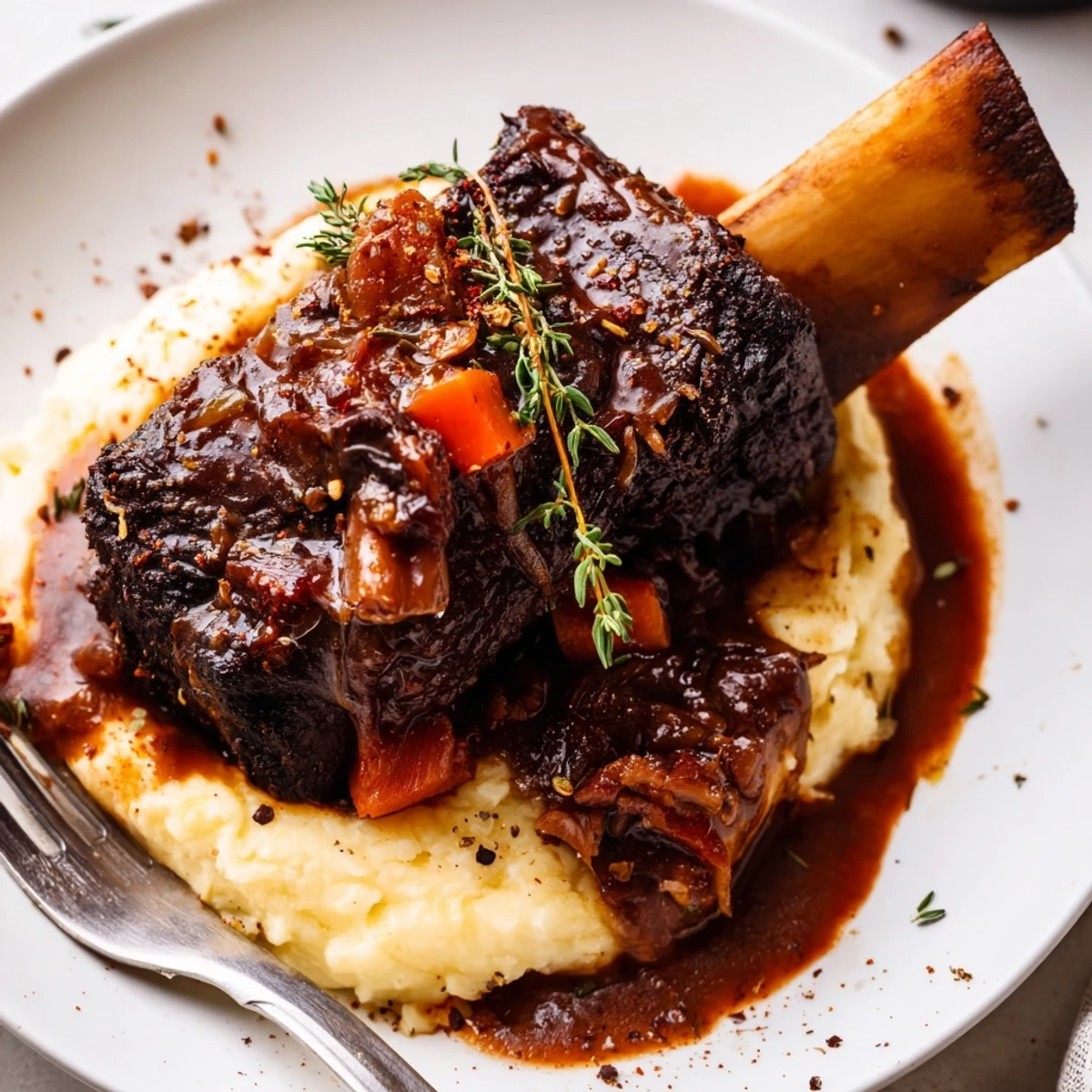
Save There’s something instantly comforting about these slow-cooked short ribs—the kind of dinner that turns any evening into a celebration. If you try it once, don’t be surprised if you’re asked to bring it to every gathering after.
Recipe FAQs
- → Why sear the short ribs before slow cooking?
-
Searing creates a browned crust and caramelized bits that add deep, savory flavor to the cooking liquid and finished sauce.
- → Can I omit the red wine?
-
Yes. Substitute an equal amount of extra beef broth for an alcohol-free option; the braise will still be rich though slightly less acidic.
- → How do I tell when the ribs are done?
-
The meat is ready when it pulls away from the bone easily and feels very tender to the fork after 7 hours on low or 4–5 hours on high.
- → How can I thicken the sauce?
-
Remove the ribs and reduce the cooking liquid on the stove, or strain and blend it, then whisk in a beurre manié or cornstarch slurry to reach the desired body.
- → Can I prepare this ahead of time?
-
Yes. Braise a day ahead, refrigerate, then skim solidified fat, reheat gently and adjust seasoning. Flavors often improve overnight.
- → Any tips for serving and pairings?
-
Serve over mashed potatoes, polenta or wide noodles. A bold red like Cabernet complements the rich meat and red wine sauce.