
 Save
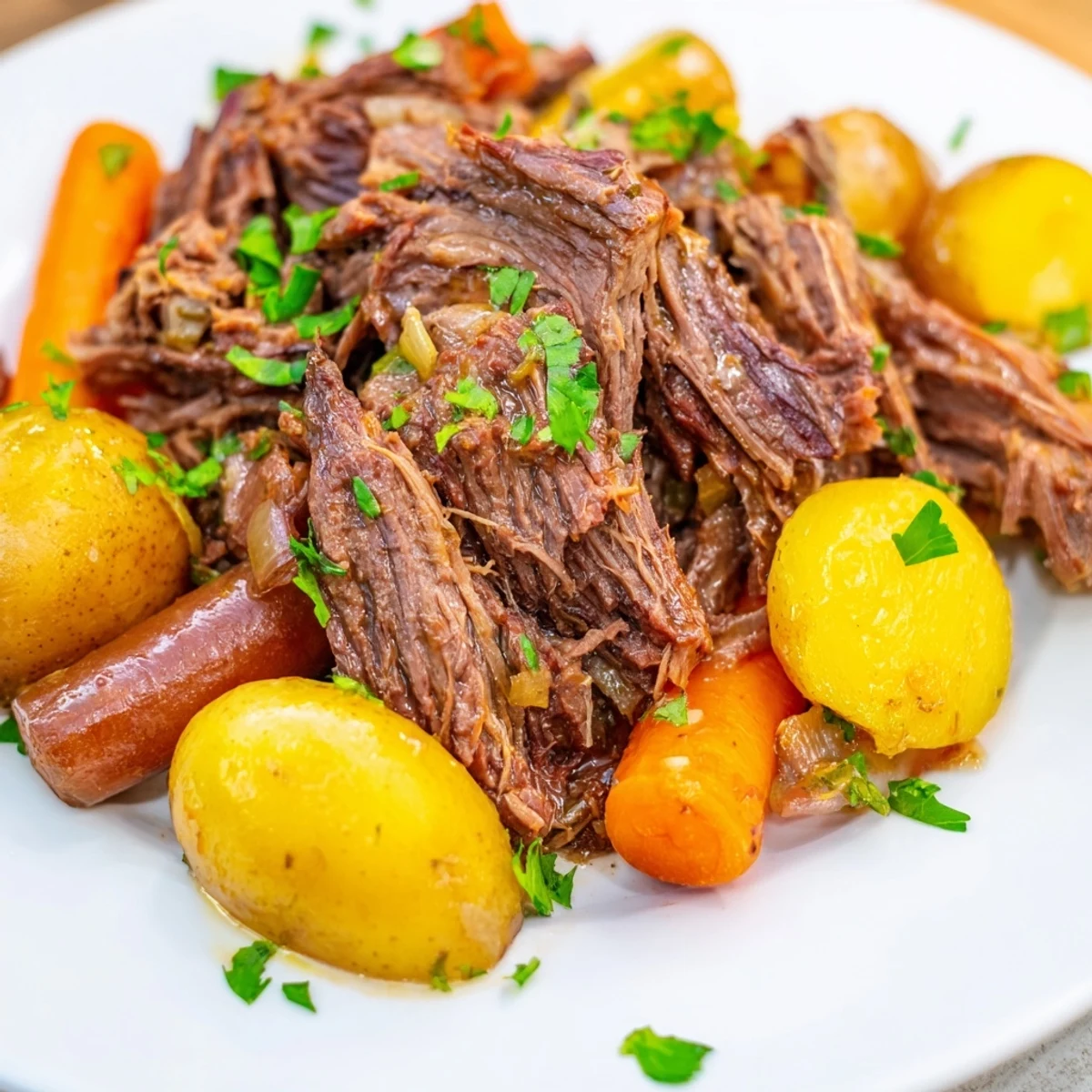
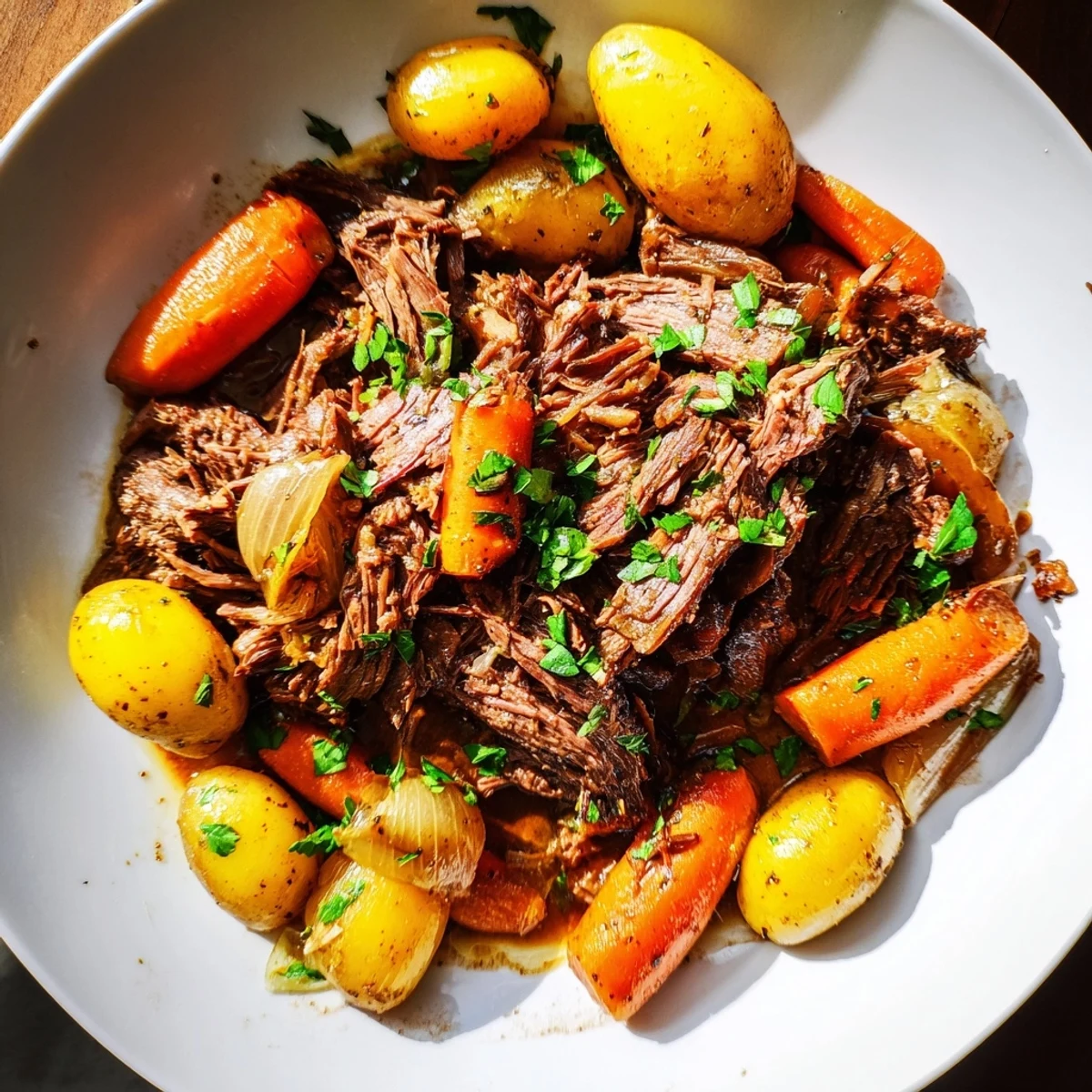
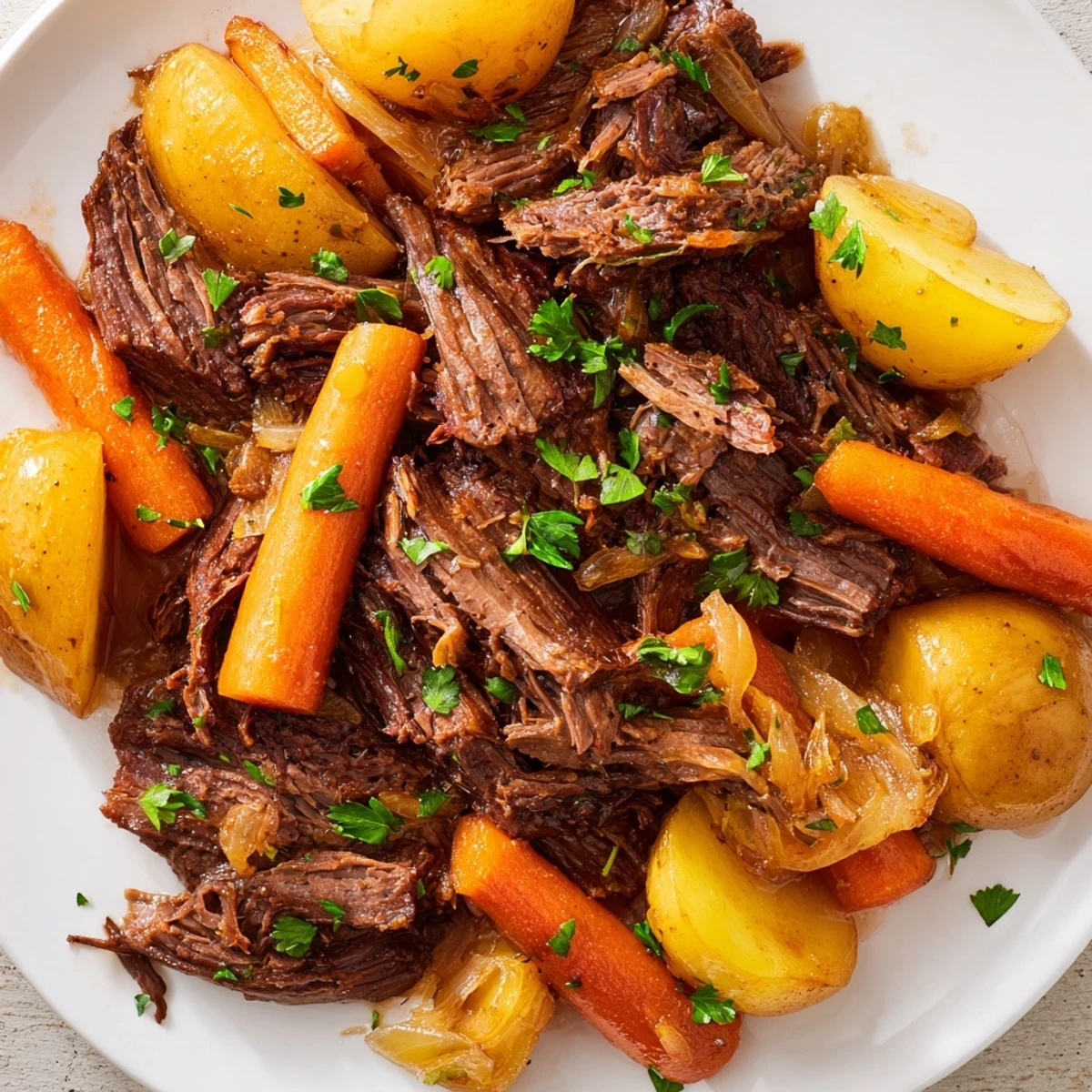
Save This dish features a chuck roast slow-cooked for hours alongside carrots, baby potatoes, onion, and garlic. Aromatic herbs like thyme, rosemary, and bay leaves infuse the meat and vegetables, creating deep, savory flavors. Optional searing locks in juices before cooking, enhancing texture and richness. A mix of beef broth, tomato paste, Worcestershire sauce, and optional red wine add layers of taste. After slow simmering, the meat becomes tender and easy to shred, perfect for a warming family dinner. Garnish with fresh parsley to brighten the plate.
I threw this together on a Sunday morning before heading out to run errands, and when I came home eight hours later, the entire house smelled like a grandmother's kitchen. My neighbor texted asking if I was hosting a dinner party. The meat had turned so tender it barely needed a fork, and the carrots had soaked up all that beefy, herby richness.
The first time I made this for my in-laws, I forgot to remove the bay leaves before serving. My father-in-law fished one out mid-bite and just grinned at me. Now every time he visits, he asks if I remembered to take them out, and we both laugh. That pot roast became our tradition anyway, bay leaf jokes and all.
Ingredients
- Chuck roast: This cut has enough marbling to stay juicy through the long cook, and it shreds beautifully without drying out.
- Carrots: Cut them into big chunks so they hold their shape and dont turn to mush after eight hours in the slow cooker.
- Baby potatoes: I halve them so they soak up the broth but still have a little bite left when you spoon them out.
- Yellow onion: Wedges work better than slices because they soften without disappearing completely into the liquid.
- Garlic: Fresh minced garlic adds a punch that dried just cant match, and it mellows into sweetness as it cooks.
- Beef broth: This is the backbone of the gravy, so use a good-quality broth or homemade stock if you have it.
- Red wine: A splash deepens the flavor, but water or extra broth works fine if you skip it.
- Tomato paste: Just two tablespoons add body and a hint of umami that ties everything together.
- Worcestershire sauce: This brings a tangy, savory note that makes the whole dish taste more complex.
- Thyme and rosemary: Dried herbs are perfect here because they release their oils slowly and evenly over the long simmer.
- Bay leaves: They add a subtle earthiness, just remember to fish them out before serving.
- Fresh parsley: A sprinkle at the end brightens the whole plate and makes it look like you know what youre doing.
Instructions
- Season the beef:
- Pat the roast dry with paper towels so the salt and pepper actually stick. This step might seem small, but moisture is the enemy of a good crust.
- Sear the roast (optional but worth it):
- Heat a little oil in a skillet until it shimmers, then brown the meat on all sides. Youre building flavor here, not cooking it through, so three to four minutes per side is plenty.
- Layer the vegetables:
- Toss the carrots, potatoes, onion, and garlic into the slow cooker first. They act like a bed for the roast and soak up all the drippings as everything cooks.
- Add the roast:
- Lay the seared beef right on top of the vegetables. It will settle in as it cooks and release its juices downward.
- Mix the braising liquid:
- Whisk together the broth, tomato paste, Worcestershire, wine, thyme, and rosemary in a bowl. Pour it over the roast and tuck in the bay leaves.
- Cook low and slow:
- Cover and set the slow cooker to LOW for eight hours. Resist the urge to peek, every time you lift the lid, you lose heat and add time.
- Check for tenderness:
- The beef should shred easily with a fork when its done. If its still firm, give it another hour.
- Remove and plate:
- Fish out the bay leaves, then transfer the roast and vegetables to a serving platter. Pour the cooking juices into a gravy boat or reduce them on the stove if you want a thicker sauce.
- Garnish and serve:
- Scatter fresh parsley over the top. It adds color and a little burst of freshness that balances the richness.
 Save
Save One winter evening, I served this with a loaf of bread still warm from the oven, and my partner dunked slice after slice into the gravy until there was nothing left but crumbs. We didnt talk much, just sat there eating and listening to the snow hit the windows. That meal became the benchmark for comfort in our house.
Making It Your Own
Swap the potatoes for parsnips or turnips if you want something a little less starchy. I tried it once with a mix of root vegetables I found at the farmers market, and it turned out even better than the original. You can also toss in a few sprigs of fresh thyme instead of dried for a brighter, more herbal finish.
What to Do with Leftovers
Shred any leftover beef and pile it onto toasted bread with a smear of horseradish mayo. Or reheat it gently with the vegetables and gravy, then serve it over egg noodles or mashed potatoes. I once turned the last of the pot roast into a filling for hand pies, and they disappeared faster than the original meal.
Serving Suggestions
This pot roast is plenty hearty on its own, but a simple green salad with a sharp vinaigrette cuts through the richness nicely. Crusty bread is non-negotiable in my house, and mashed potatoes or buttered noodles make it feel like a proper Sunday supper.
- Serve the gravy on the side so everyone can control how much they want.
- A dollop of whole-grain mustard on the plate adds a tangy kick that pairs beautifully with the beef.
- Leftovers reheat best in a covered dish with a splash of broth to keep everything moist.
 Save
Save This is the kind of meal that turns a regular weeknight into something worth remembering. Make it once, and it will become the recipe you reach for whenever you need to feel like everythings going to be okay.
Recipe FAQs
- → How can I make the roast more flavorful before cooking?
-
Searing the chuck roast on all sides in a hot skillet seals in juices and adds a deep, caramelized flavor before slow cooking.
- → Can I substitute the vegetables?
-
Yes, parsnips or turnips can replace potatoes for a lower-carb option while maintaining hearty texture.
- → Is red wine necessary in the cooking liquid?
-
Red wine adds depth to the dish but can be omitted or replaced with extra broth for a non-alcoholic version.
- → How long should the pot roast cook for best tenderness?
-
Cooking on LOW setting for about 8 hours allows the meat to become tender enough to shred easily with a fork.
- → What is the purpose of using Worcestershire sauce here?
-
Worcestershire sauce adds a subtle umami richness and enhances the savory profile of the meat and broth.