
 Save
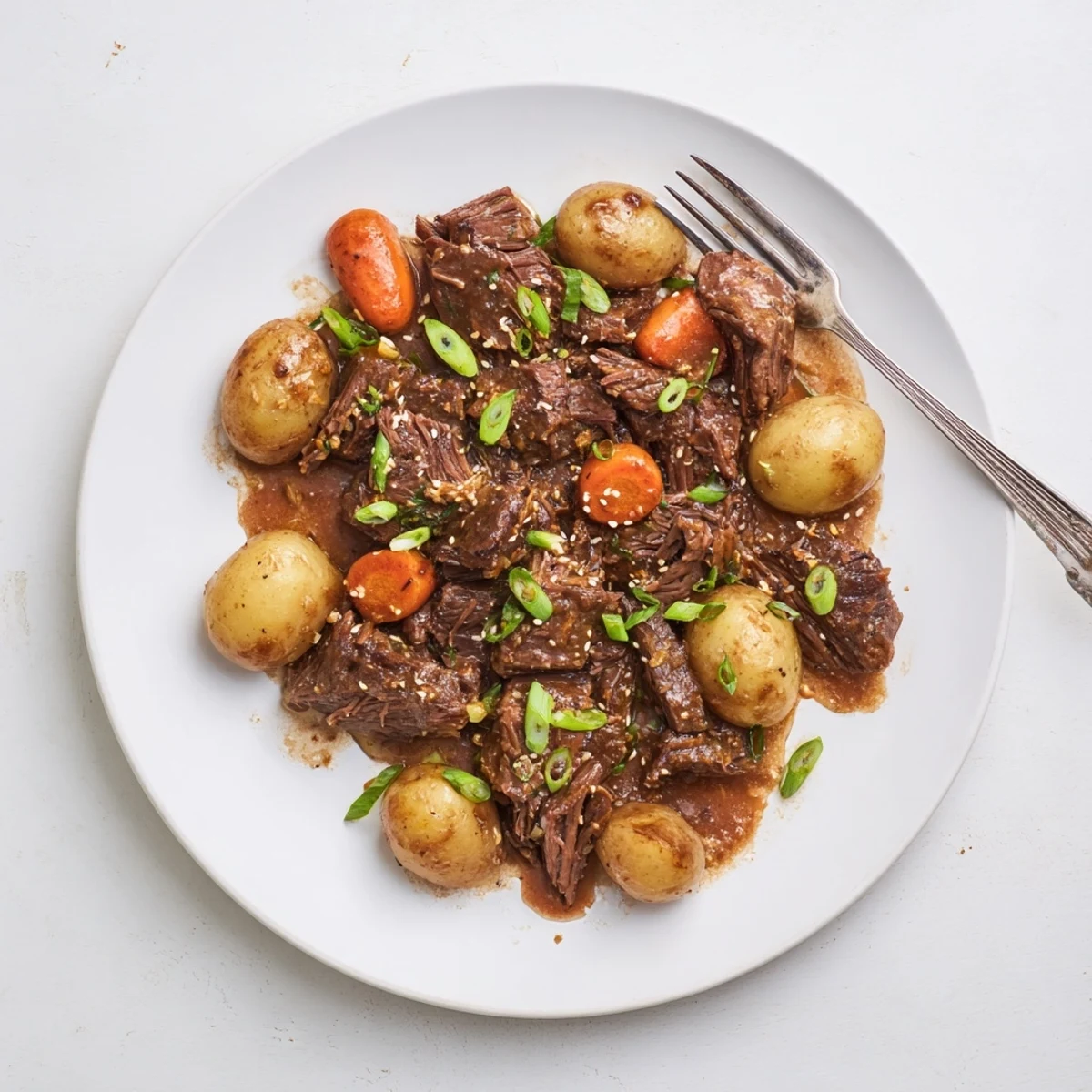
Save This Korean-inspired pot roast transforms a simple beef chuck into an incredibly tender, flavorful main dish. After eight hours in the slow cooker, the meat becomes fork-tender and absorbs the savory blend of soy sauce, sesame oil, garlic, ginger, and gochujang. The accompanying vegetables—onions, carrots, and baby potatoes—cook alongside the beef, becoming soft and infused with the same aromatic flavors. What really makes this special is the soy garlic gravy, created by thickening the cooking liquid into a rich, glossy sauce that perfectly coats every bite. Serve with steamed rice and kimchi for an authentic experience, or enjoy it on its own for a comforting meal that practically cooks itself.
The smell of sesame and garlic hit me the moment I walked through the door, that unmistakable umami-rich scent that makes your stomach growl before you even take off your coat. My roommate had left the slow cooker going all day while we were both at work, something about trying to recreate a dish from a Korean restaurant downtown. Neither of us really knew what we were doing, but eight hours later, we were pulling apart beef with forks and fighting over the last spoonful of that dark, glossy gravy.
I made this for a dinner party last winter when my oven decided to stop working halfway through prep. Panic turned into a blessing in disguise because this version, with its low and slow approach, ended up being more flavorful than anything I had attempted before. My friend Sarah, who claims to hate pot roast, went back for thirds and asked for the recipe before she even put on her coat to leave.
Ingredients
- 3 pounds beef chuck roast: Chuck roast has the perfect amount of marbling to break down into silky, fork-tender strands after hours of slow cooking
- 1/2 cup low-sodium soy sauce: Using low-sodium lets you control the salt level while still building that deep savory foundation
- 1/3 cup beef broth: Adds body and depth without diluting the bold Korean flavors
- 1/4 cup brown sugar: Balances the salty elements and creates that beautiful caramelized finish in the gravy
- 2 tablespoons sesame oil: Toasted sesame oil is non-negotiable here, it is what gives the dish its signature nutty aroma
- 6 cloves garlic, minced: Fresh garlic mellows beautifully during long cooking, infusing every bite without being harsh
- 1 tablespoon fresh ginger, grated: Use fresh ginger, not ground, for that bright, spicy warmth that cuts through the richness
- 2 tablespoons rice vinegar: Adds just enough acidity to cut through the fatty beef and wake up all the other flavors
- 2 tablespoons gochujang: This Korean chili paste brings subtle heat and a fermented depth you cannot get from regular hot sauce
- 1 large yellow onion, sliced: The onions practically dissolve into the sauce, contributing natural sweetness and thickness
- 3 medium carrots: Cut them into larger pieces so they do not turn to mush after eight hours of cooking
- 2 cups baby potatoes, halved: Baby potatoes hold their shape better than larger ones and feel more elegant on the plate
- 2 scallions, thinly sliced: Fresh scallions add a crisp, bright contrast to the rich, slow-cooked flavors
- 1 tablespoon toasted sesame seeds: The final touch that adds crunch and reinforces that sesame flavor throughout
Instructions
- Prep the beef for maximum flavor absorption:
- Pat the chuck roast thoroughly dry with paper towels, then season it generously with salt and pepper on all sides. This simple step helps create better browning and allows the marinade to cling to the meat surface.
- Whisk together the Korean marinade:
- In a mixing bowl, combine the soy sauce, beef broth, brown sugar, sesame oil, garlic, ginger, rice vinegar, and gochujang until the brown sugar has completely dissolved. The mixture should smell intoxicatingly savory with a hint of sweetness.
- Build your flavor foundation:
- Arrange the sliced onions, carrots, and halved baby potatoes in an even layer at the bottom of your slow cooker insert. These vegetables will act as a roasting rack, keeping the beef elevated while infusing the cooking liquid with their sweetness.
- Position the beef and pour over the marinade:
- Lay the seasoned beef chuck roast directly on top of the vegetable bed. Pour the marinade mixture over everything, using tongs to turn the beef and ensure it is well coated on all sides.
- Let the slow cooker work its magic:
- Cook on LOW for 8 hours or until the beef offers zero resistance when pierced with a fork. Resist the urge to lift the lid during cooking, every peek adds about 15 minutes to the cooking time.
- Separate the beef and vegetables:
- Carefully transfer the beef and vegetables to a serving platter, leaving behind as much cooking liquid as possible in the slow cooker. The meat should be falling apart tender at this point.
- Start the gravy transformation:
- Pour the reserved cooking liquid into a saucepan and bring it to a gentle simmer over medium heat. The liquid will have darkened and concentrated during cooking, creating an incredibly flavorful base.
- Thicken to perfect gravy consistency:
- Whisk together the cornstarch and cold water until smooth, then gradually stir this slurry into the simmering liquid. Continue cooking for 2 to 3 minutes, whisking constantly, until the gravy coats the back of a spoon.
- Assemble and serve with intention:
- Shred the beef into generous chunks and arrange it on plates surrounded by the tender vegetables. Drizzle that gorgeous soy garlic gravy over everything, letting it pool around the meat and soak into the potatoes.
- Add the finishing touches:
- Sprinkle the sliced scallions and toasted sesame seeds over the top just before serving. The freshness of the scallions and the crunch of the seeds are the perfect contrast to the meltingly tender beef.
 Save
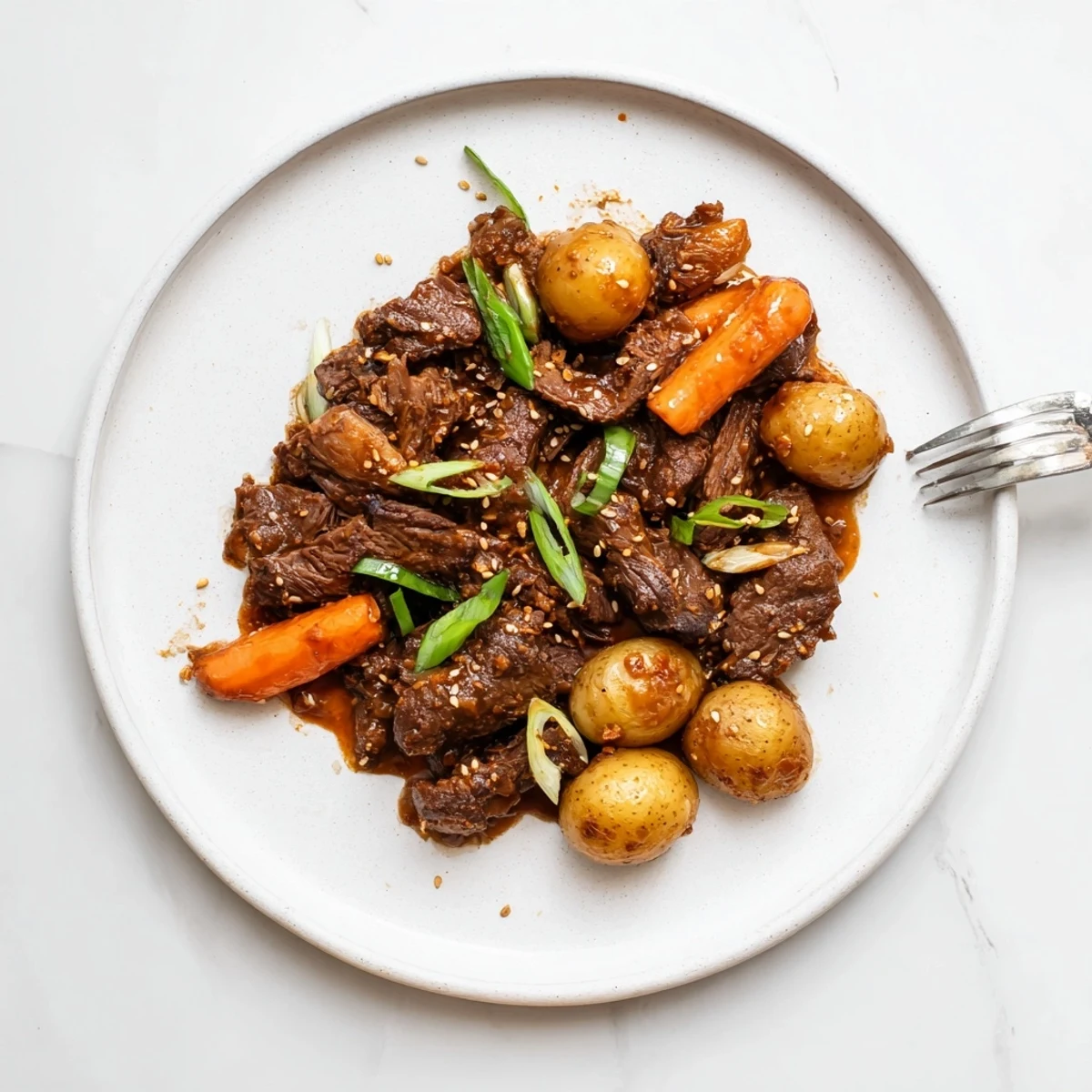
Save This recipe has become my answer to Sunday family dinners, the kind where everyone shows up hungry and stays until the plates are empty. Last month my dad called me specifically to ask how I made the gravy, saying it reminded him of a dish he had in Seoul thirty years ago but could never quite recreate at home.
Making It Your Own
The beauty of this recipe lies in how well it adapts to what you have on hand or what your family prefers. I have made it with boneless short ribs when chuck roast was not available, and while the texture was slightly different, the flavor was just as incredible.
Serving Suggestions
Steamed jasmine rice is the classic pairing, soaking up that soy garlic gravy like a dream. For a lighter option, serve it over cauliflower rice or alongside steamed bok choy that has been quickly stir-fried in sesame oil.
Make-Ahead Magic
This dish actually tastes better on day two, giving the flavors time to meld and deepen even further. The gravy also thickens up beautifully in the refrigerator, making it ideal for meal prep or feeding a crowd.
- Cool the beef completely in the cooking liquid before storing to keep it moist
- Store the gravy separately if you plan to reheat individual portions
- The beef and vegetables freeze well for up to three months
 Save
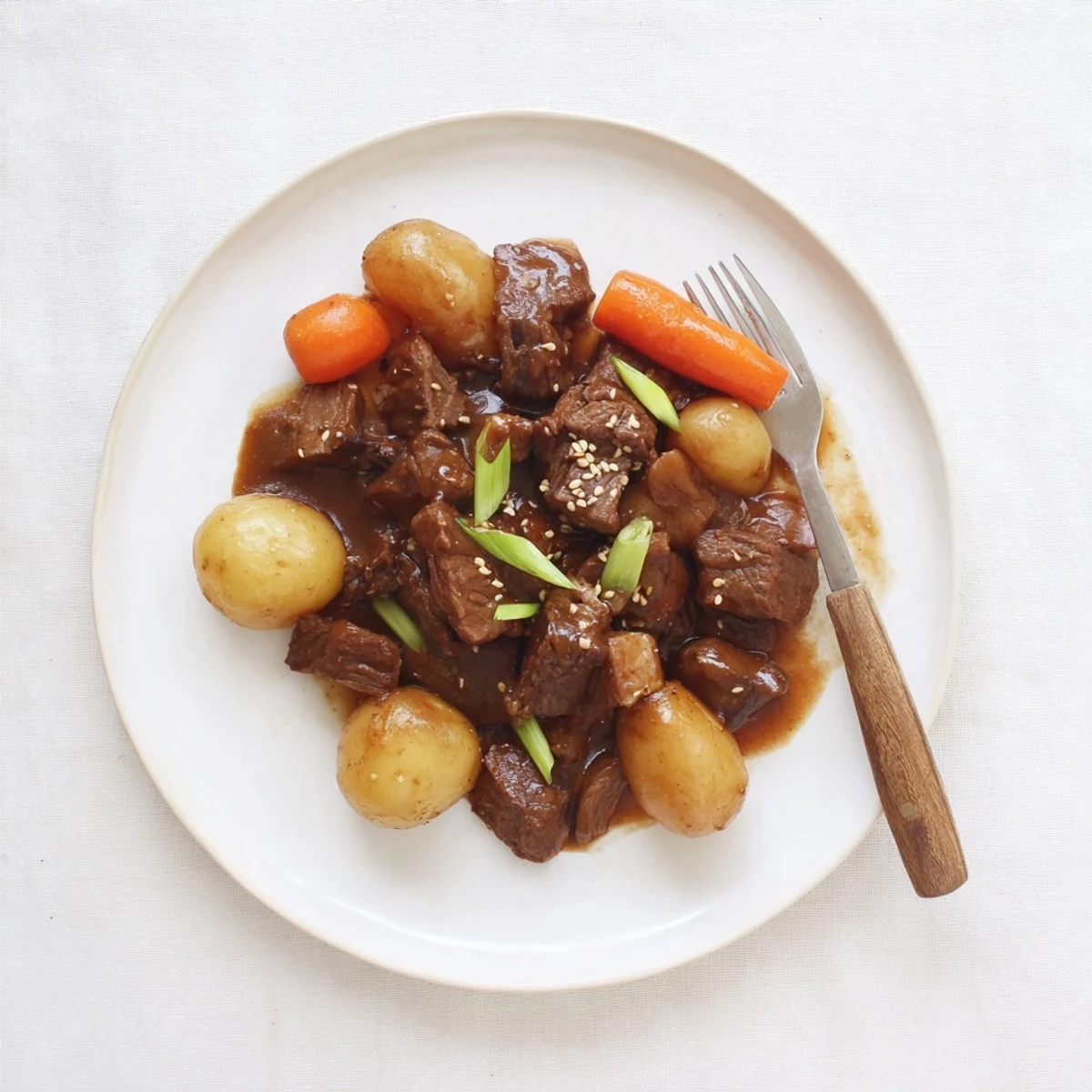
Save There is something deeply satisfying about a meal that cooks itself while you live your life, then rewards you with something this extraordinary.
Recipe FAQs
- → What cut of beef works best for this dish?
-
Chuck roast is ideal because it has plenty of marbling and connective tissue that breaks down during slow cooking, resulting in incredibly tender meat. Other cuts like brisket or round roast can also work well.
- → Can I make this in an Instant Pot instead?
-
Yes, cook on high pressure for 70-80 minutes, then use the sauté function to thicken the gravy. Natural release for 15 minutes before quick releasing.
- → Is this dish very spicy?
-
The gochujang provides mild heat. You can easily adjust the spice level by adding more or less gochujang, or incorporating red pepper flakes for extra warmth.
- → How long does this keep in the refrigerator?
-
Store leftovers in an airtight container for up to 4 days. The flavors actually develop and improve over time. Reheat gently with a splash of broth or water.
- → Can I freeze this Korean beef?
-
Absolutely. Freeze the shredded beef and gravy together for up to 3 months. Thaw overnight in the refrigerator and reheat slowly on the stovetop or in the microwave.
- → What should I serve with this?
-
Steamed white or brown rice is classic, but it also pairs beautifully with mashed potatoes, crusty bread, or served over noodles. Kimchi adds a perfect acidic contrast.