
 Save
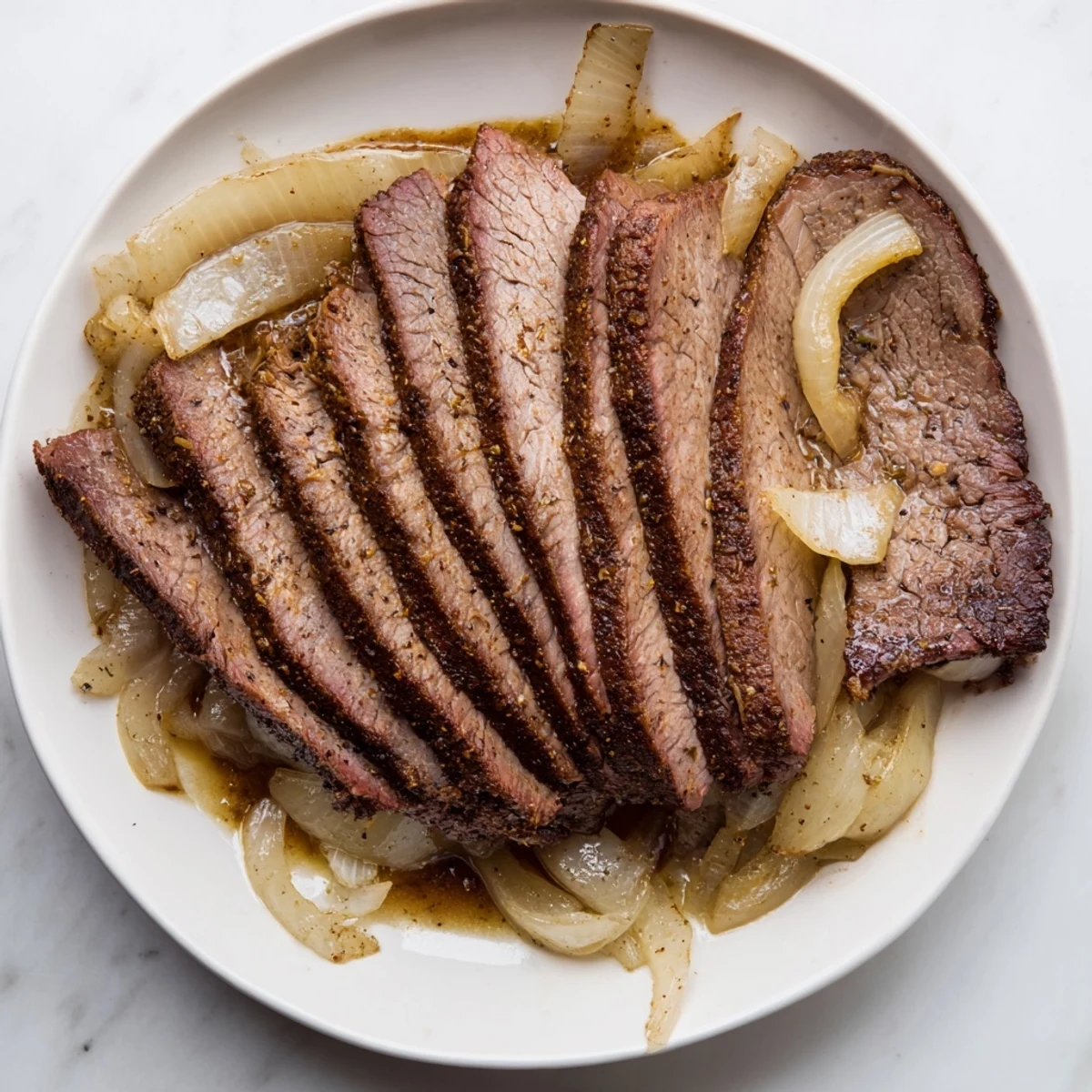
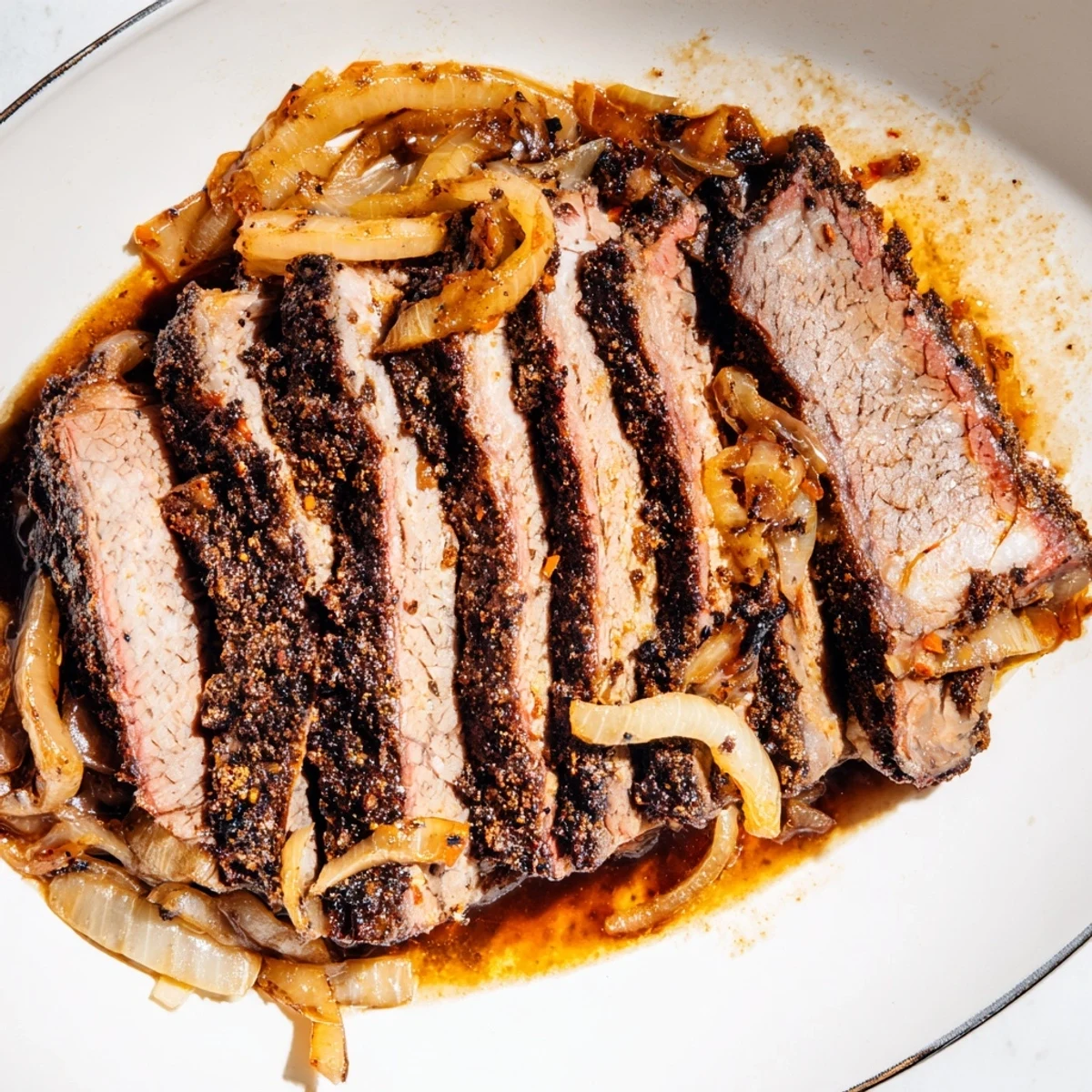
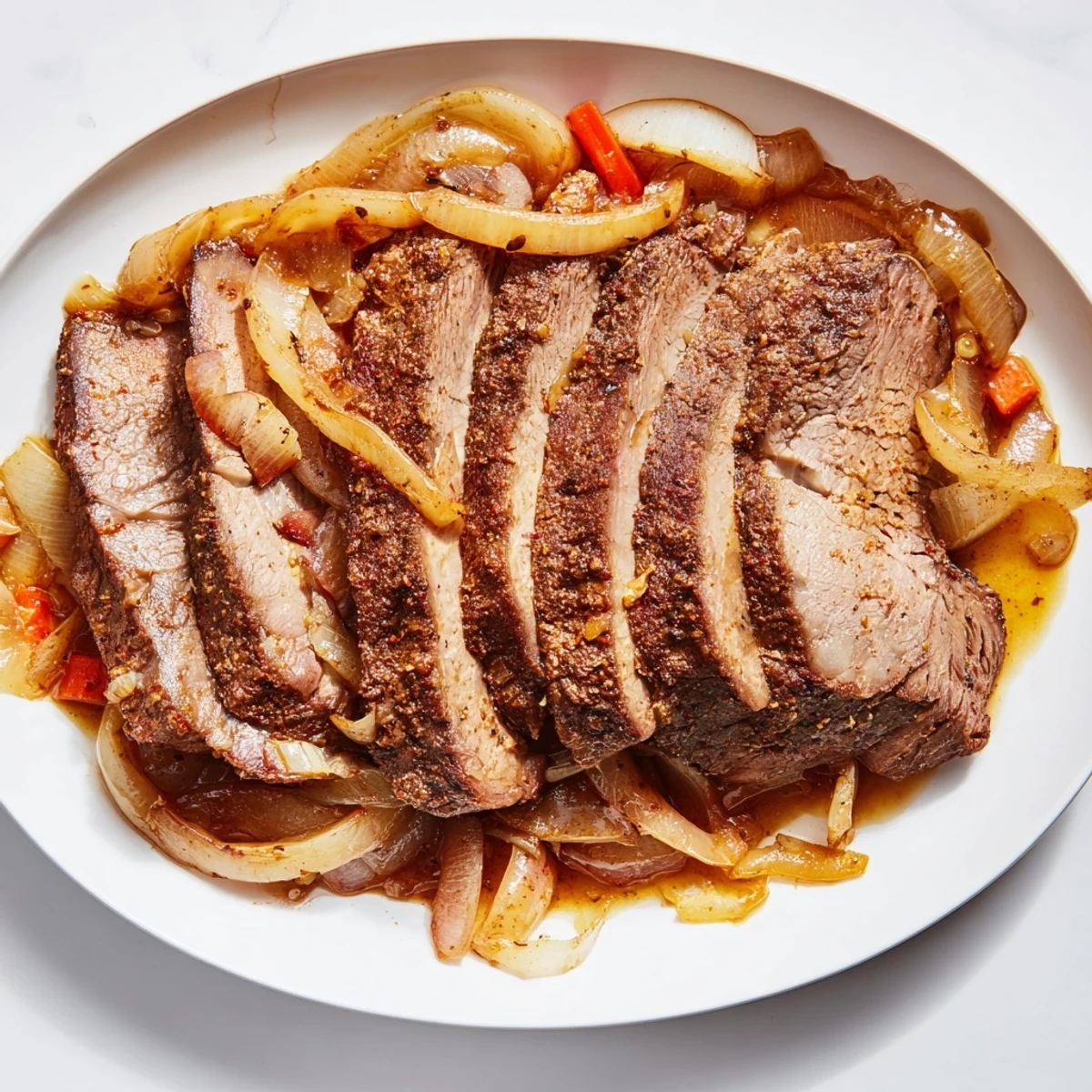
Save This classic brisket is slow-cooked for hours to achieve tender, juicy meat packed with layered flavors. A spice rub of smoked paprika, garlic, and cumin enhances the beef's natural richness, while onions, garlic cloves, and carrots add a subtle sweetness. The brisket braises in a mix of beef broth, red wine, and Worcestershire sauce, resulting in deep, savory pan juices. Resting time allows the meat to relax before slicing, perfect for gatherings or special meals. Serve with roasted vegetables or mashed potatoes for a hearty experience.
My dad used to make brisket every few years, and the whole house would smell like a steakhouse by afternoon. I watched him fuss with the temperature, argue with the oven, and somehow always pull out meat so tender it practically fell apart on the fork. Years later, I realized his secret wasn't some culinary magic—it was patience and a good dry rub, the kind that builds a gorgeous crust while the heat does the real work inside.
I made this for my brother's birthday last spring, and I was genuinely nervous—not because of the recipe, but because he's a bit of a meat snob. When he took his first bite, he just closed his eyes and smiled without saying anything, which somehow felt like the highest compliment. That's when I knew this brisket wasn't just food; it was the kind of dish that brings people into the moment.
Ingredients
- Beef brisket (4 lb): Look for one with a nice fat cap—that's your insurance against drying out. Ask your butcher to trim it for you if you're not comfortable doing it yourself.
- Kosher salt: This is the foundation of your rub; it dissolves into the meat better than table salt and doesn't taste metallic.
- Freshly ground black pepper: Grind it yourself if you can; pre-ground loses its punch over time.
- Smoked paprika: This is what gives the rub its depth and color without tasting like liquid smoke.
- Brown sugar: Just a touch to balance the salt and help develop that crust.
- Garlic and onion powder: They concentrate flavor in a way fresh garlic and onion can't quite match in a dry rub.
- Cumin and chili powder: These add warmth and complexity; they're the quiet players that make people wonder what your secret is.
- Sliced onions, garlic, and carrots: These aren't just flavor—they're your braising base that keeps the meat from sticking and add body to the pan juices.
- Beef broth and red wine: The wine adds richness, but honestly, all broth works fine if you want to keep it simple or alcohol-free.
- Worcestershire sauce: Just enough umami to tie everything together without tasting fishy.
Instructions
- Get your oven ready and build your rub:
- Preheat to 300°F while you mix salt, pepper, paprika, brown sugar, garlic powder, onion powder, cumin, and chili powder in a small bowl. This low, slow temperature is non-negotiable—it's what turns a tough cut into something tender.
- Season the brisket generously:
- Pat the meat completely dry with paper towels so the rub sticks properly. Rub the spice mixture all over, getting into every crevice and being generous on the fat cap.
- Build your braising bed:
- Layer sliced onions, smashed garlic, and sliced carrots across the bottom of a large Dutch oven or roasting pan. This creates a moisture cushion and flavors the pan juices.
- Combine and pour your braising liquid:
- Mix beef broth, red wine if using, and Worcestershire sauce in a measuring cup. Pour it around the brisket, not directly on top, so the rub stays intact and the fat cap can develop properly.
- Cover tightly and let time do the work:
- Use foil or a lid to seal in the moisture. This is your signal to step away and trust the process for 4 to 4½ hours.
- Check for fork-tender doneness:
- The brisket is done when a fork slides through without resistance. If it still feels firm, give it another 30 minutes and check again.
- Rest before slicing:
- Let the brisket sit covered for 20 minutes—this stops the carryover cooking and lets the juices redistribute. Slice against the grain, which means cutting perpendicular to the muscle fibers.
 Save
Save There's a moment about halfway through cooking when the kitchen stops being just your workspace and becomes something warmer. The smell is so good it feels like the house is celebrating something, and anyone who walks in suddenly wants to stay. That's when I know a brisket is doing exactly what it's supposed to do.
Why Low and Slow Is Non-Negotiable
Brisket is a tough cut because it comes from a hardworking muscle on the cow. High heat would just dry it out and make it worse. The 300°F oven slowly breaks down the connective tissue and collagen, turning them into gelatin that keeps everything moist and gives the finished dish that silky texture. This is why you can't rush it—the time in the oven is literally transforming the meat at a chemical level.
The Vegetables Are More Than Garnish
Those onions, garlic, and carrots aren't just sides; they're actually working for you the whole time. They prevent the brisket from sitting directly on the hot pan bottom, they release their own moisture and flavor into the braise, and they end up soaked in all that good stuff—which means they're worth eating too. I've found that people often overlook the vegetables, but they're the best part of the braising liquid that serves alongside the meat.
Simple Add-Ons and Variations
Once you nail the basic technique, you can start playing around without breaking anything. Some cooks add a touch of coffee to deepen the rub, others use orange zest or soy sauce in the braising liquid. The spice rub is flexible too—dial back the chili powder if your crowd doesn't like heat, or add more paprika if you want smokiness without the actual liquid smoke.
- Try adding 1 teaspoon of liquid smoke if you want a deeper barbecue flavor without changing the cooking method.
- Serve the pan juices on the side as a sauce, or strain and reduce them on the stovetop for something glossier and more concentrated.
- Leftover brisket makes incredible sandwiches, tacos, or hash—it keeps well in the fridge for days.
 Save
Save Brisket is the kind of recipe that teaches you patience in a kitchen, and once you've made it, you'll understand why people get excited about it at dinner parties. It's not complicated, just honest cooking that respects good ingredients and time.
Recipe FAQs
- → What cut of beef is ideal for this dish?
-
A trimmed beef brisket weighing about 4 pounds provides the best balance of fat and meat for slow cooking.
- → How long should the brisket be cooked?
-
Roast the brisket for approximately 4 to 4½ hours at a low temperature until it becomes fork-tender.
- → Can red wine be substituted in the braising liquid?
-
Yes, dry red wine can be replaced with extra beef broth for a milder flavor.
- → What vegetables complement this beef preparation?
-
Layered onions, garlic cloves, and sliced carrots add sweetness and depth when cooked under the brisket.
- → How can I enhance the smoky flavor?
-
Adding 1 teaspoon of liquid smoke to the braising liquid boosts the smoky aroma without overpowering.