
 Save
Save This flaky dough yields a tender crust with a subtle tang, perfect for rustic savory galettes, tarts, and pies. Combining flour, cold butter, and a touch of yogurt or sour cream, it must be chilled to develop its texture. The dough encases a variety of fillings such as vegetables, cheese, or meats, providing a versatile base for many dishes. Cold ingredients and careful mixing ensure maximum flakiness and rich flavor in every bite. It can be prepared ahead and stored chilled or frozen.
I discovered the magic of a proper galette dough on a rainy autumn afternoon in a small kitchen in Lyon, watching my grandmother work butter into flour with the kind of practiced ease that comes from decades of baking. She never measured, never rushed, and somehow always ended up with the most impossibly flaky, tender crust that would cradle whatever vegetables or cheese we'd gathered that season. Years later, I finally understood her secret wasn't some mysterious technique—it was respect for cold butter, patience with the dough, and understanding that sometimes the simplest things, done with intention, become the most memorable.
I remember bringing a galette made with this dough to a potluck one winter, filled with caramelized onions and sharp cheddar, and watching it disappear before anything else on the table. A friend pulled me aside later asking for the recipe, and I realized that this wasn't just dough—it was the edible foundation of moments worth sharing.
Ingredients
- All-purpose flour (1 1/4 cups or 160 g): The structure-builder that needs to be measured by weight if you want consistency, though a spoon-and-level method works fine in a pinch. I learned this matters most on humid days.
- Fine sea salt (1/4 tsp): Just a whisper to wake up the subtle flavors already hiding in butter and flour—don't skip this, even though it seems like nothing.
- Freshly ground black pepper (1/2 tsp, optional): This transforms the dough from neutral to intentional, especially if you're not adding herbs later. Grind it fresh right before mixing.
- Unsalted butter (8 tbsp or 115 g), cold and cubed: The entire soul of this dough lives here. Cold butter creates those precious pockets of steam that become flakiness. Cut it small, keep it colder than you think necessary, and never be tempted to use room temperature butter no matter how convenient it seems.
- Ice-cold water (1/4 cup or 60 ml, plus more as needed): Cold water is non-negotiable—it keeps the gluten from developing too much and the butter from melting. I keep ice cubes in my water while I work.
- Greek yogurt or sour cream (1 tbsp, optional but recommended): This ingredient changed everything for me. It adds just enough acid to create unbelievable tenderness without adding much liquid, and it's the reason people ask if you've been secretly taking pastry classes.
Instructions
- Gather your mise en place:
- Before you start, make sure your butter is cubed and cold, your water is ice-cold, and your bowl feels cool to the touch. If your kitchen is warm, chill your bowl in the freezer for five minutes. This step takes thirty seconds and changes everything about what you're about to make.
- Combine the dry ingredients:
- Whisk the flour, salt, and pepper together in a large bowl. You're not incorporating air here—just distributing the salt and pepper evenly so every bite of crust will have seasoning. This takes maybe twenty seconds.
- Cut in the butter:
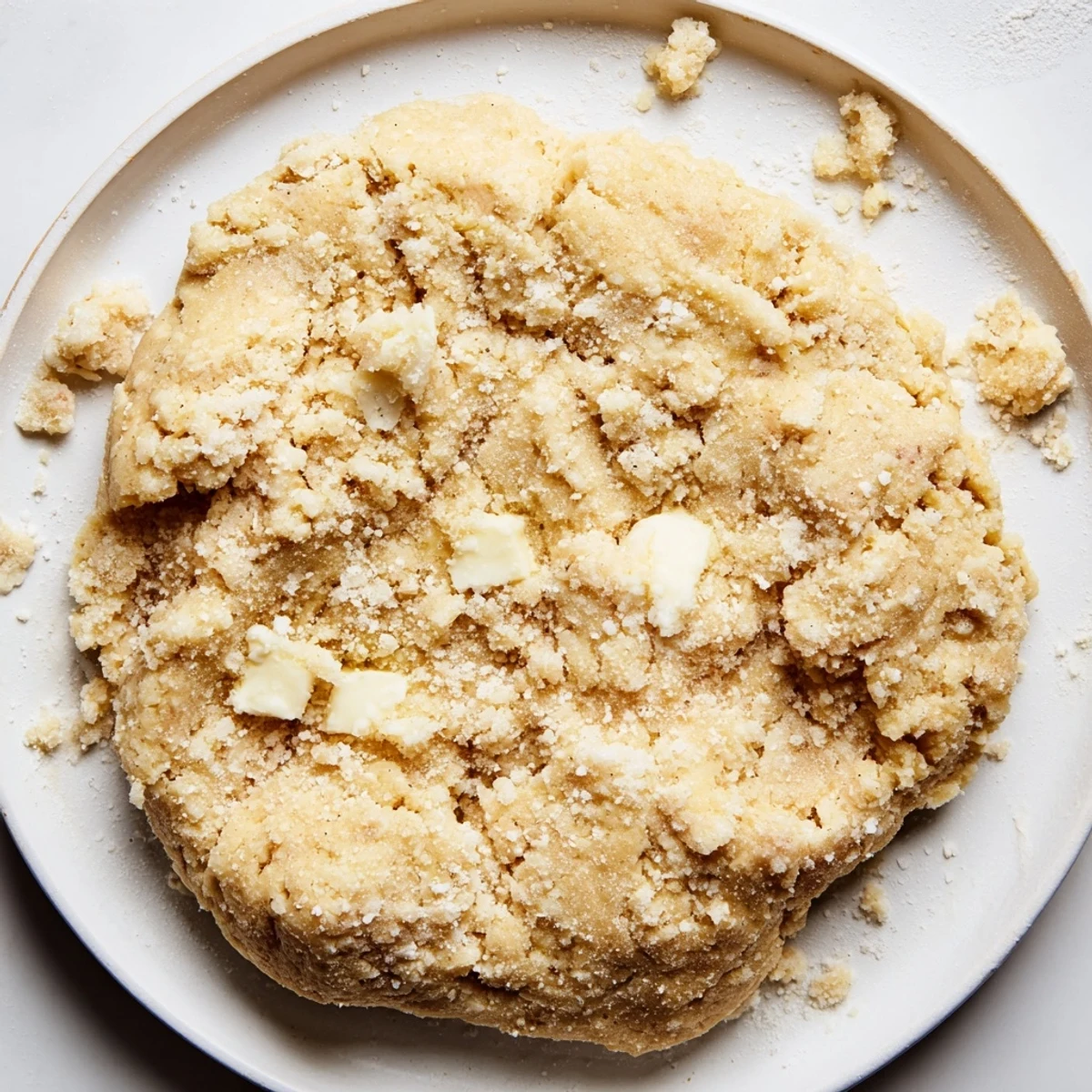
- Add your cold butter cubes to the flour and work them in using a pastry cutter, two forks, or your fingertips. The goal is to break the butter into increasingly smaller pieces while keeping it cold. You want a mixture that looks like coarse breadcrumbs with some larger pea-sized pieces scattered throughout. This is the most important step, and it should take about three to five minutes. If your hands are warm, run them under cold water first. Stop as soon as you reach the right texture—the butter shouldn't be completely invisible.
- Introduce the yogurt:
- If you're using yogurt or sour cream, stir it in gently. It will seem too dry at first, and that's exactly right.
- Add the water gradually:
- Sprinkle the ice-cold water over the mixture a little at a time, mixing gently with a fork after each addition. You're looking for the moment when the dough just barely comes together—there might still be dry flour visible at the bottom of the bowl, and that's okay. Resist the urge to make it look neat and uniform. Add more water one teaspoon at a time only if absolutely necessary. The goal is to handle the dough as little as possible.
- Gather and rest:
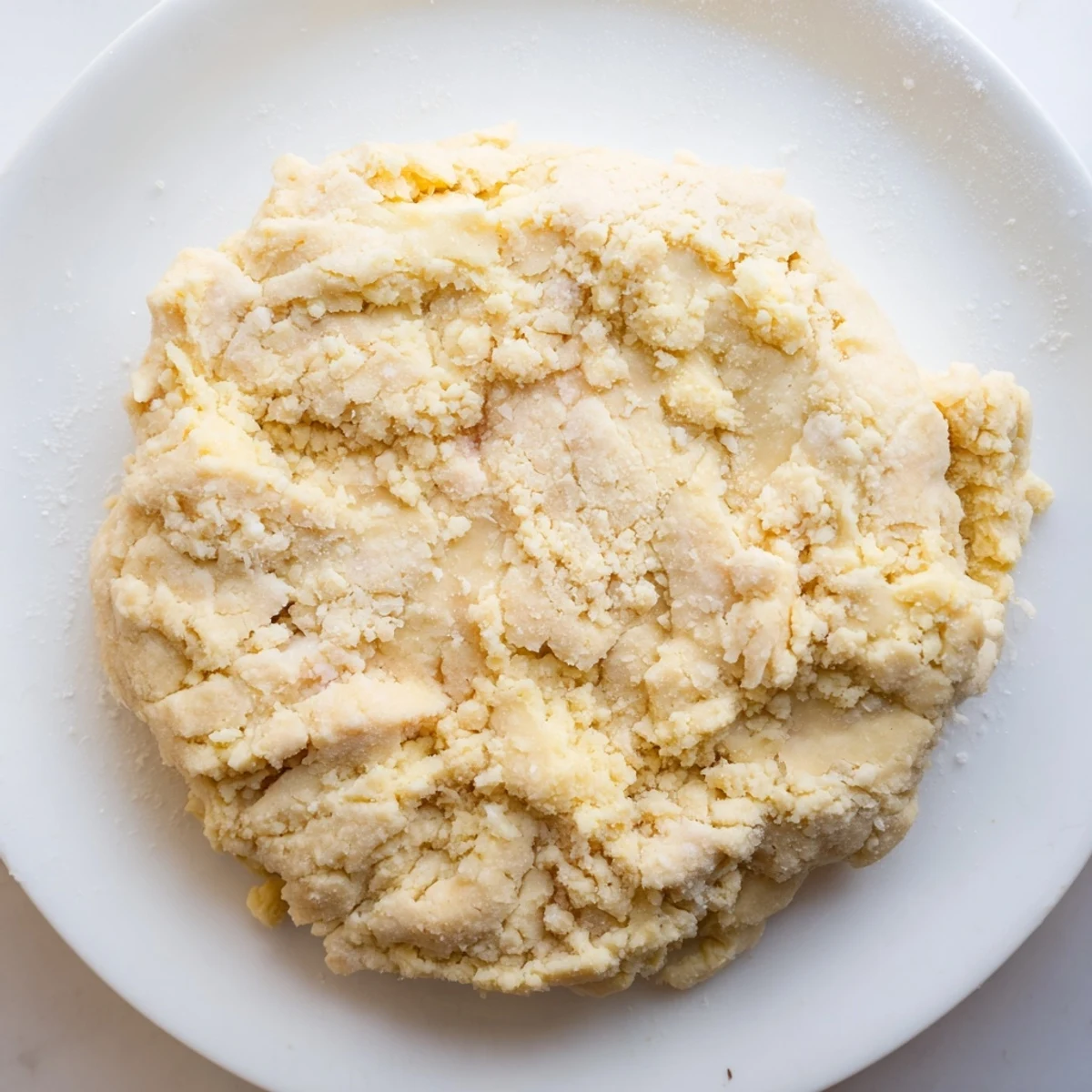
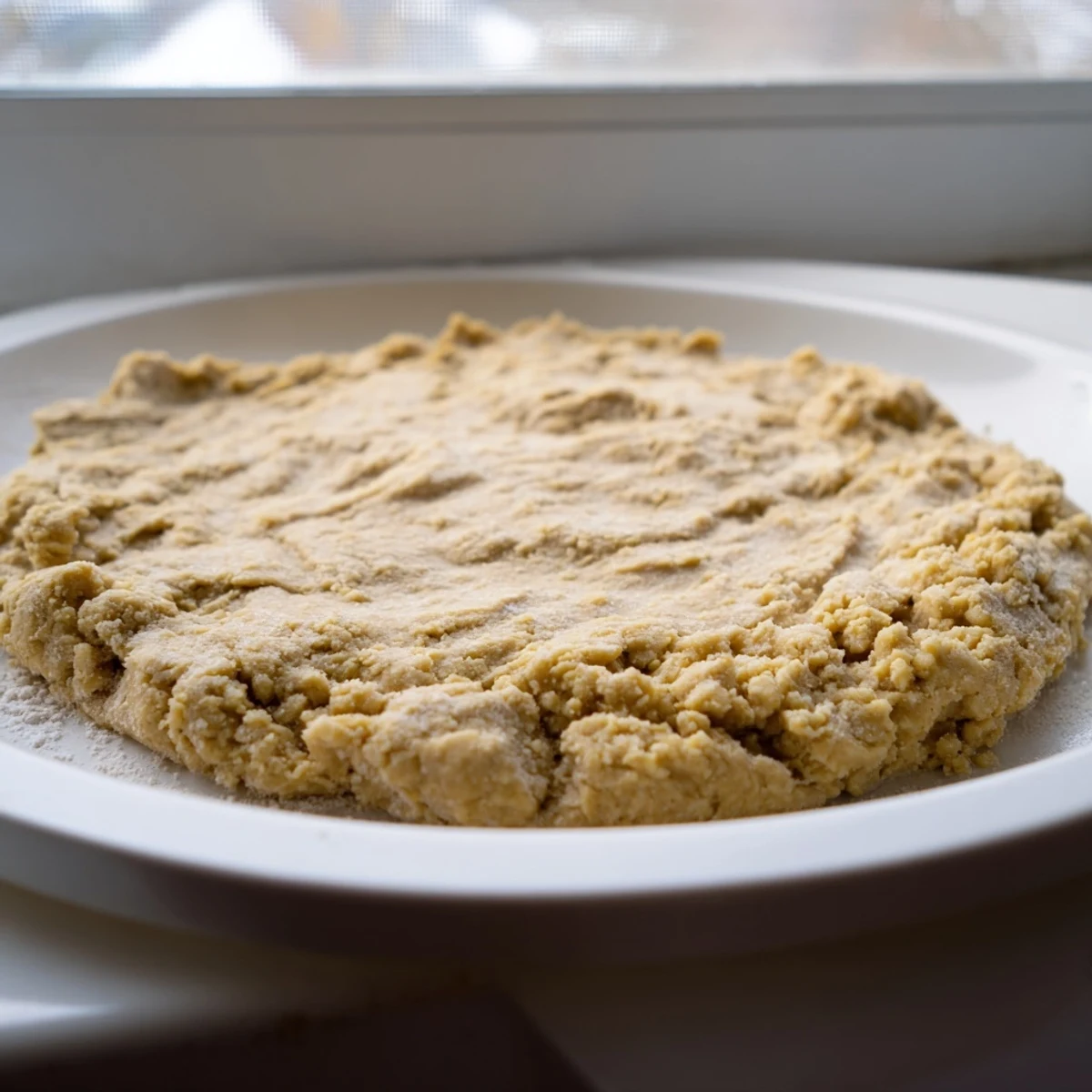
- Using your hands, gently gather the dough together into a rough ball. Flatten it slightly into a disk, wrap it tightly in plastic wrap, and refrigerate for at least thirty minutes. I often make this dough in the morning and use it later that day, or make it the night before. The chill time is when the flour fully hydrates and the gluten relaxes, which means you'll have a more tender, easier-to-roll crust.
 Save
Save There's a moment when you pull a galette from the oven, still steaming, and the crust is golden and crisp and smells like butter and time and care, that you realize this isn't just about technique. It's about creating something that says 'I made this for you' in the most delicious way possible.
When Cold is Everything
I've learned through trial and error—mostly error—that temperature control is the secret language of pastry dough. When you keep everything cold, the flour stays separate from the fat until it meets the water in the oven's heat, which is when the magic happens. Your hands, your bowl, your ingredients, your water—they all matter. On warm days, I've started chilling my measuring cups before scooping flour. It sounds obsessive, but it's the difference between a dough that's easy to work with and one that fights you every step of the way.
Building Flavor Into Your Foundation
This dough is a canvas, but it doesn't have to be blank. I've discovered that stirring in dried herbs—thyme, oregano, a whisper of rosemary—makes the crust taste intentional and sophisticated. If you're planning a cheese and vegetable galette, a few tablespoons of finely grated Parmesan mixed into the flour transforms it into something that tastes less like neutral pastry and more like something that was always meant to be there. Start small though; you can always add more flavor, but you can't take it back.
Flexibility and Storage
One of my favorite things about this dough is how forgiving it is in terms of timing. Made it this morning but dinner plans changed? It lives happily in the fridge for two days. Thinking ahead for next week? It freezes beautifully for up to two months, ready whenever inspiration strikes. I've even kept some in the freezer for those moments when friends drop by and I want to make something impressive without starting from scratch.
- Wrapped tightly and refrigerated, this dough keeps for up to two days and actually improves as it sits, becoming more tender and easier to work with
- For longer storage, wrap your dough disk in plastic wrap, then slide it into a freezer bag and date it. Thaw it in the refrigerator the night before you want to use it
- You can also roll out the dough, shape it on a galette pan, wrap that, and freeze it—the dish will go straight from freezer to oven with just a few extra minutes of baking time
 Save
Save This dough has become my foundation for so many moments—for dinners that mattered, for friends who showed up hungry, for quiet afternoons when I just wanted to make something beautiful with my hands. I hope it becomes yours too.
Recipe FAQs
- → What makes this dough flaky?
-
Cold butter cut into flour creates pea-sized lumps that melt during baking, forming flaky layers within the crust.
- → Can I substitute the yogurt or sour cream?
-
Yes, these add tenderness, but you can omit them or replace with a dairy-free alternative if preferred.
- → How long should the dough chill?
-
At least 30 minutes to firm up and develop structure, ensuring easier rolling and a better texture.
- → Are there options for dietary restrictions?
-
For gluten-free, use a 1:1 gluten-free flour blend; for dairy-free, swap butter with vegan butter and omit yogurt.
- → Can herbs or cheese be added to the dough?
-
Yes, adding dried herbs like thyme or oregano and grated Parmesan can enhance the dough's flavor.