
 Save
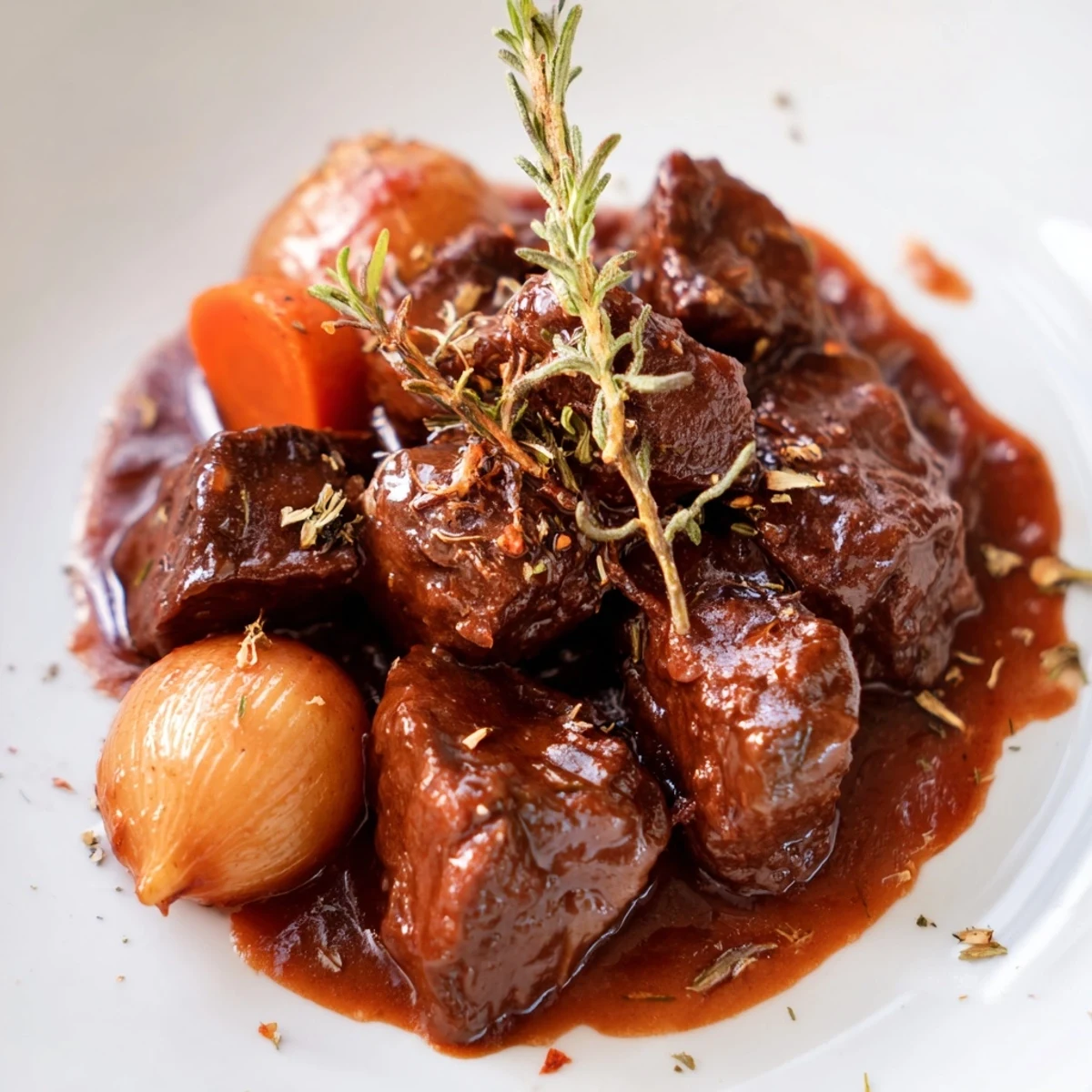
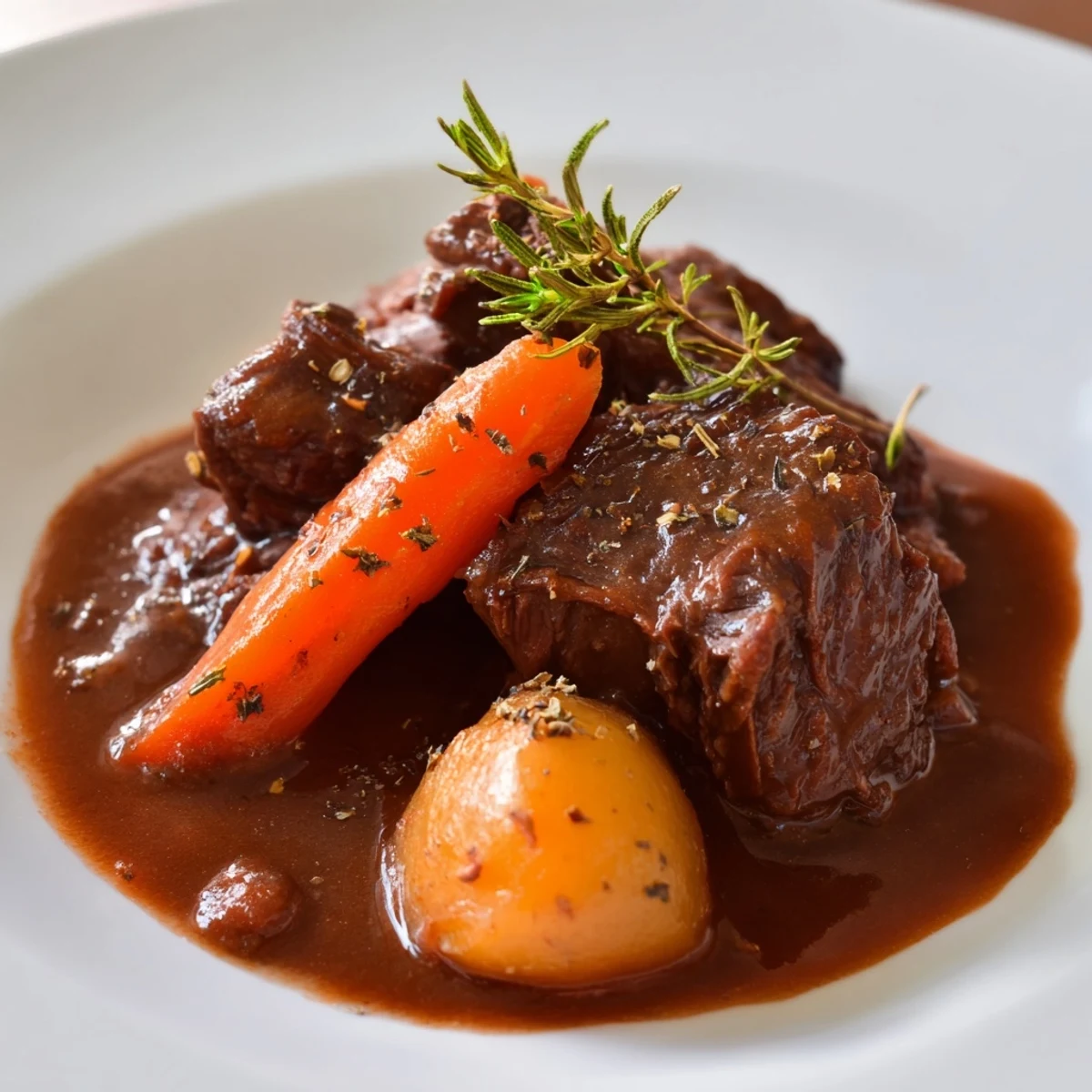
Save This dish features tender beef chuck slow-braised with an aromatic blend of root vegetables including carrots, parsnips, celery, and baby potatoes. The beef is first browned to develop rich flavors then simmered in a savory sauce made with dry red wine, beef broth, tomato paste, and fragrant herbs like thyme and rosemary. The long cooking process yields fork-tender meat and a thick, flavorful sauce perfect for a comforting meal. Ideal served with crusty bread or creamy mashed potatoes, it combines rustic ingredients for a satisfying European main course.
There's something about the smell of beef browning in a Dutch oven on a cold afternoon that makes you feel like you're doing something right in the kitchen. My grandmother used to make a version of this braised beef every winter, and I'd watch the kitchen transform into this steamy, fragrant haven while she worked. The first time I tried making it myself, I was honestly nervous about the low oven temperature and long cooking time, but once I tasted that fork-tender beef melting with the caramelized root vegetables, I understood why she'd made it over and over again. Now it's become my own ritual when the weather turns.
I made this for a dinner party last February when I wanted to impress without spending all day cooking, and someone asked for the recipe before dessert was even served. There's something about a slow-cooked braise that feels both effortless and impressive, like you've revealed some secret about cooking that you didn't even know you had.
Ingredients
- Beef chuck, 800 g in 4 cm cubes: Chuck has just enough fat and connective tissue to become silky when braised low and slow, unlike leaner cuts that can turn tough.
- Carrots and parsnips, peeled and sliced: They add natural sweetness and break down into the sauce, so don't skimp on them or peel them too thin.
- Celery, onion, and garlic: These three create the aromatic base that makes people ask what spice you're using when it's really just layering flavors.
- Baby potatoes, halved: They stay intact during the long cooking instead of turning to mush, and their creamy centers soak up all that savory braising liquid.
- Beef broth and dry red wine: The wine adds a subtle depth that regular broth alone can't touch, so don't use cooking wine.
- Tomato paste: Just two tablespoons adds umami that makes the whole dish taste richer and more complex.
- Bay leaves, thyme, and rosemary: These herbs infuse the sauce without overpowering it, and the bay leaves are essential even though you'll remove them at the end.
- Olive oil and flour: Oil browns the beef properly, and flour thickens the sauce if you want it less liquidy, though it's optional.
Instructions
- Set your oven and prep the beef:
- Preheat your oven to 160°C and pat those beef cubes completely dry with paper towels before seasoning them with salt and pepper. Wet beef won't brown properly, and proper browning is where all the flavor lives.
- Get a beautiful crust on the meat:
- Heat your olive oil in a large Dutch oven over medium-high heat until it shimmers, then brown the beef in batches without crowding the pot. Let each piece sit undisturbed for a minute or two so it develops that golden crust, then set aside.
- Build your flavor foundation:
- In the same pot with all those browned bits stuck to the bottom, add your onion, carrots, parsnips, celery, and garlic. Sauté everything together for 5 to 6 minutes until the vegetables soften and start to release their sweetness, stirring occasionally.
- Create depth with paste and wine:
- Stir in the tomato paste and flour if using, cooking for just one minute to remove the raw flavor. Pour in your red wine and use a wooden spoon to scrape up every browned bit from the bottom of the pot, letting those caramelized flavors mix into the wine.
- Bring it all together:
- Return the beef to the pot along with the potatoes, bay leaves, thyme, rosemary, and beef broth. Stir everything until it's evenly distributed, then bring the whole thing to a gentle simmer.
- Let the oven do the work:
- Cover the Dutch oven, transfer it to your 160°C oven, and let it braise for 2.5 hours or until the beef is so tender it falls apart at the slightest pressure. You'll know it's ready when a fork slides through the meat without resistance.
- Finish and serve:
- Remove the pot from the oven, fish out those bay leaves, taste the sauce, and adjust salt and pepper if needed. Serve everything hot, straight from the Dutch oven if you want to look like you know what you're doing.
 Save
Save The moment when someone takes that first bite and their eyes light up, then they reach for another spoonful before you've even finished plating—that's when this dish stops being just dinner and becomes something you'll make again and again. There's real comfort in food that tastes like it took care, even when the cooking part was mostly hands-off.
Why This Braise Works Every Time
Low and slow cooking transforms tough cuts of meat into something tender through a process that takes time but requires almost no active work from you once everything hits the oven. The long braise also lets all those vegetables break down into the liquid, thickening it naturally while infusing it with their flavor. It's one of those cooking techniques that feels like magic once you understand why it works.
Wine Matters More Than You'd Think
Using actual red wine instead of cooking wine or skipping it altogether changes everything about how this dish tastes. A robust wine like Cabernet Sauvignon adds subtle tannins and acidity that brighten the heavy richness of the beef, creating balance instead of something one-note and heavy. I learned this the hard way by trying to save money once, and the difference was noticeable enough that I never tried it again.
Room for Flexibility and Substitution
One of the best things about a braise is that it's naturally forgiving, so you can swap vegetables based on what you have or what you're craving. Turnips work beautifully if you don't have parsnips, extra carrots work too, and some people add mushrooms or swap in celery root. The core technique stays the same, and the dish adapts without losing its character.
- Serve it with crusty bread to soak up every drop of that incredible sauce, or over creamy mashed potatoes if you want something more substantial.
- Leftovers actually taste better the next day once the flavors have had more time to settle and blend together.
- For a gluten-free version, simply skip the flour or use a gluten-free thickener if you want a thicker sauce.
 Save
Save This is the kind of dish that makes people feel taken care of, and it rewards you with minimal effort for maximum impact. Once you master this technique, you'll find yourself reaching for it whenever you want to cook something that tastes like it came from somewhere special.