
 Save
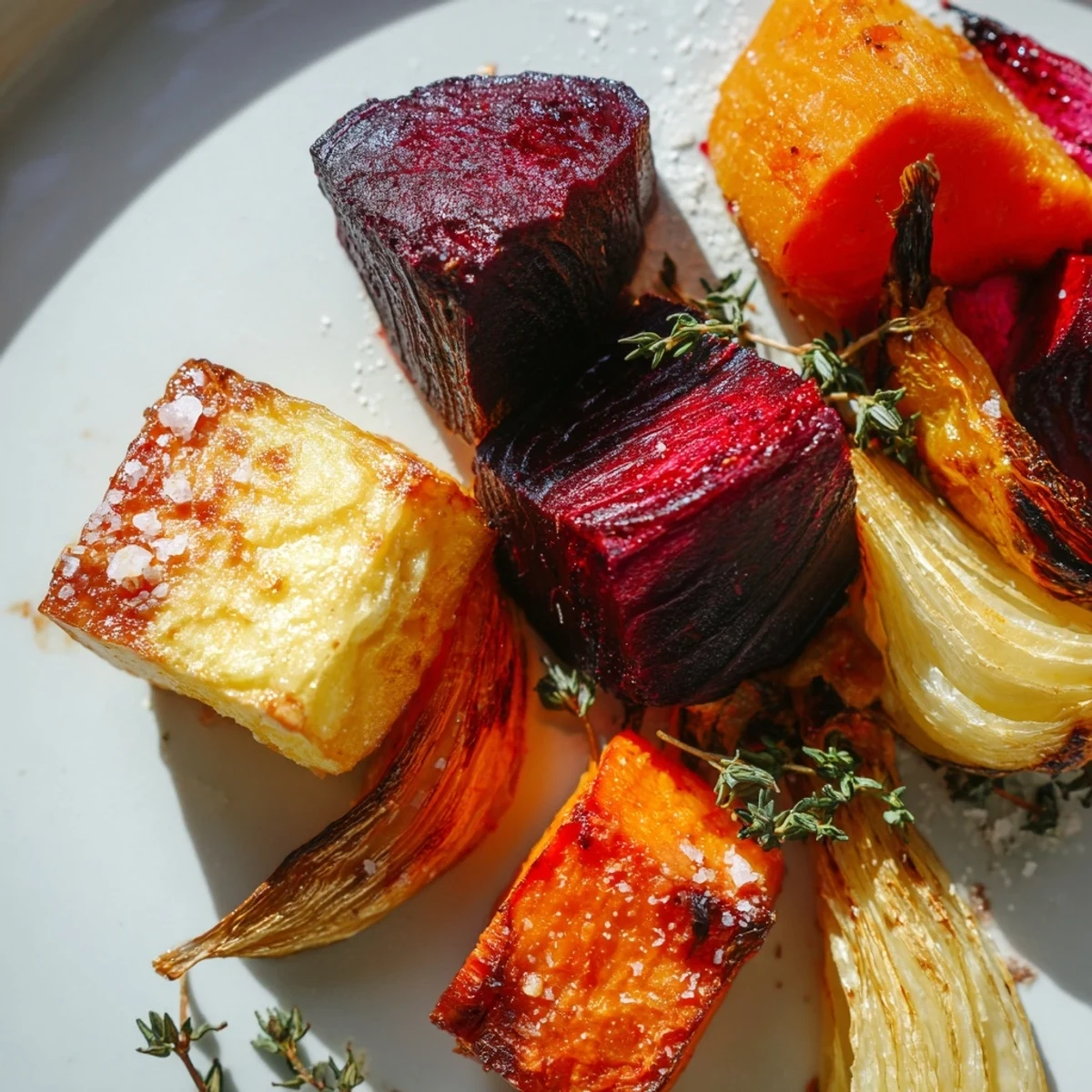
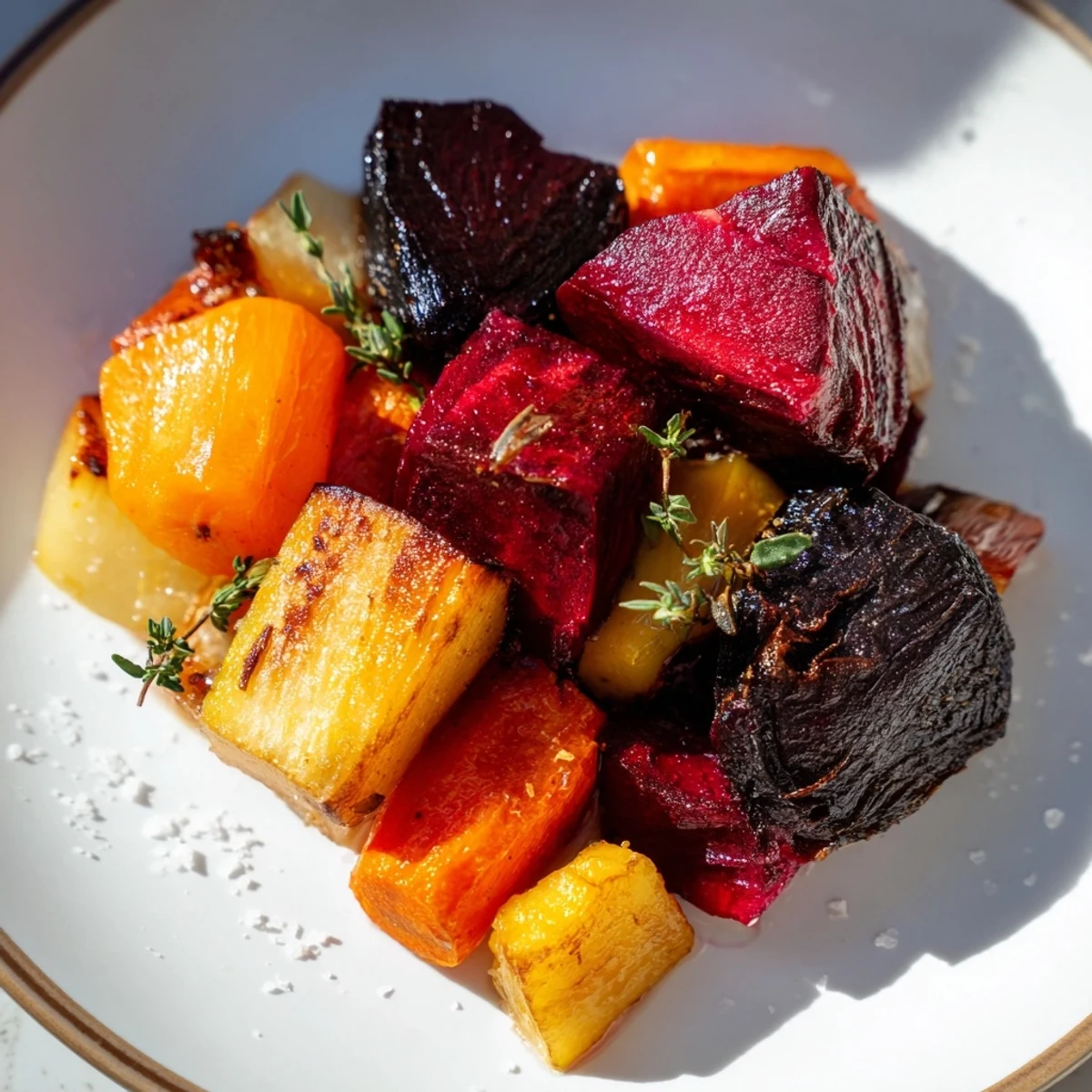
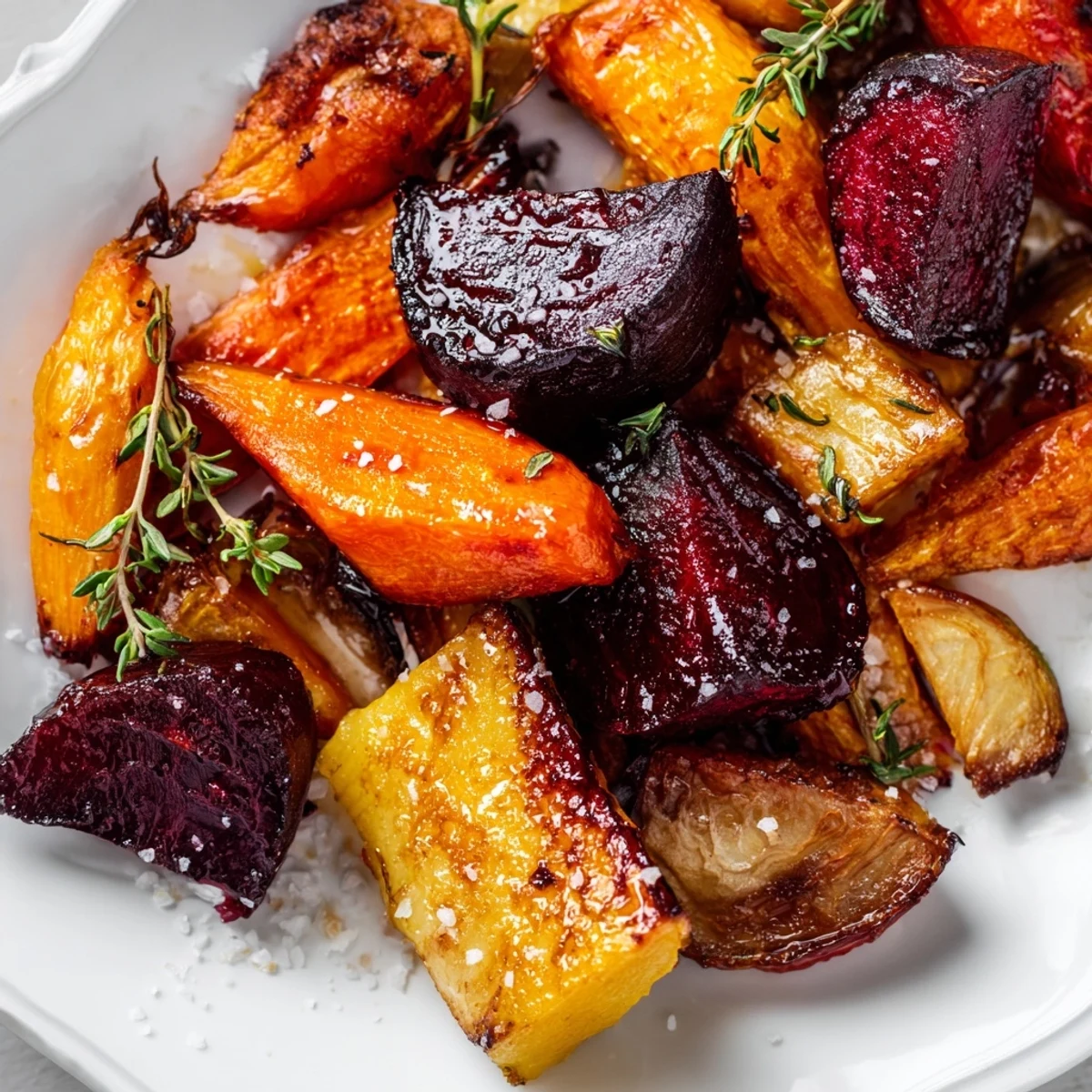
Save This dish features a colorful blend of carrots, parsnips, beets, and sweet potatoes, gently coated with olive oil, thyme, and garlic. Roasting at high heat caramelizes the vegetables, enhancing their natural sweetness while preserving a tender texture. Simple to prepare yet rich in earthy, aromatic flavors, it's an easy way to complement any meal with a wholesome, savory side packed with warmth and depth.
There's something about the smell of root vegetables caramelizing in a hot oven that makes a kitchen feel like home. I discovered this simple roasted roots recipe during a particularly gray autumn when I needed something that felt both grounding and celebratory, and it became the dish I turned to whenever I wanted vegetables to taste like themselves, only better. The thyme and garlic work quietly in the background, coaxing out sweetness you didn't know was hiding in a parsnip or beet. Now it's my go-to when I'm cooking for people who think they don't like vegetables.
I made this for a potluck once and forgot to label it, so someone thought the beets were some exotic preparation. The confusion turned into the best compliment when they came back asking for the recipe. That's when I realized how much it matters to let vegetables shine on their own terms.
Ingredients
- Carrots: Two large ones cut into chunks roast into tender sweetness, and their natural sugars caramelize beautifully against the pan.
- Parsnips: These are the sleeper hit—earthy and slightly sweet, they become almost creamy in the center when roasted properly.
- Beets: Their deep color and minerality balance the sweeter vegetables, and don't worry about the pink juice; it all stays in the pan.
- Sweet potato: A single small one adds richness without overpowering, but you can skip it if you want a savory-leaning side instead.
- Olive oil: Two tablespoons is the right amount to encourage browning without making everything heavy or greasy.
- Fresh thyme: If you can find it, fresh thyme makes all the difference; the dried version works but tastes a bit more dusty by comparison.
- Garlic cloves: Smashed rather than minced means the flavor infuses without burning, and you can fish them out at the end if you want.
- Sea salt and black pepper: These are your only seasonings, so use good ones and taste as you go.
Instructions
- Get Your Oven Ready:
- Set it to 425°F and let it heat while you prep your vegetables. A truly hot oven is the secret to getting those caramelized edges.
- Prep and Combine:
- Peel and cut your root vegetables into roughly 1-inch chunks—they don't need to be perfect, just consistent so everything finishes at the same time. Toss them all in a large bowl and breathe in that raw vegetable smell.
- Dress It All:
- Drizzle the olive oil over everything, then scatter the thyme, salt, and pepper across the top. Add your smashed garlic cloves and toss with your hands until every piece is lightly coated and glistening.
- Spread and Roast:
- Pour the vegetables onto your baking sheet in a single layer, trying not to overcrowd them so they'll actually roast instead of steam. Pop them in the oven for 35–40 minutes, turning everything once halfway through with a spatula.
- Know When It's Done:
- The vegetables are ready when the edges are deeply golden and you can pierce the largest beet with a fork without resistance. Your kitchen should smell unbelievably good by now.
- Finish and Serve:
- Pull them from the oven and let them cool just enough to handle. Fish out the garlic cloves if you want a milder finish, or leave them in if you love that soft garlic flavor throughout.
 Save
Save The first time someone told me they'd never had a beet before trying my roasted roots, I felt like I'd introduced them to an old friend. There's something about eating vegetables that taste like themselves, just elevated and warm, that feels genuinely generous.
Why Roasting Changes Everything
Roasting isn't just another cooking method; it's a transformation. The high heat caramelizes the natural sugars in root vegetables, turning something earthy into something sweet and complex. Raw beets taste mineral and clean, but roasted ones taste almost like candy. The same goes for carrots and parsnips—the oven unlocks flavors that seem impossible in their raw form.
Making It Your Own
This recipe is forgiving enough to change based on what you have or what you're craving. In winter, I stick to carrots and beets for their earthiness. Come late fall, I'll throw in a chunk of rutabaga or turnip if I find them at the market. You can absolutely roast your favorite roots using this same method and timing.
Serving and Storage Ideas
These roasted roots taste best served warm, but they're equally wonderful at room temperature or even chilled the next day. I've found myself pulling leftover roasted vegetables from the fridge and dropping them into grain bowls, roasted vegetable salads, or even blending them into soup. They keep well in an airtight container for up to four days.
- Warm them gently in a 350°F oven for five minutes if you want that fresh-roasted feeling again.
- A drizzle of honey before roasting adds luxury if you're not keeping this vegan.
- Fresh herbs like parsley or dill scattered on top just before serving brighten everything beautifully.
 Save
Save This is the kind of recipe that makes you realize how little it takes to make vegetables feel special. Roast these for someone and watch their face change.
Recipe FAQs
- → What root vegetables work best for roasting?
-
Carrots, parsnips, beets, and sweet potatoes are ideal due to their firm texture and natural sweetness, which caramelize nicely when roasted.
- → How does thyme enhance the flavor?
-
Thyme adds a fragrant, earthy note that complements the sweetness of the roots, balancing and enriching the overall taste.
- → Can I prepare the dish ahead of time?
-
Yes, chopping and seasoning the vegetables in advance allows flavors to meld, but roasting is best done just before serving for optimal texture.
- → What is the ideal roasting temperature and time?
-
Roasting at 425°F (220°C) for 35–40 minutes ensures a golden, tender outcome with caramelized edges.
- → Are there variations to this medley?
-
You can add other roots like turnip or rutabaga, or drizzle honey for sweetness if desired, adjusting to personal preference.