
 Save
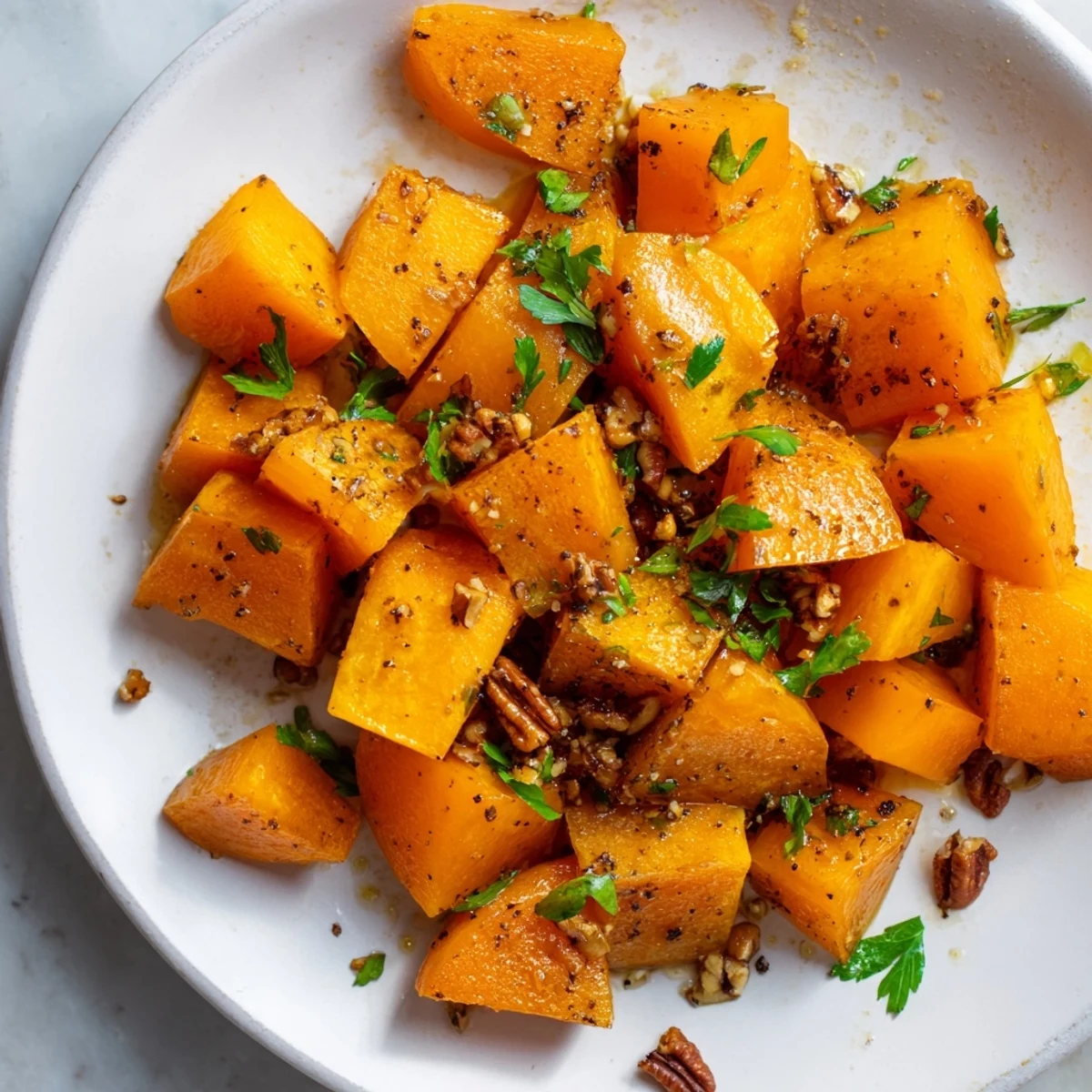
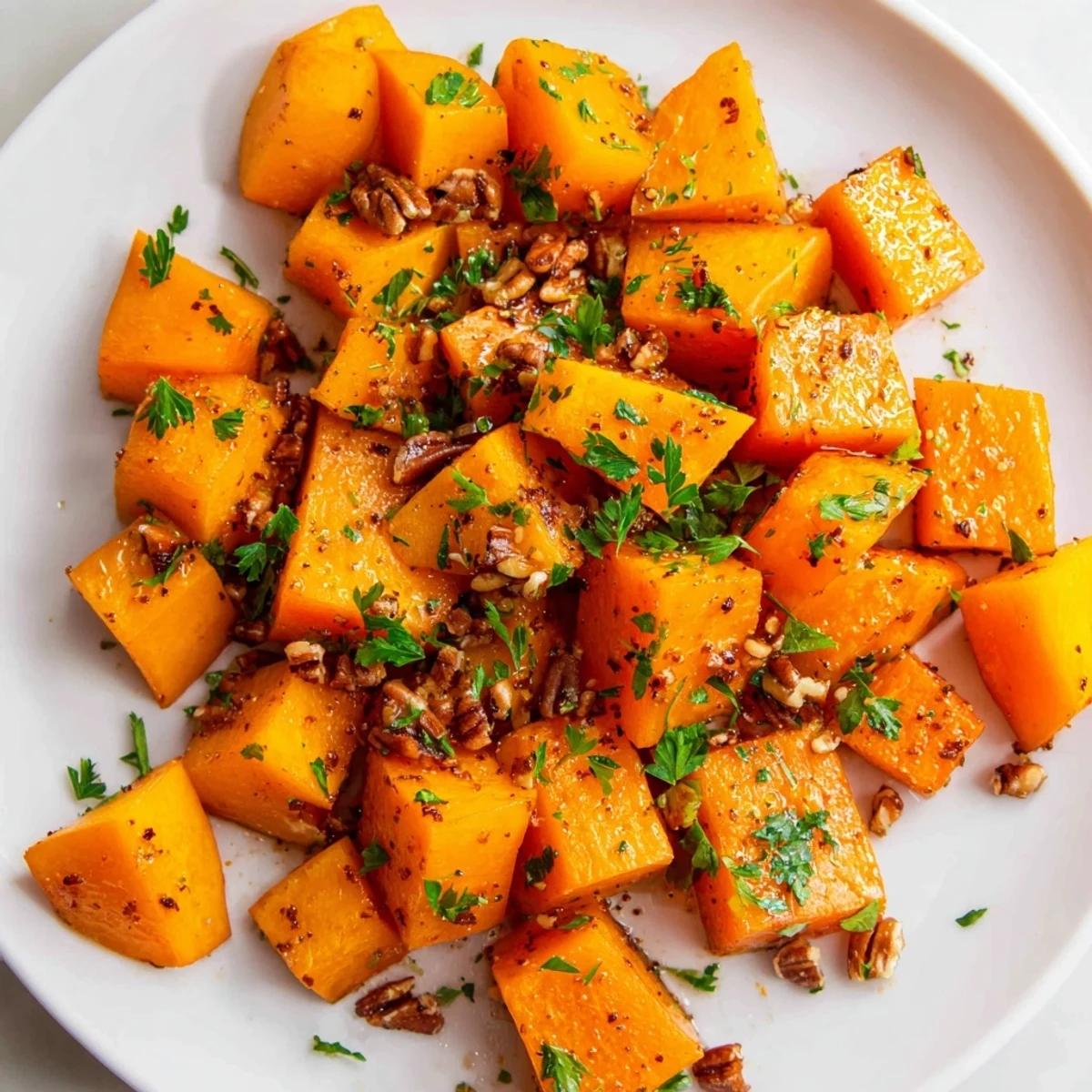
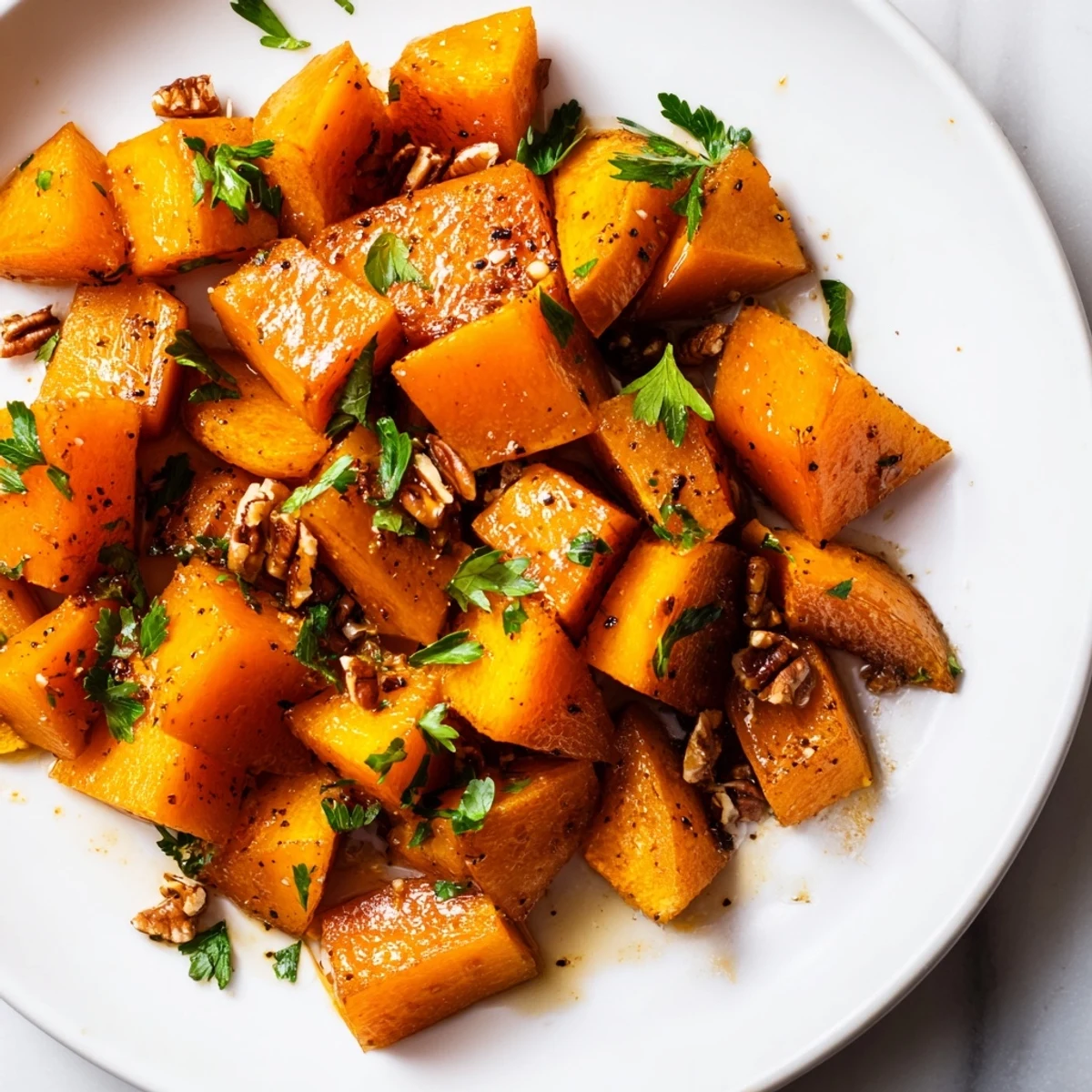
Save This dish features tender cubes of butternut squash seasoned and glazed with olive oil, maple syrup, salt, pepper, and optional cinnamon. Roasted at a high temperature until caramelized edges develop, it offers a rich blend of sweet and savory flavors. Garnishing with fresh herbs and toasted nuts adds a delightful crunch and herbal aroma. Ideal for complementing autumn and winter meals, it pairs beautifully with roasted poultry or pork.
There's something about autumn that makes me crave the simple pleasure of roasted butternut squash. I still remember the first time I made this—I was hosting a small dinner party and wanted something that felt both elegant and effortless. The moment that golden squash came out of the oven, caramelized at the edges and glistening with maple syrup, I knew I'd found my go-to side dish.
What I love most is when people come back for thirds, surprised that they're eating squash. That happened at my Thanksgiving last year when my usually skeptical nephew asked for the recipe. There's real magic in how the edges get crispy while the inside stays tender.
Ingredients
- 1 medium butternut squash (about 2 lbs), peeled, seeded, and cut into 1-inch cubes: I always buy squash that feels heavy for its size—it means it's full of natural sweetness. Pro tip: peel and cut it while it's still slightly cool from the fridge; it's easier to handle and less slippery.
- 2 tbsp pure maple syrup: Don't skimp here. Real maple syrup makes a difference you can taste. Grade A or B both work beautifully.
- 2 tbsp olive oil: This is what gets those caramelized edges. Use a good quality oil you'd actually eat straight.
- 1/2 tsp salt: Season generously—it brings out the squash's natural sweetness.
- 1/4 tsp freshly ground black pepper: Freshly ground makes all the difference. Stale pepper won't do this justice.
- 1/4 tsp ground cinnamon (optional): I use this every time. It whispers warmth without taking over.
- 1 tbsp chopped fresh parsley or thyme and 2 tbsp toasted pecans or walnuts for garnish (optional): These finish the dish with texture and a hint of earthiness. Toast your nuts yourself—it's worth it.
Instructions
- Get Everything Ready:
- Preheat your oven to 425°F and line a baking sheet with parchment paper. This high heat is key—it's going to create those caramelized edges while keeping the inside creamy. If you don't have parchment, a well-oiled sheet works too, you'll just need a spatula to help turn the pieces.
- Create the Glaze:
- Toss your squash cubes into a large bowl with the olive oil, maple syrup, salt, pepper, and cinnamon. Use your hands if you need to—there's something satisfying about making sure every piece gets coated. You want everything glistening and evenly dressed.
- Spread and Roast:
- Lay the squash in a single layer on your baking sheet. This is important—crowding the pan means steaming instead of roasting. You'll hear a gentle sizzle as it hits the hot pan. After about 15 minutes, give everything a gentle turn. You're looking for tender flesh and edges that are starting to brown and caramelize, about 30 to 35 minutes total.
- The Final Touch:
- Transfer to a warm serving dish, scatter your herbs and toasted nuts across the top if you're using them, and bring it to the table. The squash will still be warm and perfect for eating right away.
 Save
Save I made this dish for my grandmother last winter, and she took one bite and closed her eyes. That's when I knew it was special. It became her favorite side, and now whenever family gathers, someone asks if I'm making the maple squash. It's become part of our story.
Keeping It Fresh
Roasted butternut squash keeps beautifully in the refrigerator for up to four days in an airtight container. You can reheat it gently in a 300°F oven for about ten minutes, or even eat it cold straight from the fridge on a salad. The flavor actually deepens as it sits, which is why I don't mind making it ahead.
When You're Missing Something
If you don't have maple syrup, honey works wonderfully and gives a slightly different but equally delicious caramel. A splash of balsamic vinegar added at the end adds complexity and a subtle tang. No fresh herbs on hand? A tiny pinch of cayenne pepper or smoked paprika at the very end brings warmth and depth that feels intentional rather than like you're improvising.
Serving Ideas That Clicked
This dish sings alongside roasted chicken or pork, but it's equally at home on a vegetarian table with grain bowls or roasted vegetables. I've served it at potlucks, holiday dinners, and casual weeknight meals. It works everywhere because it feels both comforting and special at the same time.
- Try serving it over creamy polenta for a vegetarian main course that feels indulgent.
- Toss cooled roasted squash into a salad with kale, feta, and a sherry vinaigrette for a warm salad that holds up beautifully.
- If you have leftovers, puree them with a bit of cream or broth to make a silky soup that tastes like autumn in a bowl.
 Save
Save This recipe has taught me that the simplest dishes, made with good ingredients and a little attention to detail, are often the ones that linger in memory longest. I hope it becomes one of your kitchen favorites too.
Recipe FAQs
- → How do I ensure the squash is evenly roasted?
-
Cut the butternut squash into uniform 1-inch cubes and spread them in a single layer on the baking sheet to promote even roasting and caramelization.
- → Can I substitute maple syrup with another sweetener?
-
Yes, honey can be used as a natural alternative to maple syrup for glazing the squash.
- → What herbs pair well as a garnish?
-
Fresh parsley or thyme complements the dish well, adding bright herbal notes to the sweet-savory profile.
- → Are toasted nuts necessary for the dish?
-
Toasted pecans or walnuts add texture and a nutty flavor but can be omitted based on preference or allergies.
- → Can I add extra spices to enhance flavor?
-
Adding a pinch of cayenne pepper or smoked paprika can provide a subtle heat and smoky depth to the glaze.