
 Save
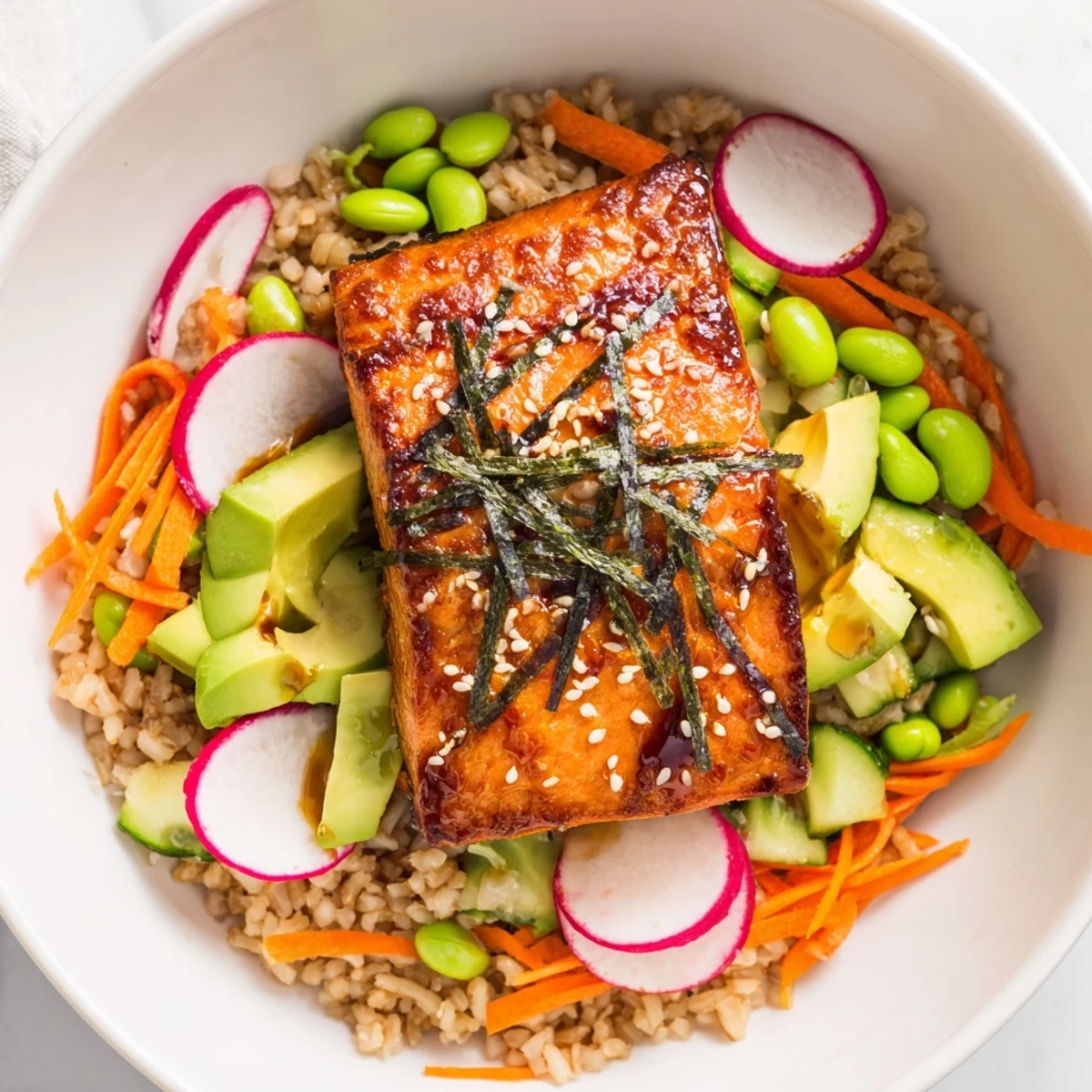
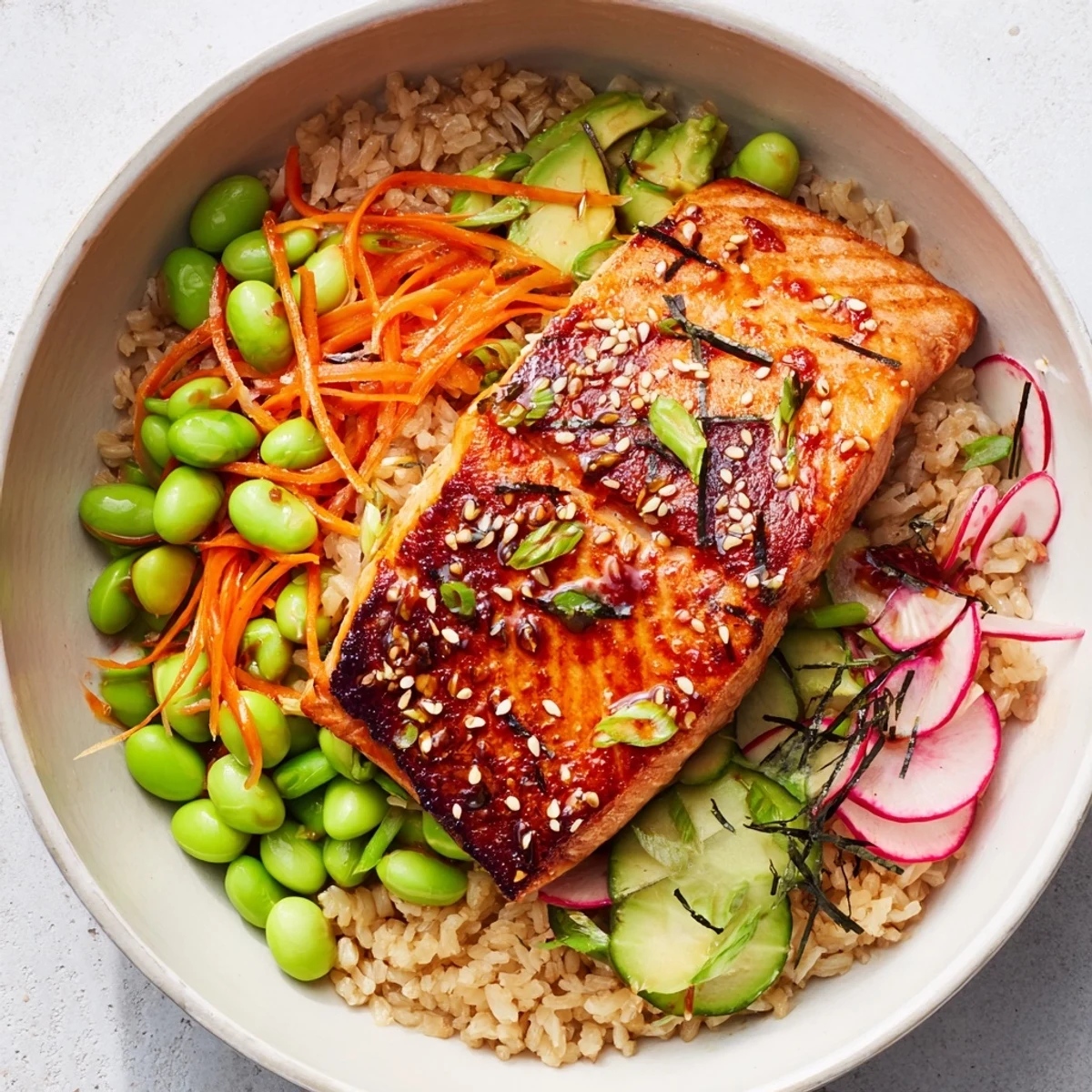
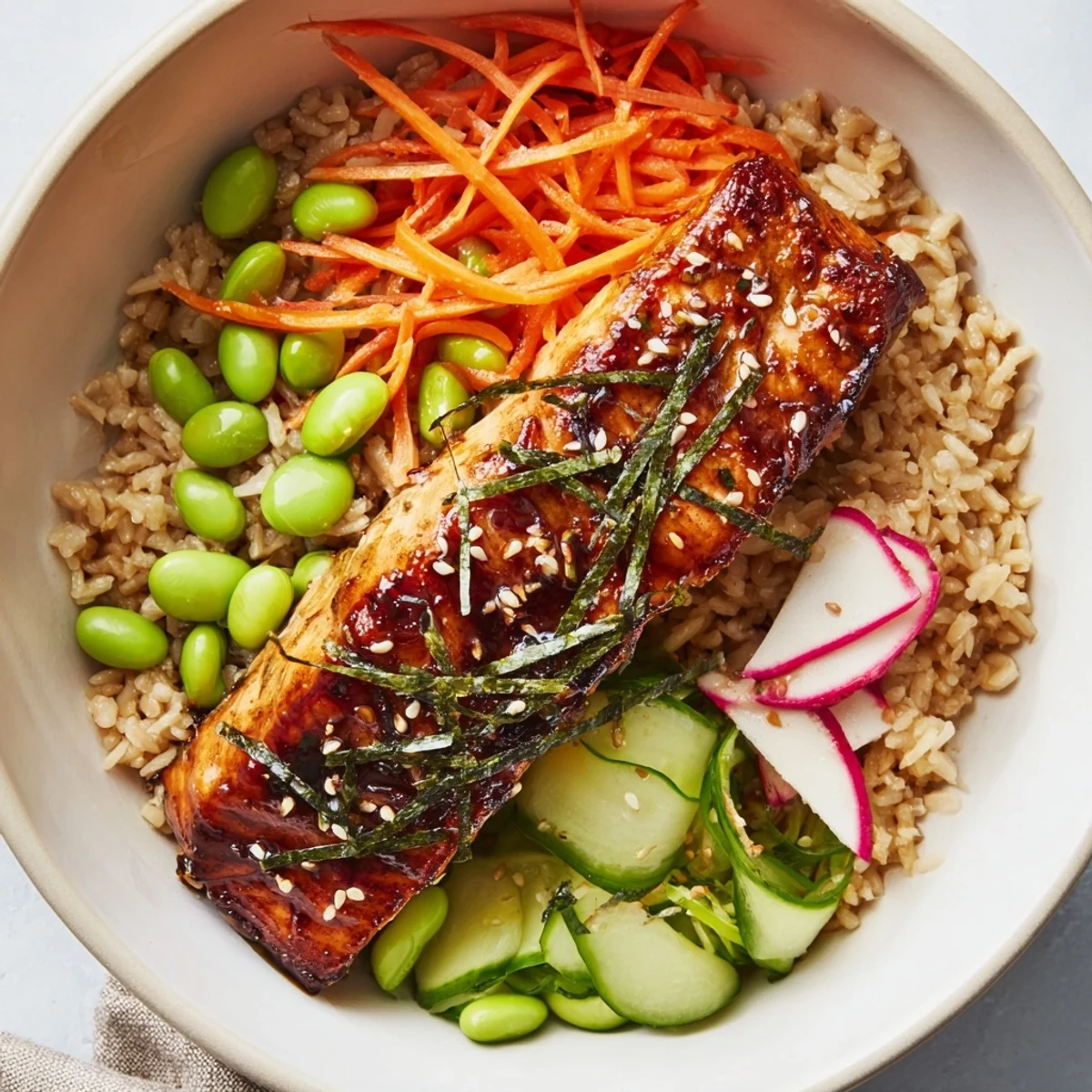
Save This miso salmon grain bowl brings together flaky, caramelized salmon fillets with a savory-sweet miso glaze, served over a bed of brown rice or your favorite grains. Topped with vibrant shelled edamame, shredded carrots, cool cucumber, creamy avocado, and thinly sliced radishes, every bite delivers a satisfying mix of textures and flavors.
A light rice vinegar and sesame dressing ties everything together, while toasted sesame seeds and nori strips add a finishing touch of umami. Ready in just 40 minutes, it's a wholesome weeknight dinner that feels special enough for entertaining.
The smell of miso caramelizing under high heat is the kind of thing that makes you close your eyes and breathe deeper without thinking about it. My apartment filled with that sweet, savory fog one rainy Tuesday evening when I had nothing planned and a lonely salmon fillet sitting in the fridge. What started as a desperate weeknight experiment turned into the most requested dinner in my household, and now I make it every time someone needs convincing that healthy food can actually taste indulgent.
My friend Laura came over for dinner once and declared she was going through a phase where nothing sounded good. I served her this bowl without saying much, and she sat cross legged on my kitchen floor eating it in complete silence before finally looking up and saying she understood why I had been so annoying about this recipe. Now she texts me pictures of her own miso salmon attempts at least twice a month, and every single one looks slightly chaotic but completely delicious.
Ingredients
- 4 salmon fillets, about 150 g each, skin removed: The quality of your salmon matters more than anything else here, so splurge on wild caught if you can find it.
- 2 tbsp white miso paste: White miso is milder and sweeter than red, which makes it perfect for a glaze that caramelizes without turning bitter.
- 1 tbsp soy sauce: This adds salt and depth, and you can swap in tamari if gluten is a concern.
- 1 tbsp mirin: The subtle sweetness and acidity of mirin balances the saltiness of miso beautifully.
- 2 tsp sesame oil: Toasted sesame oil gives the marinade a nutty backbone that makes everything taste more complex.
- 1 tsp honey or maple syrup: Just a touch of sweetness helps the glaze caramelize and stick to the fish.
- 1 tsp grated fresh ginger: Fresh ginger adds a bright zing that cuts through the richness of the salmon.
- 2 cups cooked brown rice: Brown rice holds up well to the dressing, but quinoa or farro work wonderfully too.
- 1 cup shelled edamame, blanched: These add protein and a satisfying pop of texture.
- 1 cup shredded carrots: Shredding them finely helps them absorb the dressing better.
- 1 cup cucumber, thinly sliced: Cool cucumber provides a refreshing crunch against the warm salmon.
- 1 avocado, sliced: Creamy avocado pulls the whole bowl together.
- 4 radishes, thinly sliced: Their peppery bite is a welcome contrast to the sweet glaze.
- 2 scallions, thinly sliced: Scatter these on last for a sharp, oniony finish.
- 1 tbsp toasted sesame seeds: Toasting them briefly in a dry pan makes them infinitely more fragrant.
- 1 sheet nori, cut into strips: Optional, but it adds a wonderful oceanic whisper to each bite.
- 2 tbsp rice vinegar: The acidity in the dressing brightens every component.
- 1 tbsp soy sauce for dressing: A second hit of soy in the dressing ties the bowl together.
- 1 tsp sesame oil for dressing: Extra sesame oil in the dressing reinforces that nutty flavor.
- 1 tsp honey or maple syrup for dressing: A small amount rounds out the vinegar sharpness.
Instructions
- Preheat and prepare:
- Set your oven to 400°F and line a baking sheet with parchment paper so the glaze does not stick and burn.
- Whisk the miso marinade:
- In a small bowl, combine the miso paste, soy sauce, mirin, sesame oil, honey, and grated ginger until smooth and glossy.
- Glaze the salmon:
- Brush each fillet generously with the marinade, making sure to coat the edges, then let them sit for about ten minutes so the flavors sink in.
- Roast the salmon:
- Place the fillets on your prepared sheet and roast for twelve to fifteen minutes until the fish flakes easily when you press it gently with a fork.
- Prepare the dressing:
- While the salmon cooks, whisk together the rice vinegar, soy sauce, sesame oil, and honey in a small bowl until the dressing is unified and sharp smelling.
- Assemble the bowls:
- Divide the warm grains among four bowls and arrange the edamame, carrots, cucumber, avocado, radishes, and scallions in colorful clusters around each one.
- Finish and serve:
- Crown each bowl with a hot salmon fillet, drizzle with dressing, and scatter sesame seeds and nori strips over the top before serving immediately.
 Save
Save One evening I made an extra bowl to save for lunch the next day and ended up eating it cold from the refrigerator at midnight standing in front of the open fridge door. The salmon was still incredible, the vegetables had soaked up the dressing, and I realized this dish had quietly become the thing I reach for when comfort and nourishment need to coexist.
Grains Are Your Canvas
I have made this bowl with everything from leftover farro to a wild rice blend I found buried in my pantry, and each version feels like a slightly different meal. Brown rice is the most reliable base because its nuttiness complements the miso without competing, but quinoa makes the bowl lighter and more summery. The key is cooking your grains properly and seasoning them with a tiny pinch of salt before you assemble anything.
Vegetable Prep Makes All the Difference
Slicing the cucumber paper thin on a mandoline changed the entire texture of this bowl for me because the pieces practically melt into the dressing. Shredded carrots soak up flavor in a way that chunks never will, and radishes cut thin enough become elegant instead of aggressive. Take the extra five minutes to prep your vegetables thoughtfully and the final bowl will reward you with every bite.
Serving and Storing Wisely
This bowl is best eaten immediately after assembly while the salmon is still warm and the vegetables are crisp and cool. If you are meal prepping, store the dressing separately and keep the salmon in its own container so nothing gets soggy overnight. The components will stay fresh in the refrigerator for up to three days, making this an excellent choice for planned leftovers.
- Reheat the salmon gently at 300°F to avoid drying it out or turning the glaze bitter.
- Keep extra dressing in a small jar in the fridge and shake it before using.
- Always taste your miso paste before mixing because salt levels vary wildly between brands.
 Save
Save This is the kind of recipe that makes you feel like a competent cook even on nights when you are barely holding it together, and that might be the highest compliment I can give any dish.
Recipe FAQs
- → Can I use a different type of fish instead of salmon?
-
Yes, cod, halibut, or trout work beautifully with the miso glaze. Adjust the roasting time depending on the thickness of the fillet — thinner cuts will need less time in the oven.
- → What grains work best as the base?
-
Brown rice, quinoa, farro, or a mixed grain blend all pair well. For a low-carb alternative, cauliflower rice is a great option that still complements the miso flavors.
- → How long should I marinate the salmon?
-
A quick 10-minute marinade is enough to infuse the salmon with flavor. If you have more time, you can let it sit for up to 30 minutes in the refrigerator for a deeper taste.
- → Is this dish gluten-free?
-
It can be! Simply substitute tamari for regular soy sauce and use certified gluten-free miso paste. Always check the labels on your ingredients to be sure.
- → Can I prepare any components ahead of time?
-
Absolutely. You can cook the grains, prepare the dressing, and chop the vegetables a day in advance. Store everything separately in the refrigerator and assemble just before serving for the freshest result.
- → What should I do with leftovers?
-
Store leftover components separately in airtight containers in the refrigerator for up to two days. Reheat the salmon gently in a low oven to avoid overcooking, and assemble the bowl fresh when ready to eat.