
 Save
Save This Mediterranean hummus bowl combines creamy hummus with fresh cherry tomatoes, cucumbers, red onions, and mixed greens. Enhanced by kalamata olives, feta cheese, roasted red peppers, pine nuts, and a zesty olive oil and lemon dressing, this dish offers a balance of textures and flavors. Quick to prepare and served cold, it’s perfect for a light lunch or dinner. Optional additions like brown rice or quinoa add heartiness, while substitutions allow for vegan or protein-rich variations.
There's something about a bowl of hummus that feels like an invitation to slow down. I discovered this particular combination on a lazy Sunday afternoon when I had a container of hummus in the fridge, a burst of cherry tomatoes from the farmers market, and the kind of restless energy that comes from wanting something nourishing but not complicated. What started as a simple lunch became something I found myself making again and again, each time adding a different memory to it.
I made this for my sister when she was visiting and had gone vegetarian, and watching her face light up as she took that first bite—the way the flavors all came together at once—that's when I knew this wasn't just a bowl of stuff, it was something special. She's made it dozens of times since, and she always texts me photos.
Ingredients
- Hummus: This is your foundation, so choose one you actually enjoy eating by itself—store-bought works beautifully, but if you have time, homemade takes it somewhere else entirely.
- Brown rice or quinoa: Optional but transforms this into a full meal that actually stays with you; I use quinoa when I want something lighter.
- Cherry tomatoes: Halve them so they nestle into the hummus instead of rolling away, and use the best ones you can find because their sweetness matters here.
- Cucumber: Dice it fairly small so every bite has a crisp, cool element that balances the richness of the hummus.
- Red onion: Paper-thin slices are non-negotiable; this is where the sharp bite comes from that wakes everything up.
- Baby spinach or mixed greens: This adds color and a subtle earthiness; I use whatever looks freshest at the market.
- Kalamata olives: Pitted and sliced, they bring that briny Mediterranean essence that makes this bowl unmistakably itself.
- Feta cheese: Crumbled into small, irregular pieces so it catches the dressing and distributes throughout; use vegan feta if that's your preference.
- Roasted red peppers: Jarred ones work perfectly and add a sweet, smoky note without any extra work.
- Toasted pine nuts: Toast them yourself if possible—the difference between raw and toasted is the difference between forgettable and memorable.
- Fresh parsley: Not just for color; it brings a green, fresh finish that somehow makes the whole bowl taste cleaner.
- Extra virgin olive oil: This is your dressing base, so choose one you love because you'll taste it directly.
- Lemon juice: Acid that ties everything together and prevents the whole thing from tasting heavy.
- Garlic and sea salt: Minced garlic gives the dressing character, and sea salt rounds everything out better than table salt.
Instructions
- Make the dressing first:
- Whisk together olive oil, lemon juice, minced garlic, salt, and pepper in a small bowl and let it sit while you prep everything else—the flavors marry together and it tastes noticeably better. This is the element that pulls the entire bowl into coherence, so don't skip it.
- Build your base:
- Spoon hummus evenly into four bowls, using the back of your spoon to create a shallow well in the center. If you're using rice or quinoa, layer it underneath the hummus for extra body.
- Arrange the vegetables with intention:
- Place tomatoes, cucumber, red onion, and greens around the hummus in a casual but organized way—this isn't about perfection, it's about making sure every forkful has variety. The way things are arranged actually affects how you eat them.
- Crown it with the good stuff:
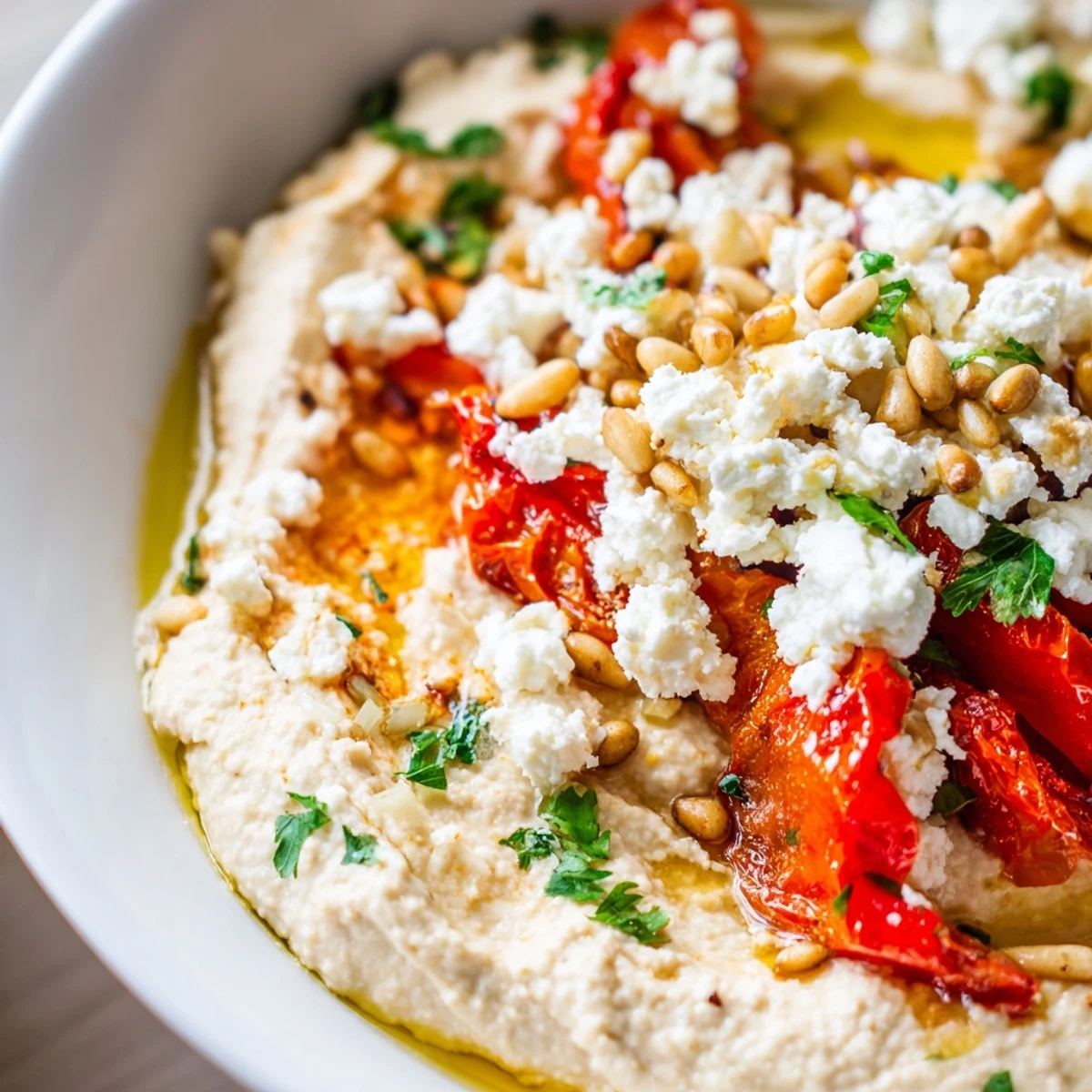
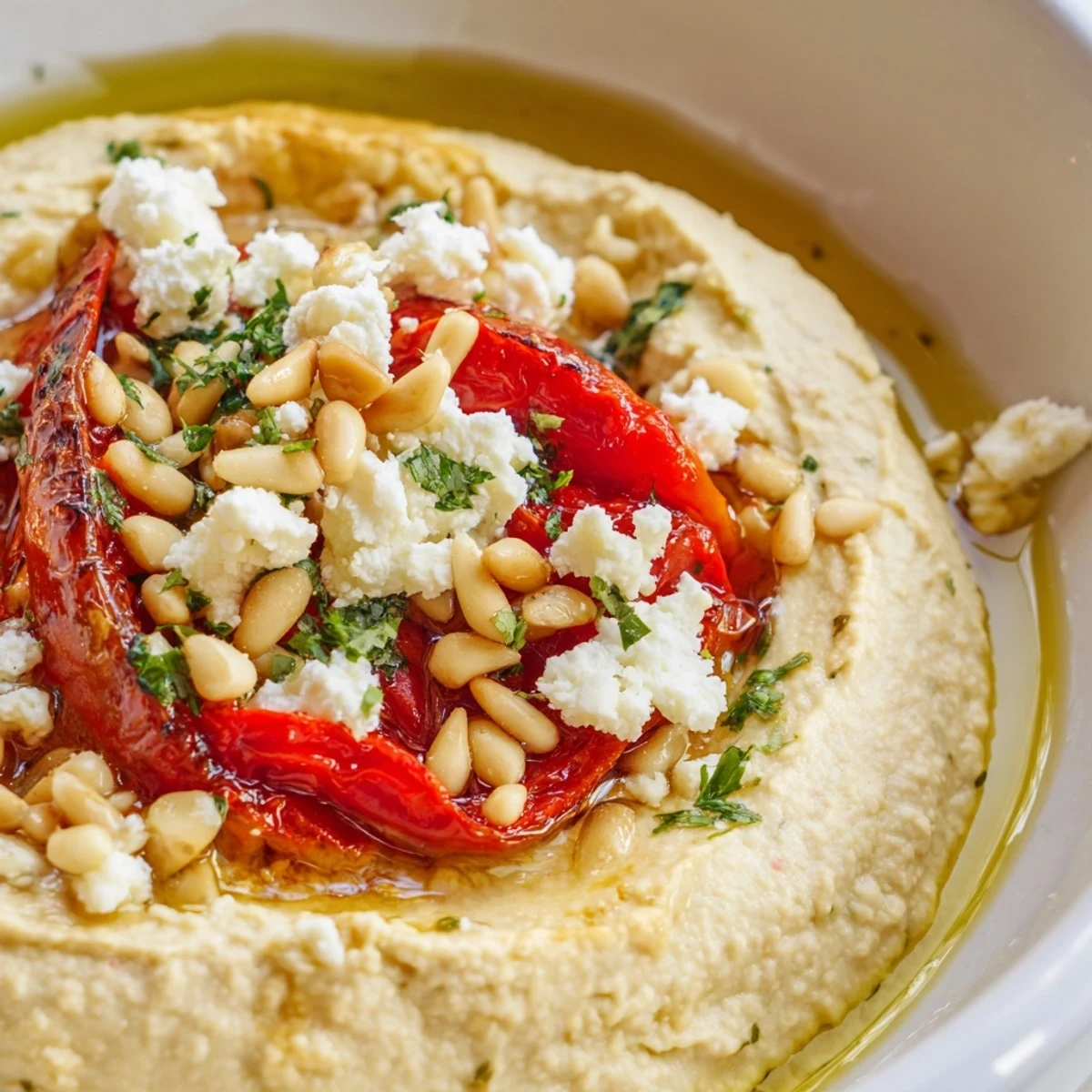
- Scatter olives, feta, roasted peppers, and pine nuts across the top, then finish with a shower of fresh parsley. The toppings aren't just garnish—they're where the texture and flavor complexity live.
- Dress it and serve:
- Drizzle the dressing over everything just before eating, stirring gently so the hummus loosens slightly and everything becomes one cohesive thing. Warm pita bread on the side is optional but never unwelcome.
 Save
Save I think about the time my friend brought three people over unexpectedly and I made four of these bowls in the time it took someone to set the table. Everyone sat around talking and eating with their eyes half-closed, the kind of eating that happens when something just works. That's when I understood this recipe wasn't about being impressive—it was about being there for people.
Seasonal Variations That Keep This Fresh
Summer demands heirloom tomatoes and fresh herbs from the garden, maybe some grilled zucchini if you're feeling ambitious. In autumn, roasted beets and pumpkin seeds replace the tomatoes, and the whole thing becomes warmer and earthier even though nothing's hot.
Making It a Complete Meal
Grilled chicken strips, crispy falafel, or a scoop of warm chickpeas can turn this from a satisfying side into something that genuinely sustains you for hours. I've also added crumbled goat cheese, sun-dried tomatoes, and caramelized onions depending on the day and what I had time for.
The Small Details That Matter Most
The difference between a forgettable hummus bowl and one you think about days later lives in the details—the way the dressing coats everything, the ratio of toppings to base, whether your olive oil is something special. These small choices accumulate into something that tastes like someone cared when making it.
- Toast your pine nuts in a dry pan for exactly two minutes until they smell incredible, and don't let them burn.
- Keep everything except the dressing in separate containers if you're meal-prepping, then assemble fresh when you're ready to eat.
- Try stirring the dressing directly into the hummus instead of drizzling it on top—some days one method feels right, some days the other does.
 Save
Save This bowl has become my answer to so many different moments—the quick lunch when I'm working from home, the dinner I make when I don't have energy but still want something good, the thing I bring to someone's house when they need feeding. That's the kind of recipe worth keeping.