
 Save
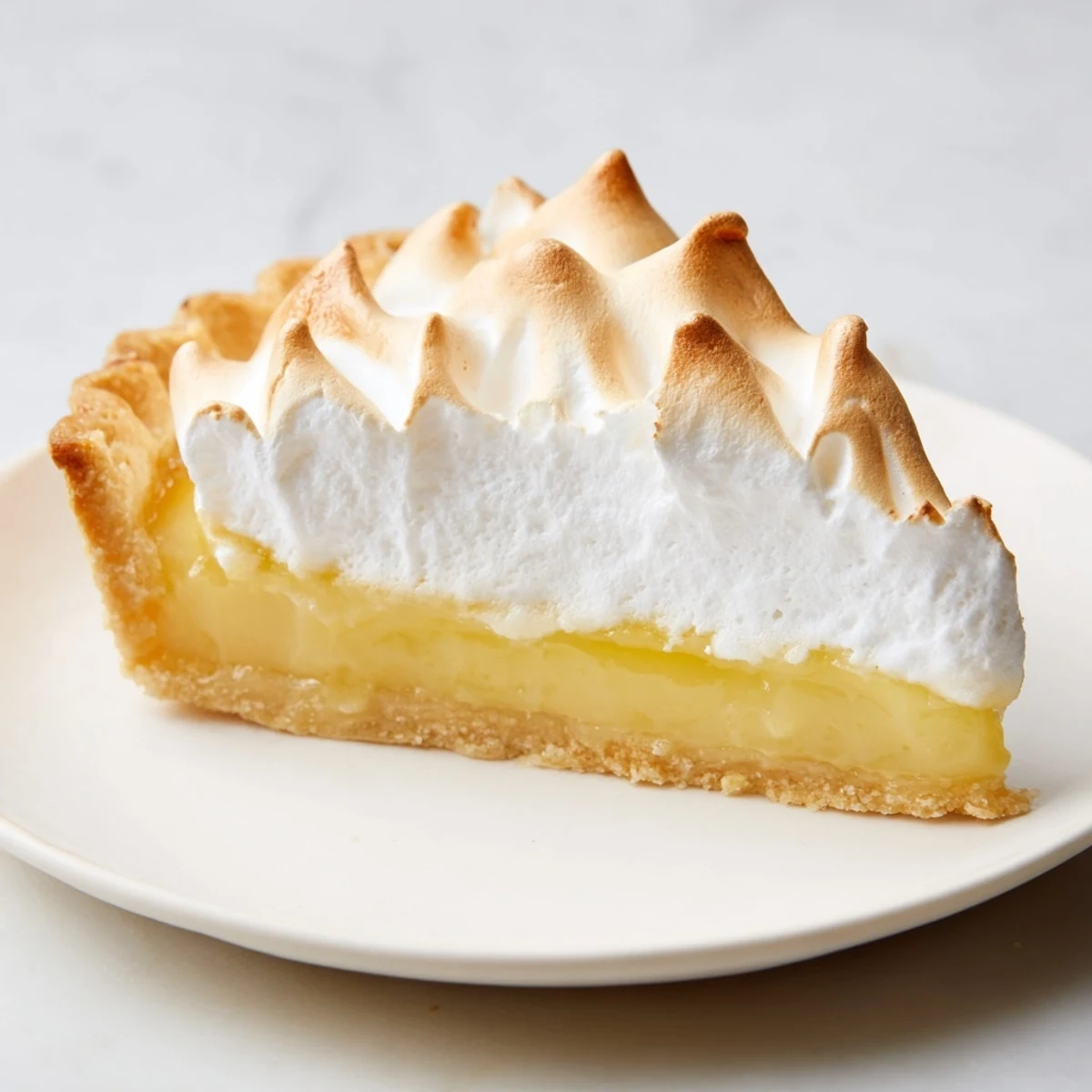
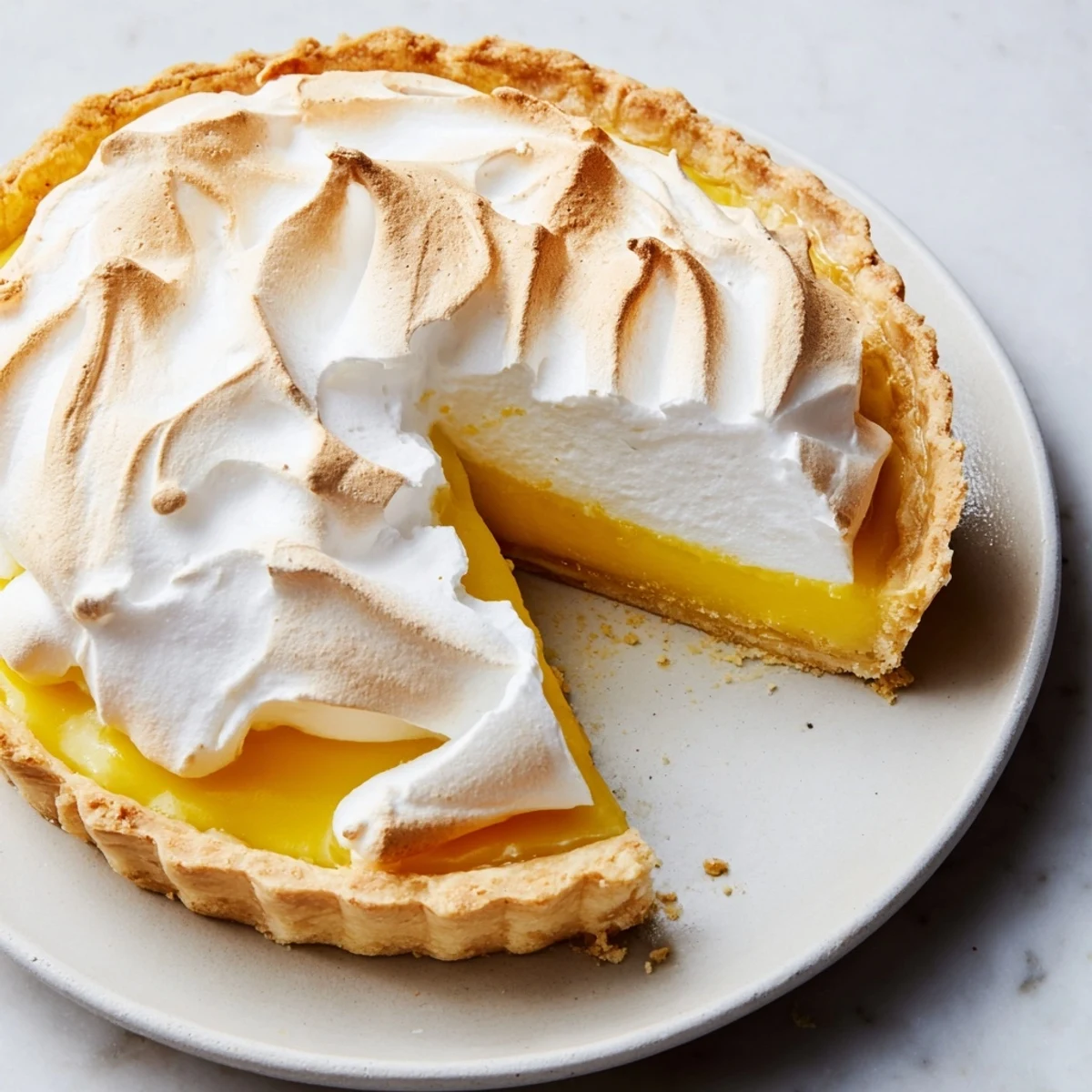
Save This dessert combines a crisp, buttery pastry crust with a smooth, tangy lemon curd filling. A cloud of sweet, golden meringue crowns the tart, baked to a light golden color. Preparation involves blind-baking the crust, cooking the lemon curd to a silky consistency, and whipping egg whites to stiff peaks for the delicate topping. Cooling and chilling ensure crispness and set flavors, perfect for an elegant finish.
Fresh lemon juice and zest provide a bright citrus flavor balanced by sweet, airy meringue. Techniques include careful folding and baking to create a visually stunning and delicious dessert ideal for gatherings.
There's something about lemon meringue pie that stops time in a kitchen. My grandmother's version sat in her fridge every Sunday, and I spent more time watching it than tasting it at first—mesmerized by how that cloud of meringue stayed impossibly tall and golden. Years later, I finally asked her the secret, and she just laughed and said there was none, only paying attention. That lesson stuck with me every time I make it now.
I made this pie the afternoon my best friend told me she was moving across the country. We sat at my kitchen counter while it baked, watching the meringue turn golden through the oven window, and somehow talking about big changes felt easier with that warm, citrusy smell filling the room. She took a slice to go, and I like to think of her eating it in her new kitchen wherever she landed.
Ingredients
- All-purpose flour: The foundation of your crust—use cold flour if your kitchen runs warm, it makes rolling easier.
- Unsalted butter, cold and cubed: Non-negotiable for flaky pastry; if it warms up, your crust suffers, so chill your bowl too.
- Granulated sugar: Half goes in the crust for subtle sweetness, the rest distributed between filling and meringue.
- Large egg yolk: Binds the dough without toughening it; save those whites for the meringue where they shine.
- Ice water: Just enough to bring the dough together; too much makes it tough and shrinks during baking.
- Salt: A pinch in the pastry heightens every flavor that follows.
- Granulated sugar for filling: Creates the body of the custard alongside cornstarch.
- Cornstarch: The real thickener here; it prevents the filling from being runny or weeping through the meringue.
- Water: Gradually whisked in prevents lumps and ensures a silky filling.
- Large egg yolks: Tempered carefully, they enrich the filling with a luxurious mouthfeel.
- Freshly squeezed lemon juice: Store-bought won't give you that sharp, pure brightness; this is where lemons shine.
- Finely grated lemon zest: Don't skip it—those tiny oils add complexity you can't get from juice alone.
- Unsalted butter: Stirred in at the end, it rounds out the filling and adds shine.
- Large egg whites: Room temperature is crucial; cold eggs won't whip to full volume and stability.
- Cream of tartar: Stabilizes the meringue and prevents it from becoming grainy; it's the difference between fluffy and glossy.
- Pure vanilla extract: A half teaspoon is subtle but changes the meringue's complexity.
Instructions
- Preheat and gather:
- Set your oven to 375°F and pull out all your tools—this dessert moves quickly once you start, and scrambling for a whisk mid-step throws off your timing.
- Mix the pastry:
- Rub the cold flour, salt, and sugar with cubed butter using your fingertips until it resembles coarse breadcrumbs; the little butter pieces are what create flakiness. Add the egg yolk and ice water sparingly, mixing just until the dough holds together—overworking it toughens the crust.
- Rest the dough:
- Shape into a disk, wrap it, and chill for 30 minutes; this prevents shrinking and makes rolling easier. If your kitchen is very warm, chill longer.
- Blind bake the shell:
- Roll out the chilled dough, fit it into your 9-inch pie dish, trim the edges, and prick the base all over. Line with parchment paper, fill with baking beans, and bake for 15 minutes until the sides set, then remove the beans and parchment and bake 10 minutes more until lightly golden.
- Build the lemon filling:
- Whisk sugar, cornstarch, and salt in a saucepan, then gradually whisk in water to avoid lumps. Cook over medium heat, stirring constantly, until the mixture thickens and bubbles—this takes about 5 to 8 minutes and you'll notice it go from cloudy to clear and glossy.
- Temper the eggs:
- Whisk the four egg yolks in a separate bowl, then slowly add a few spoonfuls of the hot lemon mixture while whisking constantly to raise their temperature gently. Pour this warmed mixture back into the saucepan and cook for 2 minutes, stirring constantly, to ensure they're fully cooked and the filling is thick.
- Finish the filling:
- Remove from heat and stir in the fresh lemon juice, zest, and butter until the mixture is smooth and glossy. Pour this into your cooled pie crust and let it set while you make the meringue.
- Whip the meringue:
- In a clean, dry bowl, beat the room-temperature egg whites with cream of tartar until soft peaks form—they should look foamy and hold a gentle peak. Gradually add the sugar while beating, watching as the meringue transforms into glossy stiff peaks that stand upright.
- Add the final touch:
- Beat in the vanilla extract and admire the glossy, stable meringue you've created. Spread it generously over the hot filling, making sure it touches the crust all the way around to prevent it from shrinking away and weeping.
- Create peaks:
- Use the back of a spoon to create swirls and peaks across the meringue surface—these brown beautifully and give your pie a rustic, homemade look.
- Final bake:
- Bake for 10 to 12 minutes until the meringue peaks are golden brown; watch for color, not just time, as ovens vary. Cool to room temperature on a wire rack, then refrigerate for at least 2 hours before serving so the filling sets completely.
 Save
Save I served this pie at my sister's engagement dinner, and my brother-in-law, who never eats dessert, went back for a second slice. Later he confessed he'd never had a homemade pie before, only the frozen kind, and this one changed his mind about what dessert could be. It's moments like that when you realize food is really just an excuse to make someone feel cared for.
The Pastry Crust Matters
A great pie crust is buttery, crisp, and shattered slightly when you bite it—none of that dense, cookie-like texture you get from over-mixing or too much water. The key is respecting the dough's need to rest; I learned this the hard way after making flat, tough crusts for years. Give the dough its 30 minutes in the fridge, and it rewards you with a shell that stays put and bakes evenly. Blind baking with baking beans also ensures your crust doesn't puff up unevenly or become soggy from the filling.
Lemon Filling Technique
The transformation of the filling is almost magical—you start with what looks like lemonade and end with a thick, glossy custard that holds its shape. The cornstarch is doing the real work here, and you'll see the difference around the 5-minute mark when it suddenly shifts from cloudy to translucent and beautiful. Tempering the egg yolks separately is the move that prevents them from scrambling; it's a technique that feels fancy but is really just being gentle and patient with heat.
Meringue Mastery
Meringue intimidates people, but it's actually one of the most forgiving things you'll make once you understand it. The cream of tartar stabilizes the whites so they hold their structure instead of collapsing after a few hours; I skip it once and ended up with a deflated top by dessert time. Spread it over the hot filling immediately after whipping so it stays warm and sets properly, and always create some peaks and swirls—they brown beautifully and signal that real care went into this dessert.
- Never make meringue on a humid day if you can avoid it; moisture in the air makes it weep and shrink.
- A copper bowl for whipping egg whites is old-school magic if you have one, but a very clean stainless steel bowl works just fine.
- Serve this pie the day you make it or the next day at the latest; meringue is best enjoyed fresh.
 Save
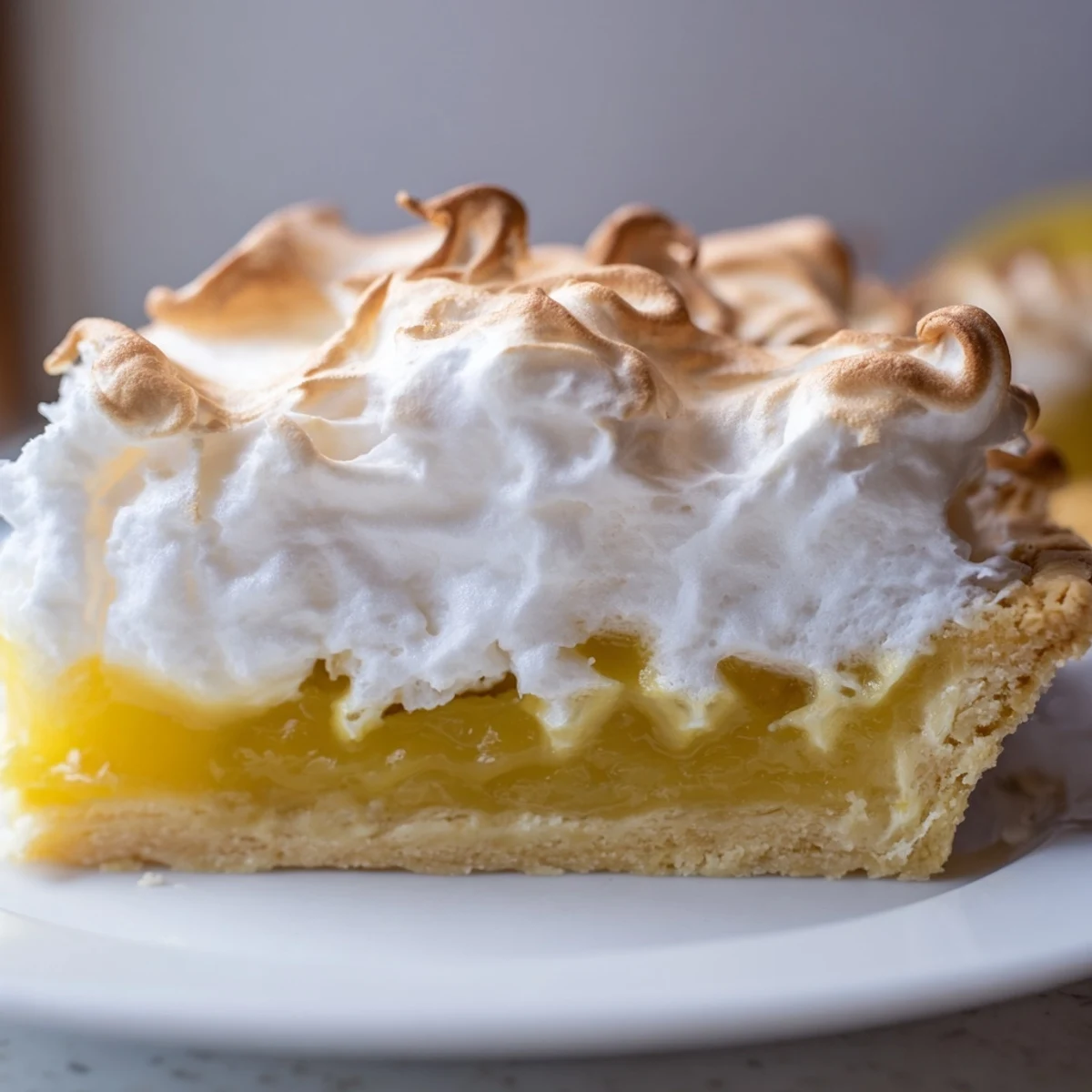
Save This pie is proof that the classics endure because they work—there's no shortcut that improves on the real thing. Make it when you want to feel like a real baker, and watch people's faces light up when they taste it.
Recipe FAQs
- → How do I prevent meringue from weeping?
-
Ensure the meringue fully covers the lemon filling to seal moisture. Bake until the topping is golden to set properly and chill before serving.
- → Can I use store-bought pastry dough?
-
Yes, to save time, a pre-made pie dough can be used instead of preparing pastry from scratch without compromising texture.
- → What causes the meringue to weep?
-
Excess moisture from the lemon curd or underbaking can cause liquid to separate. Proper sealing and thorough baking help prevent this.
- → How should the lemon filling be cooked?
-
Cook the lemon curd mixture over medium heat, stirring constantly until thick and bubbling, then combine with egg yolks for a smooth custard.
- → What is the best way to achieve stiff peaks for meringue?
-
Beat egg whites with cream of tartar until soft peaks form, then gradually add sugar while continuing to beat until glossy, stiff peaks develop.