
 Save
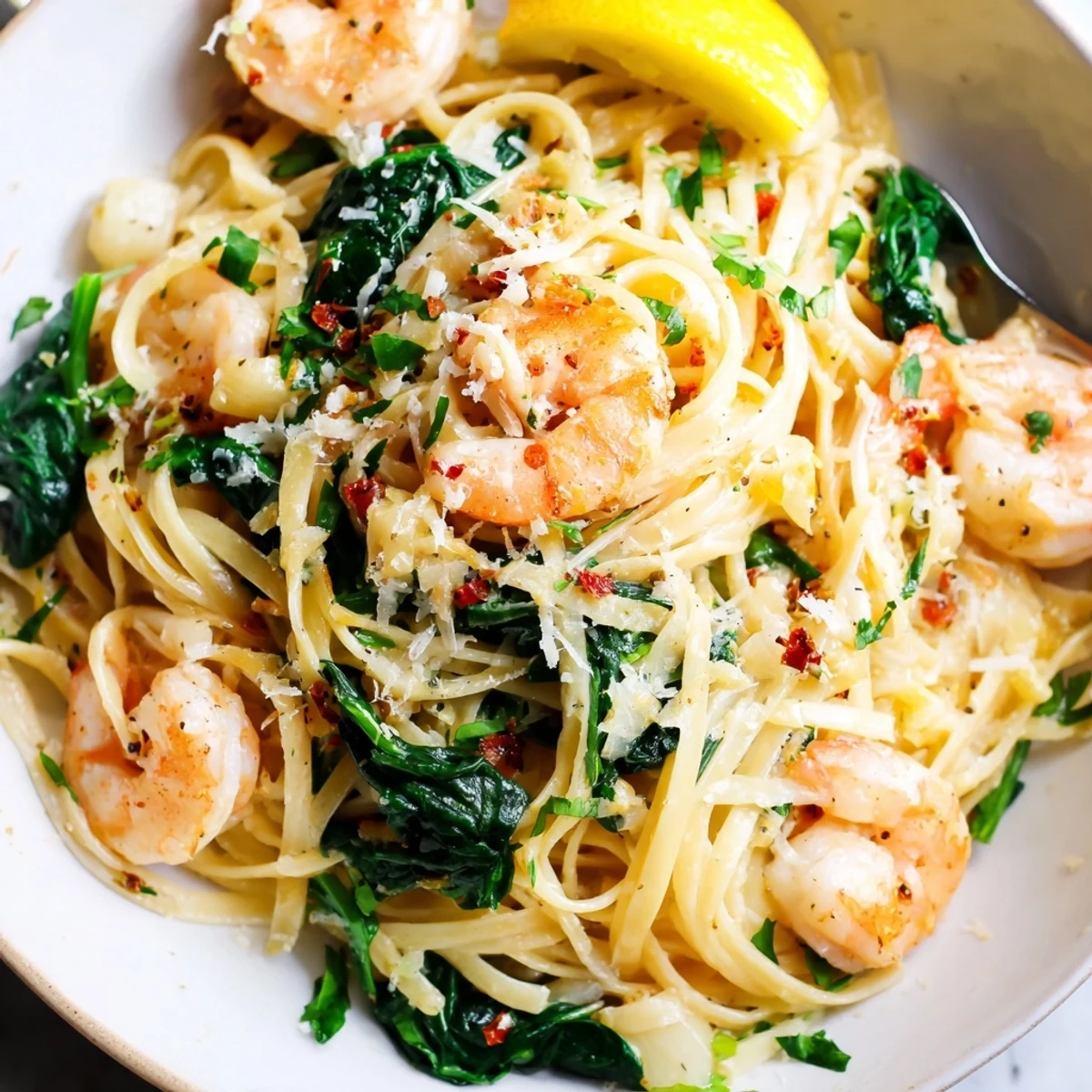
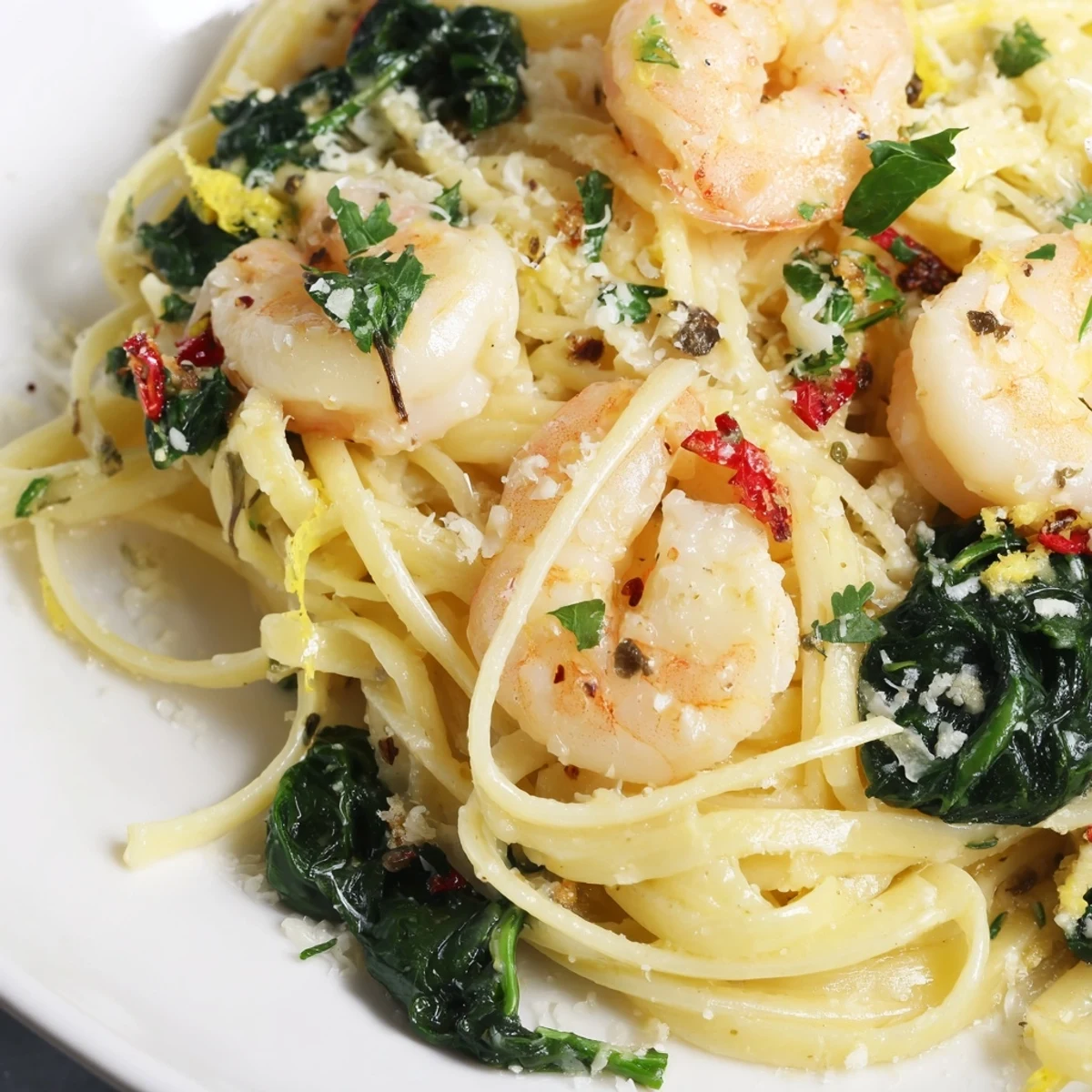
Save This vibrant dish features succulent shrimp sautéed in olive oil and garlic, combined with tender pasta and fresh spinach. A bright lemon-garlic sauce, enhanced with white wine and butter, creates a silky coating for a quick yet elegant meal. Fresh parsley and optional Parmesan add finishing notes to balance flavors. Perfect for a 30-minute dinner packed with zest and freshness.
There was a Tuesday evening when I'd promised dinner guests something special but my confidence was running low. I opened my fridge to find brilliant pink shrimp, a half lemon left from morning tea, and a bunch of spinach that needed rescuing. What unfolded in that skillet—the garlic hitting hot oil, the wine releasing its steam, the sudden brightness of citrus—felt like I'd cracked some kitchen code I didn't know I was missing.
I made this for my sister's birthday dinner, and what stuck with me wasn't the compliments but the smell—how the kitchen filled with this herbal, lemony fog that somehow felt both fancy and comforting. She asked for the recipe that night, and honestly, watching someone discover a dish you cooked gives you a feeling no app review can match.
Ingredients
- Linguine or spaghetti (340 g / 12 oz): The pasta is your canvas, and linguine's flat strands catch the sauce better than round spaghetti ever could—though either works beautifully.
- Large shrimp (450 g / 1 lb), peeled and deveined: Buy them already peeled if you can; life's too short and shrimp smell too strong to do it yourself unless you're feeling ambitious.
- Kosher salt and freshly ground black pepper: Season the shrimp generously before cooking—this is where half the flavor starts.
- Olive oil (2 tbsp): Use something you actually like tasting, not the cheap stuff hiding in the back of the cabinet.
- Garlic (4 cloves), minced: Fresh garlic makes a real difference here; the moment it hits the hot oil, your whole kitchen changes.
- Red pepper flakes (1/4 tsp), optional: A whisper of heat that doesn't overpower—add more if you like things with a backbone.
- Dry white wine or chicken broth (120 ml / 1/2 cup): The wine adds complexity, but broth works if that's what you have; either way, you're building flavor, not following rules.
- Lemon zest and juice (1 large lemon): This is the dish's heart—don't skip the zest, and use fresh lemon, not bottled juice that tastes like regret.
- Fresh baby spinach (100 g / 3 cups): It wilts down to almost nothing, so use more than you think you'll need.
- Unsalted butter (2 tbsp): Stirred in at the end, it transforms the sauce into something silky and glossy.
- Fresh parsley (2 tbsp), chopped: A final brightness that makes everything look and taste more alive.
- Parmesan cheese, for serving (optional): Grated fresh is worth the extra five seconds; the pre-grated stuff tastes like sawdust by comparison.
Instructions
- Get your water boiling:
- Fill a large pot with salted water—it should taste like the sea—and bring it to a rolling boil. This takes about five minutes but sets up everything else.
- Cook the pasta:
- Drop in your linguine and stir it immediately so nothing sticks. Cook it until it's al dente, which means it has a slight resistance when you bite it, not mushy. Before draining, scoop out 120 ml of pasta water and set it aside—this liquid gold becomes your sauce later.
- Season your shrimp:
- Pat the shrimp dry with paper towels, then sprinkle them with kosher salt and black pepper. Dry shrimp brown better and taste better; wet shrimp just steam.
- Sear the shrimp:
- Heat olive oil in a large skillet over medium-high heat until it shimmers. Lay the shrimp in a single layer and resist the urge to move them for the first minute—they need that contact with heat to develop color. Flip and cook another minute until they just turn opaque, then transfer to a plate.
- Bloom your aromatics:
- In that same skillet, add minced garlic and red pepper flakes. Let them sizzle for about 30 seconds—you want to smell them but not burn them, which happens faster than you'd expect.
- Deglaze and simmer:
- Pour in your wine or broth, scraping the bottom of the skillet with a wooden spoon to lift up all those browned bits. Let it bubble gently for about two minutes so the raw alcohol cooks off and the flavor concentrates.
- Add brightness:
- Stir in the lemon zest and juice, then add the spinach. The spinach seems like too much until the heat hits it, and then it collapses into something tender in about 60 seconds.
- Bring it together:
- Return the shrimp to the skillet, add your drained pasta and butter, and toss everything until the sauce coats the noodles. If it looks dry, add a splash of that reserved pasta water—you're aiming for a silky, light sauce that clings to the pasta.
- Finish and serve:
- Pull the skillet off heat, scatter fresh parsley over everything, and serve immediately while it's hot. Top with Parmesan if you'd like, though honestly, the lemon does all the work you need here.
 Save
Save I realized this dish became a regular in my rotation the moment my partner started asking for it instead of me offering. It's simple enough that I don't dread making it, but good enough that it feels like something worth cooking for someone.
Why Lemon and Garlic Are Your Secret Weapons
The magic in this dish has nothing to do with technique and everything to do with letting two humble ingredients shine. Lemon doesn't just add tang—it brightens everything around it, making the shrimp taste more like shrimp and the spinach taste more verdant. Garlic cooked this way, just a quick sizzle in hot oil, tastes sweet and nutty rather than harsh, and it builds the foundation that everything else sits on.
Building Flavor in Minutes
Most of us think a quick dinner means sacrifice, but this recipe proves otherwise. By using the same pan for shrimp, then sauce, then final toss, you're layering flavor at every step instead of starting from scratch. The wine reduces and concentrates, the lemon juice isn't thinned out by time, and the butter arrives at the very end when it matters most. Everything touches everything else, and somehow that makes a 15-minute cooking time feel indulgent.
Variations That Feel Natural
This recipe is flexible in the way that good cooking should be. You can swap the white wine for chicken broth, trade baby spinach for arugula, or add a splash of cream if you want richness. Some nights I add sun-dried tomatoes, other times a handful of capers, depending on what's around and what mood I'm in—and every version feels like the real version. The recipe's bones are strong enough to handle it.
- For richness, stir in a splash of heavy cream just before tossing with the pasta.
- If spice calls to you, increase the red pepper flakes or finish with a pinch of fresh chile.
- Gluten-free pasta works perfectly here—the sauce doesn't care about the shape of what it's coating.
 Save
Save This is the kind of dinner that doesn't require apologies or explanations—it arrives at the table bright, elegant, and done in the time it takes to pour a glass of wine. Make it, feed someone you like, and watch how such simplicity can feel like something special.
Recipe FAQs
- → What type of pasta works best?
-
Linguine or spaghetti are ideal, providing a perfect texture to hold the light lemon-garlic sauce and shrimp.
- → Can I substitute the shrimp?
-
Yes, you can use scallops or chunks of firm white fish for a different seafood variation.
- → How can I make the dish spicier?
-
Add more red pepper flakes when sautéing the garlic to give the sauce a pleasant heat.
- → Is white wine necessary for the sauce?
-
White wine adds brightness but can be replaced with chicken broth or vegetable stock for a milder flavor.
- → How do I keep the spinach vibrant and tender?
-
Stir the spinach into the warm sauce right before serving and cook just until wilted to preserve color and texture.
- → Can I prepare parts of this dish ahead?
-
Cook the pasta and sauté the shrimp in advance. Reheat gently and toss with fresh spinach and lemon sauce before serving.