
 Save
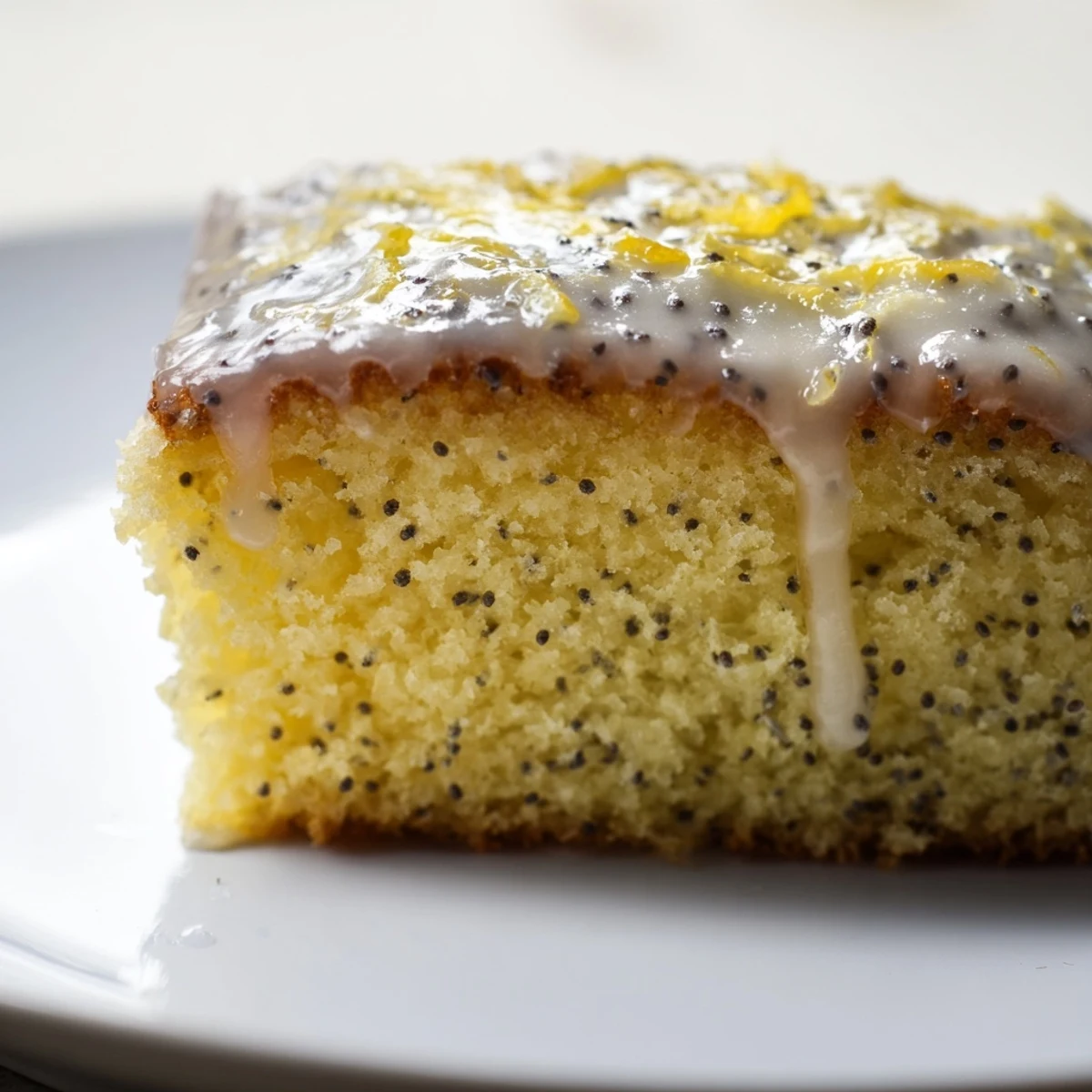
Save This traybake combines moist, tender crumb with vibrant lemon zest and the subtle crunch of poppy seeds. Butter and caster sugar are creamed to create a fluffy base, then eggs and self-raising flour are folded in along with lemon zest and vanilla. A lemon drizzle made from fresh juice and icing sugar infuses the baked cake with tangy sweetness when poured hot, soaking through the surface. Perfectly baked to golden brown, the squares offer a delightful balance of citrus brightness and gentle crunch, ideal for afternoon tea or a light dessert.
There's something about the smell of lemon zest hitting hot butter that makes a kitchen feel instantly alive. My neighbor stopped by one afternoon with a bag of lemons from her garden, and I found myself whisking together this traybake almost on instinct, remembering my mum's recipe and making it my own. The poppy seeds were a last-minute addition, poking little dark flecks through the golden sponge, and when I drizzled that tangy lemon syrup over the warm cake, I knew I'd stumbled onto something special.
I made this for a Sunday tea with my sister, and watching her face light up when she bit into a square with that gooey lemon center was worth every bit of effort. She asked for the recipe before she'd even finished chewing, which felt like a proper compliment.
Ingredients
- Unsalted butter and caster sugar: Creaming these together is where the magic starts; this gives you that light, fluffy crumb that makes the cake feel almost cloud-like.
- Large eggs: Room temperature is your friend here, they incorporate smoother and trap more air.
- Self-raising flour: Don't sift it unless you're feeling fancy; just fold gently so you don't deflate all that aeration work.
- Poppy seeds: They add texture and a subtle nuttiness that balances the sharp lemon perfectly.
- Lemon zest: Use a microplane if you have one; it releases more of those essential oils and gives you finer pieces.
- Milk: Just enough to loosen the batter to the right consistency, like thick yogurt.
- Vanilla extract: A quiet player that rounds out the flavors without announcing itself.
- Fine salt: Amplifies the lemon and balances the sweetness beautifully.
- Icing sugar and lemon juice for the drizzle: Mix it while the cake is hot so it soaks in and becomes part of the cake rather than just sitting on top.
Instructions
- Get everything ready:
- Preheat your oven to 180°C (160°C fan) and line your traybake tin with baking parchment, letting it come up the sides so you can lift the whole cake out later. Measure everything out; this recipe moves fast once you start.
- Cream the butter and sugar:
- Beat them together for at least three minutes until the mixture looks pale and fluffy, almost like soft mouse. This is where you're building structure for the cake to rise.
- Add the eggs carefully:
- Drop them in one at a time, beating well after each one so they emulsify properly and don't curdle. If it looks slightly split, add a spoonful of flour and beat again.
- Fold in the dry ingredients:
- Use a spatula to gently fold in the flour, poppy seeds, lemon zest, and salt, turning the bowl as you go so everything combines evenly. Stop as soon as you don't see streaks of flour.
- Stir in the milk and vanilla:
- The batter should be smooth and thick but pourable, like cake batter should be. If it feels stiff, add the milk gradually.
- Bake until golden:
- Pour into the tin and smooth the top with a spatula, then bake for 28 to 32 minutes until the top is golden and a skewer through the center comes out clean. The edges should be slightly pulling away from the tin.
- Make and apply the drizzle:
- While the cake bakes, whisk the lemon juice and icing sugar together until smooth. As soon as the cake comes out, take a skewer and poke holes all over the top, then pour the drizzle slowly so it soaks in.
- Cool and serve:
- Let it cool completely in the tin so it sets properly and you get clean squares. Cut with a warm, damp knife for the neatest slices.
 Save
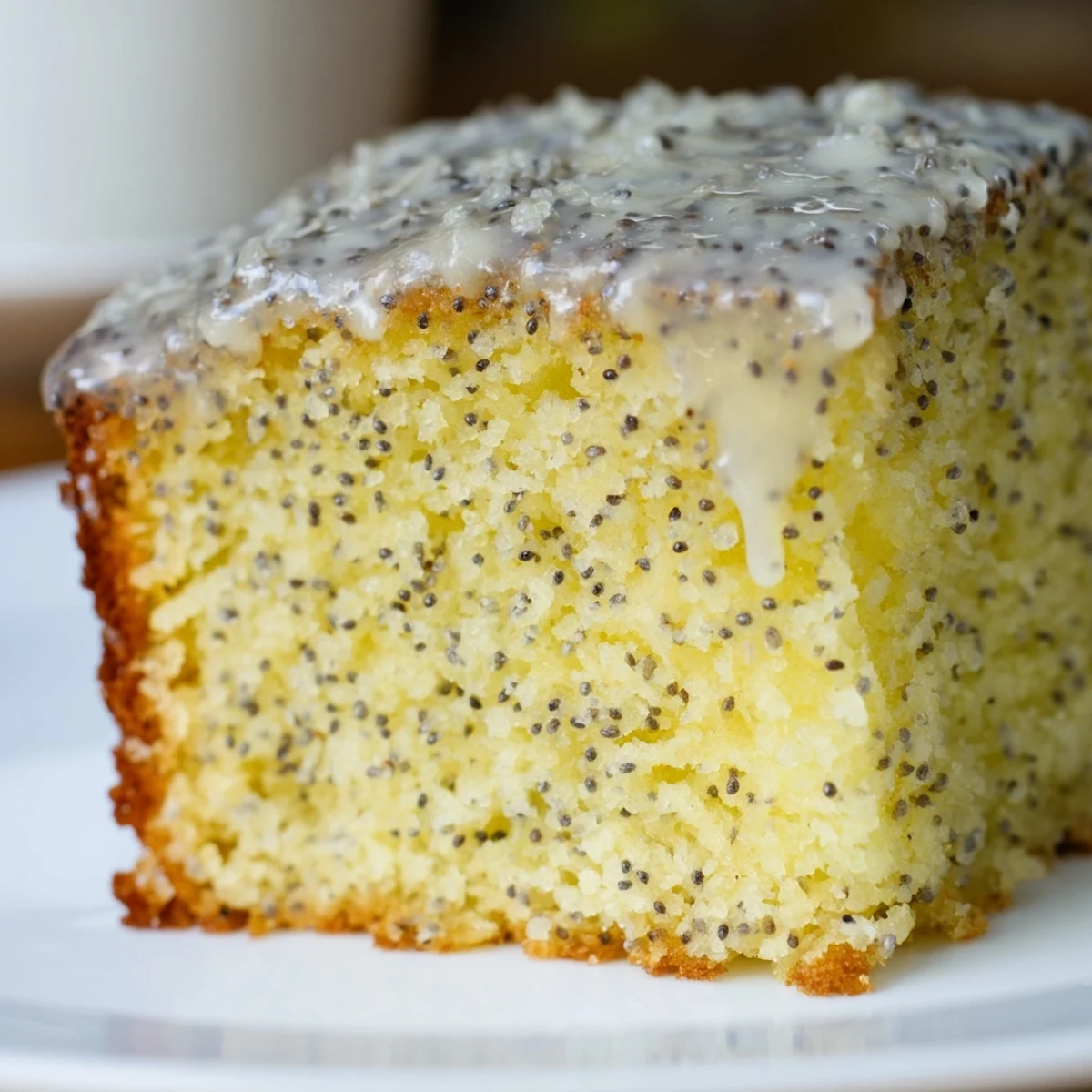
Save There's a quiet satisfaction in pulling a traybake out of the oven and knowing you've made something that tastes genuinely good. This cake is the kind that sits on the kitchen counter and slowly disappears, with people reaching for just one more square with their tea.
Why This Traybake Works Every Time
The traybake tin is forgiving because the shallower bake means the cake cooks through evenly without the edges drying out. The poppy seeds add visual interest and a slight crunch that makes each bite feel more textured, not just sweet.
Making It Your Own
Once you've made this once, you'll start seeing variations everywhere. A handful of chopped pistachios scattered on top before baking adds a subtle earthiness, or try swapping half the milk for Greek yogurt to deepen the tang.
Serving and Storage
This cake improves with time; the flavors meld and it becomes more tender after sitting overnight. Store it covered at room temperature for up to four days, or wrap it well and freeze for up to three months.
- Serve with a dollop of crème fraîche or Greek yogurt to cut through the sweetness and add a cool contrast.
- Pair it with Earl Grey tea for the most traditional pairing, though any good cup of tea works just fine.
- If you love it extra lemony, add a tablespoon of finely chopped preserved lemon to the batter for a deeper, more complex flavor.
 Save
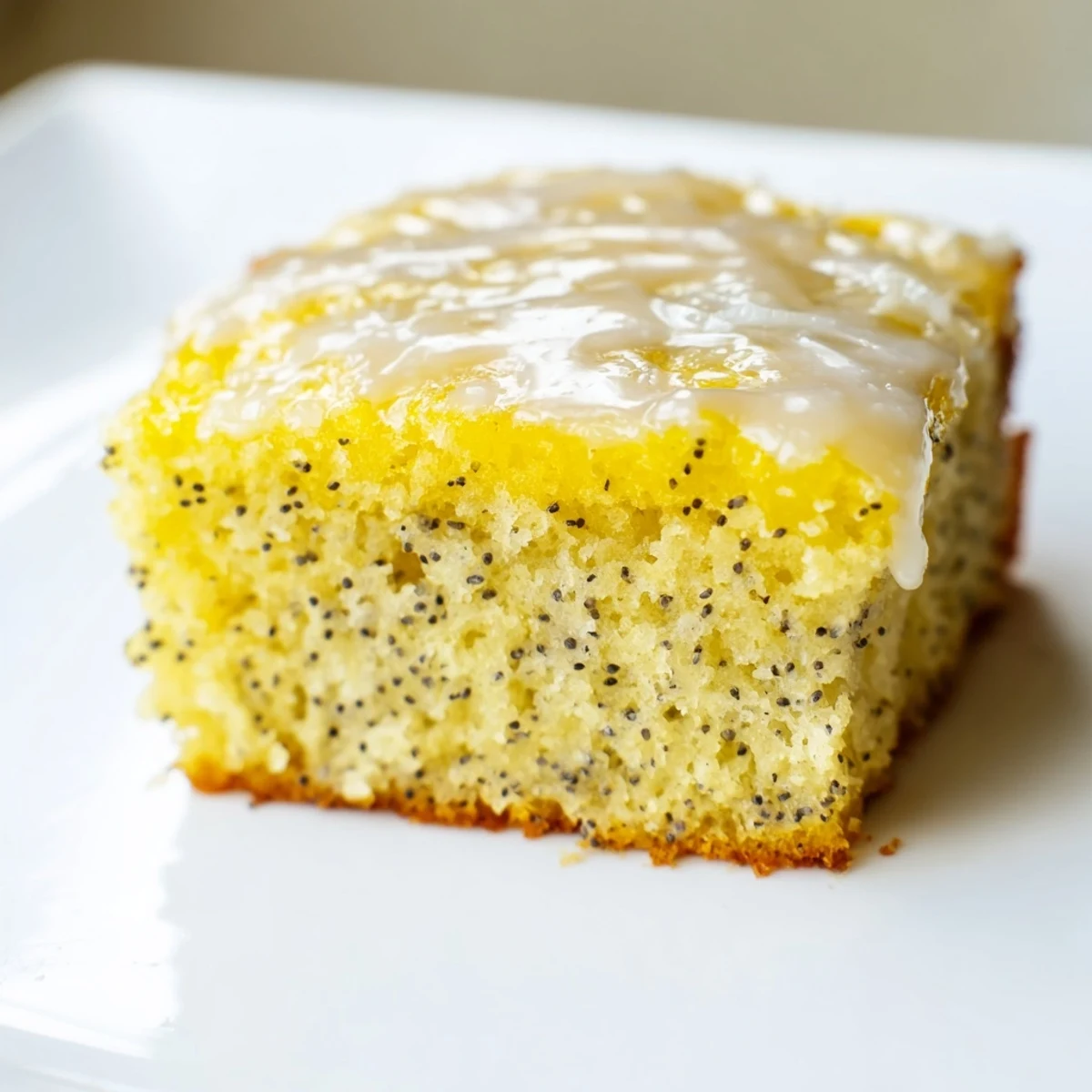
Save This traybake is proof that the best recipes are often the simple ones, when a few good ingredients are treated with care and respect. Make it once, and it'll become a fixture in your kitchen rotation.
Recipe FAQs
- → What makes the traybake moist?
-
The combination of softened butter, eggs, and a drizzle of lemon juice ensures a tender and moist texture throughout the bake.
- → Can poppy seeds be substituted?
-
Yes, chia seeds can be used as an alternative for a similar crunch and nutritional boost.
- → How is the lemon flavor enhanced?
-
Fresh lemon zest in the batter and a tangy lemon drizzle poured over while hot amplify the citrus notes.
- → What baking tin size is recommended?
-
A 23 x 33 cm (9 x 13 inch) traybake tin lined with baking parchment works best for even cooking.
- → How can extra tartness be added?
-
Adding finely chopped preserved lemon to the batter gives an intensified lemon flavor.