
 Save
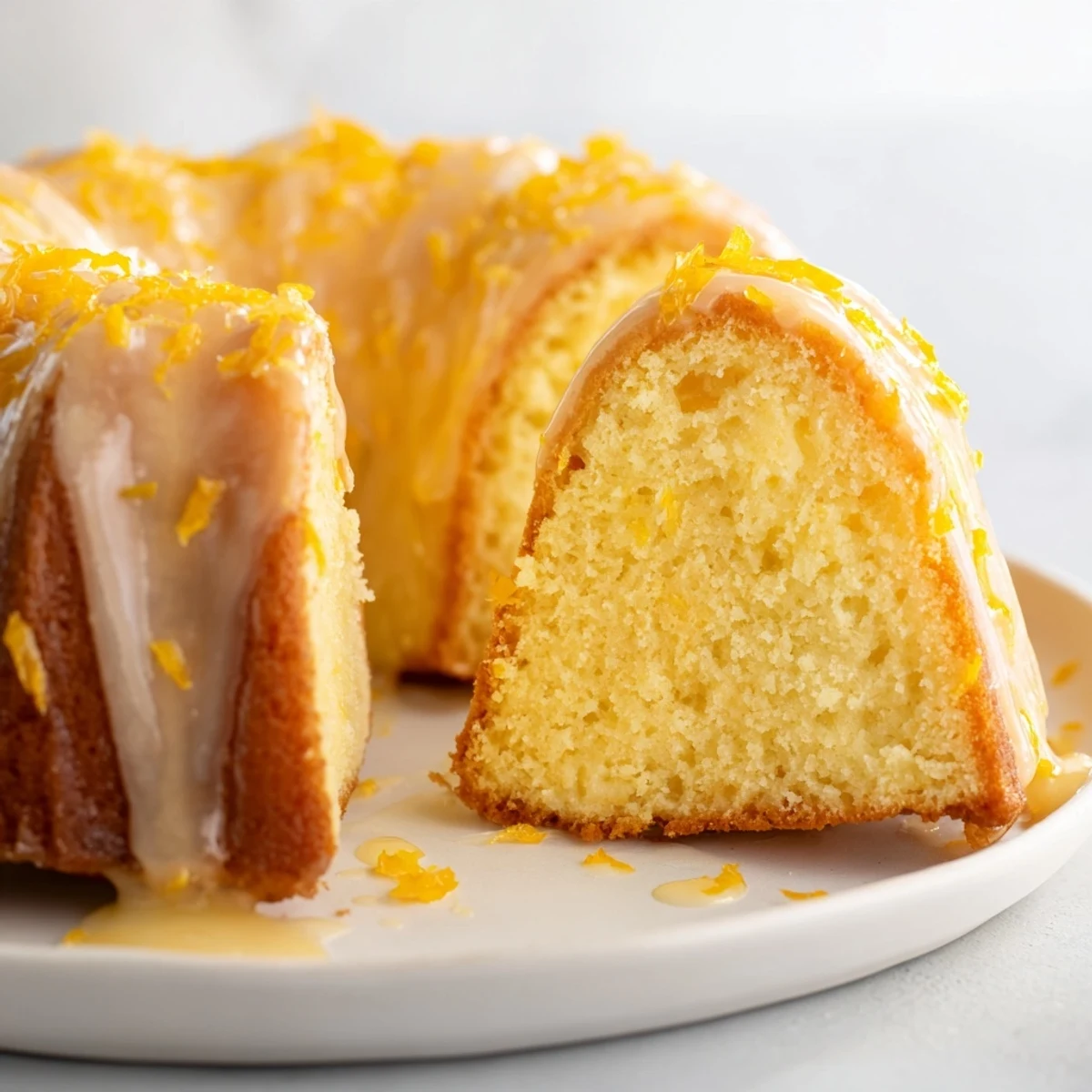
Save This moist Bundt highlights fresh lemon zest and juice blended into a rich batter, baked golden in a classic pan. A tangy lemon glaze is drizzled over the cooled cake, adding a bright finishing touch. Ideal for teatime or special occasions, it combines buttery texture with vibrant citrus notes. Serve as is or paired with cream or fresh berries for extra indulgence. Preparation takes about an hour, with straightforward steps including creaming butter and sugar, careful folding of dry ingredients, and a precise baking time for optimal moistness.
I'll never forget the afternoon my grandmother handed me her worn recipe card for lemon drizzle cake, the paper soft from decades of kitchen grease splatters and coffee rings. She'd made it for every summer gathering, every birthday tea, every moment when someone needed comfort wrapped in citrus and butter. The first time I baked it myself, my kitchen filled with that unmistakable bright aroma—fresh lemon meeting golden cake—and I understood why this humble British classic had become her signature. Now, whenever I make it, I'm transported back to that kitchen, her hands guiding mine through each step.
I baked this cake for my daughter's school bake sale, and three parents came back asking if I'd make it for their dinner parties. That's when I realized this wasn't just a cake to enjoy at home—it was a cake that made people feel celebrated, worthy of something special and homemade.
Ingredients
- 250 g unsalted butter, softened: This is your foundation for richness and lift. Softened butter (not melted) creams with sugar to trap air, giving you that tender crumb. Take it out of the fridge 30 minutes ahead and you'll feel the difference.
- 300 g granulated sugar: The sweetness is essential, but it also helps create that light, fluffy texture when beaten into butter. Don't skimp on the creaming time.
- 4 large eggs, room temperature: Cold eggs don't incorporate smoothly and can cause a dense cake. Let them sit out while you prep—this small step genuinely matters.
- 300 g all-purpose flour: Measure by spooning into the cup and leveling off, not scooping straight from the bag. Overmeasuring flour is how cakes become dry.
- 2 tsp baking powder: This gives you the gentle rise that makes the crumb tender rather than dense. Check your baking powder's expiration date—stale leavening is a silent cake killer.
- 1/2 tsp salt: A small amount that amplifies the lemon flavor and balances sweetness perfectly.
- 2 lemons, zested and juiced (about 60 ml juice): Use bright, firm lemons that feel heavy for their size—they have more juice. The zest goes into the batter, the juice goes in too, and you'll reserve extra for the glaze.
- 120 ml whole milk: The alternating method (wet-dry-wet) keeps the batter from becoming tough. Whole milk adds richness you'll taste in every bite.
- 1 tsp vanilla extract: A whisper of vanilla that makes all the other flavors sing without announcing itself.
- 100 g powdered sugar: Sifted if lumpy, this dissolves smoothly into the drizzle when mixed with fresh lemon juice.
- 2–3 tbsp freshly squeezed lemon juice: For the glaze, the brightness depends on this being fresh. Bottled won't give you the same vibrant tang.
Instructions
- Prepare Your Pan:
- Preheat your oven to 180°C (350°F). Take your 10-cup Bundt pan—the ridges and flutes are going to create beautiful golden edges—and generously butter every crevice and corner. Dust lightly with flour, then tap out the excess. You want just enough flour that the cake won't stick, not enough that you see white powder. This prep work is what gives you that pristine unmold.
- Cream the Butter and Sugar:
- In a large bowl, beat the softened butter and sugar together. You're not just mixing—you're incorporating air. After 3 to 4 minutes, stop and look: it should be pale, almost white, and noticeably fluffier. Run a finger through it and it should feel light. This is non-negotiable for the cake's structure.
- Add Eggs One by One:
- Crack each egg into the butter mixture and beat well before adding the next. This gradual incorporation emulsifies the batter, keeping it smooth and preventing the curdled look of too many eggs added at once. Listen to the mixer—the sound changes as each egg fully incorporates.
- Combine Dry Ingredients:
- In another bowl, whisk together flour, baking powder, and salt. Whisking distributes the baking powder evenly so you don't end up with cakey spots and dense spots in the same slice.
- Alternate Wet and Dry:
- Here's where patience pays off. Add a third of the flour mixture to the butter mixture and fold gently with a spatula until almost no streaks remain. Pour in half the milk and fold again. Then another third of flour, the remaining milk, and finally the last of the flour. Mix only until you see no white streaks—overmixing develops gluten and toughens the cake. The batter should look thick but smooth.
- Add the Lemon:
- Stir in the lemon zest, juice, and vanilla. The juice will make the batter slightly looser, and that's exactly right. You'll smell it now—sharp and bright, a promise of what's coming.
- Fill and Bake:
- Pour the batter into the prepared Bundt pan, using a spatula to smooth the top evenly. Bake for 45 to 50 minutes. Start checking around 43 minutes by inserting a skewer into the thickest part—it should come out clean or with just a few moist crumbs, not wet batter.
- Cool Gently:
- Let the cake rest in the pan for exactly 10 minutes. This waiting is crucial—it lets the cake firm up just enough to unmold without tearing, but not so much that it sticks. Run a thin knife around the edges and the center, then place a wire rack on top and invert with a gentle but confident motion. Leave it on the rack until completely cool—moving it too soon risks a broken cake.
- Make the Drizzle:
- Whisk powdered sugar with 2 tablespoons of fresh lemon juice. If it's too thick, add more juice a teaspoon at a time until it's pourable but still coats a spoon. The consistency matters—too thin and it runs off completely, too thick and it clumps.
- Finish With Glaze:
- Once the cake is completely cool, pour the lemon drizzle across the top, letting it find its way down the fluted sides. It hardens as it sets, creating a beautiful glossy finish that catches the light.
 Save
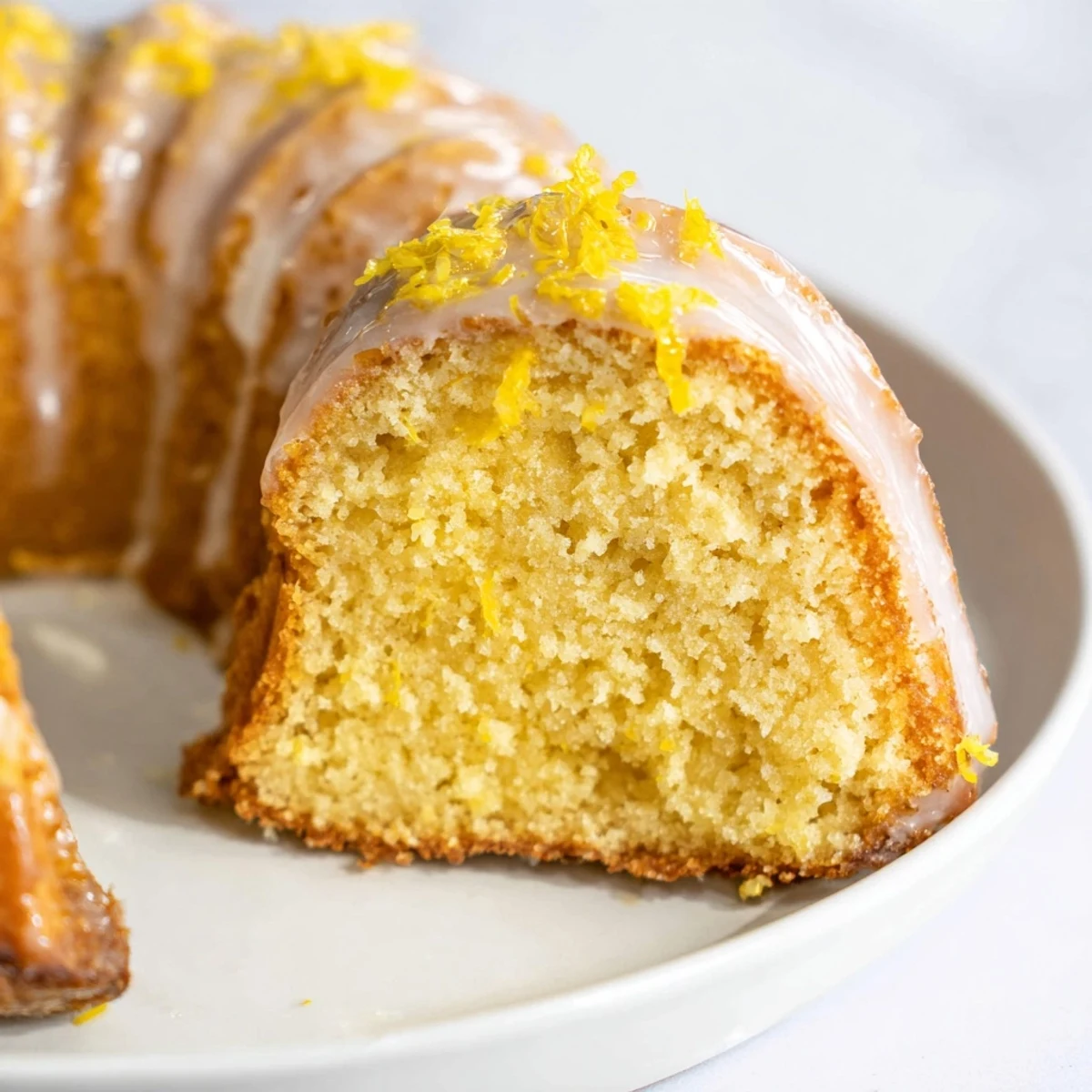
Save My neighbor came over one spring afternoon when this cake was cooling on the rack, and she stood in my kitchen just breathing in the lemony air. She didn't need a slice to smile—the aroma alone transported her to her childhood in Dorset, to her mum's kitchen. Food is memory, and this cake is proof.
The Secret to a Moist Crumb
The reason this cake stays tender for three days while sitting on the counter is the careful balance of butter and milk in the batter. You're not making a lean cake or a rich cake—you're hitting the sweet spot between them. The lemon juice adds moisture too, and the zest carries oils that keep everything cohesive. A friend once told me her lemon drizzle cake always came out dry, and when I watched her bake, I saw she was using whole wheat flour and cutting the butter. Those changes sounded healthy but removed exactly what makes this cake special.
Why a Bundt Pan Makes All the Difference
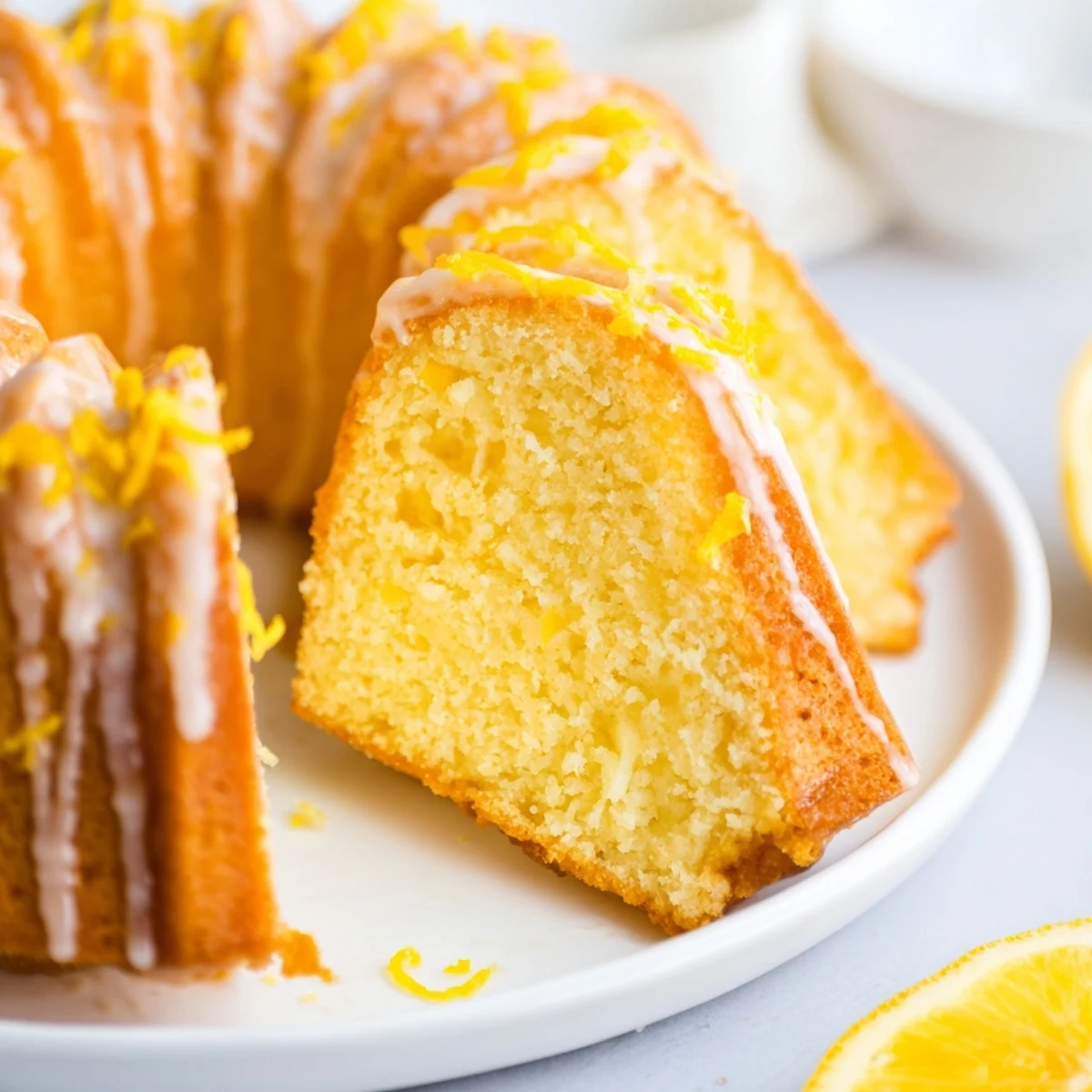
A round cake layer can be lovely, but a Bundt cake is theater. The intricate pattern bakes right into the sides, and the cake's natural shape is already a centerpiece. There's something about setting a Bundt on the table—it says someone cared, someone took time. The ridged design also creates more surface area for browning, so you get these gorgeous caramelized edges that add depth to every bite.
Serving and Storage Wisdom
This cake is beautiful served with barely whipped cream and fresh berries, or on its own with a cup of tea. I've found that the flavors actually improve slightly by the next day, as the lemon soaks deeper into the crumb. Store it covered on the counter—an airtight container works perfectly—and it'll stay moist and tender for up to three days.
- If you want an extra lemon punch, add 1 tsp lemon extract to the batter, but taste before you do—it's potent
- Slice it with a hot, wet knife and wipe between cuts for clean edges that look bakery-quality
- This cake freezes beautifully for up to a month; wrap it well and skip the glaze until after it thaws
 Save
Save Every time I bake this cake, I'm baking my grandmother's memory forward, one zesty slice at a time. That's the real magic of a recipe that lasts.
Recipe FAQs
- → What is the best way to zest lemons?
-
Use a fine grater or a microplane to zest only the yellow part of the skin, avoiding the bitter white pith underneath.
- → Can I substitute the all-purpose flour?
-
Yes, but results may vary; using a gluten-free blend requires additional binding agents and might alter texture.
- → How do I ensure the cake stays moist?
-
Carefully measure ingredients, avoid overmixing, and check doneness with a skewer to prevent overbaking.
- → What pan size is recommended?
-
A 10-cup Bundt pan works best to achieve an even bake and maintain the cake’s shape.
- → How is the lemon drizzle made?
-
Whisk powdered sugar with freshly squeezed lemon juice until smooth and pourable, adjusting juice quantity as needed.
- → Can the cake be made ahead?
-
Yes, it keeps well stored in an airtight container at room temperature for up to 3 days.