
 Save
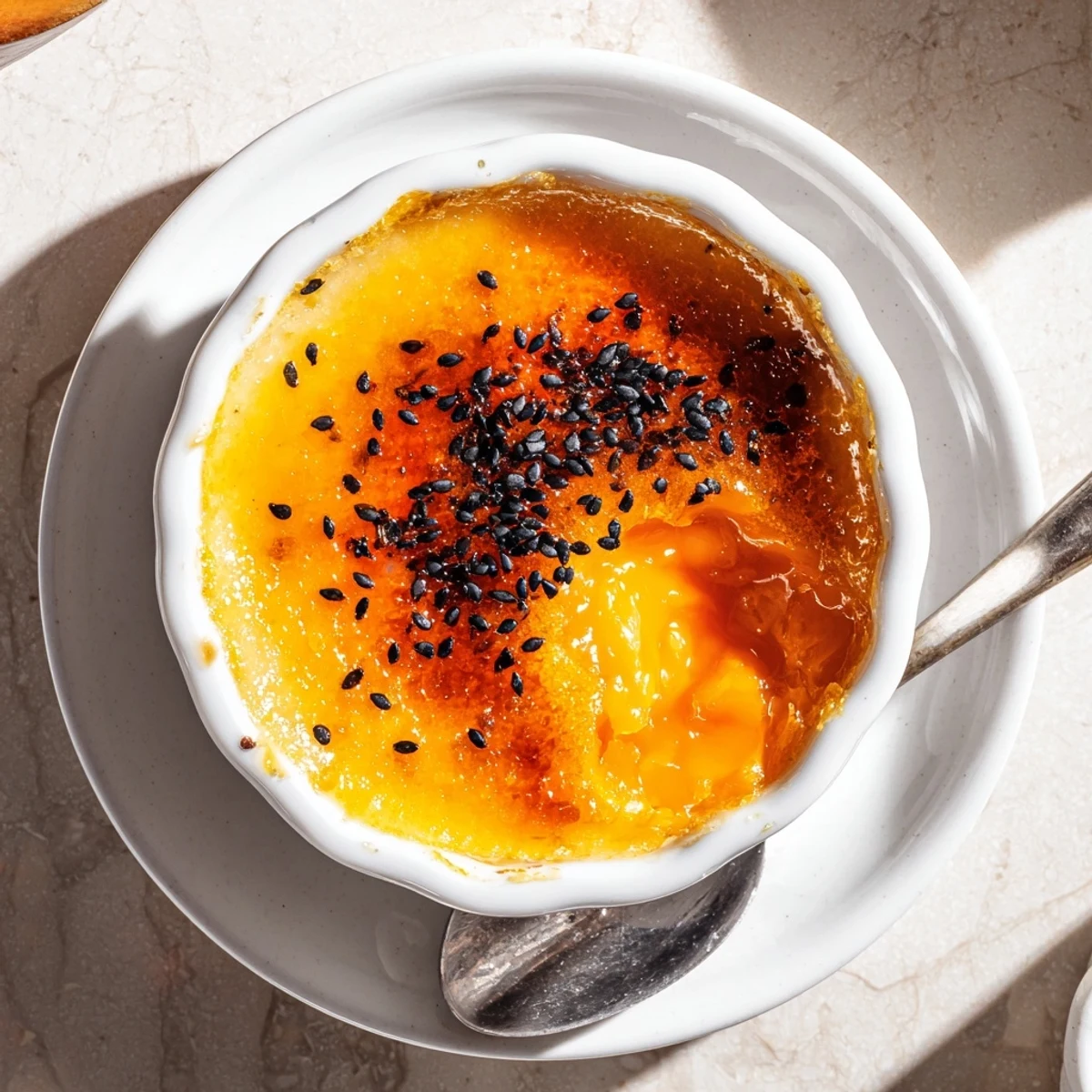
Save This Japanese-French fusion dessert reimagines the classic crème brûlée by incorporating the natural sweetness and earthy notes of Japanese sweet potato. The result is an incredibly silky custard with a beautiful golden hue and a flavor profile that balances creamy richness with subtle nuttiness.
The preparation involves creating a smooth sweet potato and cream base, enriching it with egg yolks for that signature luxurious texture, then baking it gently in a water bath until just set. The magic happens at the end when a layer of sugar is caramelized to create that signature crackling caramel top that contrasts perfectly with the velvety custard beneath.
What makes this version special is how the Japanese sweet potato adds depth and complexity while keeping the custard naturally lighter than traditional versions. The earthy sweetness pairs beautifully with the burnt sugar topping, creating multiple layers of flavor in every spoonful. Perfect for dinner parties or when you want to serve something impressively elegant yet surprisingly approachable.
The first time I saw Japanese sweet potatoes at my local market, their dusty rose skins felt like discovering something secret. I bought four on impulse and spent the afternoon experimenting, ending up with this crème brûlée that made my kitchen smell like caramel and earth. That evening, I served them to friends who kept dipping their spoops back in, breaking through the burnt sugar layer again and again.
Last autumn, I made these for a dinner party when the rain was drumming against my windows. My friend Sarah took one bite and went completely silent, then looked up with sugar crystals on her lip and asked if I could teach her how to make them. We spent the next hour by the counter with wine and kitchen torches, burning sugar and laughing at our uneven attempts.
Ingredients
- Japanese sweet potato: These have naturally sweet, almost chestnutlike flesh that creates the most gorgeous pale orange custard
- Heavy cream and whole milk: The combination makes for richness without being overwhelming
- Egg yolks: Four yolks give that luxurious silken texture were after
- Granulated sugar: Youll need some for the custard and more for that signature crackly top
- Vanilla extract: Just a whisper to brighten the earthy sweet potato notes
- Salt: A tiny pinch wakes everything up
Instructions
- Prep your oven and water bath:
- Preheat to 150°C 300°F and put a kettle on to boil for that gentle water bath that keeps the custard silky
- Cook the sweet potato:
- Steam or boil those cubes until theyre completely tender, about 15 minutes, then let them cool slightly
- Make the sweet potato cream:
- Blend the cooked potato with the heavy cream and milk until absolutely smooth with no lumps
- Whisk the egg mixture:
- In a separate bowl, whisk your yolks with sugar, vanilla, and salt until pale and ribbony
- Combine everything:
- Slowly pour that sweet potato cream into the yolks while whisking constantly so you dont scramble anything
- Strain for perfection:
- Pass the mixture through a fine mesh sieve to catch any bits for the smoothest possible custard
- Set up the ramekins:
- Divide the custard among four ramekins and place them in a deep baking pan
- Create the water bath:
- Pour the hot water into the pan until it reaches halfway up the sides of your ramekins
- Bake gently:
- Carefully slide the pan into the oven and bake for 30 to 35 minutes until just set but still slightly wobbly in the center
- Chill thoroughly:
- Let them cool to room temperature, then refrigerate for at least 2 hours or until completely chilled
- The brûlée moment:
- Sprinkle about a tablespoon of sugar over each custard and torch it until golden and crisp, watching closely
- Let the caramel set:
- Wait 3 minutes before serving so that sugar layer hardens into that satisfying crack
 Save
Save My mother in law, who grew up in Tokyo, tried these and said they reminded her of autumn in her grandmother's kitchen. That connection between food and memory is exactly why I love experimenting in the kitchen.
Making It Dairy Free
Ive made this with full fat coconut cream and it works beautifully. The coconut flavor is subtle and actually pairs wonderfully with the sweet potato.
Getting That Perfect Brûlée
A kitchen torch gives you the most control over the caramelization. If you use your ovens broiler, keep the door cracked and watch like a hawk, sugar goes from perfect to burned in seconds.
Serving Ideas
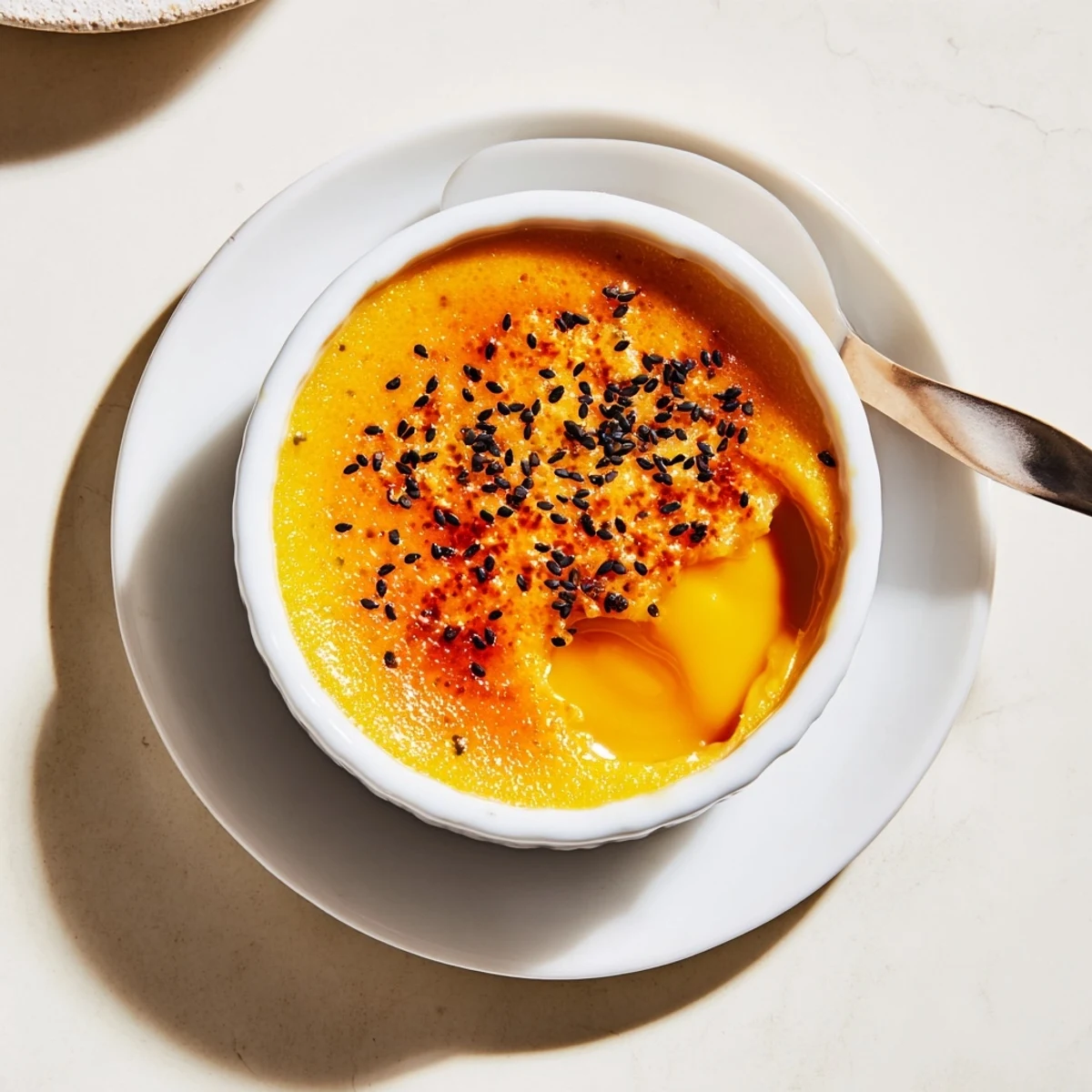
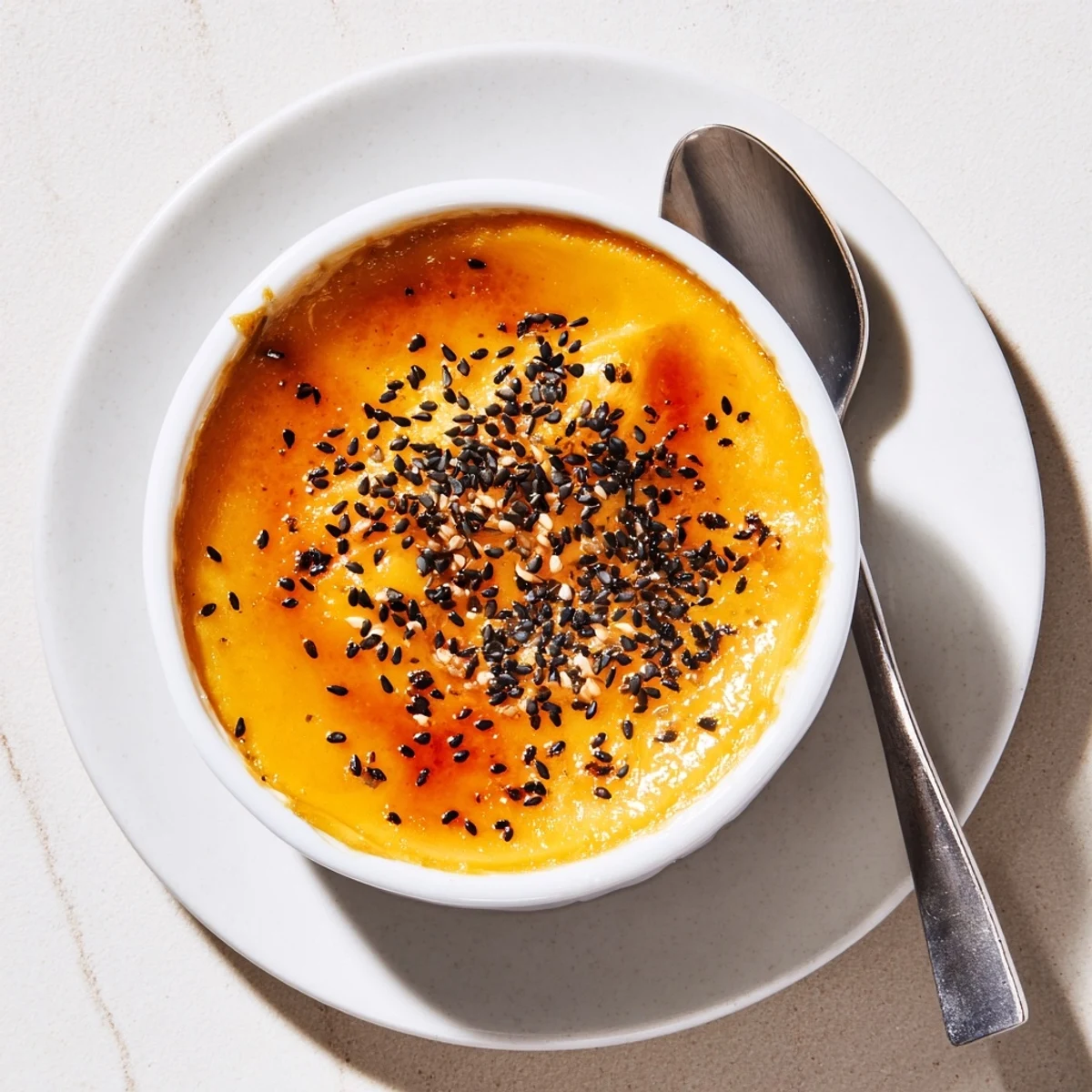
A pinch of black sesame seeds over the top adds this gorgeous nutty crunch and looks stunning against the golden sugar. Sometimes I'll add a few pieces of candied sweet potato if I'm feeling fancy.
- Let the ramekins come to room temperature for 10 minutes before brûléeing
- Serve immediately after caramelizing for the best crackle
- Leftovers keep in the fridge but the sugar softens, so brûlée fresh each time
 Save
Save Theres something so satisfying about breaking through that caramelized sugar into the creamy custard below. I hope these bring as much joy to your table as they have to mine.
Recipe FAQs
- → What makes Japanese sweet potato different from regular sweet potatoes?
-
Japanese sweet potatoes (often called satsumaimo) have a distinctively sweet, nutty flavor with a creamier texture and purple-red skin. They're less starchy than American varieties and naturally sweeter, making them perfect for desserts without needing additional sugar.
- → Can I make this without a kitchen torch?
-
Yes! Place the chilled custards under your oven broiler for 1-2 minutes, watching constantly to prevent burning. The sugar will still caramelize, though the texture may be slightly less uniform than with a torch.
- → How far in advance can I prepare these?
-
The custards can be made up to 2 days ahead and refrigerated. However, add the caramelized sugar topping just before serving—the caramel layer will start to soften and become sticky if left too long.
- → Why do I need to strain the custard mixture?
-
Straining through a fine mesh sieve removes any lumps or bits of sweet potato, ensuring an impeccably smooth texture. This step is crucial for achieving that luxurious, silky mouthfeel that defines a great crème brûlée.
- → Can I make this dairy-free?
-
Absolutely. Substitute full-fat coconut milk for the heavy cream and use a plant-based milk alternative. The texture will be slightly different but still delicious, and the coconut flavor complements the sweet potato beautifully.
- → How do I know when the custard is done baking?
-
The custard is ready when the edges are set but the center still jiggles slightly like gelatin when you gently shake the ramekin. It will continue to firm up as it cools, so removing it while slightly wobbly prevents overcooking.