
 Save
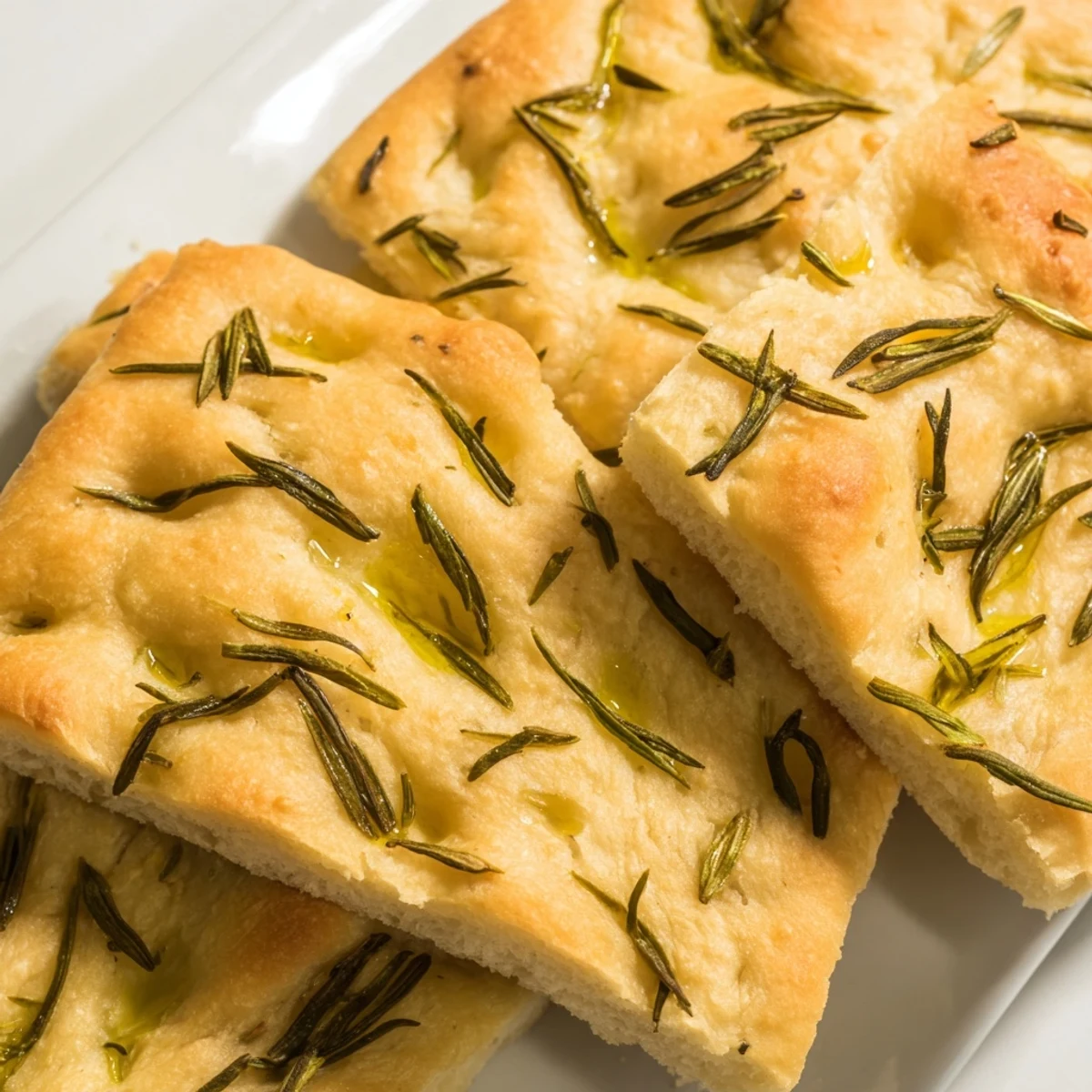
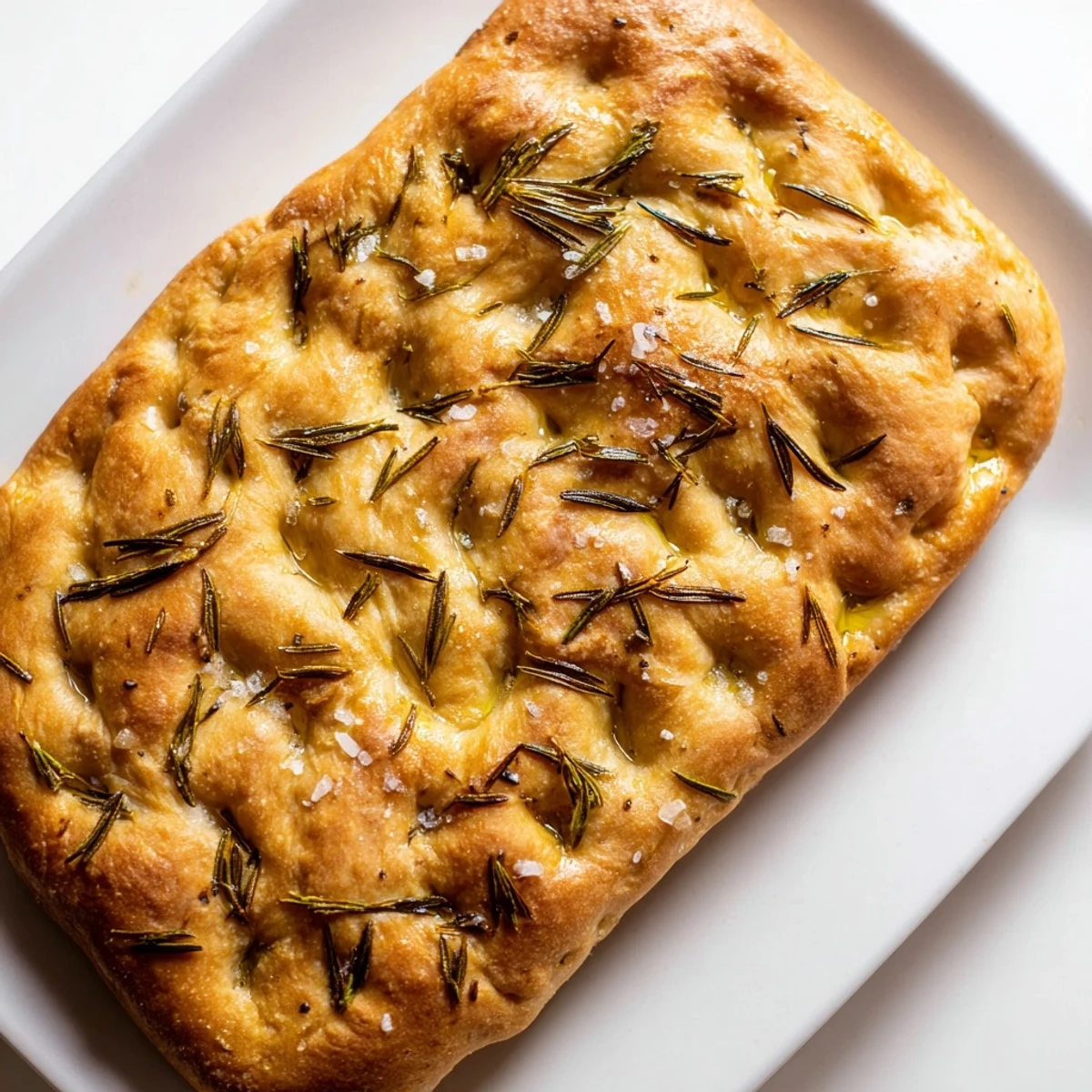
Save Create this beloved Italian flatbread featuring a irresistibly crisp exterior and delightfully airy, tender crumb. The dough develops deep flavor through a slow rise, while generous amounts of extra virgin olive oil ensure that signature golden crust and moist interior. Fresh rosemary and flaky sea salt provide aromatic contrast, creating those distinctive dimpled pockets that capture all the savory toppings.
The process rewards patience—letting the yeast work its magic yields beautifully bubbly dough that bakes into bakery-quality results. Serve warm alongside antipasti, use as sandwich bread, or simply tear and share with olive oil for dipping.
The sound of dough stretching and popping under my knuckles is, honestly, one of the most satisfying things my kitchen has ever produced. Focaccia taught me that bread does not need to be complicated to feel like an event. The first tray I pulled out was uneven and slightly burnt at one corner, but nobody at the table cared because the smell had already won them over. This is the kind of recipe that turns a regular Tuesday into something worth remembering.
One rainy Sunday my neighbor knocked on my door holding a bottle of Chianti and asked what I was baking because the hallway smelled like a bakery in Liguria. We ended up standing in my kitchen tearing warm pieces off the slab with our hands, barely stopping to grab plates. That focaccia never even made it to the dining table.
Ingredients
- Bread flour (500 g): Bread flour gives the chew and structure that all purpose simply cannot match here.
- Salt (10 g): Do not skimp on salt because it seasons the bread from within and strengthens the gluten network.
- Active dry yeast (7 g): Check the expiration date because dead yeast has ruined more focaccia dreams than anything else.
- Lukewarm water (325 ml): Think baby bath temperature, not hot tea, because scalding water kills yeast instantly.
- Extra virgin olive oil (50 ml in dough, plus 2 tbsp for topping): Use the good stuff here since the oil is a core flavor, not a background player.
- Sugar (1 tsp): Just enough to wake the yeast up and get things bubbling.
- Fresh rosemary, chopped (1 tbsp): Fresh rosemary makes the whole kitchen smell like a hillside in Umbria.
- Flaky sea salt (1 and a half tsp): Flake salt on top gives those little bursts of seasoning that make each bite exciting.
- Olives or cherry tomatoes (optional): Press them gently into the dough so they nestle in without sinking.
Instructions
- Wake up the yeast:
- Stir the yeast and sugar into lukewarm water in a small bowl and wait about ten minutes until the surface looks foamy and alive. If nothing happens after fifteen minutes, start over with fresher yeast.
- Bring the dough together:
- Pour the flour and salt into a large bowl, create a well in the center, and add the frothy yeast mixture along with the olive oil. Mix with your hands or a wooden spoon until everything comes together into a shaggy, sticky mass.
- Knead with patience:
- Turn the dough onto a lightly floured counter and knead for eight to ten minutes until it transforms from ragged to silky smooth and springs back when you poke it. This is where you earn the texture, so put on some music and enjoy the rhythm.
- Let it rise:
- Transfer the dough to an oiled bowl, cover it with a damp kitchen towel, and leave it in a warm spot for about one hour until it has roughly doubled in size. The wait is worth every minute because this is where the air pockets develop.
- Shape and dimple:
- Grease your baking tray generously with olive oil, then stretch and press the dough to fill the tray, using your fingertips to create those classic deep dimples across the entire surface. Press firmly but gently so you do not deflate all the beautiful rise.
- Top and rest:
- Drizzle olive oil generously over the top so it pools in the dimples, scatter the rosemary and sea salt, and press in olives or tomatoes if using. Let it rest for twenty to thirty minutes until it looks puffy and alive again.
- Bake until golden:
- Slide the tray into a preheated 220 degree Celsius oven and bake for twenty to twenty five minutes until the top is deeply golden and the bottom sounds hollow when tapped. Cool for at least five minutes before slicing so the crumb can settle.
 Save
Save There is something deeply communal about focaccia that no other bread quite captures. Tearing a warm piece off the tray and handing it to someone feels more like a hug than serving food.
What to Serve Alongside It
A simple bowl of soup turns into a full meal when there is focaccia on the side for dunking. I have also split it horizontally and built sandwiches with prosciutto, mozzarella, and arugula for lunches that disappear fast.
Playing with Flavors
The basic dough is a blank canvas that welcomes almost anything you want to throw at it. Caramelized onions, sun dried tomatoes, roasted garlic cloves, or even thin potato slices pressed into the top all work beautifully.
Getting Ahead and Storing
You can prepare the dough through the first rise and refrigerate it overnight for even better flavor development. Wrapped tightly, leftover focaccia stays decent for two days and revives nicely in a hot oven for a few minutes.
- Slice before freezing so you can grab individual pieces without thawing the whole slab.
- A quick sprinkle of water before reheating brings back the soft interior.
- Never store it in the refrigerator because the cold accelerates staling faster than you would believe.
 Save
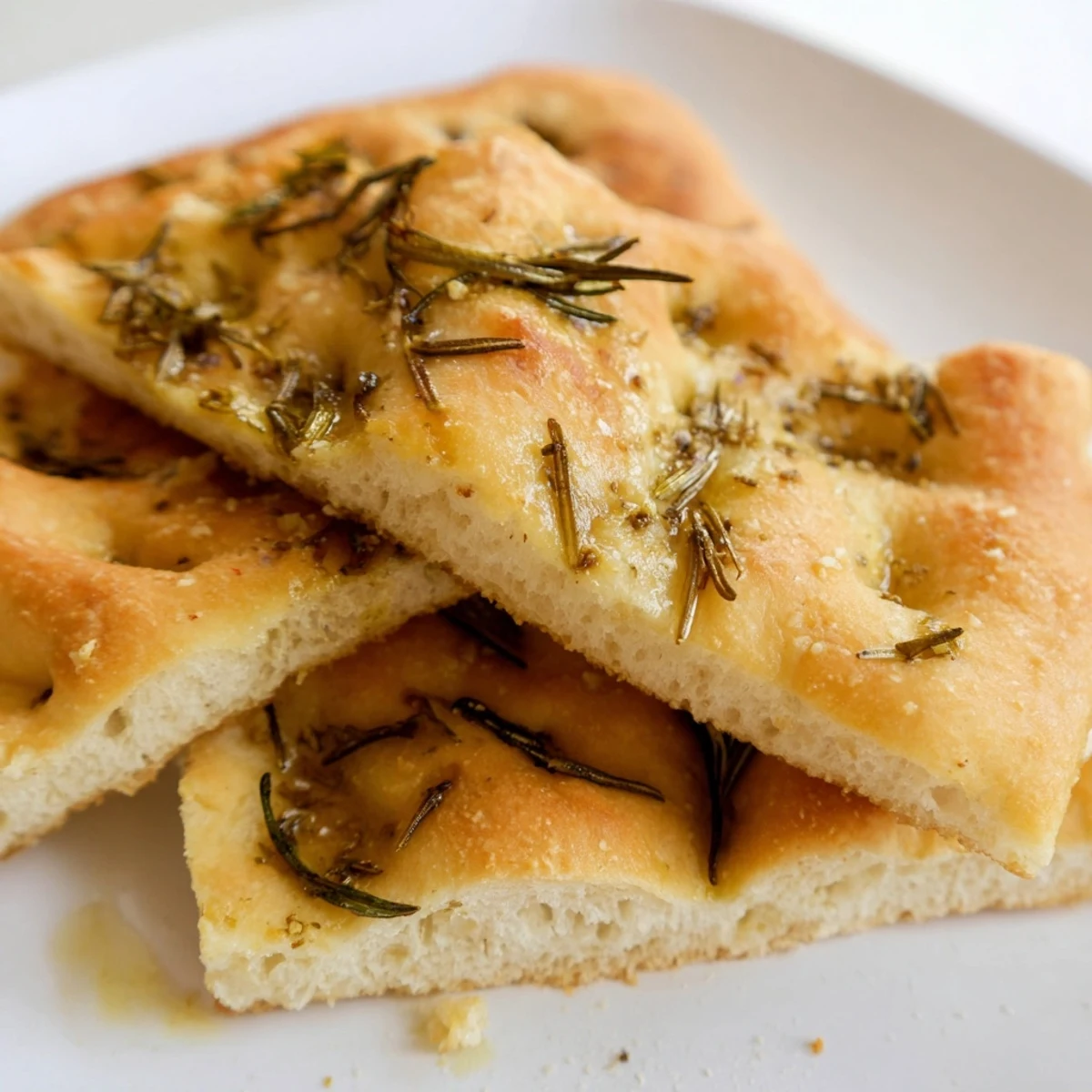
Save Every time I make this bread I wonder why I do not make it more often. It is simple, generous, and always worth the wait.
Recipe FAQs
- → What makes focaccia different from regular bread?
-
Focaccia uses higher olive oil content, creating a richer, moister crumb and distinctively crisp, golden exterior. The characteristic dimpling creates pockets for olive oil and toppings to infuse flavor throughout, unlike standard breads.
- → Can I make focaccia dough ahead of time?
-
Absolutely. After the first rise, refrigerate the dough for up to 24 hours. Cold fermentation develops deeper flavor. Bring to room temperature before shaping and the final rise.
- → Why is my focaccia not rising properly?
-
Ensure your water is lukewarm (105-110°F), not hot. Yeast needs warmth to activate but can be killed by excessive heat. Also check that your yeast is fresh—expired yeast won't create the necessary bubbles for a fluffy texture.
- → What herbs work best in focaccia?
-
Rosemary is classic, but fresh thyme, oregano, or sage create lovely variations. Dried herbs work if fresh aren't available—use one-third the amount since dried flavors are more concentrated.
- → How do I get that perfectly golden crust?
-
Brush generously with olive oil before baking and ensure your oven is fully preheated to 220°C (425°F). The oil caramelizes beautifully, creating that signature golden-brown, slightly crisp exterior.
- → Can I freeze baked focaccia?
-
Yes, wrap cooled focaccia tightly in plastic wrap, then foil, and freeze for up to 3 months. Thaw at room temperature, then refresh in a 350°F oven for 5-10 minutes to restore crispness.