
 Save
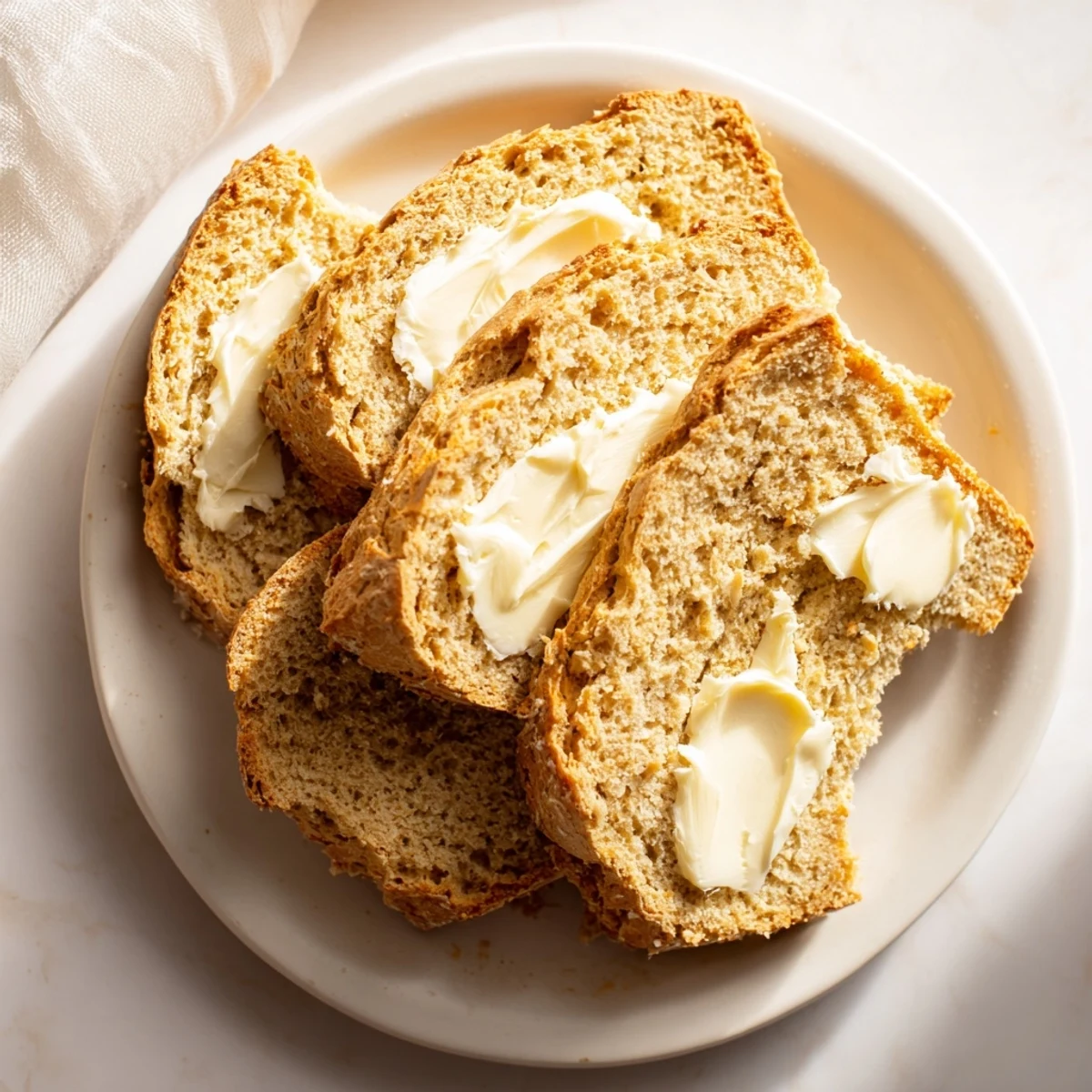
Save This traditional Irish soda bread combines simple dry ingredients with buttermilk for a tender crumb and golden crust. Gently mixed and shaped into a round loaf, it's marked with a deep cross before baking to achieve its iconic texture. Served warm, generously spread with creamy Irish butter, it pairs wonderfully with breakfasts, soups, or stews. The quick preparation and baking times make it approachable, while options like adding whole wheat flour or raisins customize the flavor and heartiness.
The smell of fresh soda bread baking takes me back to a tiny cottage kitchen in County Cork, where rain pattered against the windowpanes and the fire crackled in the hearth. My friend Sarah taught me how to make this bread one gray afternoon, explaining that her grandmother had taught her, and her grandmother before that. There is something deeply satisfying about a recipe that requires no yeast, no waiting, no proofing, just your hands and a few simple ingredients coming together to create something magical.
Last winter, during a particularly brutal snowstorm that left us housebound for days, I made loaf after loaf of this soda bread. My kids would gather around the oven, watching through the glass door as the dough transformed into golden beauty, then demand slices the moment it came out. We ate it with everything, from hearty vegetable soup to simply slathered with butter while standing at the counter, and it never once failed to lift our spirits during those long, cold days.
Ingredients
- All-purpose flour: The foundation of the bread, providing structure and that characteristic tender crumb
- Baking soda: The leavening agent that reacts with buttermilk to create the bread rise
- Fine sea salt: Enhances flavor and helps balance the tanginess of the buttermilk
- Granulated sugar: Optional but lovely, adding just a hint of sweetness to complement the slight tang
- Buttermilk, cold: Essential for the chemical reaction with baking soda and creates a tender texture
- Irish butter: The perfect finishing touch, rich and creamy and utterly delicious
Instructions
- Prepare your oven and workspace:
- Preheat your oven to 425°F and line a baking sheet with parchment paper, creating a clean, ready workspace for your bread to come together
- Whisk the dry ingredients:
- In a large bowl, combine the flour, baking soda, salt, and sugar, ensuring everything is evenly distributed before adding any liquid
- Bring the dough together:
- Make a well in the center of the flour mixture and pour in most of the buttermilk, then use your hand to gently mix until a soft, shaggy dough forms, adding more buttermilk only if needed
- Shape the loaf:
- Turn the dough onto a lightly floured surface and knead very briefly for about 30 seconds, just long enough to bring it together into a cohesive round loaf about 2 inches thick
- Score and bake:
- Transfer the loaf to your prepared baking sheet and use a sharp knife to cut a deep cross on top, then bake for 35 to 40 minutes until deeply golden and the bottom sounds hollow when tapped
- Cool and serve:
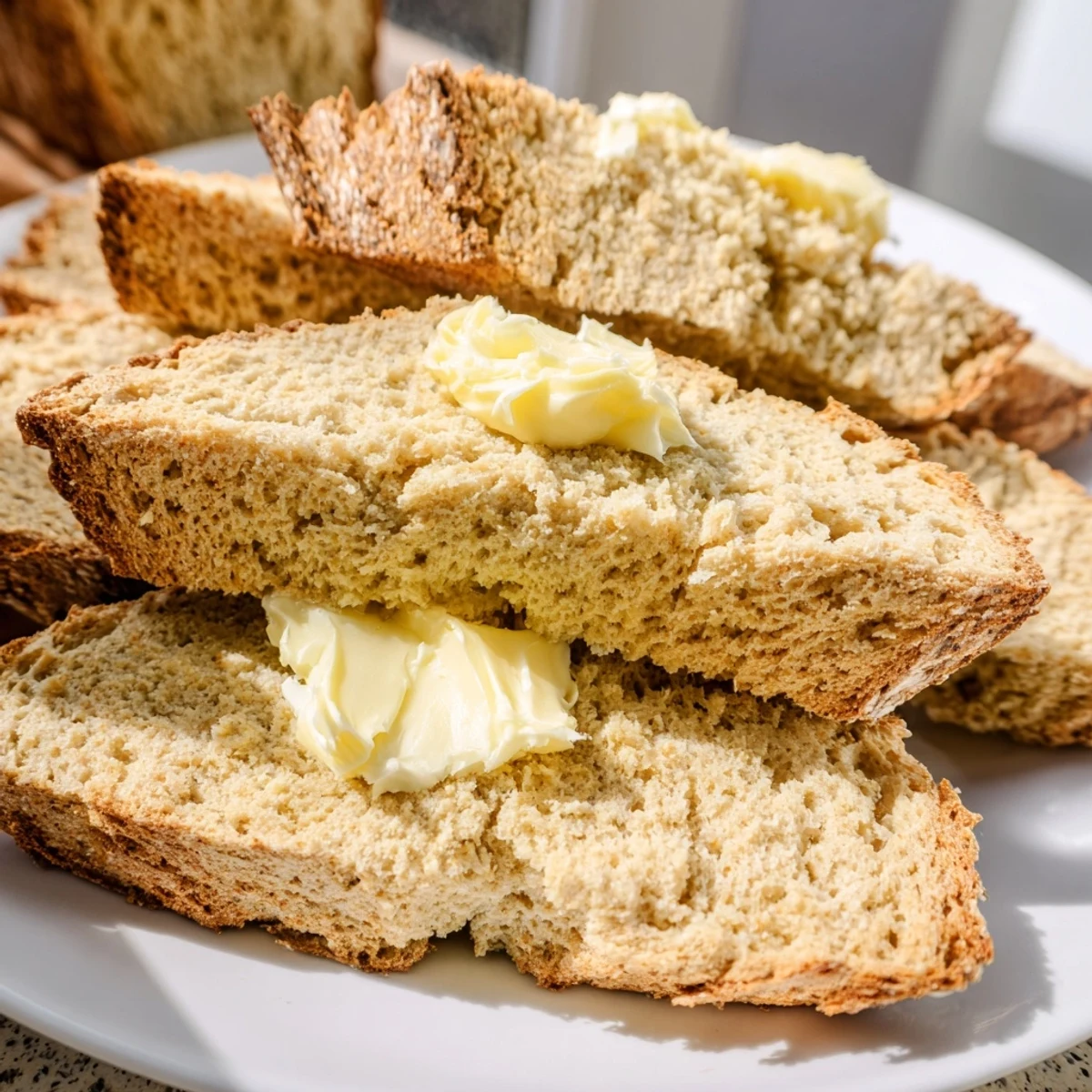
- Let the bread rest on a wire rack for at least 10 minutes, then slice thickly and serve warm with generous amounts of room temperature Irish butter melting into each piece
 Save
Save This bread became a ritual during our weekly family dinners, something everyone could help make and everyone eagerly anticipated. Even my father, who claimed not to like bread, would hover near the kitchen waiting for that first warm slice, butter melting into the crumb, and soon enough he was the one requesting it most often.
Making It Your Own
Once you have mastered the basic recipe, try adding a cup of whole wheat flour for a heartier, more nutty flavor and a darker crumb. The slight bitterness of whole wheat beautifully complements the tanginess of the buttermilk and creates a bread that feels even more rustic and substantial.
Sweet Variations
Half a cup of raisins or currants folded into the dough transforms this into a slightly sweet treat that is perfect for afternoon tea or breakfast. The dried fruit plumps slightly during baking, creating little pockets of sweetness throughout the tender crumb that feel like a special discovery in every bite.
Perfect Pairings
Classic soda bread was born to be served alongside hearty soups and stews, soaking up flavorful broths and providing the perfect vehicle for every last spoonful. The slight tang of the bread cuts through rich dishes while its sturdy texture holds up beautifully even when dipped and soaked.
- Smoked salmon with a smear of cream cheese creates an elegant and delicious snack
- A bowl of thick vegetable or beef stew becomes a complete and satisfying meal
- Simply toasted and topped with scrambled eggs for the most comforting breakfast imaginable
 Save
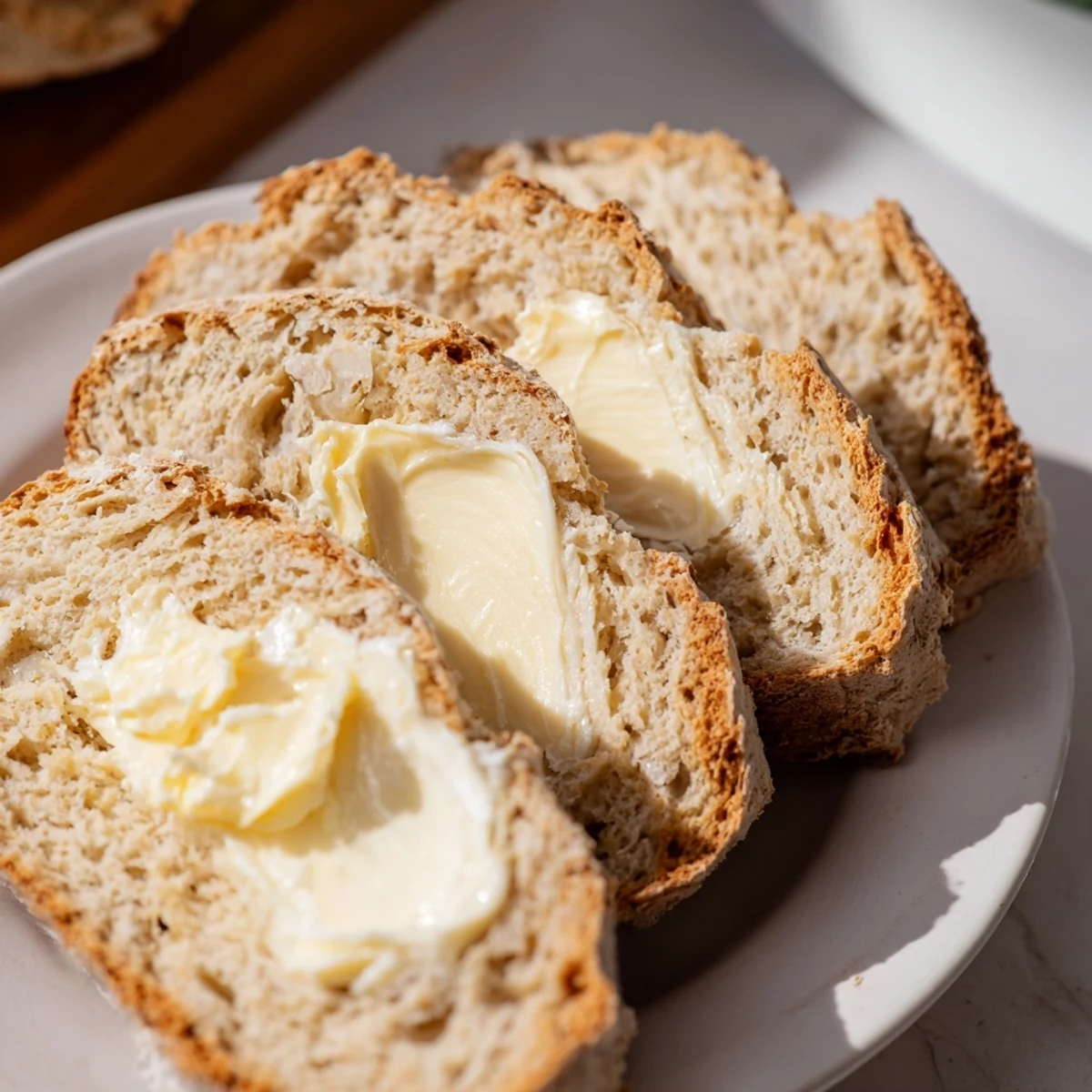
Save May your kitchen always smell of fresh soda bread and may your table always be surrounded by people you love, sharing warm slices and good conversation.
Recipe FAQs
- → What makes Irish soda bread unique?
-
Irish soda bread uses baking soda as a leavening agent instead of yeast, which gives it a distinct texture and quicker preparation.
- → Why is a cross cut on top of the loaf?
-
The deep cross allows steam to escape and helps the bread rise evenly, creating its traditional look and texture.
- → Can I add other ingredients for variation?
-
Yes, adding raisins or currants can sweeten the loaf, and incorporating whole wheat flour adds heartiness.
- → How should the bread be served for best taste?
-
Serve warm with a generous spread of Irish butter for a rich, creamy complement to the crisp, tender bread.
- → What is the ideal baking temperature and time?
-
Bake at 425°F (220°C) for 35–40 minutes until the crust is golden and the loaf sounds hollow when tapped.