
 Save
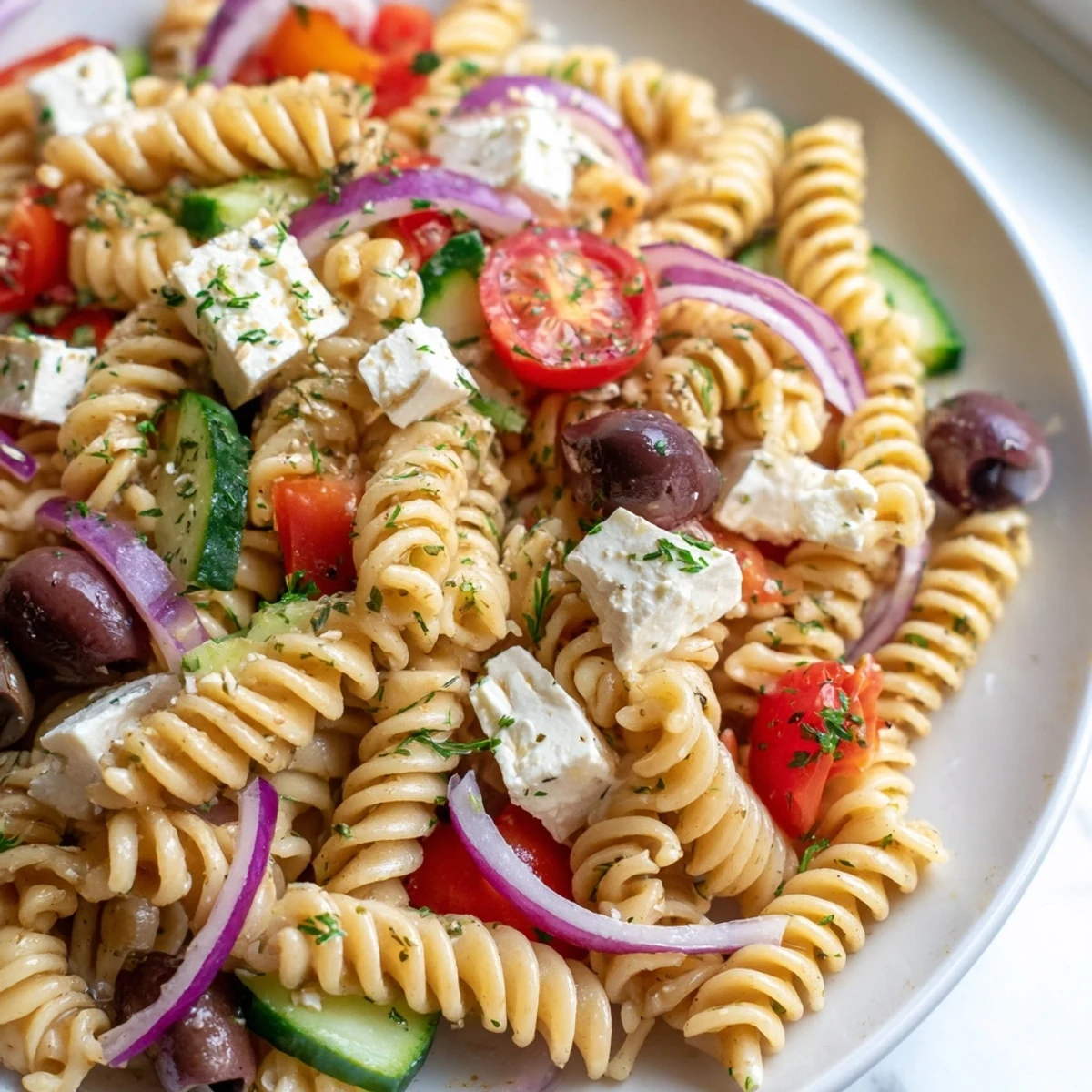
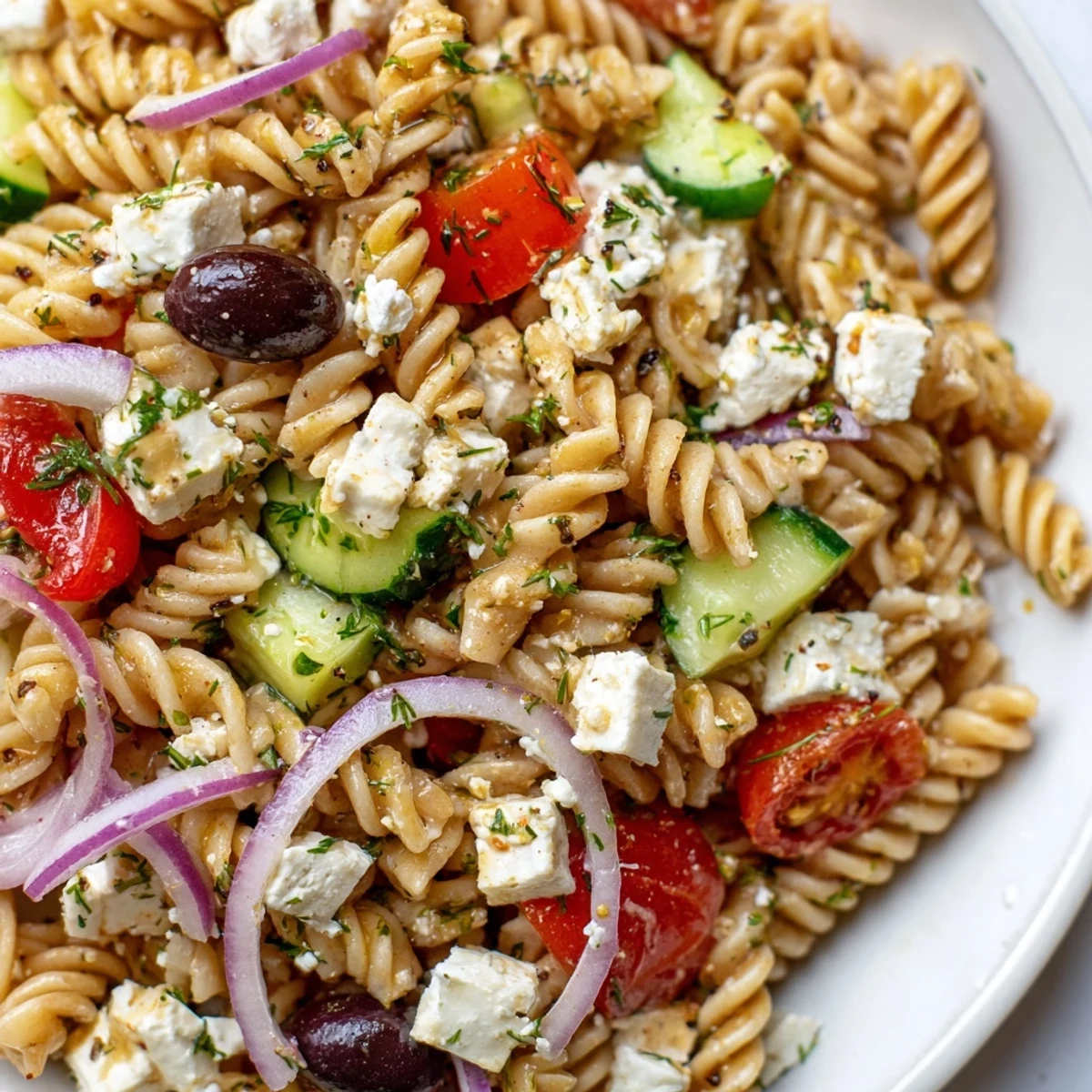
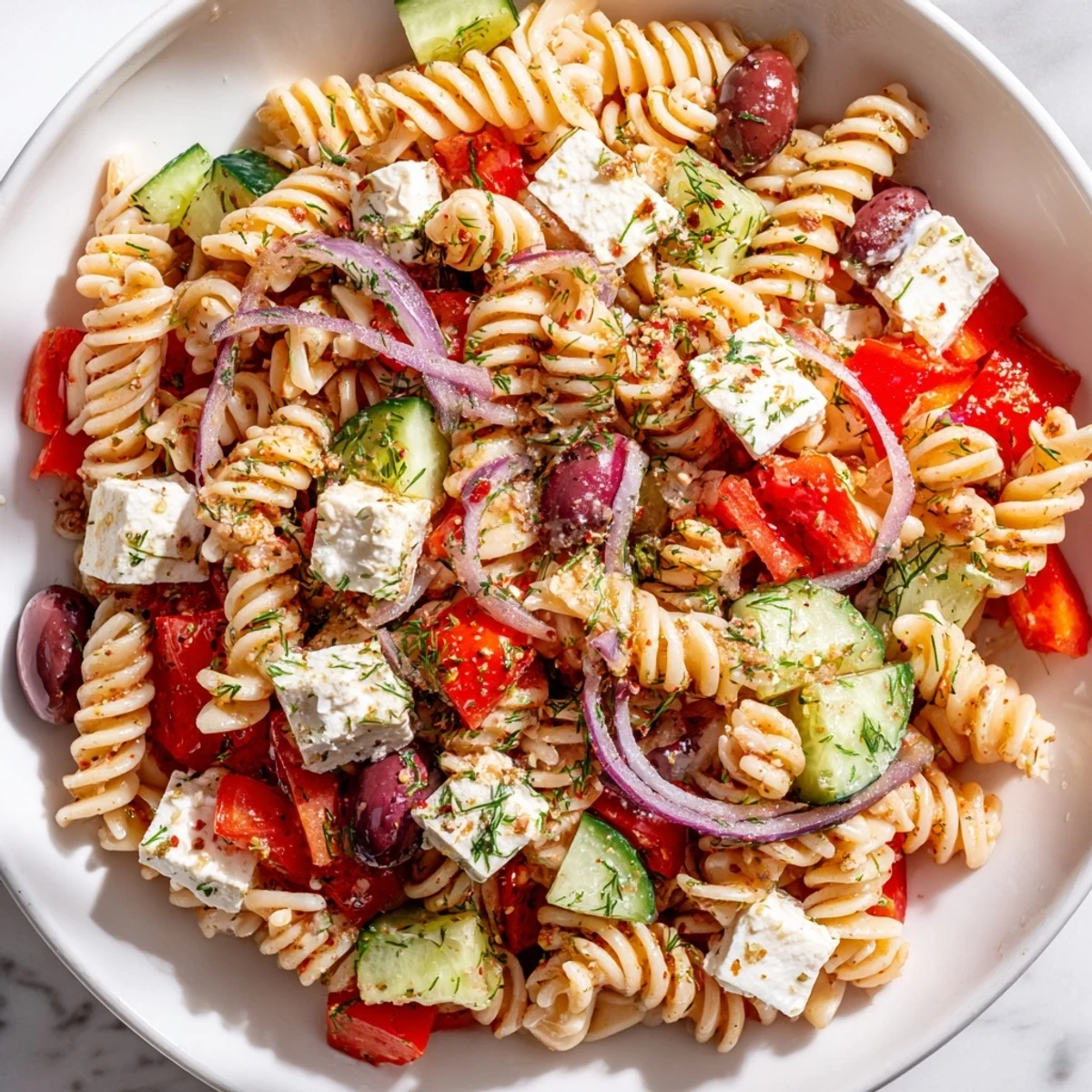
Save This Greek pasta salad brings together al dente short pasta with crisp cucumber, juicy cherry tomatoes, and briny Kalamata olives for a refreshing Mediterranean dish that's ready in just 30 minutes.
Cubed feta cheese adds a creamy, salty bite while the homemade dressing — a bright blend of olive oil, red wine vinegar, lemon zest, and dried oregano — ties everything together beautifully.
It's an effortless choice for picnics, potlucks, or a light vegetarian lunch. Make it ahead and let the flavors meld in the fridge for even better results.
The screen door slapped shut behind me as I carried a bowl of this salad out to the porch, the lemon zest hitting my nose before I even sat down. My neighbor looked over the fence, squinted, and asked what smelled like a Greek island in July. I handed her a forkful over the petunias, and she stopped mid chew, closed her eyes, and whispered something I cannot repeat in polite company.
I brought this to a potluck once and watched three people skip the dessert table to go back for seconds of a pasta salad. That is the kind of quiet victory that keeps you making something again and again.
Ingredients
- Short pasta (300 g penne, rotini, or fusilli): The ridges and twists grab the dressing in ways smooth pasta never will, so pick a shape with texture.
- English cucumber (1, diced): English cucumbers have fewer seeds and less water, which keeps the salad from turning soupy overnight.
- Red bell pepper (1, diced): Adds a sweetness and crunch that balances the briny olives, and the red color makes everything look alive.
- Cherry tomatoes (200 g, halved): Cherry tomatoes hold their shape better than larger ones, which would turn mushy and leak juice into the dressing.
- Red onion (1 small, thinly sliced): Soak the slices in cold water for five minutes if you find raw onion too aggressive, and it tames the bite without erasing it.
- Kalamata olives (100 g, pitted and halved): Real Kalamata olives bring a deep purple brown color and a fruity saltiness that plain black olives simply cannot replicate.
- Feta cheese (150 g, cubed or crumbled): Buy the kind packed in brine if you can find it, because the texture is creamier and the tang is louder than the pre crumbled tubs.
- Fresh parsley (2 tbsp, chopped): Flat leaf parsley, not the curly kind, adds a clean grassy note that ties the Mediterranean flavors together.
- Fresh dill (1 tbsp, chopped, optional): Dill is polarizing, but even a small amount here makes the whole bowl taste like it belongs on a seaside terrace.
- Extra virgin olive oil (4 tbsp): This is the backbone of the dressing, so use the good bottle, the one you save for finishing rather than frying.
- Red wine vinegar (2 tbsp): The acidity cuts through the richness of the feta and olive oil and keeps every bite from feeling heavy.
- Dried oregano (1 tsp): Rub it between your palms before adding it to wake up the oils and release more fragrance into the bowl.
- Garlic (1 clove, minced): One clove is enough to be noticed without taking over, but you can add a second if you are the kind of person who always does.
- Salt (1/2 tsp): The feta and olives already bring salt, so taste before you add more at the end.
- Freshly ground black pepper (1/4 tsp): Freshly cracked pepper has a warmth and subtle heat that pre ground powder loses sitting on a shelf.
- Lemon zest (from 1 lemon): The zest carries all the floral brightness of the lemon without the sourness of the juice, and it perfumes the whole dressing.
Instructions
- Cook and cool the pasta:
- Boil the pasta in salted water until just al dente, then drain and rinse under cold running water until completely cool, because warm pasta will melt the feta into a cloudy mess.
- Build the salad base:
- Tumble the cooled pasta into a large bowl with the cucumber, bell pepper, cherry tomatoes, red onion, and olives, and take a moment to appreciate how colorful it looks before anything else happens.
- Whisk the dressing:
- In a small bowl, combine the olive oil, red wine vinegar, dried oregano, minced garlic, salt, pepper, and lemon zest, whisking until the mixture looks cloudy and unified rather than separated into golden pools.
- Dress everything generously:
- Pour the dressing over the salad and toss with a confident hand, making sure every piece of pasta gets coated, because an undressed noodle is a sad noodle.
- Fold in the cheese and herbs:
- Add the feta, parsley, and dill, folding gently so the cheese cubes stay intact and the herbs distribute evenly without getting bruised.
- Taste and adjust:
- Take a forkful, chew slowly, and decide if it needs more salt, a twist of pepper, or another squeeze of lemon zest, because your palate is the only judge that matters.
- Chill before serving:
- Cover and refrigerate for at least fifteen minutes so the pasta absorbs the dressing and the flavors settle into something greater than the sum of their parts.
 Save
Save One August evening I ate a bowl of this on a blanket in the backyard while fireflies came out and the radio played something old, and I realized that dinner does not need to be complicated to be perfect.
What to Serve Alongside
This salad holds its own as a light lunch, but it also plays well with grilled chicken skewers, warm pita bread, or a bowl of hummus set in the middle of the table for scooping. A glass of cold Sauvignon Blanc turns a simple plate into something that feels deliberate.
Making It Your Own
Throw in a handful of chickpeas if you want more protein without adding meat, or toss in artichoke hearts and sun dried tomatoes when you are feeling ambitious. The recipe forgives substitutions easily, so treat it as a framework rather than a rulebook.
Storage and Leftovers
This salad keeps beautifully in the refrigerator for up to two days, though the vegetables will soften slightly and the feta may crumble further into the dressing, which is not a flaw but a feature. Stir gently before serving leftovers to redistribute everything that settled.
- Store in an airtight container to keep the refrigerator from infiltrating the flavors.
- Add a splash of olive oil and a squeeze of lemon if the pasta absorbs too much dressing overnight.
- Check for hidden allergens on olive and feta labels if you are cooking for someone with sensitivities.
 Save
Save Make this once and it will follow you to every potluck, picnic, and lazy Sunday lunch for years to come. Some recipes just stick like that.
Recipe FAQs
- → Can I make Greek pasta salad ahead of time?
-
Yes, this salad actually benefits from resting. You can prepare it up to 24 hours in advance and refrigerate it. The pasta absorbs the dressing and the flavors meld together beautifully overnight.
- → What type of pasta works best?
-
Short pasta shapes like penne, rotini, or fusilli are ideal because they hold the dressing well and mix evenly with the vegetables. Their ridges and folds catch every bit of the zesty vinaigrette.
- → How should I store leftover pasta salad?
-
Store leftovers in an airtight container in the refrigerator for up to 3 days. Give it a gentle toss before serving again, and you may want to add a splash of olive oil or vinegar to refresh the dressing.
- → Can I add protein to make it more filling?
-
Absolutely. Grilled chicken breast, chickpeas, or even canned tuna pair wonderfully with the Greek flavors. Add about 200 g of cooked protein to turn this side into a hearty main.
- → Is there a substitute for feta cheese?
-
If you're avoiding dairy, try a sprinkle of nutritional yeast for umami depth. Otherwise, diced halloumi or cubed provolone can work, though feta's crumbly tang is hard to replicate in this Mediterranean context.
- → Why rinse the pasta after cooking?
-
Rinsing cools the pasta quickly and removes excess starch that would otherwise make the salad gummy. This ensures each piece stays separate and the dressing coats evenly rather than sliding off.