
 Save
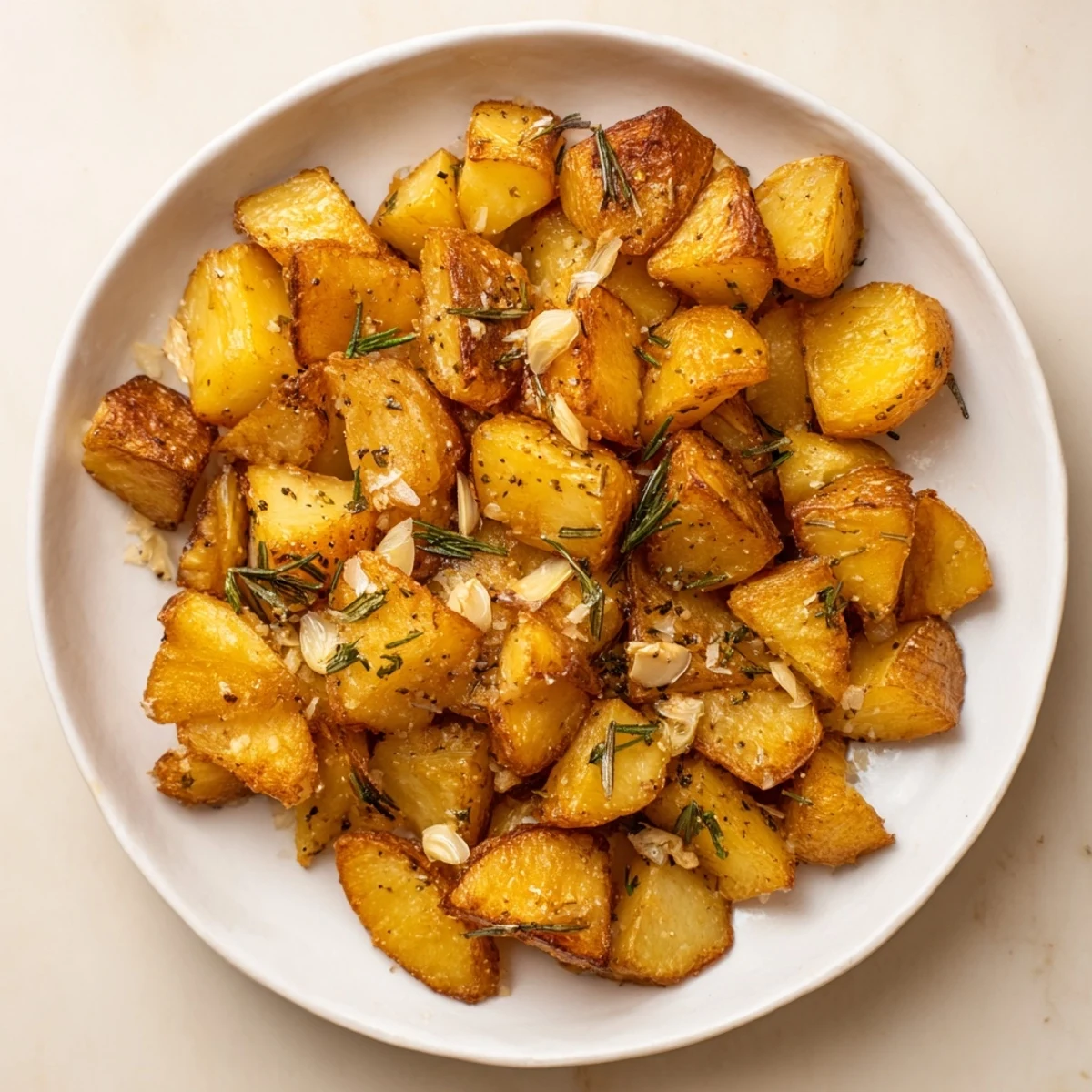
Save This dish features perfectly roasted golden potatoes coated in melted duck fat, which imparts a rich, savory depth. Aromatic fresh rosemary, thyme, and fragrant garlic combine to elevate the crispy, caramelized exterior while keeping the potatoes tender inside. Parboiling ensures the ideal texture before roasting, resulting in a golden, crispy finish. A subtle seasoning of salt and freshly ground pepper balances the flavors, making it an indulgent, yet easy-to-prepare side suitable for various mains, especially poultry or grilled meats.
I pulled a jar of duck fat from the back of my fridge one Sunday, left over from a roast I'd made weeks before, and decided to try it with potatoes. The kitchen filled with a scent so rich and savory I stood by the oven just breathing it in. When I finally pulled those golden chunks from the pan, crackling and herb-flecked, I knew I'd never go back to plain oil. That first bite was pure indulgence.
I made these for a small dinner party once, and my friend Andre, who grew up in Lyon, paused mid-conversation to ask what I'd used. When I told him duck fat, he grinned and said it reminded him of his grandmother's kitchen. That moment made me realize how a single ingredient can carry so much memory and warmth. We finished the entire pan before the main course even hit the table.
Ingredients
- Yukon Gold or Russet potatoes: Yukon Golds give you buttery flavor and hold their shape beautifully, while Russets get even crispier on the outside. Either works, just cut them evenly so they roast at the same rate.
- Duck fat: This is the star. It has a higher smoke point than butter and a savory richness that coats every crevice of the potatoes. If you've never used it, buy a small jar and keep it in the fridge, it lasts for months.
- Garlic, smashed: Smashing releases the oils without burning the cloves. They turn sweet and jammy in the oven, and you can eat them right alongside the potatoes.
- Fresh rosemary and thyme: Dried herbs work in a pinch, but fresh ones perfume the pan as they roast. I strip the thyme leaves with my fingers, it takes seconds and makes all the difference.
- Kosher salt and black pepper: Season generously. Potatoes need salt to come alive, and freshly cracked pepper adds a gentle heat that balances the richness.
Instructions
- Preheat and prep:
- Set your oven to 425°F (220°C) so it's blazing hot when the potatoes go in. A hot oven is the secret to crispy edges.
- Parboil the potatoes:
- Boil them in salted water for about 8 minutes, just until a fork slides in with a little resistance. Drain them well and let them sit in the colander for a couple of minutes so the steam escapes and the surfaces dry out slightly.
- Melt the duck fat:
- While the potatoes steam, put the duck fat in your roasting pan and slide it into the oven for about 3 minutes. You want it melted and shimmering, almost sizzling.
- Coat the potatoes:
- Carefully tip the potatoes into the hot fat and toss them gently with a spatula. Every piece should glisten.
- Add aromatics:
- Scatter the garlic, rosemary, thyme, salt, and pepper over the top, then toss again. The herbs will stick to the fat and cling to the potatoes as they roast.
- Roast until golden:
- Let them cook for 40 to 45 minutes, turning them once halfway through so every side gets crispy. You'll know they're ready when they're deep golden brown and the edges look almost lacy.
- Serve hot:
- Transfer to a warm platter and bring them to the table immediately. They're best eaten right away, while the outsides are still crackling.
 Save
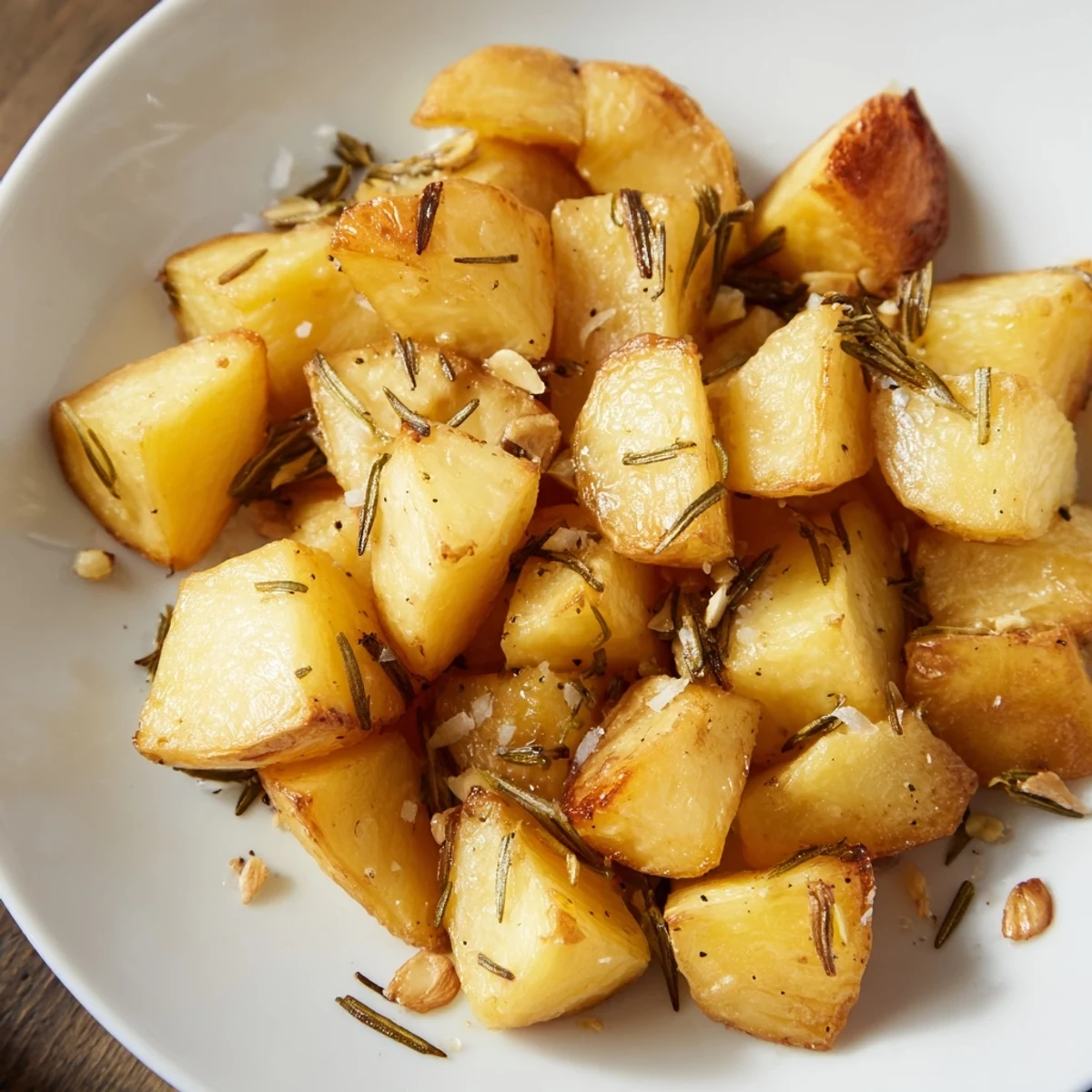
Save The first time I served these alongside a simple roast chicken, my partner looked up and said they tasted like something from a bistro in Paris. I'd never been, but I took it as the highest compliment. These potatoes have a way of making an ordinary meal feel like an occasion.
How to Choose Your Potatoes
Yukon Golds are my go-to because they're creamy inside and hold their shape without falling apart. Russets work too, especially if you love extra-crispy edges, but they can be a bit more fragile after parboiling. Either way, cut them into similar-sized chunks so they cook evenly and you don't end up with some burnt and others undercooked.
Why Duck Fat Makes the Difference
Duck fat has a subtle, almost nutty flavor that's richer than butter but not greasy like some oils. It crisps up potatoes in a way that feels luxurious without being heavy. I keep a jar in my fridge year-round now, and I've used it for everything from sautéing greens to frying eggs. Once you try it, you'll find excuses to use it.
Serving Suggestions and Variations
These potatoes are incredible next to roast duck, obviously, but they're just as good with grilled steak, pan-seared chicken thighs, or even a simple green salad for contrast. I've added a pinch of smoked paprika before for a hint of smokiness, and once I squeezed fresh lemon over them right before serving, which cut through the richness beautifully. They're versatile enough to adapt to whatever you're in the mood for.
- Try tossing in a handful of crispy pancetta or bacon bits in the last 10 minutes of roasting for extra savory depth.
- A sprinkle of flaky sea salt right before serving adds a delicate crunch and a pop of clean saltiness.
- Leftovers, if you have any, reheat beautifully in a hot skillet the next morning and make an incredible base for fried eggs.
 Save
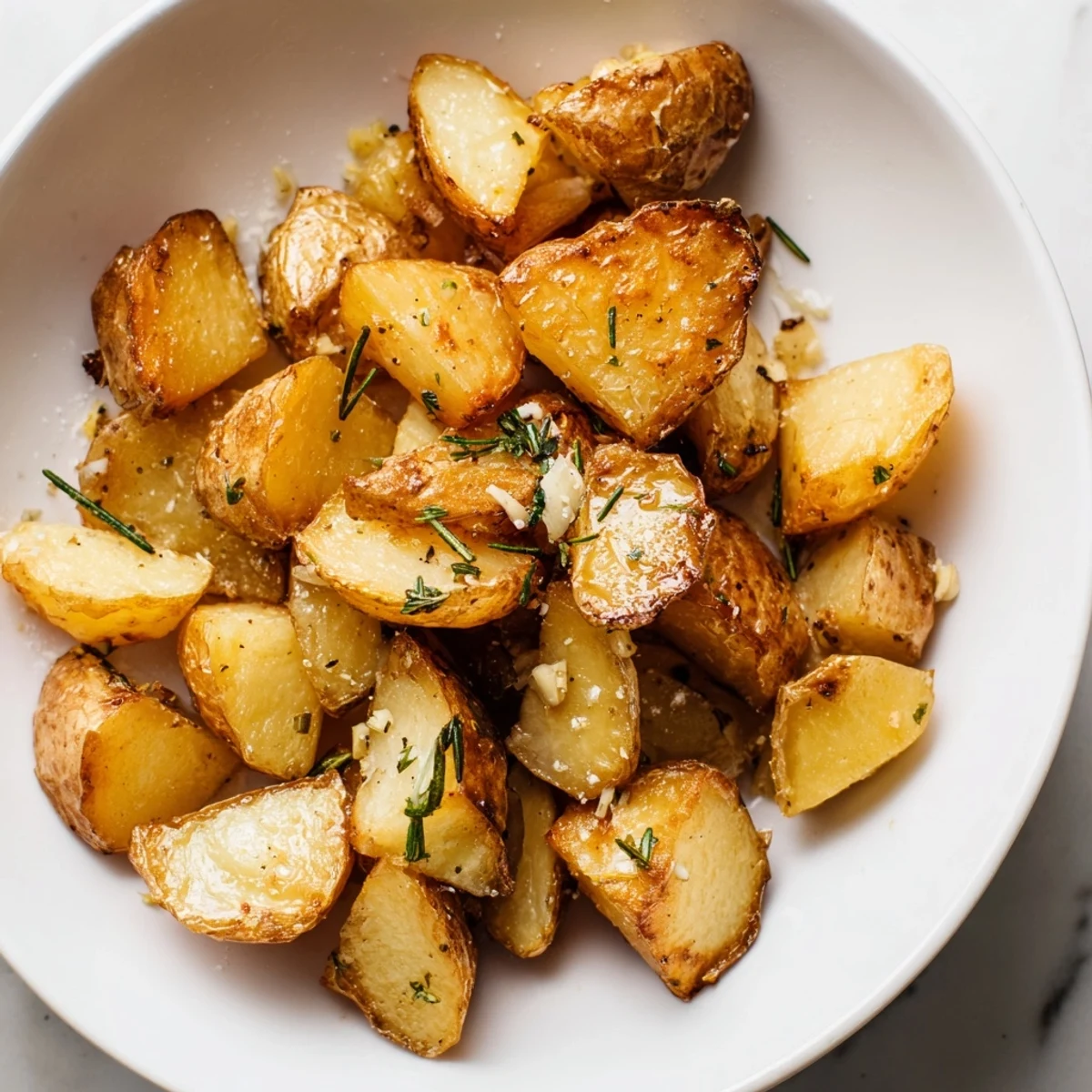
Save Every time I make these, the kitchen smells like a French countryside dinner, and I'm reminded that some of the best dishes are the simplest. I hope these potatoes bring you as much joy as they've brought me.
Recipe FAQs
- → Why are the potatoes parboiled before roasting?
-
Parboiling softens the potatoes just enough to ensure a tender interior while allowing the exterior to crisp nicely during roasting.
- → What does duck fat add to the potatoes?
-
Duck fat enhances the potatoes with rich, savory flavor and promotes an exceptionally crisp and golden crust.
- → Can I substitute duck fat with another fat?
-
Yes, though duck fat offers a unique richness; alternatives include goose fat or olive oil, but flavor and texture will vary.
- → How do herbs like rosemary and thyme influence the dish?
-
Fresh rosemary and thyme add aromatic layers, lending earthiness and depth that complement the savory potatoes.
- → What temperatures and times are ideal for roasting these potatoes?
-
Roasting at 425°F (220°C) for 40–45 minutes ensures a golden, crispy exterior while keeping the potatoes fluffy inside.
- → Any tips to make potatoes extra crispy?
-
After parboiling, gently roughen the surface by shaking the potatoes in the colander; this increases surface texture for better crisping.