
 Save
Save This garlic and onion sauté is a quick and flavorful base that enhances many meals. Olive oil gently cooks diced onions until translucent, then is joined by minced garlic, creating a fragrant, golden aroma. Seasoned lightly with sea salt and black pepper, this simple preparation can be used immediately to add depth to pastas, stir-fries, or soups. It’s vegan, gluten-free, and takes just over ten minutes to prepare, making it a versatile staple in the kitchen.
I still remember the first time I truly understood the magic of a simple garlic and onion sauté. I was in my tiny apartment kitchen on a Tuesday evening, with just a handful of ingredients and no real plan. The moment those golden onions hit the hot oil, filling my small space with their sweet aroma, I realized I'd discovered something foundational, something that would become the invisible backbone of countless meals to come. That humble base taught me more about cooking than any fancy technique ever could.
I'll never forget cooking this for my friend Marcus, who'd just moved to the city and claimed he couldn't cook. I put him in front of the stove with these four simple ingredients and watched his face light up as the kitchen filled with that toasted, caramelized perfume. Ten minutes later, he understood that cooking wasn't about complexity, it was about patience and presence. Now whenever he comes over, he starts by asking if I need him to handle the onions and garlic.
Ingredients
- Olive oil (2 tablespoons): This is your foundation, so use a quality oil you actually enjoy tasting. I learned the hard way that cheap oil can make even the simplest dish taste flat. It needs enough body to carry the onion and garlic through their transformation.
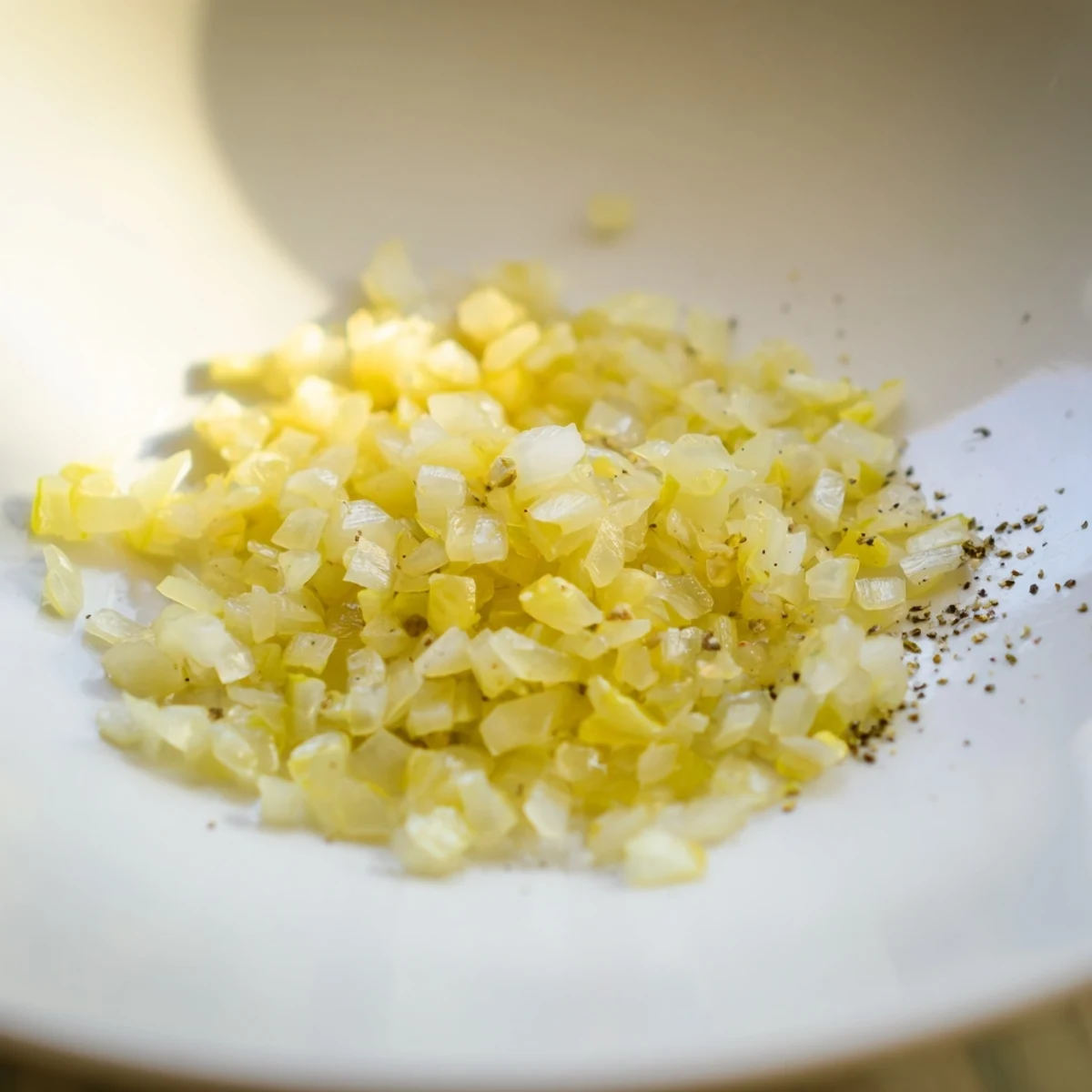
- Large yellow onion, finely diced: Yellow onions are the sweet talkers of the onion world, developing a gentle caramel note as they cook. The key is cutting them small enough to cook evenly but not so tiny that they dissolve into jam. I aim for pieces about the size of a pea.
- Garlic cloves (4), minced: Fresh garlic is non-negotiable here. You want to mince it fine so it distributes throughout the oil and onions, but not so fine that it becomes a paste and burns. I learned to add it late in the game because raw garlic can turn bitter if given too much heat.
- Sea salt (1/2 teaspoon): Salt does more than make things taste salty, it draws out the natural moisture in the onions and helps them break down into something silky. It's the unsung hero of this whole operation.
- Freshly ground black pepper (1/4 teaspoon): Always grind it fresh. Pre-ground pepper has been sitting in a tin since who knows when, and you deserve the peppery brightness that comes from cracking it yourself.
Instructions
- Get your pan ready:
- Place your large skillet over medium heat and let it warm for a minute. You want it hot enough that the oil shimmers and moves easily across the surface, but not so hot that it smokes. I test it by holding my hand a few inches above and counting to three, it should feel warm but not burning.
- Invite the onions:
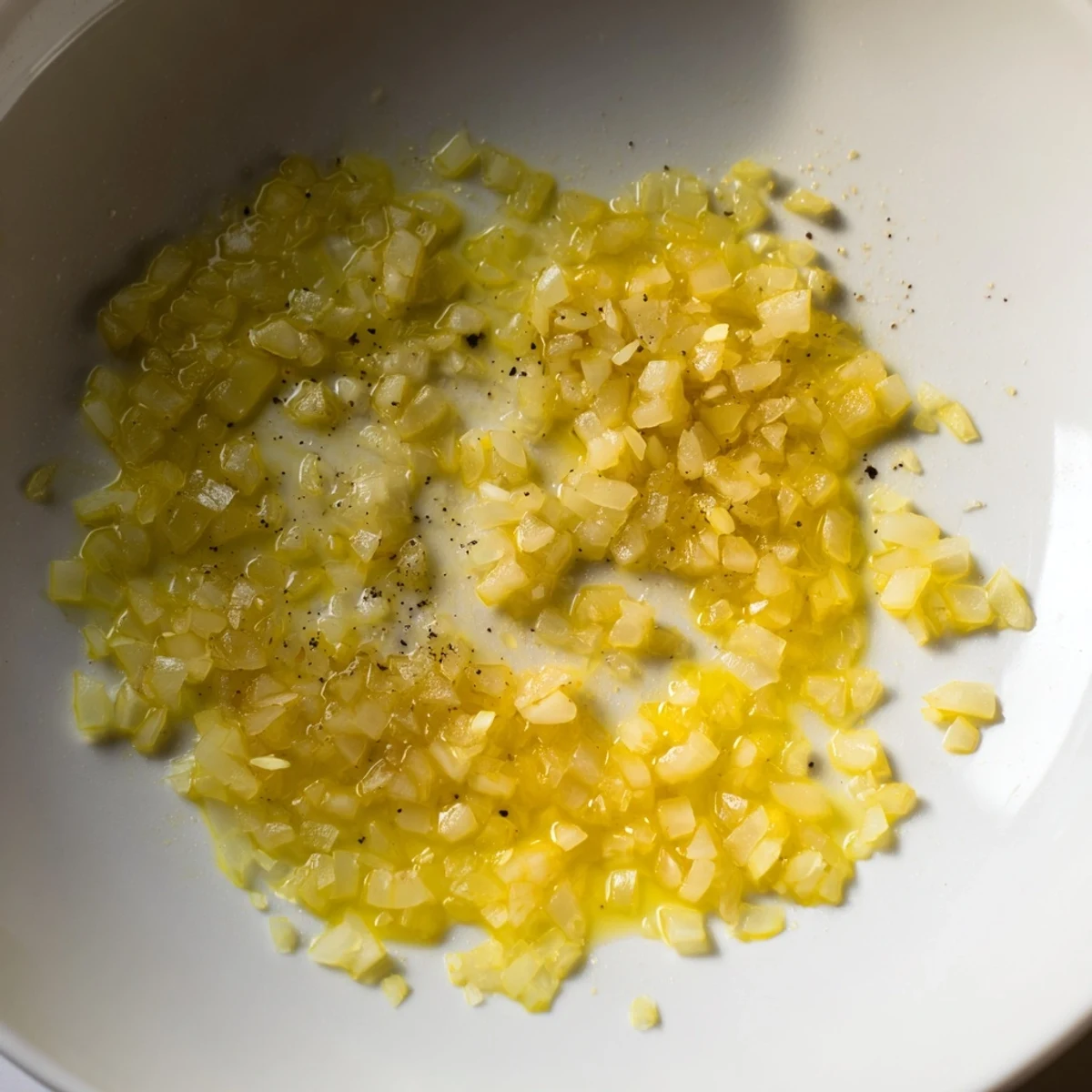
- Pour in your olive oil and let it coat the bottom of the pan. Listen for that gentle sizzle as you add your diced onions. Stir them around to get every piece coated in oil, then let them settle. Don't rush this part. You want to stir occasionally every thirty seconds or so, letting them develop color and sweetness rather than steam in their own moisture.
- Watch for the transformation:
- After about five to six minutes, your onions should have surrendered to the heat. They'll go from crisp and sharp to soft and almost translucent, with the edges just beginning to hint at golden brown. This is when you know they're ready for their partner.
- Bring in the garlic:
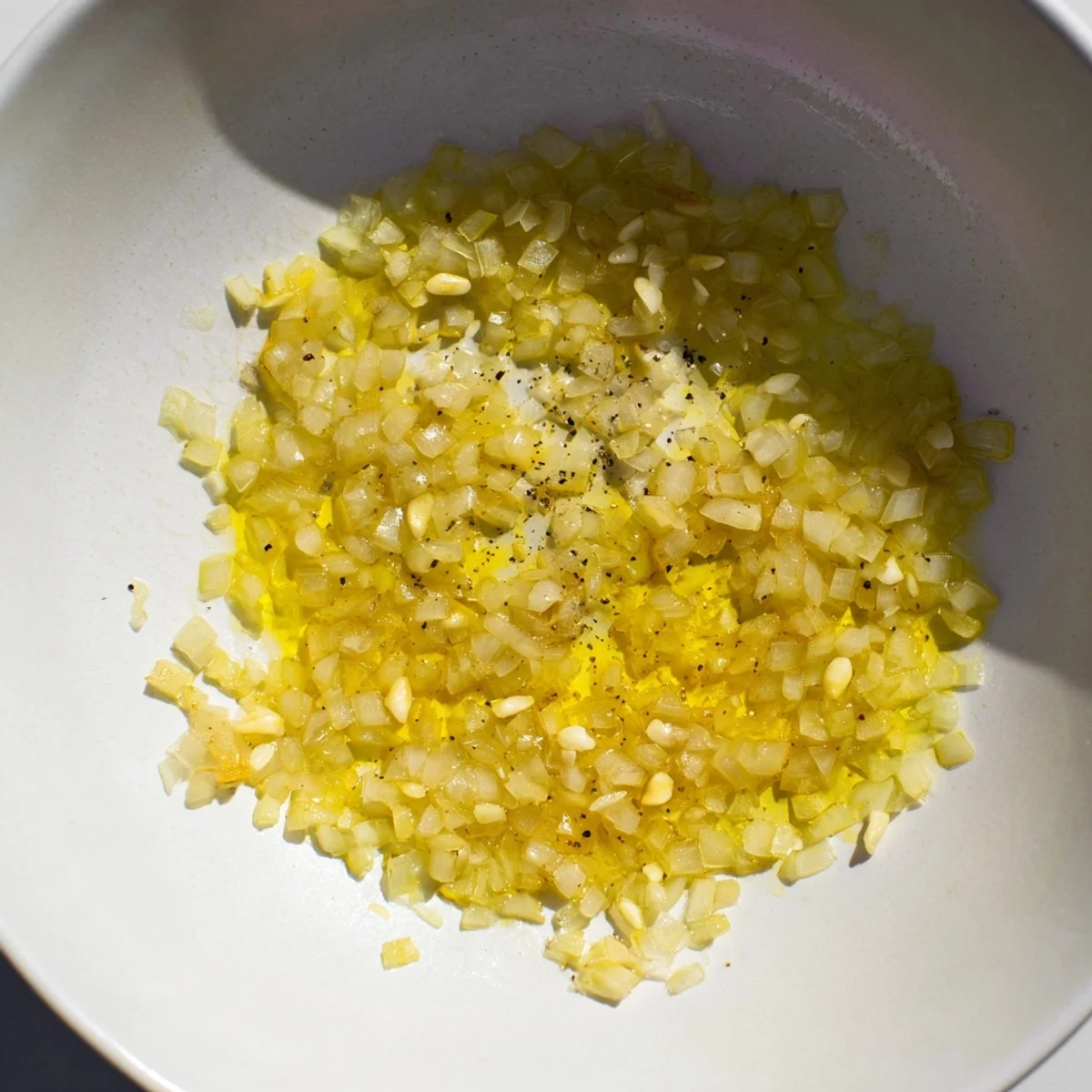
- Now add your minced garlic and stir it constantly for about two minutes. You'll see the raw white garlic pieces soften and begin to turn a pale golden color. This is the perfect moment, when the garlic is fragrant and infused the oil but hasn't burnt or turned bitter. Trust your nose on this one.
- Season and finish:
- Scatter your salt and pepper over everything and give it one final stir, making sure every piece gets seasoned. Take a breath in, smell that aroma you've created, and remove the pan from heat. You've just built the foundation for something beautiful.
 Save
Save There was an evening when my mother came to stay with me, and I was anxious about impressing her with my cooking. I made her watch me prepare this simple sauté, walking her through each step, and by the time we'd finished, she reached over and squeezed my hand. She told me she finally understood what I loved about cooking, that it wasn't about fancy recipes or expensive ingredients, it was about this kind of intention and care. We stood there in my kitchen, breathing in that sweet aroma, and I realized I'd just shared something that mattered.
Why This Base Changes Everything
Once you've mastered this sauté, you'll understand why professional cooks start almost every savory dish the same way. It's not just about flavor, though that gorgeous caramelized sweetness is certainly part of it. It's about building layers of taste, about creating a flavor foundation so solid that everything you add on top lands exactly where it should. Pasta becomes restaurant-quality. Soups develop depth. Stir-fries sing. This five minute technique is the difference between cooking and eating, and actually crafting something worth remembering.
Variations That Keep It Interesting
While the basic recipe is perfect in its simplicity, I've learned to play with it in different ways depending on what comes next. Sometimes I add a pinch of dried thyme when I'm heading toward a rustic, herbal direction. Other times a whisper of chili flakes if the dish needs some personality and heat. On richer occasions, I've swapped the olive oil for butter, which creates a deeper, more luxurious flavor that's absolutely stunning with pasta or over grilled vegetables. I learned early on not to add these extras at the beginning, but rather to let the oil and onion do their fundamental work first, then layer in complexity. The base is the foundation, and you only decorate once the foundation is solid.
How to Use Your Sauté
This is where the real magic begins. You've created a flavor bomb that wants to be deployed. I keep a mental list of everything it works with, which is basically everything. Toss it with hot pasta and good cheese. Stir it into rice as it finishes cooking. Layer it onto soups just before serving. Use it as the base for a pan sauce by adding cream or stock. Top your grilled vegetables or proteins with a spoonful. I've even spread it on toast with a bit of goat cheese for a simple appetizer that somehow tastes more sophisticated than it has any right to.
- Make double or triple and freeze it in ice cube trays for weeknight cooking shortcuts that still taste like you've been at the stove for hours
- Keep a little in a jar in your fridge for up to five days, it actually develops deeper flavor as it sits and mingles
- Remember that this humble base is doing the real heavy lifting in some of your favorite dishes, it's worth your respect and attention
 Save
Save This simple sauté taught me that the greatest meals aren't built on complexity, they're built on fundamentals done right. Every time you make it, you're learning something about heat, timing, and intention.