 Save
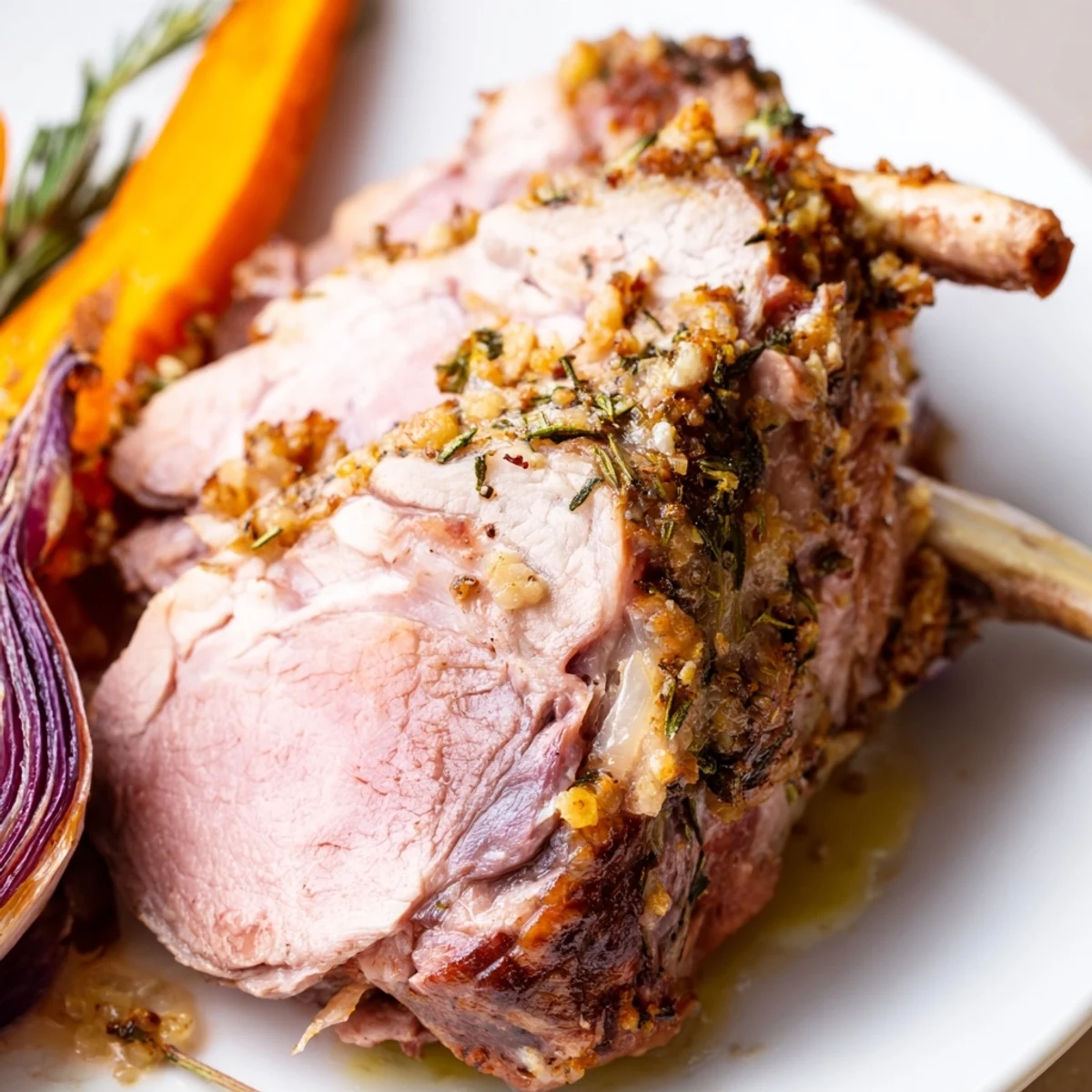
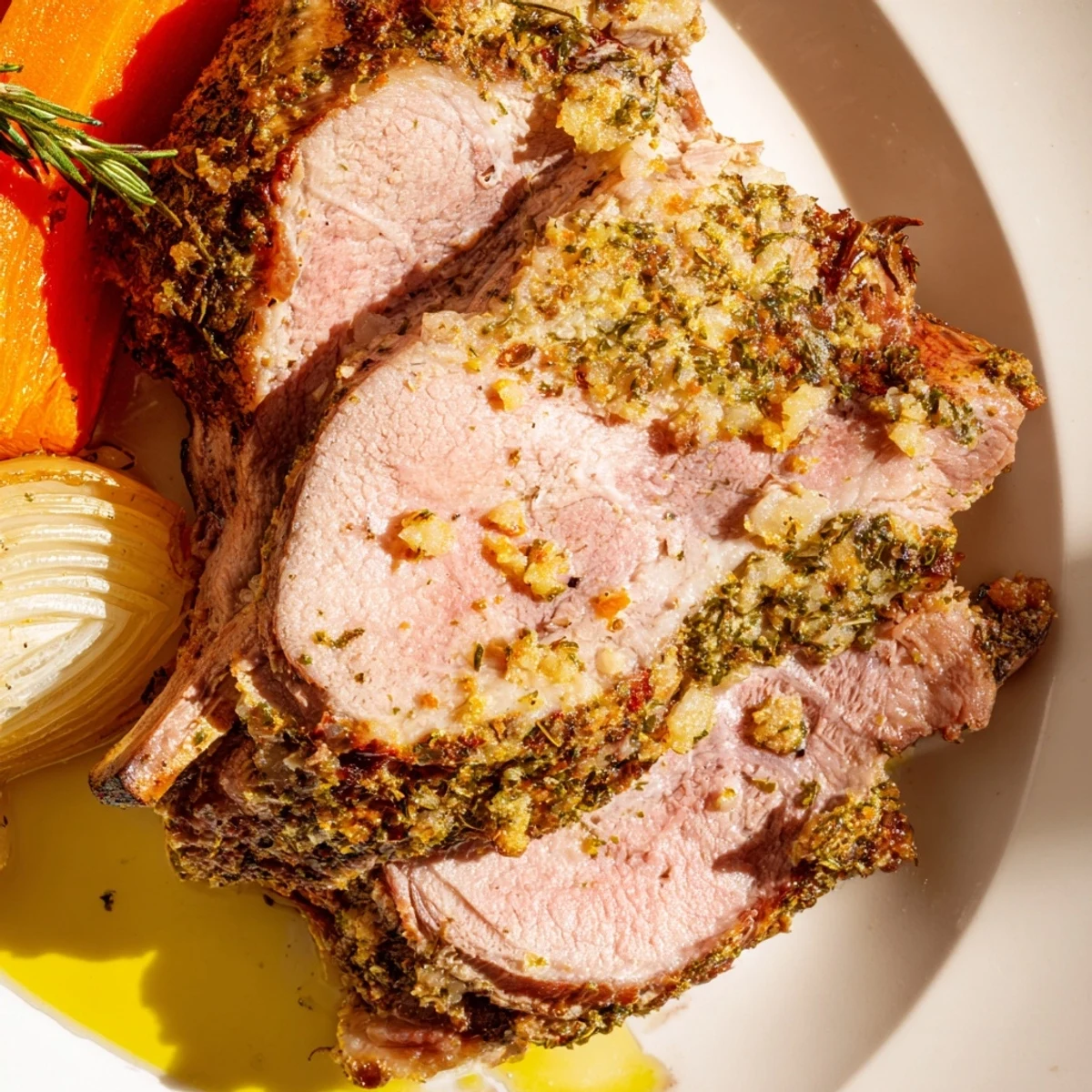
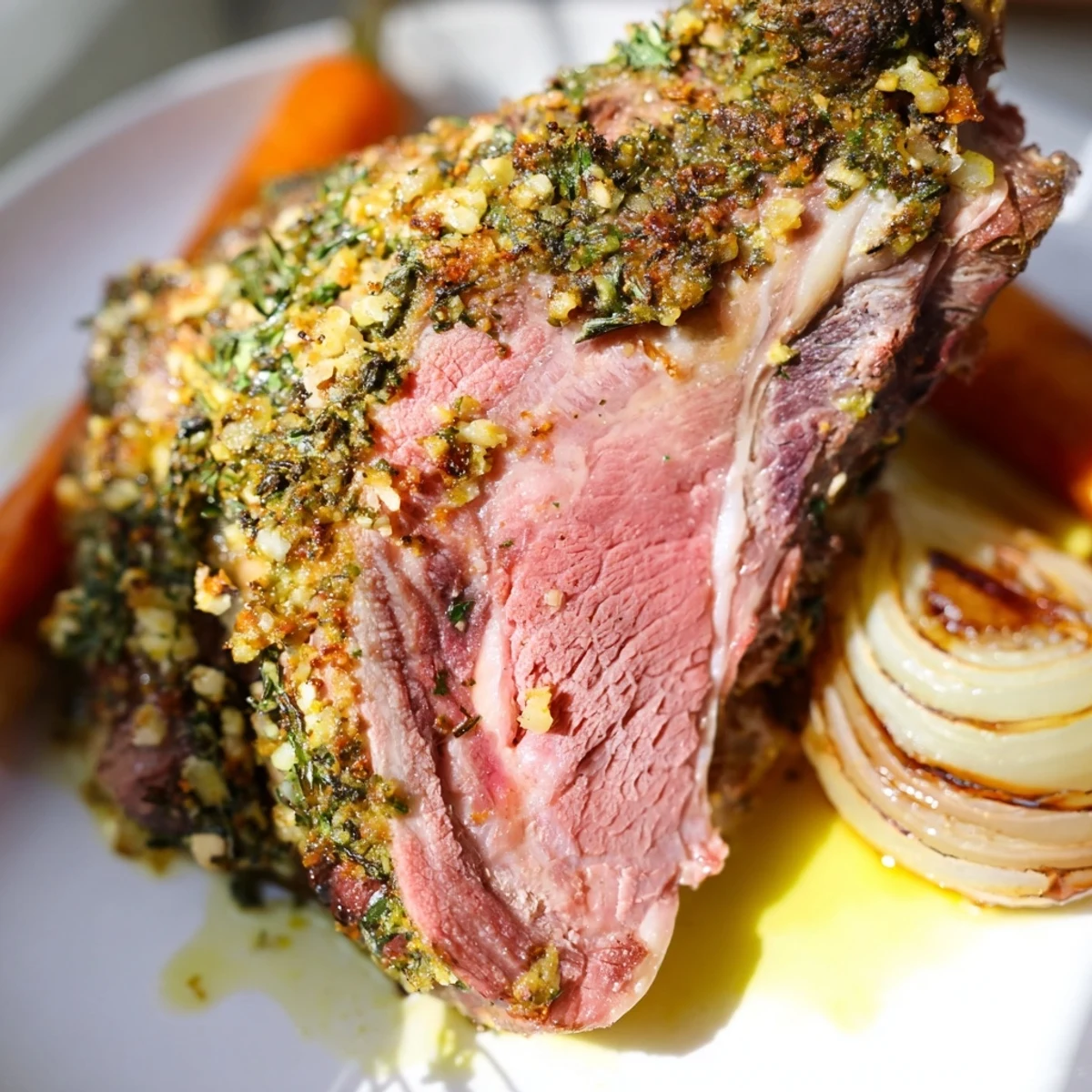
Save This succulent lamb shoulder is slow-roasted with a fragrant blend of garlic, rosemary, thyme, parsley, and oregano, creating a tender and flavorful main dish. The lamb is scored and rubbed thoroughly with an herb paste before roasting atop a bed of onions, carrots, and celery, which absorb the rich pan juices. A final high-heat roast crisps the exterior while preserving moistness inside. After resting, the meat becomes perfect for carving and pairs beautifully with roasted vegetables or your favorite sides, making it ideal for family gatherings or special occasions.
There's something almost sacred about a whole lamb shoulder coming out of the oven, golden and glistening, the kitchen filled with the kind of aroma that stops conversations mid-sentence. I first made this when a friend challenged me to cook something that would actually impress her picky family, and watching them go silent after the first bite taught me that good food isn't about complexity—it's about respecting the ingredients and giving them time. That's exactly what this recipe does: a generous coat of fresh herbs and garlic, a long, gentle roast, and patience.
I'll never forget my dad's reaction when I served this for Easter—he's the type who usually nods politely at whatever's on his plate, but he actually asked for seconds and wanted to know how I made it. That moment made me realize this recipe wasn't just delicious; it was memorable in a way that mattered, the kind of dish people talk about for years afterward.
Ingredients
- Bone-in lamb shoulder (2.5–3 kg / 5–6.5 lb): The bone adds incredible depth and keeps the meat juicy as it cooks; ask your butcher to score the fat cap lightly so the herbs can really penetrate.
- Fresh garlic (6 cloves, minced): This is your flavor foundation—don't skip it or substitute with powder, the fresh cloves turn sweet and mellow as they roast.
- Fresh rosemary (3 tbsp, finely chopped): The woody, piney notes are essential to Mediterranean lamb; if you only have dried, use a third of the amount.
- Fresh thyme leaves (2 tbsp): This adds an herbaceous sweetness that balances the richness of the lamb.
- Fresh parsley (2 tbsp, finely chopped): It brightens everything and adds freshness without overpowering the other herbs.
- Fresh oregano (1 tbsp, or 1 tsp dried): A quiet but important presence that ties the Mediterranean flavors together.
- Lemon zest and juice: The acidity cuts through the fat and lifts all the flavors; don't use bottled juice, it tastes flat by comparison.
- Kosher salt (2 tsp) and freshly ground black pepper (1 tsp): These aren't just seasonings—they're the glue that makes every flavor taste like itself.
- Olive oil (1/4 cup / 60 ml): This carries the garlic and herbs into the meat and creates that beautiful golden crust.
- Onions, carrots, and celery (2 large onions, 3 carrots, 3 celery stalks): These aromatics create a natural roasting bed and add body to your pan juices.
- Chicken or beef broth (1 cup / 240 ml): It keeps the lamb moist from below and gives you something special to spoon over everything at the end.
Instructions
- Get your oven ready:
- Preheat to 160°C (325°F) so the lamb will cook low and slow, which is the whole secret to tenderness.
- Make the herb paste:
- Combine the garlic, rosemary, thyme, parsley, oregano, lemon zest, juice, salt, pepper, and olive oil in a small bowl and stir until it looks like a thick, fragrant paste—this is your magic coating.
- Prepare the lamb:
- Pat the shoulder completely dry with paper towels (this helps it brown better), then use a sharp knife to score the fat in a criss-cross pattern about half an inch deep. This helps the herbs penetrate and creates a beautiful presentation.
- Coat generously:
- Rub that herb paste all over the lamb, pressing it into every cut and corner you've made—don't be shy, this is where your flavor comes from.
- Build your roasting pan:
- Arrange the sliced onions, carrot chunks, and celery pieces in a large roasting pan to create a bed. Place the herb-coated lamb right on top of the vegetables.
- Add broth carefully:
- Pour the broth around the lamb (not over it, which would wash away your herb coating) so it settles among the vegetables below.
- First roast—low and slow:
- Cover the pan tightly with foil and roast for 2.5 hours at 160°C (325°F). The foil traps steam and keeps everything from drying out.
- Finish with color:
- Remove the foil, increase the oven temperature to 200°C (400°F), and roast uncovered for another 30 minutes, basting occasionally with the pan juices. This is when the lamb turns golden and gorgeous.
- Rest before carving:
- Transfer the lamb to a platter, loosely cover it with foil, and let it rest for 15 minutes—this allows the juices to redistribute so every bite stays tender.
- Serve with love:
- Carve the lamb, serve it with the roasted vegetables and pan juices spooned over everything.
 Save
Save One afternoon my niece asked why lamb smelled so different from chicken, and I realized that watching someone taste something genuinely unfamiliar for the first time is actually a gift. She became obsessed with this dish, and now whenever she visits, it's the one thing she requests—which tells me everything about whether a recipe is worth keeping around.
Making It Your Own
The beauty of this recipe is that it's sturdy enough to handle your preferences. If rosemary isn't your thing, use more thyme. If you can't find fresh herbs, dried work (just use about a third of the amount for dried), though the flavor won't be quite as bright. Some people add a splash of red wine to the broth, which gives the pan juices an earthy richness that pairs beautifully with the lamb.
What to Serve Alongside
The roasted vegetables that cook beneath the lamb are honestly good enough on their own, but I usually add something fresh on the side—a simple green salad with lemon vinaigrette, some roasted potatoes tossed with more fresh herbs, or even steamed green beans with garlic. The herb paste leaves behind such rich pan juices that you don't need a separate sauce; just spoon them over everything and call it dinner.
Planning Ahead
This is genuinely a recipe that rewards patience and planning. You can make the herb paste the night before and keep it covered in the fridge, then rub it on the lamb in the morning and let it sit for a few hours before roasting—this extra time lets the flavors really settle into the meat. Leftovers are almost better than the first serving; the meat is perfect shredded into sandwiches, tossed into salads, or simply warmed gently with a little broth.
- For an overnight marinade, coat the lamb with the herb paste, cover it loosely with plastic wrap, and refrigerate for up to 24 hours before roasting.
- Leftovers keep in an airtight container for up to four days and reheat beautifully in a low oven wrapped in foil.
- If you're short on time, you can roast this at 180°C (350°F) for about 2 hours, though it won't be quite as tender.
 Save
Save This is the kind of dish that makes you feel capable in the kitchen, even if you've never roasted a lamb before. It's honest food that tastes like you've spent hours thinking about it, when really you just let time and good ingredients do what they do best.
Recipe FAQs
- → How do I prepare the herb paste for the lamb shoulder?
-
Combine minced garlic, chopped rosemary, thyme, parsley, oregano, lemon zest, lemon juice, salt, pepper, and olive oil to form a smooth paste. Rub it thoroughly over the scored lamb shoulder.
- → What vegetables are ideal for roasting with the lamb?
-
Thickly sliced onions, peeled carrots cut into chunks, and celery stalks are placed beneath the lamb to add flavor and absorb the meat’s juices.
- → How long should the lamb be roasted for optimal tenderness?
-
Roast the lamb covered at 160°C (325°F) for 2.5 hours, then uncover and increase to 200°C (400°F) for an additional 30 minutes to develop a golden crust.
- → Can the lamb be marinated ahead of time?
-
Yes, marinating the lamb overnight in the herb paste enhances depth of flavor and tenderness.
- → What liquid should be added during roasting to keep the lamb moist?
-
Chicken or beef broth is poured around the lamb (not over) to keep the meat moist and create flavorful pan juices.
- → What are suggested side dishes to serve with the roasted lamb?
-
Roasted potatoes, green beans, or a fresh salad complement the lamb perfectly and balance the rich flavors.