
 Save
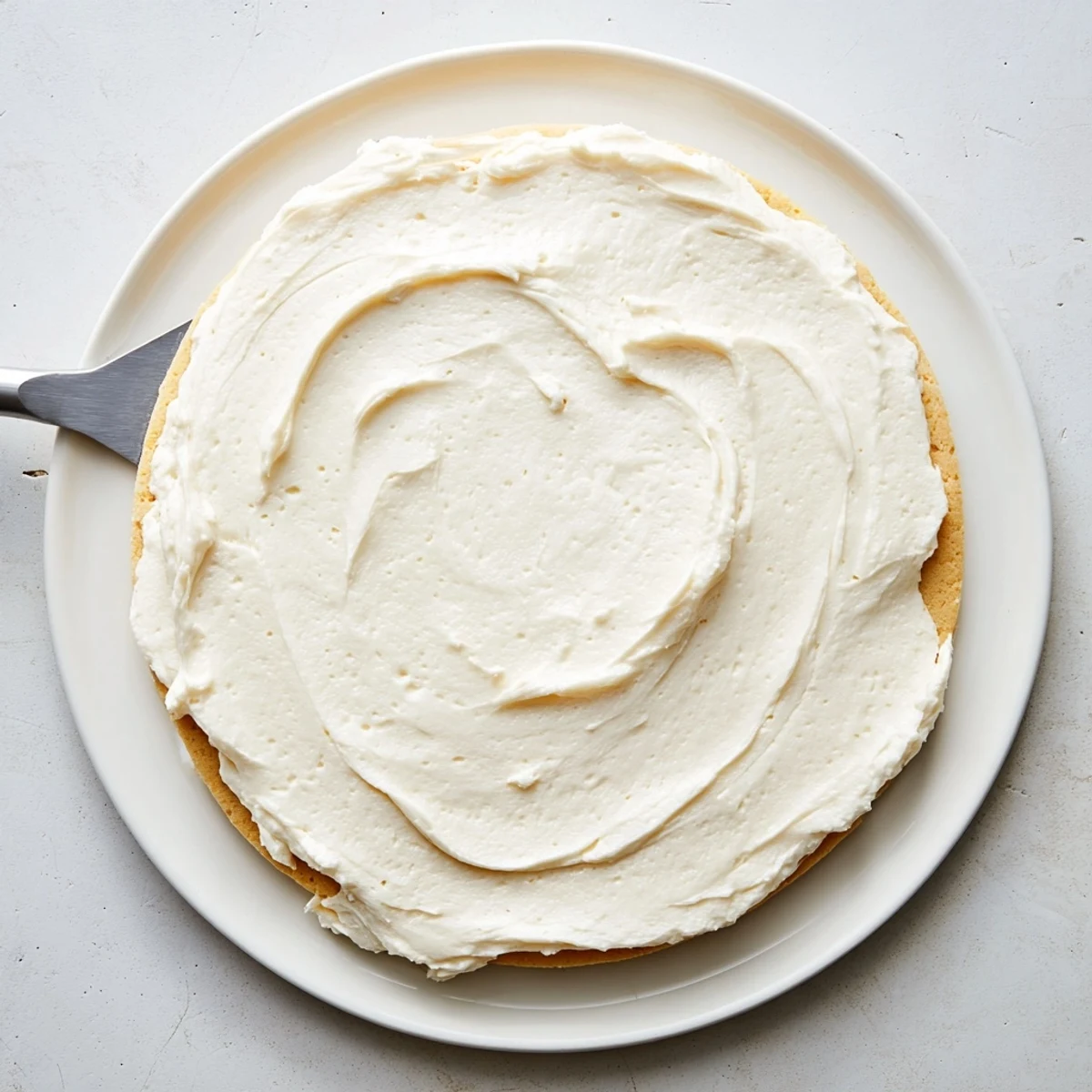
Save This silky vanilla buttercream whips up in just 10 minutes using pantry staples. The frosting spreads effortlessly over cooled sugar cookies, creating a smooth canvas for decorations. As it sets at room temperature, it develops a delicate crust that holds intricate designs while remaining creamy underneath. Adjust the consistency easily with milk or powdered sugar to achieve your perfect spreading or piping texture.
The first time I made frosting for sugar cookies, I was twenty-two and had just moved into my first apartment. I stirred powdered sugar into butter by hand until my arm actually ached, convinced homemade frosting required some sort of physical sacrifice to taste good. When my roommate walked in and saw me massaging my shoulder, she pointed to the hand mixer I'd somehow forgotten I owned. That was the day I learned that good things don't always have to be hard.
Last December my niece decided she wanted to host a cookie decorating party for her kindergarten class. We made twelve batches of this frosting in different colors, turning my kitchen into something resembling an art studio explosion. Watching five-year-olds carefully pipe snowmen and trees with shaky hands made me realize that the best frosting isn't about perfection. It's about giving someone something beautiful to work with.
Ingredients
- Unsalted butter: Softened to room temperature is non-negotiable here. Cold butter creates tiny lumps that no amount of mixing can fix, and melted butter makes frosting that slides right off your cookies.
- Powdered sugar: Sifting feels like an unnecessary step until you bite into a grainy cookie. Take the extra two minutes. Your tastebuds will thank you later.
- Whole milk: Start with two tablespoons and add more only if you need it. Different brands of powdered sugar absorb liquid differently, so trust your eyes more than the exact measurement.
- Pure vanilla extract: The real stuff makes a difference here. Imitation vanilla can leave a weird aftertaste that's especially noticeable in something as simple as buttercream.
- Salt: Just a pinch cuts through the sweetness and makes all the flavors pop like they should.
Instructions
- Whip the butter:
- Beat that softened butter on medium speed for a full minute until it's pale and practically begging for sugar. Scrape down the sides of your bowl—those pockets of unbeaten butter will surprise you later if you don't.
- Add the sugar gradually:
- Don't dump it all in at once unless you want to wear a powdered sugar beard. Low speed is your friend here until the sugar is incorporated, then you can crank it up.
- Make it fluffy:
- Pour in the milk, vanilla, and salt, then beat on medium-high for 2 to 3 minutes. Watch it transform from something that looks like wet sand into clouds in a bowl.
- Adjust your consistency:
- If you're piping detailed decorations, you might want it a little thicker. For spreading with a knife, thinner is easier. Add milk or sugar one teaspoon at a time—you can always add more, but you can't take it back.
- Frost and set:
- Work with completely cooled cookies or watch your beautiful frosting melt into sad little puddles. Let the frosted cookies sit at room temperature for an hour or two to develop that perfect crust.
 Save
Save My grandmother never measured anything when she made frosting, and hers was always perfect. She'd talk about 'feeling' when the consistency was right, dipping a spoon in and watching how it fell back into the bowl. Sometimes I catch myself doing the same thing now, years later, standing in my kitchen and trusting my hands more than the recipe card.
Getting The Right Consistency
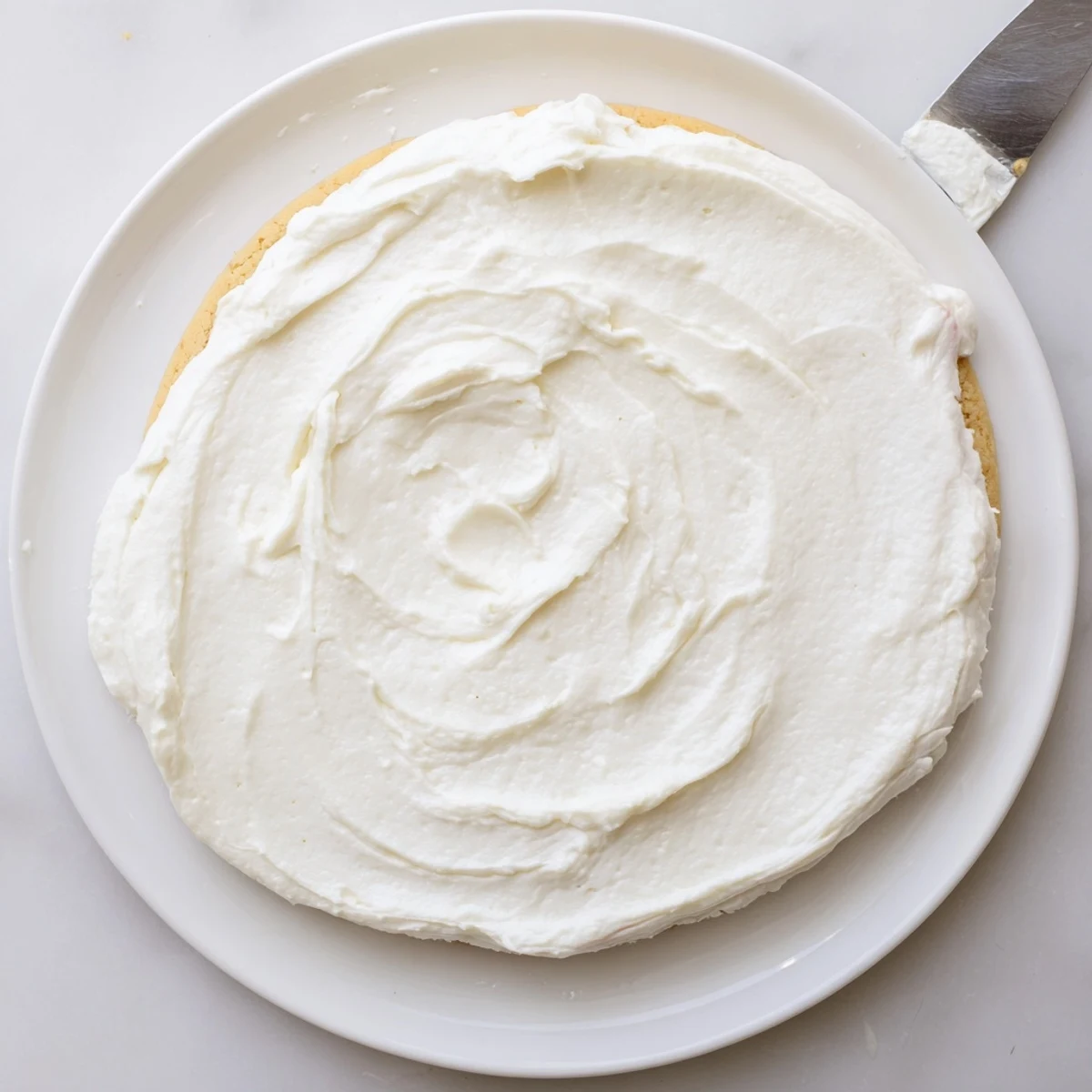
Thick frosting holds its shape for piping roses and borders. Thin frosting spreads like a dream for covering large areas quickly. Most of the time, you want something right in the middle—thick enough to pipe but soft enough to spread without tearing your cookies.
Color Without Compromise
Gel coloring is concentrated, so start with literally one drop on a toothpick. You can always add more, but turning pastel pink into neon green because you got heavy-handed is a lesson nobody needs to learn twice.
Make It Your Own
Swap the vanilla for almond extract, lemon juice, or even a little espresso powder dissolved in the milk. A tablespoon of cream cheese makes everything tangier and more stable for warmer days. A pinch of cinnamon transforms it into something entirely new.
- Freeze undecorated frosted cookies between layers of wax paper for up to three months.
- Mini chocolate chips folded into the frosting turn regular sugar cookies into something kids will fight over.
- A tiny sprinkle of sea salt on top makes the most basic decorated cookie taste gourmet.
 Save
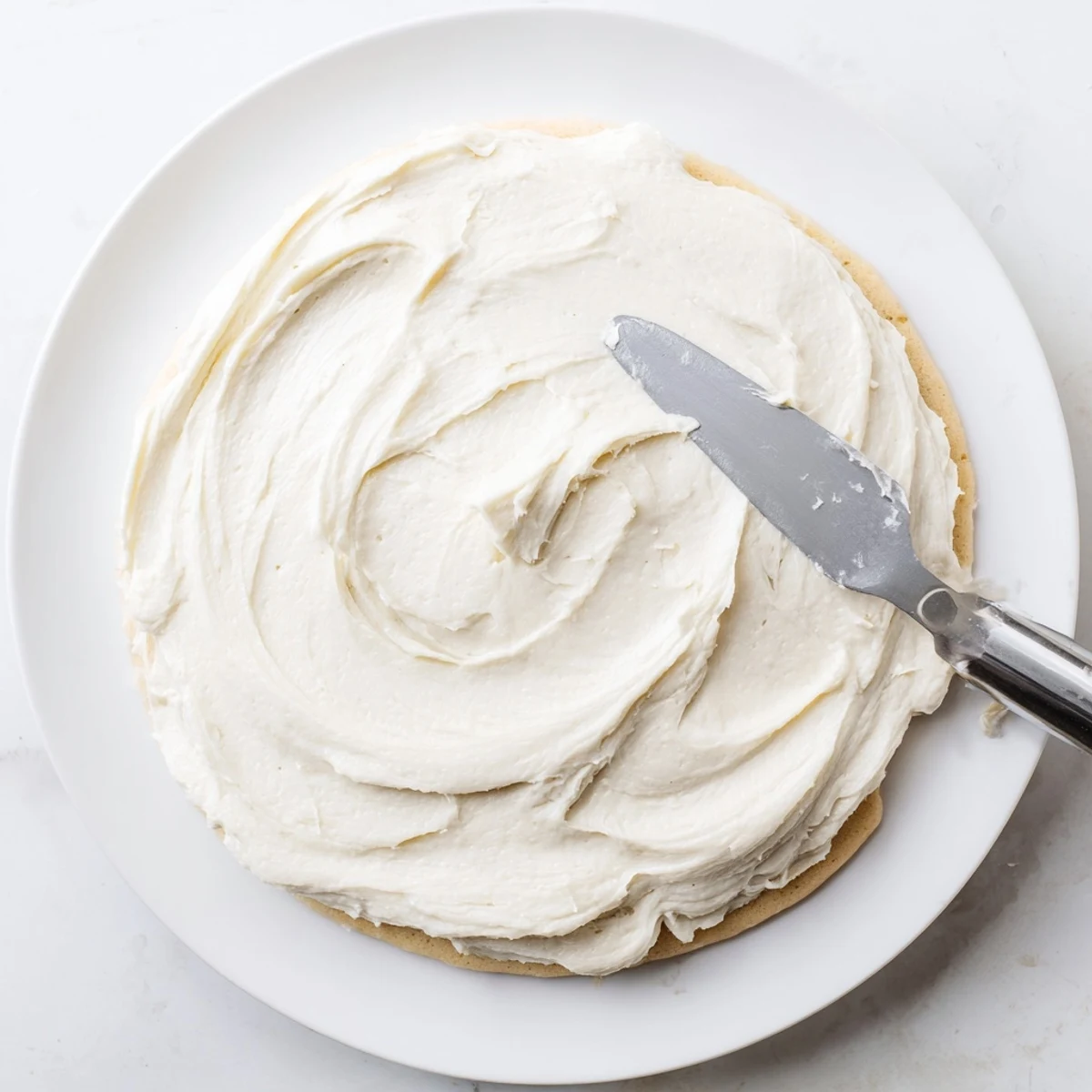
Save There's something deeply satisfying about a bowl of perfectly smooth buttercream, like holding a little bit of edible happiness in your hands. May your cookies be sweet and your kitchen always be warm.
Recipe FAQs
- → How long does the frosting take to set?
-
Allow frosted cookies to sit at room temperature for 1-2 hours. The surface will develop a slight crust while staying creamy underneath, making them ideal for stacking or storing.
- → Can I make this frosting ahead of time?
-
Yes! Store unused frosting in an airtight container in the refrigerator for up to one week. Bring to room temperature and re-whip with your mixer before using for the best texture.
- → How do I color the frosting?
-
Add gel food coloring drop by drop after step 3, mixing thoroughly between additions. Gel coloring works best as it won't thin the consistency like liquid food coloring can.
- → Why is my frosting too thick or thin?
-
If too thick, add milk one teaspoon at a time until reaching desired consistency. If too thin, gradually incorporate more sifted powdered sugar until it holds its shape when piped.
- → Can I use this on other desserts?
-
Absolutely! This versatile buttercream works wonderfully on cupcakes, cakes, and brownies. The creamy vanilla flavor complements almost any baked treat.
- → Should I use salted or unsalted butter?
-
Unsalted butter gives you complete control over the saltiness. The small pinch of salt enhances the vanilla flavor without making the frosting taste salty.