
 Save
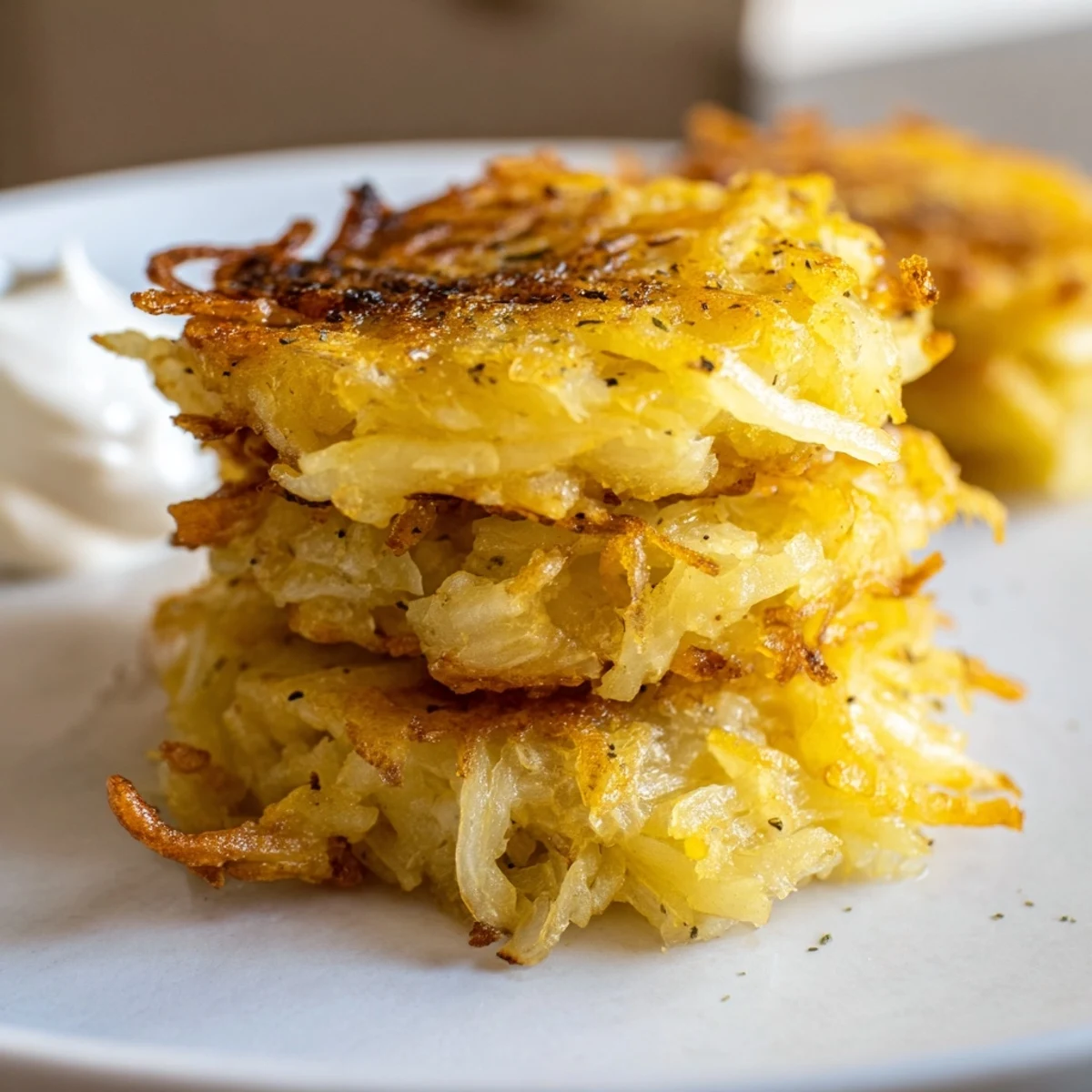
Save This dish features grated russet potatoes and onions combined with eggs and flour, seasoned with salt and pepper. The mixture is formed into rounds and fried in vegetable oil until golden and crisp. The result is a delightful golden brown pancake offering a tender interior and crispy exterior. Serve warm with a dollop of sour cream or applesauce to complement the savory flavors. Quick and easy to prepare, it's a versatile addition to any meal.
My grandmother used to make latkes on winter mornings, and the smell of potatoes frying in hot oil would drift through her entire apartment—it was better than any alarm clock. I spent years watching her work, noticing how she'd squeeze the shredded potatoes until her hands ached, muttering something about moisture being the enemy of crispness. Years later, when I finally made them myself, that same ritual clicked into place, and suddenly I understood why she was so particular about every step.
I made these for friends during a surprise dinner party once, and watching someone bite into their first homemade latke—that moment when their eyes widened at the contrast of textures—reminded me why I love cooking for people. It's not fancy, but it feels like home on a plate, and somehow that matters more than anything else.
Ingredients
- Russet potatoes: They're starchy and absorb less water than waxy varieties, which is the secret to getting them truly crispy and golden.
- Yellow onion: Just one small one adds a sweet, subtle depth that keeps the latkes from tasting one-dimensional.
- Large eggs: These act as a gentle binder without making the mixture dense or rubbery.
- All-purpose flour: A quarter cup is just enough to help everything hold together without creating a doughy texture.
- Salt and black pepper: Standard seasoning that you'll taste in every bite, so don't skimp or oversalt.
- Vegetable oil: You'll need more than you think for proper frying—don't be shy, crispy latkes demand hot oil.
Instructions
- Shred everything down to threads:
- Use a box grater or food processor to reduce your potatoes and onion into fine, consistent shreds. The pieces should be thin enough that they'll bind together naturally once mixed with the eggs.
- Squeeze out the water like you mean it:
- Wrap the shredded mixture in a clean kitchen towel and wring it with both hands until you feel the resistance—you're removing the starch and moisture that would otherwise steam rather than fry. This is the step that separates crispy latkes from soggy ones.
- Mix the batter until it just comes together:
- Combine the squeezed potato mixture with eggs, flour, salt, and pepper in a large bowl, stirring just until everything is evenly coated. The mixture should feel slightly sticky but hold its shape when pressed.
- Get your oil hot and ready:
- Heat vegetable oil in a large skillet over medium-high heat for a few minutes until it shimmers and a small piece of potato sizzles immediately. This temperature matters—if the oil isn't hot enough, the latkes will absorb it instead of crisping up.
- Fry in batches, watching them color:
- Drop heaping tablespoons of the mixture into the hot oil and gently press them down with a spatula to create thin pancakes about a quarter-inch thick. Fry for 3 to 4 minutes on the first side until the edges turn deep golden, then flip carefully and cook the other side until it matches.
- Drain and keep warm:
- Transfer each finished latke to a paper towel-lined plate, then move them to a warm oven if you're making multiple batches. This prevents them from cooling and losing their crispness while you finish the rest.
 Save
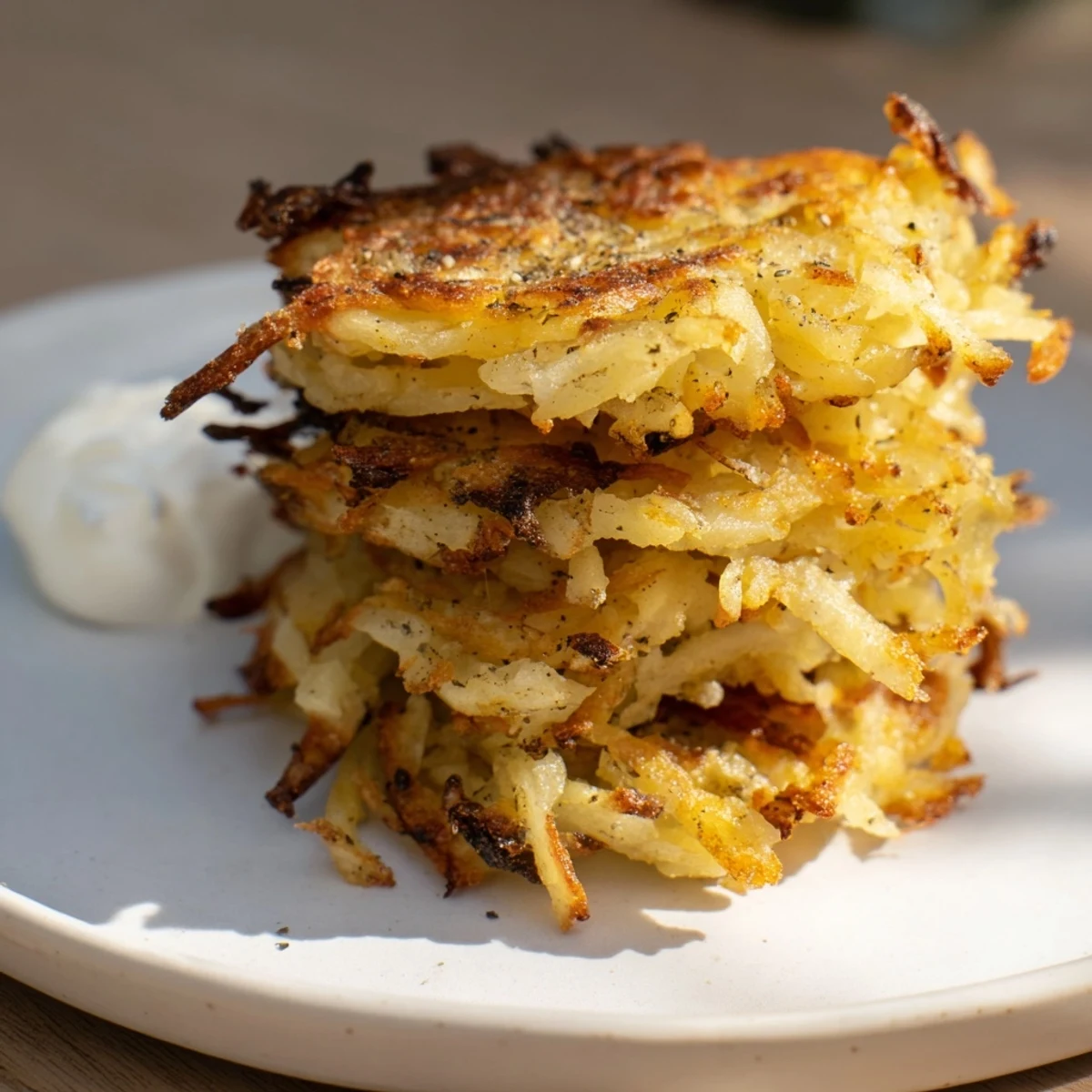
Save There's something magical about serving warm latkes with a dollop of sour cream to people you love, watching them disappear faster than you can make them. That's when you know you've done something right in the kitchen.
The Perfect Crisp
The key to achieving that perfect golden-brown exterior without burning the inside lies in temperature control and patience. Medium-high heat is your sweet spot—it's hot enough to create that immediate sizzle and crust, but not so intense that the outside chars before the inside cooks through. If your latkes are browning too quickly, lower the heat slightly for the next batch.
Serving Suggestions
Latkes are incredibly versatile, and part of their charm is how they adapt to whatever you pair them with. Sour cream is the classic choice, offering a cool, tangy contrast to the warm, crispy pancakes, but applesauce brings a subtle sweetness that some people prefer. I've also seen them served with everything from smoked salmon to sautéed mushrooms, and honestly, they work because the neutral potato base lets those flavors shine.
Making Ahead and Storage
Latkes are best eaten fresh and warm, but that doesn't mean you can't do some prep work in advance. You can shred your potatoes and onion the night before and store them in a bowl of cold water in the refrigerator—just squeeze them dry again right before cooking. If you have leftovers, reheat them in a 375°F oven for a few minutes to restore their crispness rather than microwaving, which turns them into soggy disappointments.
- Prepare potatoes and onion up to 24 hours ahead by storing shredded vegetables in a water bath in the fridge.
- Reheat leftover latkes in a 375°F oven for 5 to 7 minutes to bring back their crunch.
- Freeze cooked latkes on a baking sheet, then transfer to a freezer bag for up to 3 months.
 Save
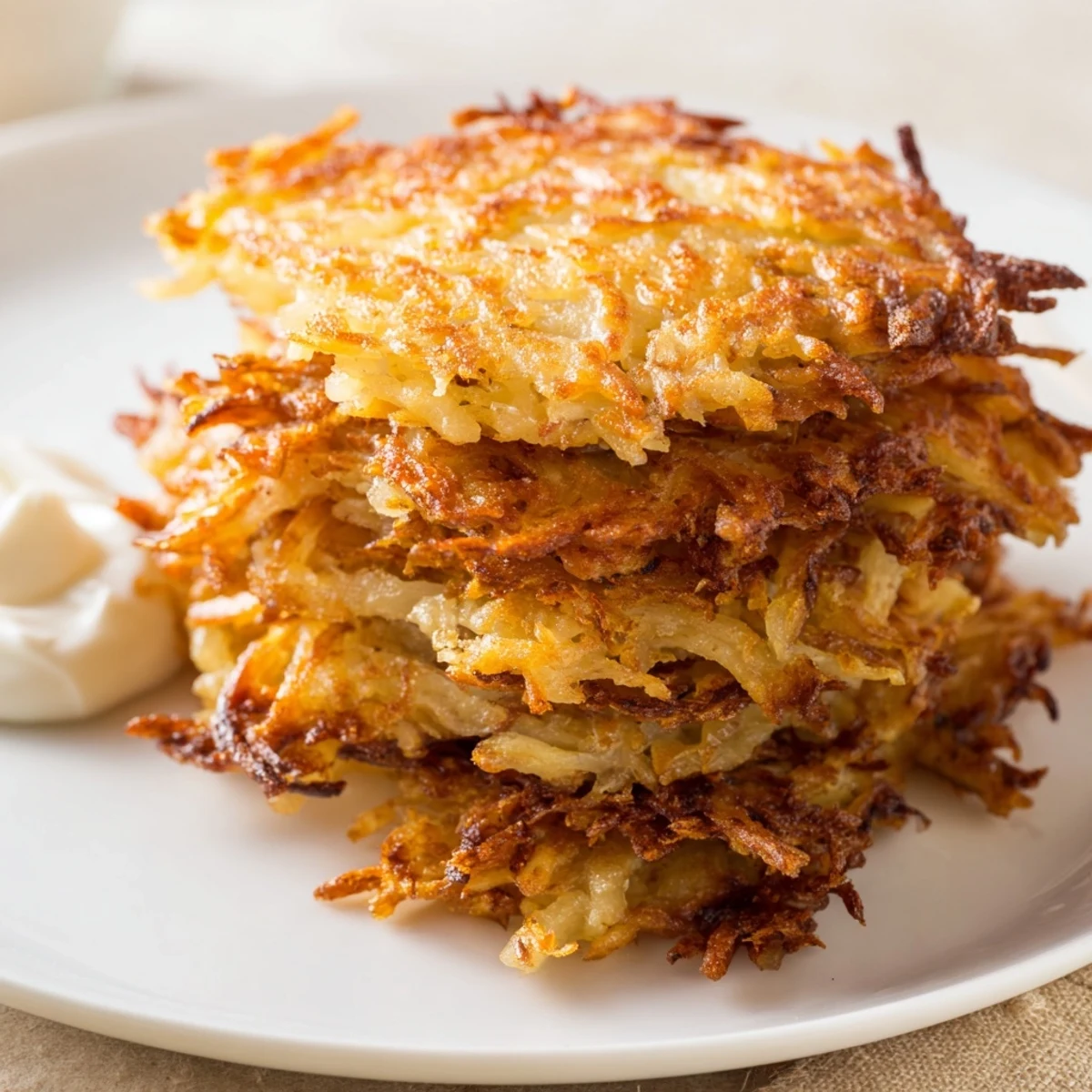
Save Latkes are proof that sometimes the simplest recipes hold the most meaning. Make them when you want to feel connected to something warm and real.
Recipe FAQs
- → What type of potatoes work best?
-
Russet potatoes are ideal due to their starchy texture, which helps achieve a crisp outside and tender center.
- → How do I ensure the pancakes are crispy?
-
Removing excess moisture from grated potatoes and frying in hot oil until golden brown helps maintain crispiness.
- → Can I prepare the mixture in advance?
-
Yes, the mixture can be made ahead but should be fried just before serving for best texture.
- → What are good accompaniments?
-
Serve with sour cream or applesauce to balance the savory flavors with creaminess or sweetness.
- → How should I store leftovers?
-
Keep leftovers in an airtight container and reheat in a skillet or oven to restore crispness.