
 Save
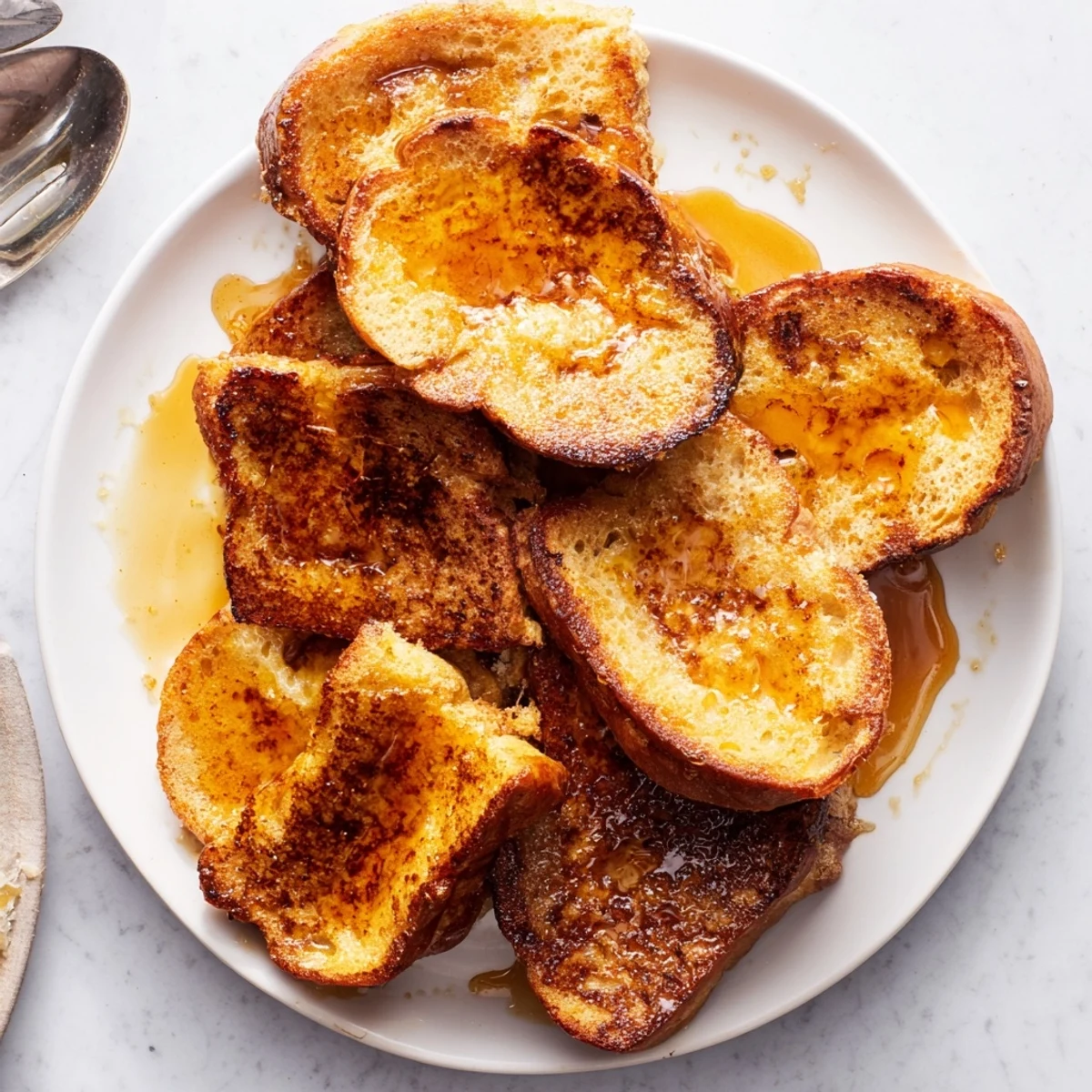
Save Elevate your morning routine with this indulgent twist on a breakfast classic. Thick slices of brioche or challah soak overnight in a vanilla-infused custard, then bake until golden and puffed. The magic happens in the final moments when a generous layer of sugar gets torched until it crackles like traditional crème brûlée, creating that irresistible shattering caramel crust.
Prep everything the night before, leaving just the baking and finishing touches for morning. The bottom layer of buttery brown sugar caramel creates its own sauce that gets spooned over each serving.
Last Christmas morning, my sister walked into the kitchen while I was assembling this dish the night before and declared I had lost my mind putting caramel in the bottom of a pan. She changed her tune completely when she tasted that first buttery, burnt-sugar-topped bite the next morning. Now she texts me every December asking if I'm making it again. The way that caramelized sugar cracks when you tap it with a spoon might just be the most satisfying sound in breakfast cooking.
I learned the hard way that using day old brioche makes all the difference after trying fresh bread once and ending up with something closer to bread pudding than french toast. Now I buy my loaf two days ahead and let it sit on the counter. The texture transforms from soft to sturdy, perfect for soaking up all that rich custard without falling apart. Its the kind of recipe that rewards thinking ahead.
Ingredients
- Brioche or challah bread: slightly stale bread holds up better to overnight soaking and creates that perfect custardy texture
- Large eggs: room temperature eggs whisk into a smoother custard that absorbs more evenly
- Whole milk and heavy cream: the combination gives you richness without being too heavy
- Granulated sugar: dissolves beautifully into the custard for even sweetness throughout
- Vanilla extract: pure vanilla extract makes a noticeable difference in the final flavor
- Salt: just a quarter teaspoon balances all the sweetness and brings out the vanilla
- Unsalted butter: creates the caramel layer at the bottom that becomes the sauce
- Light brown sugar: gives the caramel layer depth and a subtle molasses note
- Corn syrup: prevents the caramel from crystalizing as it bakes
Instructions
- Make the caramel base:
- Melt butter with brown sugar and corn syrup over medium heat until bubbling and smooth, then pour into your baking dish spreading it evenly across the bottom.
- Arrange your bread:
- Lay the brioche slices in a single layer over the hot caramel, slightly overlapping them if needed to fit everything in the pan.
- Whisk the custard:
- Combine eggs, milk, cream, sugar, vanilla and salt until completely smooth and no streaks of egg remain.
- Pour and press:
- Pour the custard evenly over all the bread, then gently press down on each slice to help it start absorbing the liquid.
- Overnight chill:
- Cover tightly with plastic wrap and refrigerate for at least 8 hours or up to 12 hours so the bread can fully soak up the custard.
- Preheat and rest:
- Heat your oven to 350 degrees F and let the dish sit at room temperature while the oven heats.
- Bake until golden:
- Bake uncovered for 30 to 35 minutes until puffed and golden with the custard completely set.
- The waiting game:
- Let it cool for exactly 5 minutes so the caramel thickens slightly but stays pourable.
- Brûlée time:
- Sprinkle the remaining granulated sugar evenly over the top, then torch until melted and deeply caramelized or broil for 1 to 2 minutes watching closely.
- Serve it up:
- Spoon some of that caramel sauce from the bottom over each portion and serve while the sugar crust is still warm and crackly.
 Save
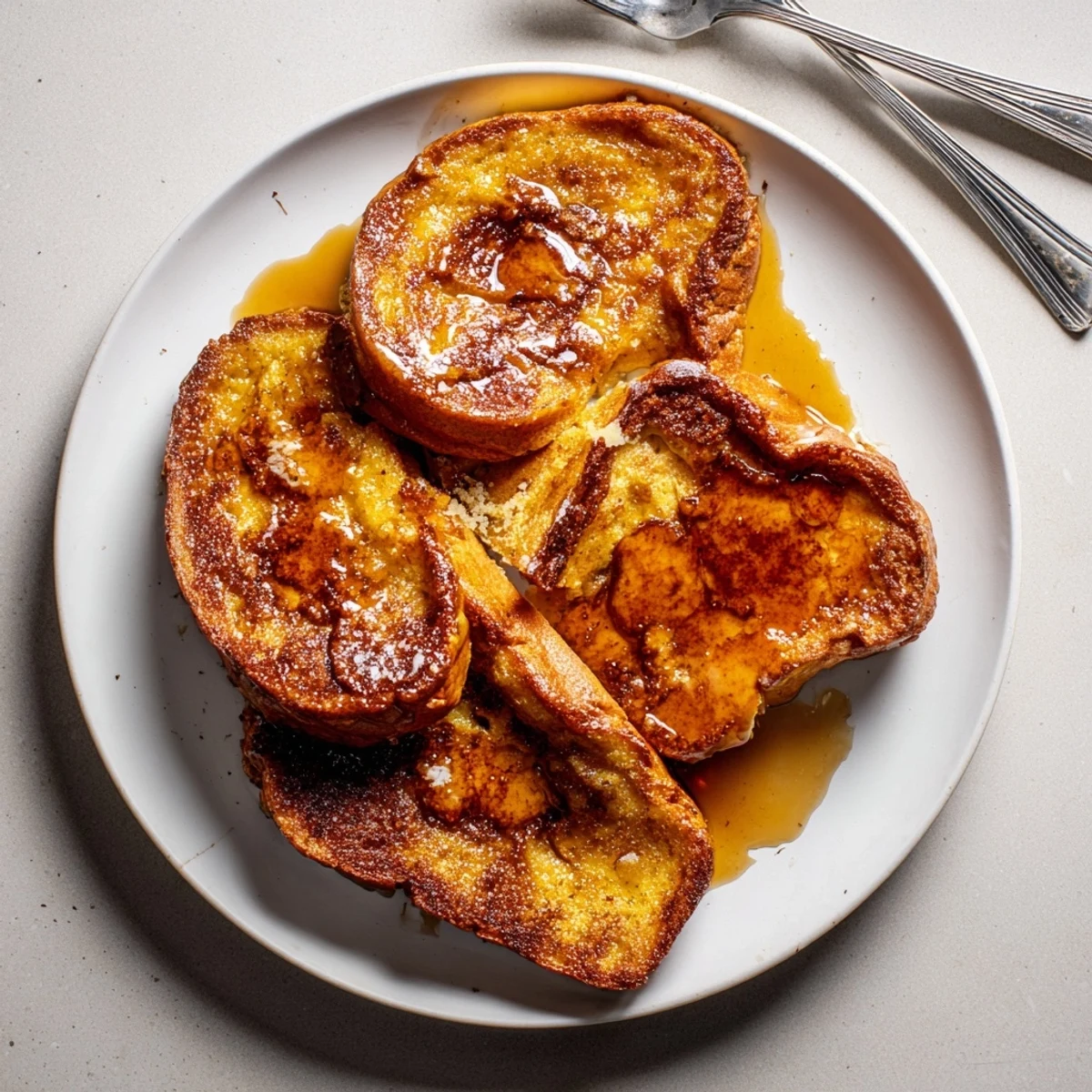
Save My dad started requesting this for his birthday instead of cake a few years ago. Watching my normally health conscious grandfather go back for thirds still makes me smile. Some recipes feed people but this one creates memories around the table.
Make Ahead Magic
Assemble everything the night before and bake fresh in the morning. The overnight rest is essential for that custard to fully penetrate the bread.
The Torch Versus Broiler
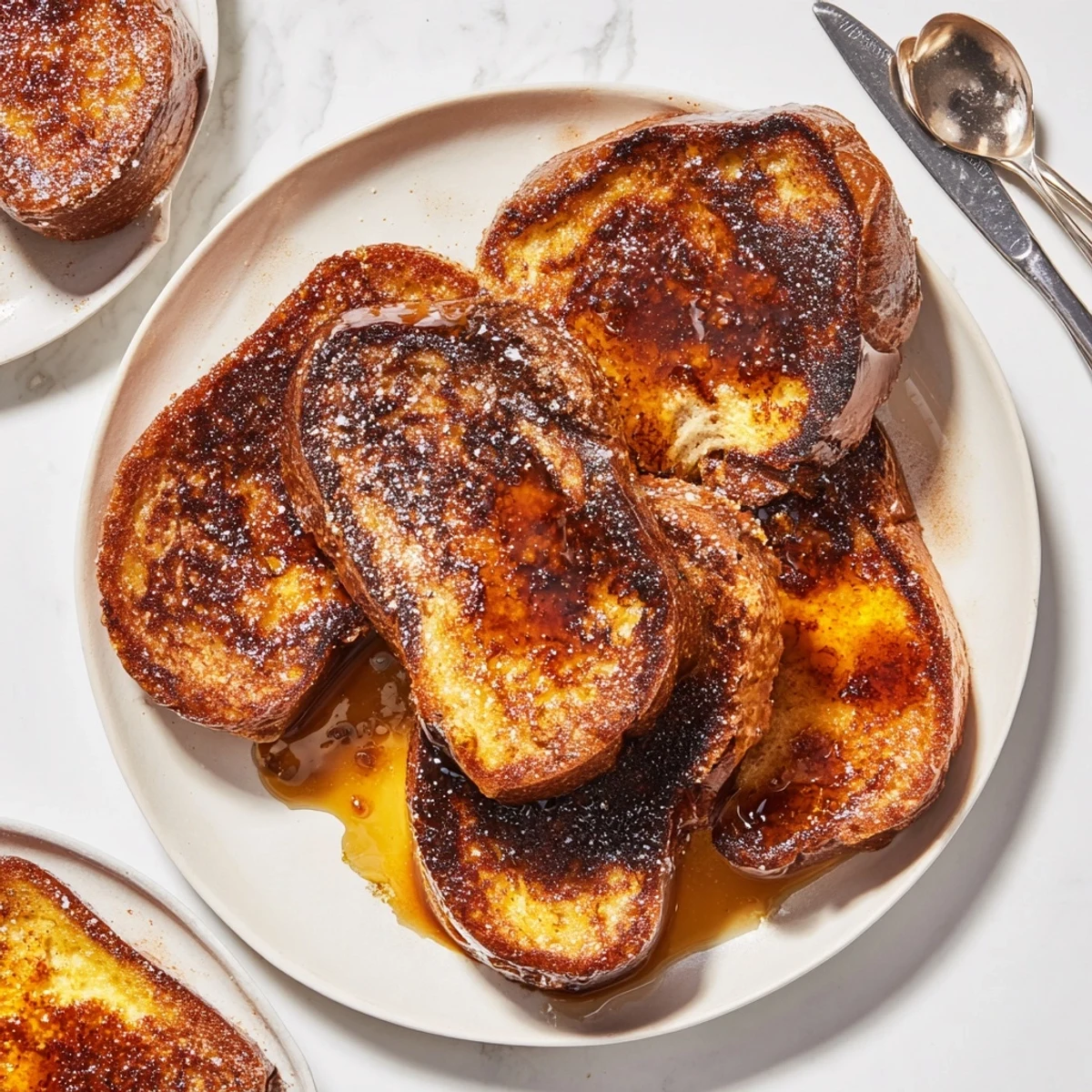
A kitchen torch gives you that crackly glass like sugar crust restaurants achieve. The broiler works but watch it like a hawk since sugar goes from perfect to burned in seconds.
Serving Suggestions
Fresh berries cut through the richness beautifully. A dollop of lightly sweetened whipped cream never hurt anyone either.
- warm maple syrup on the side for those who want extra sweetness
- confectioners sugar dusted right before serving for a snowy finish
- keep the torch at the table for second round caramelizing if the crust softens
 Save
Save There is something deeply satisfying about cracking through that caramelized sugar with your spoon. Worthy of special occasions and lazy Sundays alike.
Recipe FAQs
- → Can I use regular sandwich bread?
-
While any thick-cut bread works, brioche or challah creates the richest, most custard-like texture. Their tender structure absorbs the liquid beautifully without becoming mushy. French bread makes an acceptable substitute, though the final result will be slightly less decadent.
- → Do I need a kitchen torch for the topping?
-
A kitchen torch creates the most authentic crackling crust, but your oven's broiler works as an alternative. Watch closely—sugar goes from perfectly caramelized to burnt in seconds under direct heat. Broil for 1-2 minutes maximum.
- → How long should I refrigerate before baking?
-
Eight to twelve hours allows the bread to fully absorb the custard. Overnight preparation actually improves the texture—the interior becomes incredibly creamy while the exterior bakes up golden and firm.
- → Can I freeze this for later?
-
Assemble everything through step five, wrap tightly, and freeze for up to two weeks. Thaw overnight in the refrigerator, then bake as directed. The sugar crust is always best applied just before serving.
- → What should I serve with it?
-
Fresh berries balance the richness perfectly. A dollop of lightly sweetened whipped cream adds extra indulgence. For something lighter, try a side of arugula dressed with lemon vinaigrette.
- → Why does my caramel harden on the bottom?
-
The brown sugar butter mixture naturally firms when chilled—that's exactly what creates the sauce. As the dish bakes, it liquefies again. Let the finished pan sit for five minutes after baking so the sauce thickens slightly for easier serving.