
 Save
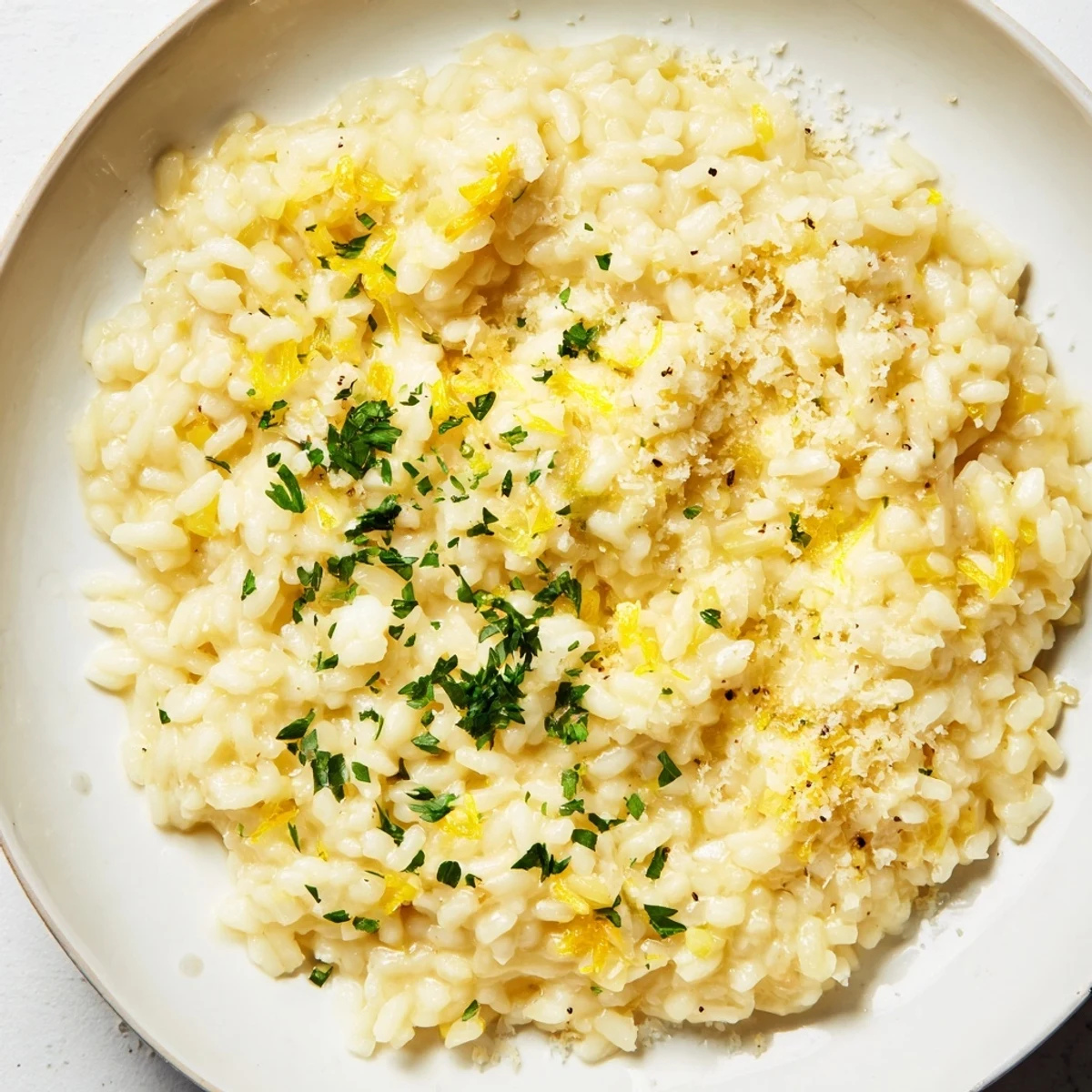
Save This creamy Italian risotto pairs Arborio rice with warm vegetable broth, white wine, and butter to achieve a smooth, luscious texture. Slowly cooked and stirred, the dish is finished with freshly grated Parmesan for richness and flavor. Aromatics like onion and garlic enhance the savory depth, while parsley and extra cheese add bright, fresh notes. A versatile dish perfect as a main or side, it offers comforting warmth with classic Italian flavors.
I was standing in my kitchen on a rainy Tuesday, staring at a bag of Arborio rice I'd bought on impulse months earlier. No plan, no confidence, just a vague memory of watching my roommate's Italian grandmother stir a pot with the kind of focus usually reserved for meditation. I decided to try it myself, armed with a wooden spoon and a half-empty bottle of wine from the fridge.
The first time I made this for friends, I was convinced I'd ruin it. But as the steam rose and the Parmesan melted into golden ribbons, everyone gathered around the stove, drawn by the smell. We ate it straight from the pot, standing at the counter, laughing about how something this good couldn't possibly be homemade.
Ingredients
- Arborio rice: The short, starchy grains are what make risotto creamy without any cream, so don't swap it for long-grain rice or you'll miss the magic.
- Low-sodium vegetable broth: Keeping it warm on the stove helps the rice cook evenly and prevents the temperature from dropping every time you add a ladleful.
- Unsalted butter and olive oil: Starting with both gives you richness and a higher smoke point, so the aromatics don't burn while you're building flavor.
- Yellow onion and garlic: Finely chopped onion melts into the background, adding sweetness, while garlic brings just enough sharpness without stealing the show.
- Dry white wine: A crisp, inexpensive Pinot Grigio or Sauvignon Blanc works beautifully, and whatever you don't use, you can sip while you stir.
- Freshly grated Parmesan cheese: Pre-grated never melts the same way, so take the extra minute to grate it yourself for that silky, glossy finish.
- Salt and black pepper: Season at the end after the cheese goes in, since Parmesan is already salty and you don't want to overdo it.
- Fresh parsley: A handful of chopped parsley on top adds a bright pop of color and a little freshness to balance the richness.
Instructions
- Warm the broth:
- Pour the vegetable broth into a saucepan and set it over low heat. Keeping it warm means the rice won't seize up when you add cold liquid, and the whole process stays smooth and even.
- Start the base:
- Melt the butter with olive oil in a heavy-bottomed skillet over medium heat until it sizzles gently. Add the onion and cook until it's soft and translucent, then toss in the garlic and let it bloom for just a minute until your kitchen smells like an Italian trattoria.
- Toast the rice:
- Stir in the Arborio rice and keep stirring for about two minutes, coating every grain in the fat. You'll know it's ready when the edges turn slightly translucent and you hear a faint nutty aroma rising from the pan.
- Deglaze with wine:
- Pour in the white wine and stir until it's mostly absorbed, scraping up any bits stuck to the bottom of the pan. The smell of wine hitting hot rice is one of those small kitchen moments that feels like you're doing something right.
- Add broth gradually:
- Ladle in about half a cup of warm broth and stir frequently, letting the rice drink it up before adding more. This slow, patient process is what coaxes out the starch and creates that signature creaminess, so don't rush it.
- Finish with cheese and butter:
- Once the rice is tender but still has a little bite, remove the pan from heat and stir in the Parmesan and remaining butter. The residual heat will melt everything into a glossy, luxurious coating that clings to every grain.
- Season and serve:
- Taste it, then add salt and pepper as needed, remembering that the cheese has already done some of the work. Spoon it into bowls immediately and top with parsley and extra Parmesan if you're feeling generous.
 Save
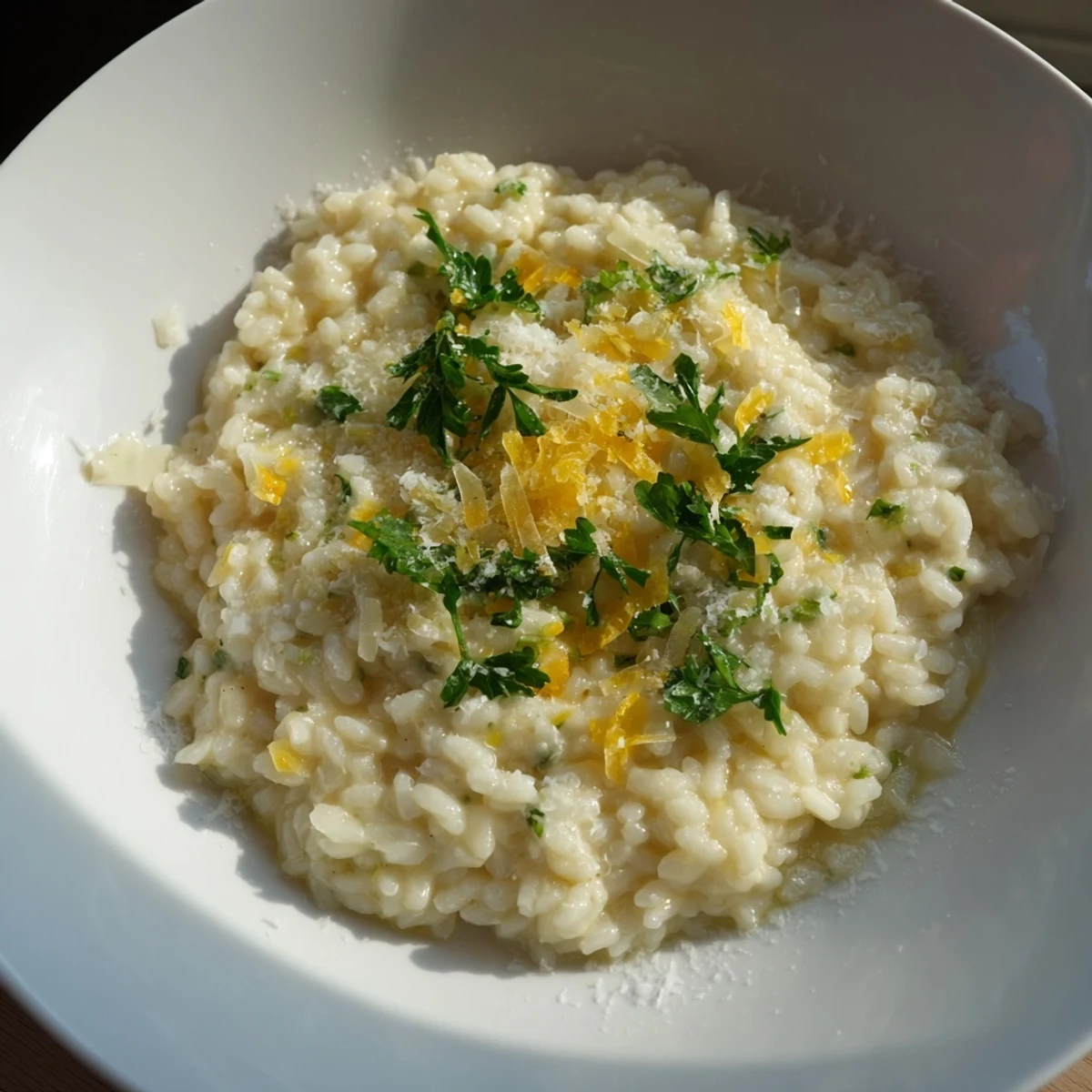
Save One winter evening, I made this for my mom after a long day, and she paused mid-bite to tell me it tasted like the risotto she had in a tiny café in Florence years ago. That moment, watching her close her eyes and smile, made all the stirring worth it.
How to Know When It's Done
The rice should be creamy and flow gently when you tilt the pan, but each grain should still have a slight firmness in the center when you bite it. If it's chalky or crunchy, keep adding broth and stirring. If it's mushy, you've gone a little too far, but it'll still taste delicious, just a bit softer than ideal.
Ways to Mix It Up
Once you've nailed the basic technique, risotto becomes a canvas for whatever's in your fridge. I've folded in sautéed mushrooms, roasted butternut squash, fresh peas, and even leftover rotisserie chicken with great results. Just add any cooked vegetables or proteins in the last few minutes of cooking so they warm through without losing their texture.
Storage and Reheating
Risotto is best enjoyed fresh, but if you have leftovers, store them in an airtight container in the fridge for up to two days. To reheat, add a splash of broth or water to a skillet over low heat and stir gently until it loosens up and warms through.
- You can also shape cold risotto into patties, coat them in breadcrumbs, and pan-fry them for crispy risotto cakes.
- Don't microwave it without adding liquid, or it'll turn gummy and sad.
- Freezing isn't ideal since the texture changes, but in a pinch, it works for up to a month if you reheat it slowly with extra liquid.
 Save
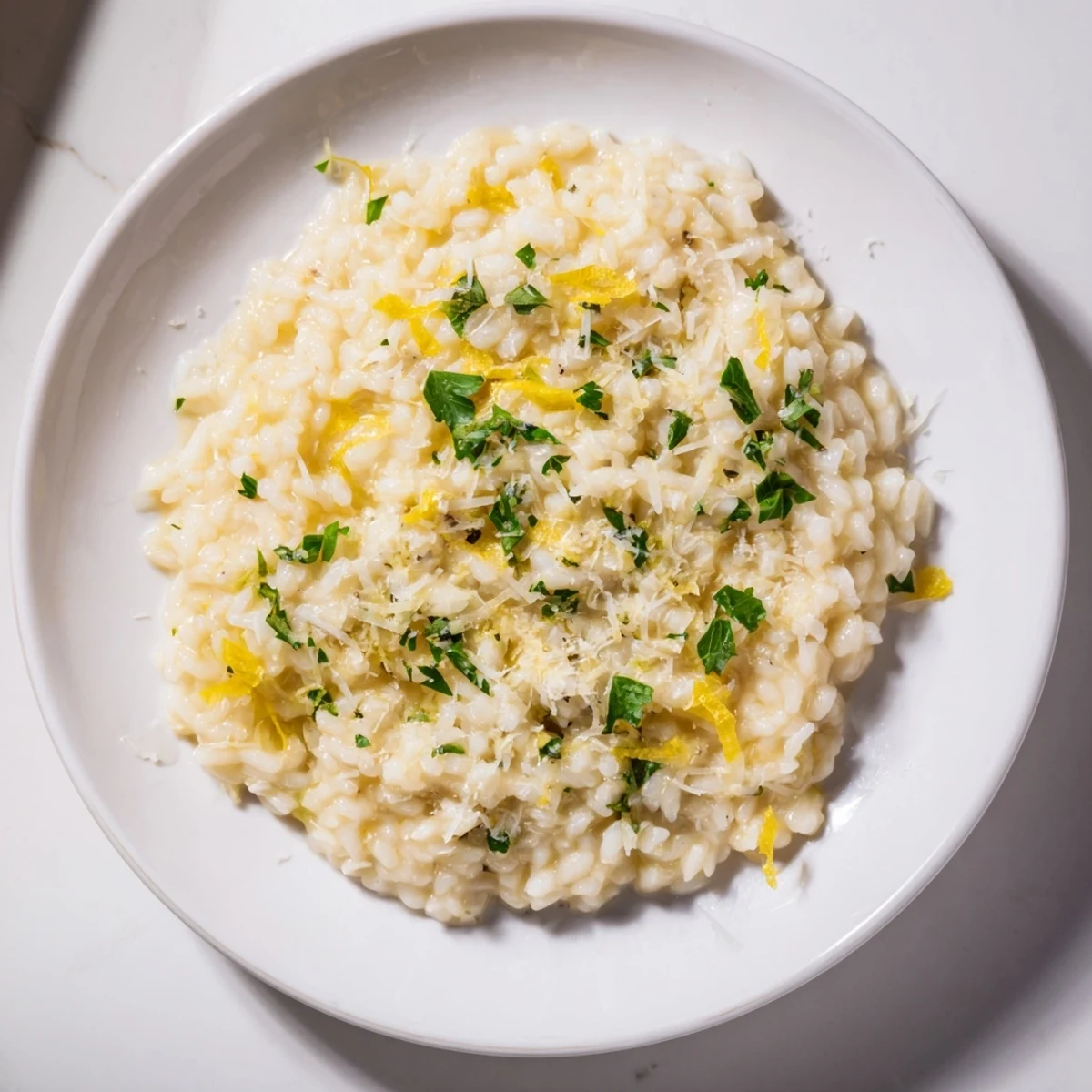
Save Risotto taught me that good food doesn't have to be complicated, it just needs attention and a little bit of love. I hope this becomes one of those recipes you turn to when you want to slow down and savor the process as much as the result.
Recipe FAQs
- → What type of rice is best for this dish?
-
Arborio rice is preferred for its high starch content, which yields the creamy texture essential to the dish.
- → Can I substitute the white wine?
-
Yes, you can use extra vegetable broth or a splash of lemon juice, though white wine adds a subtle acidity that enhances flavor.
- → How do I achieve the perfect creamy consistency?
-
Gradually add warm broth to the rice, stirring frequently, allowing each addition to be absorbed before the next.
- → Is it possible to add vegetables?
-
Absolutely, sautéed mushrooms, peas, or asparagus are excellent additions for texture and variety.
- → What cheeses can be used besides Parmesan?
-
While Parmesan is traditional, Grana Padano or Pecorino Romano can provide a similar salty richness.
- → How should leftovers be stored?
-
Store leftovers in an airtight container in the refrigerator and enjoy within 2 days for best texture and flavor.