
 Save
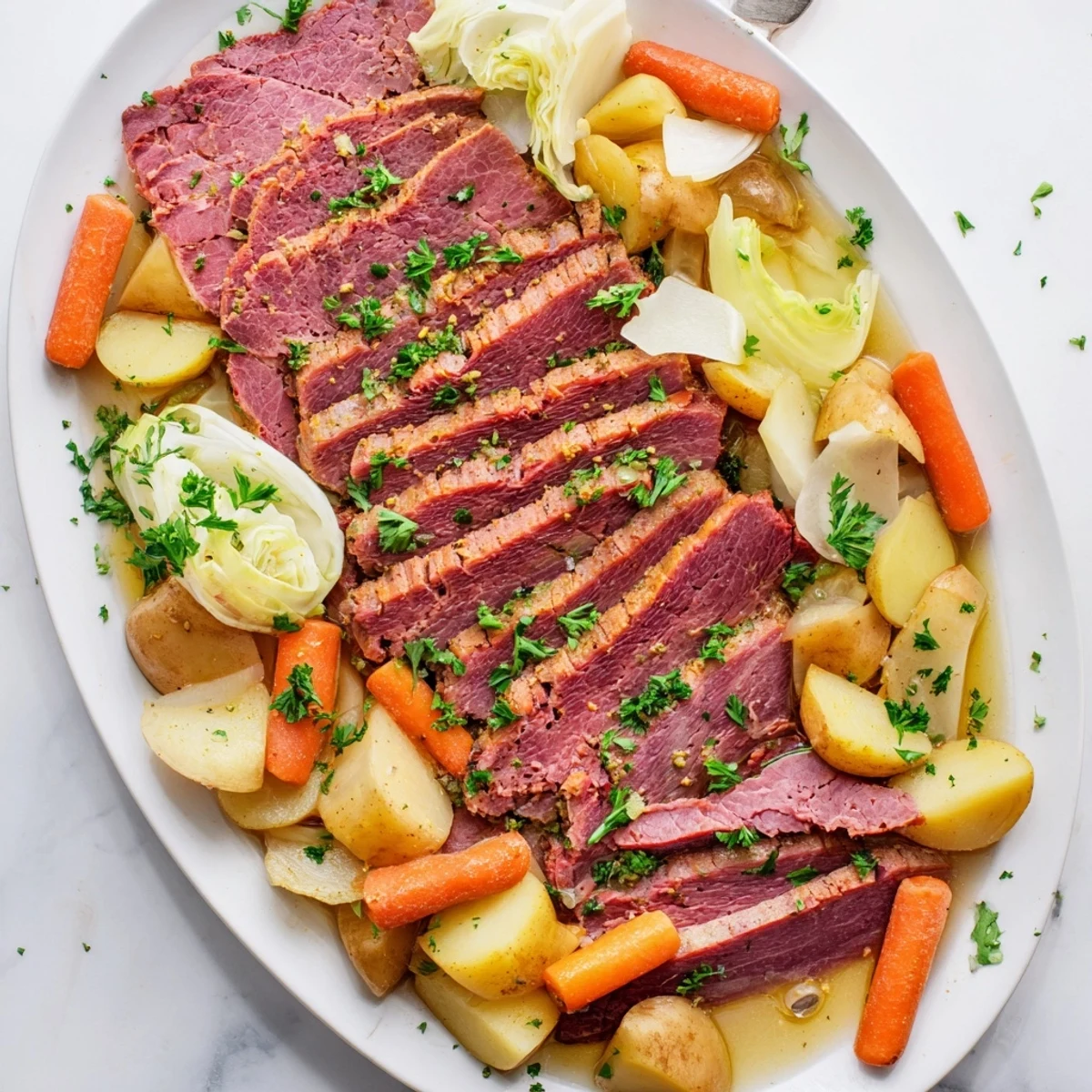
Save This comforting brisket brings together halal-cured beef and root vegetables in a richly spiced broth. The meat simmers gently for hours with bay leaf, peppercorns, cloves, and mustard seeds, creating tender, flavorful slices. Carrots, parsnips, potatoes, rutabaga, and cabbage join the pot in stages, absorbing the aromatic cooking liquid. The result is a complete meal where vegetables become meltingly soft while the beef develops deep, savory flavor throughout the long simmering process.
The entire house smells like warm spices and slow-cooked comfort, which is exactly what I need on a gray afternoon. It takes patience, but watching the brisket transform into something tender is its own reward. This isn't just a meal; it's an excuse to stay indoors and let the pot do all the work.
I remember setting this huge platter down on the table last winter and watching everyone fall silent for a moment. There is something incredibly grounding about sharing a meal that took hours to simmer gently.
Ingredients
- Halal Corned Beef Brisket: Look for a piece with a nice fat cap to keep the meat moist during the long cooking time.
- Water and Spices: The liquid needs to cover the meat, so do not be shy about adding extra water if the pot is crowded.
- Root Vegetables: Cutting them into large chunks prevents them from turning into mush while the brisket finishes cooking.
- Cabbage: Add this last so it stays tender and retains a bit of bite rather than dissolving completely.
Instructions
- Prep the Brisket:
- Rinse the brisket thoroughly under cold water to wash away excess salt from the curing process. Place it in your large pot and surround it with water, bay leaf, peppercorns, cloves, and mustard seeds.
- Start the Simmer:
- Bring the pot to a gentle bubble over medium heat before lowering it to a bare simmer. Skim any foam that rises to the top, cover tightly, and let it cook slowly for two hours.
- Add Root Vegetables:
- Toss in the carrots, parsnips, potatoes, rutabaga, and onion, making sure they are submerged in the flavorful broth. Cover the pot again and let everything cook together for another forty-five minutes.
- Finish with Cabbage:
- Slip the cabbage wedges into the liquid and simmer for another twenty minutes until everything is fork-tender. Lift the meat out to rest for ten minutes before slicing it against the grain.
- Plate and Serve:
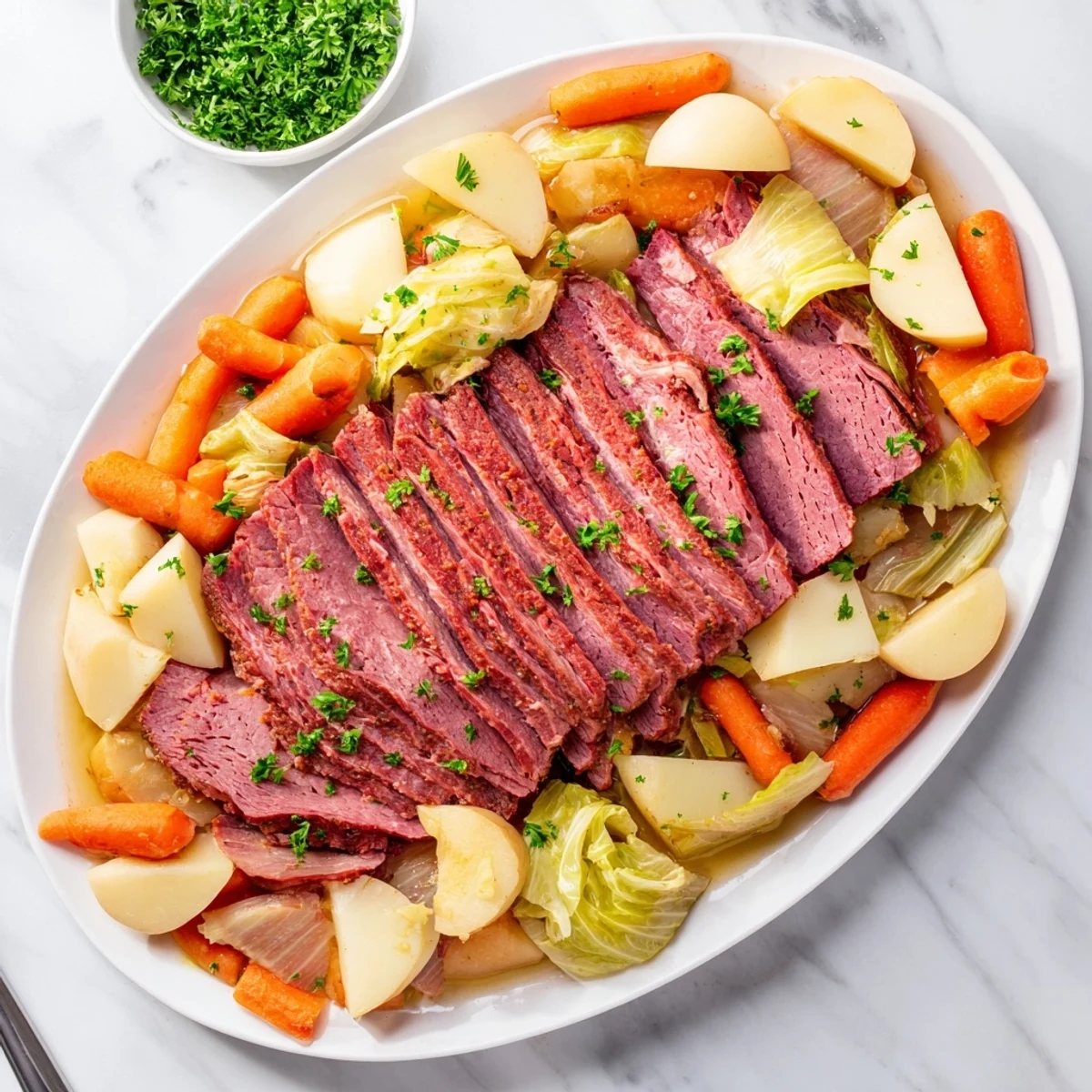
- Arrange the sliced beef and vegetables on a warm platter and spoon plenty of the hot broth over the top. Sprinkle everything with fresh parsley and crack some black pepper on right before serving.
 Save
Save This dish officially became a household favorite the first time we made sandwiches with the leftovers the next morning. There is a kind of quiet joy in realizing you do not have to cook breakfast because dinner was just that good.
Saving The Broth
Do not toss out the liquid left in the pot because it is liquid gold. I strain it and freeze it for the next time I need a rich base for soup or stew.
Vegetable Choices
Feel free to swap the rutabaga for more potatoes if you prefer a starchier bowl. The key is keeping the chunks large so they do not disappear during the long simmer.
Serving Suggestions
A sharp mustard on the side cuts right through the richness of the beef.
- Keep some crusty bread handy to soak up the spiced juices at the bottom of the bowl.
- A cold glass of sparkling water with lemon helps refresh the palate between hearty bites.
- If you like heat, a pinch of cayenne in the broth adds a nice background warmth.
 Save
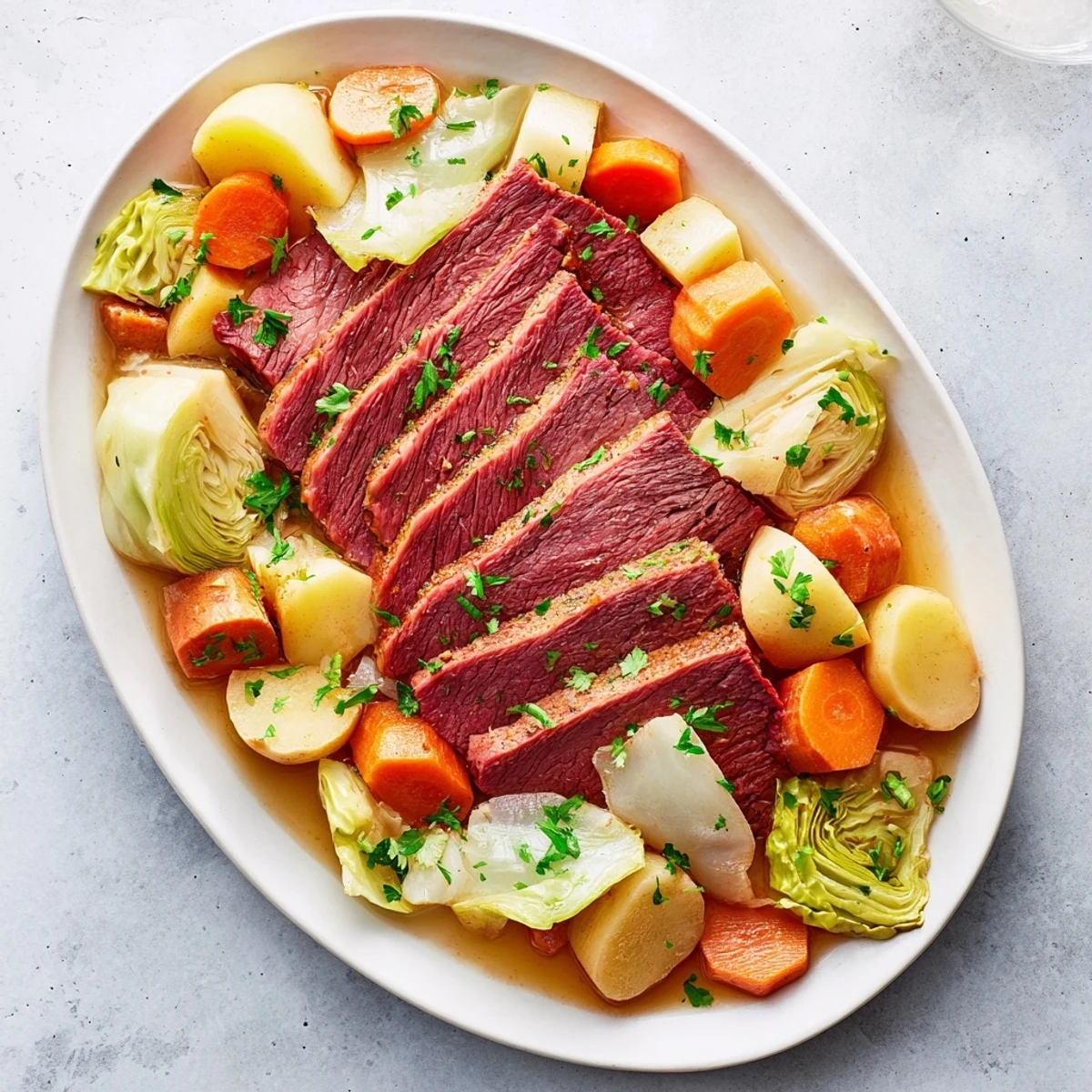
Save Grab a spoon and settle in for a meal that feels like a warm hug. Enjoy every slow-cooked bite.
Recipe FAQs
- → What makes this corned beef halal?
-
This version uses certified halal corned beef brisket cured with halal-approved spices, avoiding any alcohol or prohibited ingredients typically found in traditional curing methods.
- → How long should I cook the brisket?
-
The brisket simmers for approximately 2 hours before adding vegetables, then cooks an additional 65-75 minutes with the vegetables until everything reaches fork-tender perfection.
- → Can I add other root vegetables?
-
Absolutely. Feel free to include celery root, sweet potatoes, or beets. Just maintain similar-sized chunks to ensure even cooking times across all vegetables.
- → Why add vegetables at different times?
-
Harder vegetables like carrots and parsnips need longer cooking, while cabbage cooks quickly. Staging additions prevents mushy vegetables and ensures perfect texture throughout.
- → What should I serve with this?
-
Crusty halal bread, grainy mustard, or fresh horseradish complement the rich flavors. The dish is substantial enough to stand alone as a complete meal.