
 Save
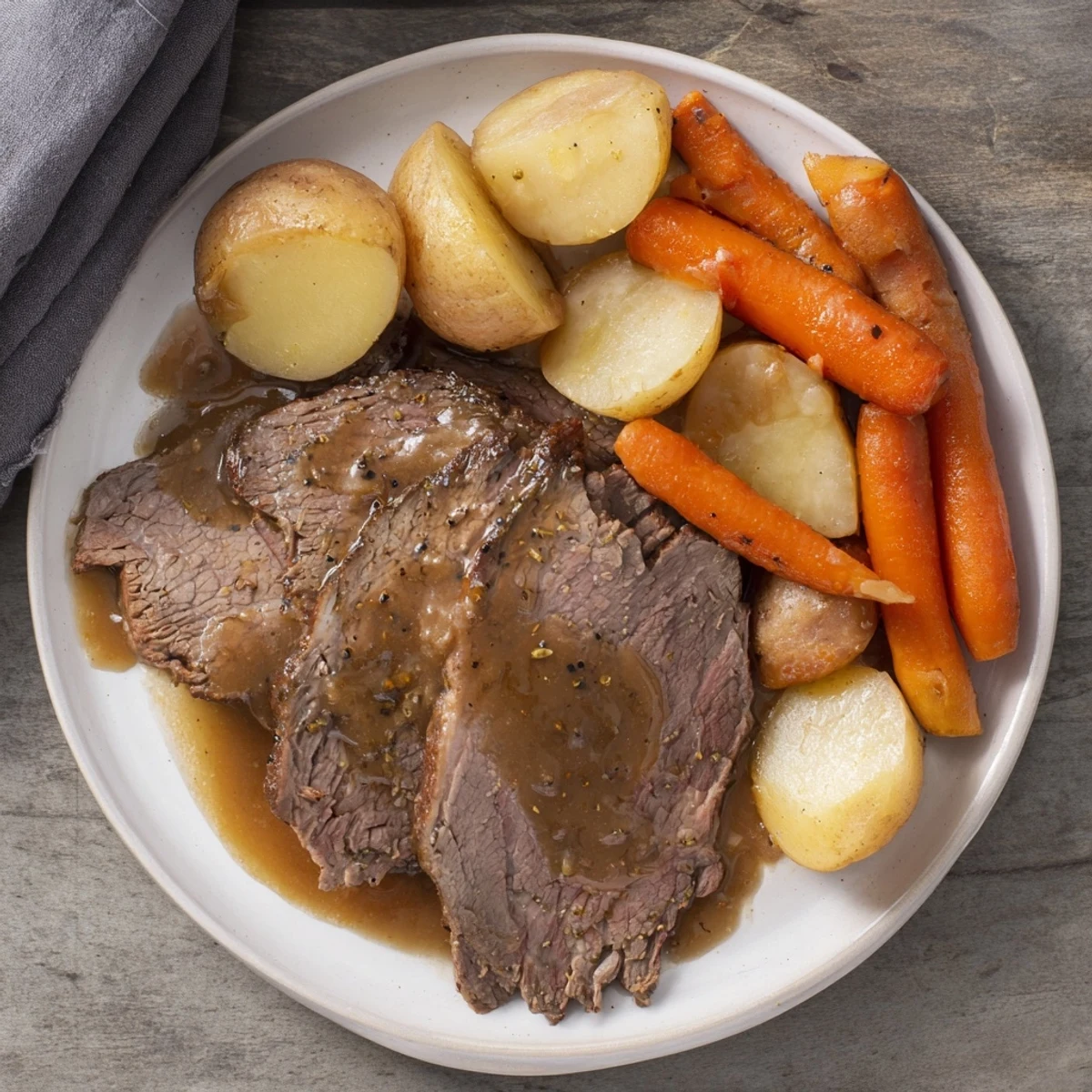
Save This dish features beef chuck roast browned to develop flavor, then slow-cooked with carrots, onions, potatoes, and aromatic herbs in a savory braising liquid. The gentle oven heat ensures tender meat and perfectly cooked vegetables. A rich gravy made from the braising juices brings everything together, offering robust taste ideal for comforting family meals. Variations include swapping red wine for extra broth or adding celery for extra depth.
There's something about the aroma of beef pot roast slow-cooking in the oven that brings me right back to my grandmother's kitchen on Sunday afternoons. I remember being maybe eight years old, sitting at her worn wooden table doing homework while she tended to a massive Dutch oven, the kind that seemed to have been seasoned by decades of love. The house would fill with this incredible savory warmth—beef, red wine, herbs—and by the time she pulled it out, the meat was so tender you could cut it with a fork. That's the magic of a real pot roast, and I've been chasing that feeling ever since.
I made this for my partner the first winter we lived together, during one of those stretches where it was so cold outside that all we wanted was to stay in and cook together. We chopped vegetables side by side, and I taught him how to properly sear the roast—listen for that sizzle, wait for the crust to form, don't rush it. When we pulled it out of the oven three hours later and he tasted it, he just looked at me and said, 'You could make this once a month and I'd be happy.' That's when I knew this recipe was a keeper.
Ingredients
- Beef chuck roast (3 lbs): This cut has just the right amount of marbling and connective tissue that breaks down into gelatin, making the braising liquid silky and the meat fall-apart tender. Don't get tempted by leaner cuts—they'll dry out.
- Kosher salt and freshly ground black pepper: Kosher salt dissolves better than table salt, and fresh pepper makes a real difference in flavor depth.
- Large carrots (4), Yukon Gold potatoes (1.5 lbs), yellow onions (2): These vegetables do double duty—they flavor the braising liquid while also becoming a complete meal on the plate. Yukon Golds stay intact and creamy rather than falling apart.
- Garlic (4 cloves minced): Mince it finely so it distributes evenly and mellows into the sauce rather than asserting itself in chunks.
- Beef broth (2 cups) and dry red wine (1 cup): The wine adds acidity and depth that plain broth can't deliver alone. If you skip it, the dish tastes flat no matter what else you do.
- Tomato paste (2 tbsp): This is the secret weapon—it adds umami richness and a subtle sweetness that grounds the whole dish.
- Worcestershire sauce (2 tbsp): A splash of this fermented anchovy situation might sound weird, but it's what makes people say, 'What is that amazing flavor?'
- Bay leaves (2) and fresh thyme (4 sprigs): These herbs steep into the liquid and then you remove them, so you get their flavor without any grittiness. If using dried thyme, use just 1 tsp.
- Olive oil (2 tbsp): High-heat oil for searing to build that initial crust.
- Cornstarch (2 tbsp) and cold water (2 tbsp): This is optional but recommended if you like a thicker, glossier gravy that coats the meat beautifully.
Instructions
- Prepare and season your beef:
- Pat that roast completely dry with paper towels—this is important because moisture creates steam instead of a crust. Season all sides generously with salt and pepper. Don't be shy; this is the only time you're seasoning the meat directly.
- Get a perfect sear:
- Heat your olive oil in a large Dutch oven over medium-high heat until it shimmers. The oil should be hot enough that when the beef touches it, you hear an immediate sizzle. Sear each side for 3 to 4 minutes until deeply browned—we're building flavor here, not cooking the meat through. Transfer the roast to a plate and set aside.
- Build your base:
- In the same pot, add the onions and carrots. Let them sit for a minute to pick up some color, then stir and sauté for 3 to 4 minutes. You should see the bottom of the pot getting darker—that's caramelization happening. Scrape up all those brown bits with a wooden spoon; that's liquid gold flavor. Add the minced garlic and cook for just 1 minute until fragrant.
- Deglaze and develop:
- Stir in the tomato paste and let it cook for about a minute, stirring occasionally. Then pour in the red wine, scraping the bottom again to release any remaining browned bits. Smell that? That's what a proper pot roast smells like.
- Return the roast and add remaining ingredients:
- Nestle the beef back into the pot. Add the potatoes, beef broth, Worcestershire sauce, bay leaves, and thyme. Bring everything to a gentle simmer on the stovetop, then cover with the lid.
- Braise low and slow:
- Transfer the covered Dutch oven to a 325°F oven. Set a timer for 2 hours 30 minutes, but plan to check at the 2-hour mark. The beef is done when a fork slides through it with almost no resistance. The vegetables should be tender but not falling apart. Total time is usually 2.5 to 3 hours depending on your oven and the roast's size and shape.
- Rest and prepare to serve:
- Carefully remove the pot from the oven—it will be extremely hot. Transfer the beef to a cutting board and the vegetables to a serving platter. Discard the bay leaves and thyme sprigs. Let the beef rest for about 5 minutes.
- Make your gravy:
- Pour the braising liquid into a fat separator or skim off excess fat with a spoon. Return the liquid to the stovetop over medium heat. If you want a thicker gravy, whisk cornstarch and cold water together in a small bowl to create a slurry, then slowly whisk it into the simmering liquid. Cook for 2 to 3 minutes until glossy and thickened. Taste and adjust seasoning if needed.
- Slice and serve:
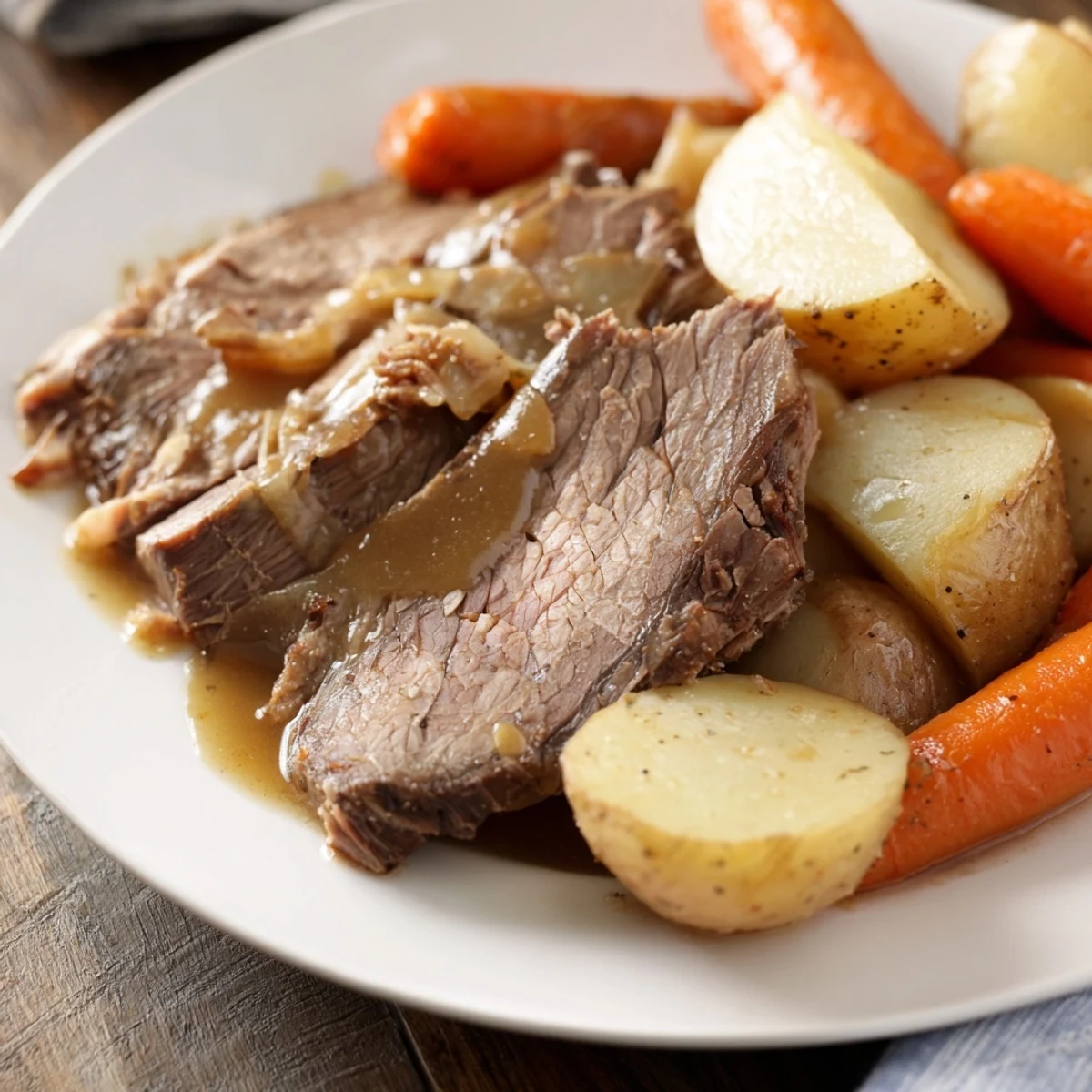
- Slice or shred the beef and arrange on the platter with the vegetables. Drizzle generously with that silky gravy. Serve immediately while everything is still warm.
 Save
Save I served this to my parents on a cold November evening, and my dad—who rarely compliments my cooking—asked for the recipe. My mom reached over and squeezed my hand. That's when I realized this dish isn't really about the beef or the vegetables. It's about the comfort of knowing someone put time and care into feeding you.
Choosing Your Vegetables
The vegetables I've listed are the classic combination, but this dish is forgiving enough to adapt to what's in season or what you have on hand. Parsnips add a subtle sweetness that pairs beautifully with the beef. Celery—especially the inner pale stalks—brings a fresh brightness. Even a small head of thyme or a few button mushrooms can be wonderful additions. The rule is to cut everything into similar-sized pieces so they cook at the same rate. I've learned that a rolling cut on the carrots looks fancier and actually creates more surface area for the liquid to reach, making them cook more evenly.
The Red Wine Question
The red wine in this recipe does something special that more broth simply can't replicate—it adds acidity and complexity that makes your taste buds sit up and pay attention. I tested this once without it, and while it was still good, it was missing that subtle depth that makes people ask for seconds. That said, if alcohol isn't your thing or you're cooking for someone who doesn't drink, use an additional cup of beef broth instead. The dish will still be delicious, just slightly earthier and a touch less bright. Avoid super tannic wines like young Cabernets meant for aging; a simple Côtes du Rhône or even a basic Merlot works perfectly.
Storage, Reheating, and Serving Ideas
This recipe becomes a gift to your future self because it tastes better on day two or three as the flavors meld and deepen. Let it cool completely, then store the beef and vegetables separately from the braising liquid in airtight containers—they'll keep for up to four days in the refrigerator or up to three months in the freezer. Reheat gently in a 325°F oven in a covered dish with a splash of broth, or on the stovetop over low heat, stirring occasionally. Serve it the traditional way with crusty bread for soaking up that gravy, over creamy mashed potatoes for ultimate comfort, alongside a crisp green salad to cut through the richness, or even as a hearty pot roast sandwich the next day.
- Make extra gravy by doubling the braising liquid ingredients—you can freeze it and pour it over future roasts or vegetables
- If you're meal prepping, portion into glass containers and the gravy will congeal on top as it cools, sealing in freshness
- Leftover pot roast makes an incredible filling for hand pies or pastries when shredded finely
 Save
Save A good pot roast is one of those dishes that proves food is about more than nutrition or hunger satisfaction. It's about slowing down, gathering people around a table, and saying with every bite, 'I made this for you because you matter.' Make this when someone needs comfort, when the weather turns cold, or simply because you want your kitchen to smell like home.
Recipe FAQs
- → What cut of beef works best for this dish?
-
Beef chuck roast is ideal due to its marbling and connective tissue, which breaks down during slow cooking for tender results.
- → Can I substitute red wine in the braising liquid?
-
Yes, you can replace red wine with additional beef broth for an alcohol-free option without sacrificing moisture or flavor.
- → How do I achieve a rich and smooth gravy?
-
After cooking, skim fat from the braising liquid and thicken it with a cornstarch slurry, cooking until smooth and glossy.
- → What vegetables complement the beef in this method?
-
Carrots, Yukon Gold potatoes, and onions cook alongside the beef, absorbing flavors and adding sweetness and texture.
- → Is it important to sear the beef first?
-
Yes, searing develops a deep brown crust which enhances flavor through the Maillard reaction before braising.
- → How long does the braising process take?
-
Typically, the beef is braised for 2.5 to 3 hours at a low oven temperature to ensure tenderness.