
 Save
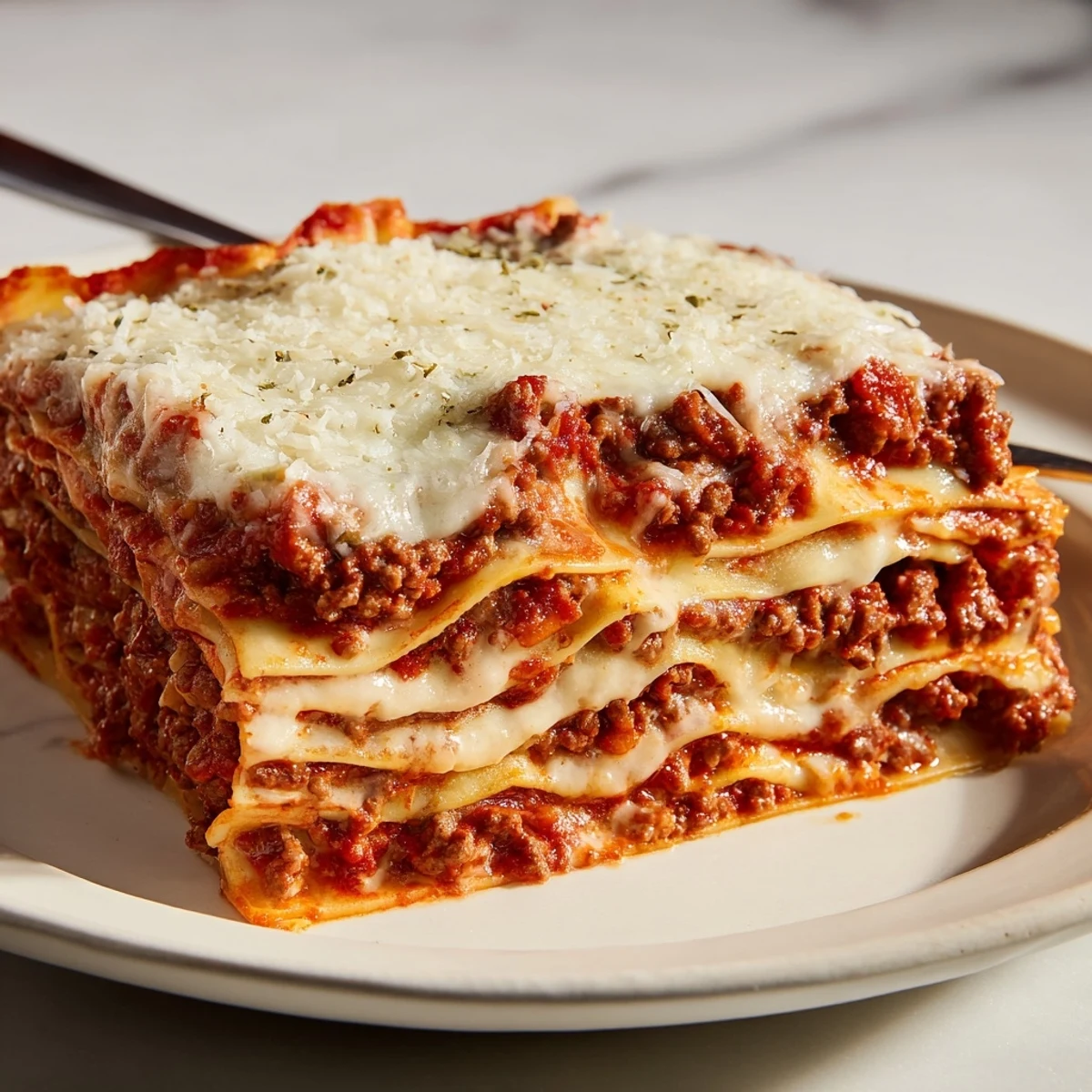
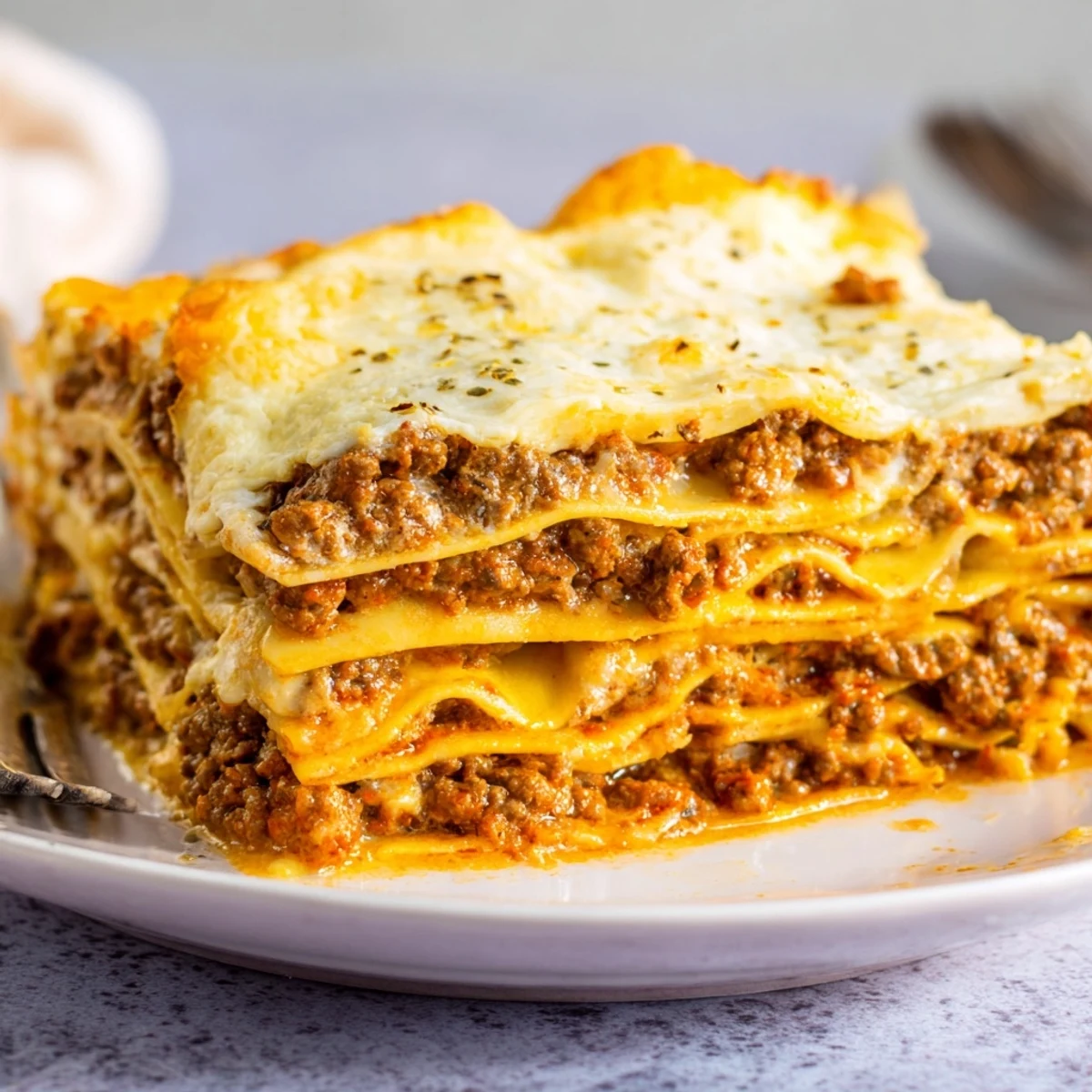
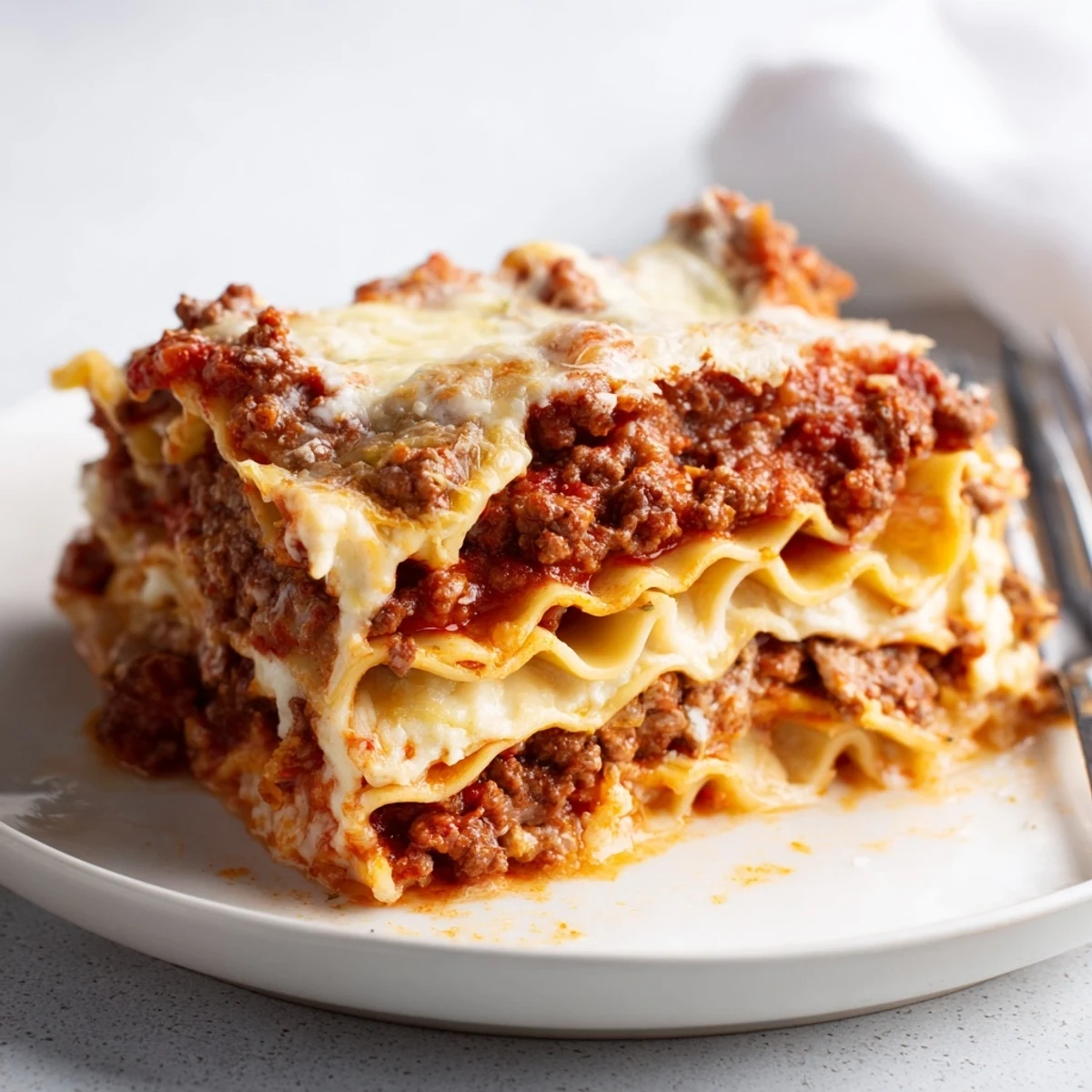
Save This dish features layers of tender pasta sheets filled with a savory beef ragù simmered with herbs and red wine. A smooth, creamy béchamel sauce adds richness and balances the flavors, topped with melted mozzarella and Parmesan cheeses for a golden crust. Preparation involves sautéing fresh vegetables and ground beef, slow simmering the sauce, preparing a classic béchamel, then layering and baking until bubbly and golden, resulting in a hearty, satisfying meal perfect for sharing.
I still remember the first time I made lasagna from scratch for my family dinner. It was a cold autumn evening, and the kitchen filled with the most incredible aroma as layers of beef ragù, creamy béchamel, and melted cheese bubbled away in the oven. That dish taught me that some of the most impressive meals start with patience and love, one careful layer at a time.
I'll never forget watching my grandmother's face light up the first time she tasted my version of this dish. She nodded slowly, took another bite, and said, 'You got it right.' Coming from her, that was the highest compliment. From that moment on, lasagna became our tradition whenever someone needed comfort or celebration.
Ingredients
- Olive oil: The foundation of your ragù that gently coaxes out the sweetness from your vegetables before they meet the beef.
- Onion, garlic, carrot, and celery: This aromatic base is called soffritto in Italian cooking, and it's where the magic truly begins; take your time with these.
- Ground beef: Choose meat with a bit of fat for more flavor and a richer sauce that coats each layer perfectly.
- Canned crushed tomatoes: Quality matters here since they're the backbone of your ragù; good tomatoes make a noticeable difference.
- Tomato paste: This concentrated umami bomb deepens the beef flavor in ways fresh tomatoes alone cannot.
- Dry red wine: The wine softens as it simmers, adding complexity and depth that makes people ask for your secret.
- Dried oregano and basil: Italian herbs that whisper of sun-drenched Mediterranean kitchens into every spoonful.
- Bay leaf: A subtle flavor enhancer that disappears before serving but makes its presence known in every bite.
- Unsalted butter: For your béchamel, it must be unsalted so you control the salt level perfectly.
- All-purpose flour: This creates the roux, the silky foundation of your béchamel sauce.
- Whole milk, warmed: Cold milk creates lumps; warming it first prevents this common frustration and ensures a silky texture.
- Ground nutmeg: Just a whisper transforms béchamel from good to unforgettable; never skip this.
- Lasagna noodles: Dried noodles need pre-cooking, but fresh ones absorb moisture beautifully from the sauces as everything bakes.
- Mozzarella and Parmesan cheese: The mozzarella melts into creamy pools while Parmesan adds a sharp, salty contrast that ties everything together.
Instructions
- Building Your Flavor Base:
- Heat your olive oil in a large skillet over medium heat until it's shimmering and fragrant. Add your finely chopped onion, minced garlic, diced carrot, and celery. You'll know they're ready when the kitchen fills with a sweet, savory aroma and everything has softened to translucency, about 5 minutes. This is your soffritto, the aromatic foundation that makes people close their eyes and smile.
- Browning the Beef:
- Increase the heat slightly and add your ground beef, breaking it apart with a spoon as it cooks. You want it browned but not overdone, still slightly tender. Listen for the gentle sizzle, and watch as the raw color fades to golden brown. This step takes about 8 minutes and releases all those savory flavors that will make your lasagna legendary.
- Building Depth with Wine and Paste:
- Stir in your tomato paste first, coating everything beautifully, then pour in the red wine. Let it simmer for a couple of minutes, breathing in that wine-forward aroma. The alcohol cooks off, leaving only sophistication behind.
- Creating Your Ragù:
- Add your crushed tomatoes, oregano, basil, salt, pepper, and bay leaf. Lower the heat and let this simmer uncovered for 25 to 30 minutes, stirring occasionally. The sauce will darken and thicken, becoming richer and more concentrated. This is where patience rewards you with incredible flavor.
- Crafting the Perfect Béchamel:
- In a separate medium saucepan, melt your butter over medium heat until it's foamy and golden. Whisk in your flour, stirring constantly for 1 to 2 minutes until it bubbles gently but stays pale, never browning. This roux is delicate and precious.
- Smoothing the Sauce:
- Gradually pour in your warmed milk, whisking constantly to prevent any lumps from forming. Keep whisking as you pour, and you'll see the sauce come together like silk. Once all the milk is incorporated, simmer gently for 6 to 8 minutes, stirring often, until it coats the back of a spoon beautifully.
- Final Béchamel Seasoning:
- Remove from heat and stir in your nutmeg, salt, and white pepper. Taste and adjust if needed. That nutmeg is the secret that makes people wonder what you did differently.
- Preparing Your Noodles:
- If using dried noodles, cook them according to package directions until al dente, then drain and lay them on a clean towel to dry slightly. If using fresh noodles, skip this step entirely and go straight to assembly.
- Layering Your Masterpiece:
- Preheat your oven to 180°C (350°F). Spread a thin layer of beef ragù on the bottom of your 23x33 cm baking dish. Place a single layer of noodles over the sauce, then spread one-third of the remaining ragù across them. Ladle one-third of your béchamel on top, then sprinkle with mozzarella. Repeat this beautiful layering twice more, finishing with béchamel on top and a generous finishing of mozzarella and Parmesan.
- Bringing It All Together:
- Cover your dish with foil and bake for 30 minutes, letting the heat gently meld everything together. Remove the foil and bake for another 15 to 20 minutes until the top is golden and the edges bubble slightly, releasing little wisps of steam. Let it rest for 15 minutes before slicing, which allows the layers to set slightly and makes serving much more elegant.
 Save
Save Years later, my own children now ask for this lasagna on their birthdays instead of cake. Watching them dive into those layers, cheese stretching as they lift their forks, reminds me why this dish means so much. It's not just food; it's the embodiment of showing love through time and care spent in the kitchen.
The Secret to Perfect Layering
The art of lasagna lies in balance, and I discovered this through trial and error. Your first layer of sauce at the bottom prevents sticking and ensures nothing burns to the dish. Each subsequent layer should be thin enough that you can still see the noodles through the sauce; generous but not drowning. The final layer should be béchamel crowned with cheese, creating that golden, bubbling top everyone fights over. Think of it like building a delicious edible architecture where each layer matters and supports the whole.
Making It Ahead and Reheating
This lasagna actually improves when made a day in advance, giving all the flavors time to become better acquainted. You can assemble it completely, refrigerate it overnight, and bake it the next day, adding just 10 extra minutes to the cooking time since it starts cold. Leftovers reheat beautifully covered with foil in a 160°C oven for about 20 minutes, recovering all their warmth and comfort without drying out.
Variations That Honor the Original
While this classic version is perfection itself, there's room for gentle personalization that respects the dish's roots. Many Italian cooks add a small amount of pork to their beef for complexity, or layer in sautéed spinach for a hidden vegetable boost. Some splash in a touch of cream into the ragù for richness, or finish each layer with a whisper of Parmigiano-Reggiano before adding mozzarella. These variations aren't shortcuts; they're traditions passed down through Italian families, each one a story of a grandmother who knew her ingredients intimately.
- A meat mixture of 400 g beef and 100 g ground pork creates a more nuanced, complex flavor that feels sophisticated.
- Adding a handful of fresh basil stirred into the ragù just before serving brightens the entire dish with herbal freshness.
- Spreading a thin layer of fresh ricotta between your noodles and ragù creates an almost custard-like richness that feels decadent.
 Save
Save This lasagna is a reminder that the most meaningful dishes take time and intention. Every layer, every stir, every moment of waiting is love made edible, and that's what makes it worth every minute in the kitchen.
Recipe FAQs
- → How do I make the beef ragù flavorful?
-
Sautéing onion, garlic, carrot, and celery before adding beef enhances flavor. Simmering with tomato paste, red wine, and herbs like oregano and basil deepens the richness.
- → What is the purpose of the béchamel sauce?
-
Béchamel adds creamy texture and balances acidity from the ragù, creating a smooth, rich layering in the dish.
- → Can I use fresh lasagna noodles instead of dried?
-
Yes, fresh noodles require no pre-cooking and work well, offering a softer texture in the final baked dish.
- → How to achieve a golden, bubbly top layer?
-
Baking covered initially locks in moisture, then uncovering allows cheese to brown and bubble for a perfect finish.
- → Are there variations to enrich this dish further?
-
Simmer ragù longer for deeper flavor, or add sautéed spinach or roasted vegetables between layers for added nutrition and taste.