
 Save
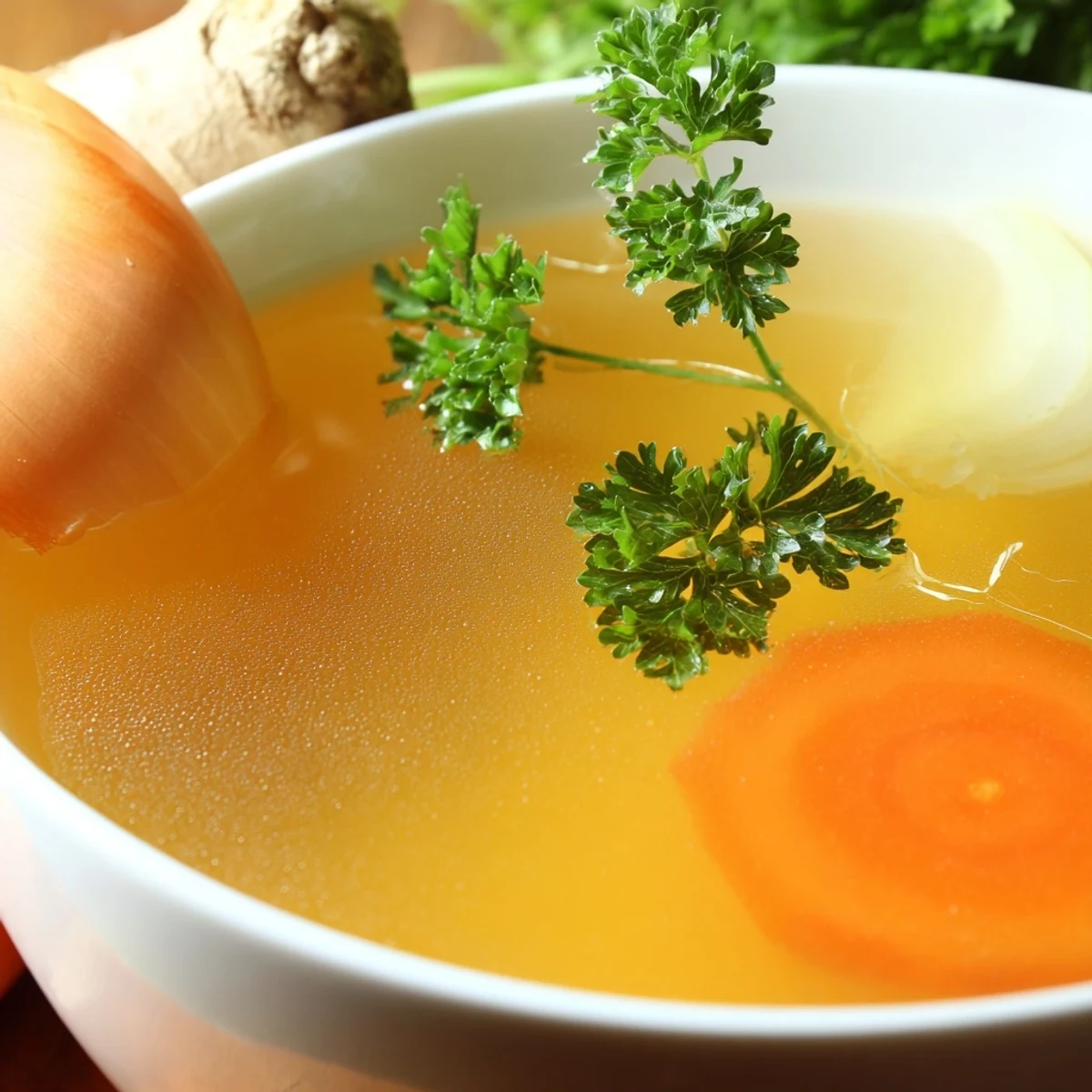
Save This nourishing broth is crafted by gently simmering chicken bones with fresh ginger, onion, carrots, celery, and aromatic herbs for several hours. The process extracts deep flavors and minerals, yielding a rich and aromatic liquid. Ideal for sipping or as a base for soups and sauces, this broth brings warmth and wholesome nutrition to your meals. Optional roasting enhances depth, while added vinegar helps mineral extraction.
I discovered the magic of homemade bone broth on a gray February morning when a friend dropped off a mason jar of golden liquid and insisted I sip it before adding anything else. That first taste—warm, savory, with this subtle ginger heat cutting through—made me realize I'd been missing something essential in my kitchen. It wasn't fancy or complicated, just bones and vegetables left to do their slow work while I went about my day. Now I can't imagine starting a week without a pot of this simmering quietly on the stove.
My partner used to say bone broth was "bouillon for people who've given up," until the day I made this version and she came home from a run, cold and tired, and drank a whole mug without stopping. She looked at me and said, "This isn't bouillon," and that's when I knew I'd nailed it. Now it's her comfort drink on rough mornings, and watching someone you love find that kind of solace in something you made is its own reward.
Ingredients
- Chicken bones (1.5 kg): Use whatever you have—carcass from a roasted chicken, wings, necks, or a mix. If you've got bones in your freezer, this is their moment; frozen is actually better because it's usually more flavorful.
- Onion (1 large, quartered): Keep the papery skin on; it gives the broth a deeper golden color and adds subtle flavor that you'll notice but can't quite name.
- Carrots and celery (2 medium carrots, 2 stalks): Rough chop them—we're not being fancy here, just giving them enough surface area to release their sweetness into the water.
- Garlic (1 whole head, halved crosswise): The whole head might sound like a lot, but it mellows completely after hours of simmering, becoming almost sweet.
- Fresh ginger (75 g or a 3-inch piece, sliced): This is what makes people pause mid-sip and ask what's in it; don't skip it or use powdered ginger, the fresh stuff is essential.
- Bay leaves (2) and black peppercorns (1 tsp): These are your backbone of flavor; they'll infuse the broth without ever being aggressive.
- Sea salt (2 tsp): Start with this amount and taste at the end—you might want more, you might want less, but you'll know when it's right.
- Cold water (3 liters): Use filtered water if you have it; chlorinated water can make the broth taste flat.
- Apple cider vinegar (1 tbsp, optional but recommended): It's a hack that actually works—the acid helps pull minerals from the bones, making the broth more nourishing and giving it a subtle complexity.
- Fresh herbs (thyme, parsley, optional): Add these in the last 30 minutes if you want extra brightness; they'll wake up the whole pot without overwhelming it.
Instructions
- Gather everything and get cozy with your pot:
- Set out your stockpot or Dutch oven and arrange all your ingredients nearby like you're about to start a movie you've been wanting to watch. This ritual makes the whole thing feel intentional, not rushed.
- Build the foundation:
- Dump the chicken bones into the cold pot, then add the onion, carrots, celery, garlic, and ginger slices. Pour in your cold water until everything is submerged—you should have a pot that looks a little crowded and chaotic, and that's exactly right.
- Add the seasonings and optional secret weapon:
- Scatter in the bay leaves and peppercorns, sprinkle the salt, and if you're using it, add that apple cider vinegar. Stir gently and let everything mingle for a moment before you turn on the heat.
- Bring it up and immediately back it down:
- Turn the heat to medium-high and watch as it starts to bubble and foam rises to the surface like something alive. The moment it reaches a boil, reduce the heat to low—so low that you barely see movement in the pot. This is not a race.
- Skim the early foam (the first 30 minutes matter most):
- As the broth heats, impurities rise as gray-white foam; skim this off with a ladle or spoon and discard it. This takes maybe five minutes if you're diligent, and it makes the difference between cloudy broth and clear broth—one is soup, the other is liquid gold.
- Let time do the work:
- Simmer uncovered for 4 hours, checking in every 30 minutes or so to skim if needed and make sure the bones stay covered with liquid. If the water level drops, add a bit more cold water. Your kitchen will smell extraordinary the whole time.
- Finish with fresh herbs if you're using them:
- About 30 minutes before you're done, toss in your thyme or parsley if you have it. They'll soften and release their oils into the broth, adding an herbal note that feels like a quiet yes.
- Strain everything carefully:
- Pour the broth slowly through a fine-mesh sieve or cheesecloth into a large bowl, letting gravity do the work. Don't press the solids or rush this—you want clear broth, not cloudy vegetable juice.
- Taste and adjust, then cool and refrigerate:
- Once it cools enough to taste safely, adjust the salt and seasoning. Let it come to room temperature on the counter, then refrigerate; a layer of fat will solidify on top (skim this off if you want, or leave it for extra flavor and richness).
 Save
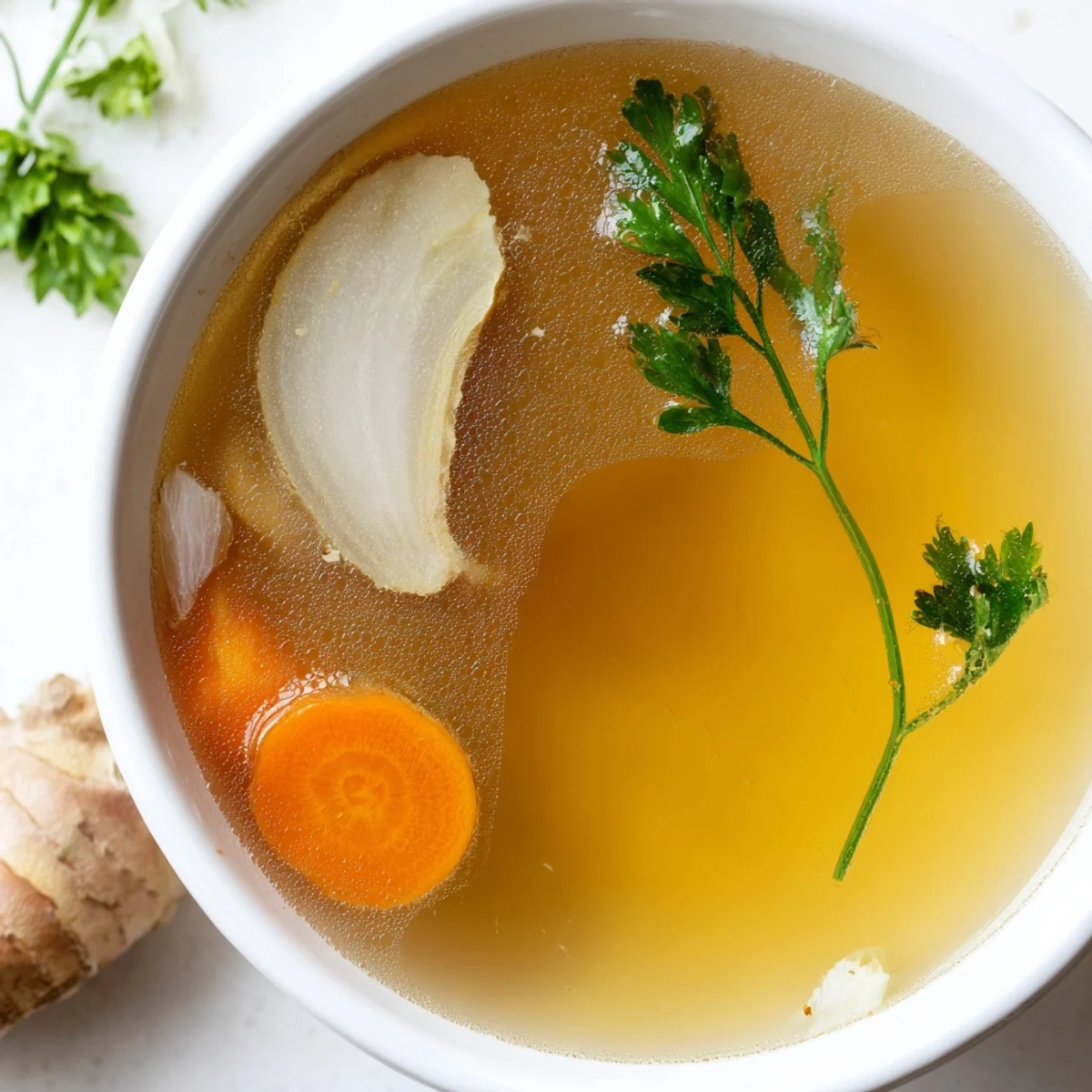
Save The first time I served this broth to someone who was recovering from being sick, they said it tasted like someone cared about them. I've thought about that sentence a hundred times since—how something so simple, just bones and time and vegetables, can carry such intention. That's when I understood that broth is less about nutrition facts and more about the act of slow cooking itself being a form of love.
The Roasting Upgrade You Should Try
If you've made this broth a few times and want to level it up, spend an extra 30 minutes roasting the bones and vegetables before simmering. Preheat your oven to 220°C, spread everything on a baking sheet, and roast until the bones are deep golden and the vegetables have caramelized at the edges. This creates a Maillard reaction—fancy term for browned food being more delicious—and your broth will taste like you've been working with it all day instead of just dropping raw bones in water. It's the difference between good broth and broth that makes people ask what restaurant you ordered from.
Storage and Freezing: Make It Last
Once your broth is cooled and strained, you have options. Pour it into glass jars and refrigerate for up to five days, or freeze it in portions—ice cube trays work for small amounts, quart containers for larger batches—and it'll keep for three months in the freezer. I always freeze some in mug-sized portions so on a cold morning I can just thaw and warm without thinking about it. Thaw in the refrigerator overnight or gently on the stovetop, never in the microwave where the heat distribution is uneven and you'll scald one part while leaving another cold.
Ways to Use Your Broth
This broth is a starting player on any kitchen team—drink it hot as a nourishing morning ritual, use it as the foundation for soups and stews, cook rice or risotto in it for layers of flavor that feel expensive but cost almost nothing, or use it to poach delicate fish and vegetables. Some people add a splash of soy sauce or a piece of kombu to push it toward Asian flavors, others add turmeric and black pepper for something more anti-inflammatory. The point is this broth is flexible, waiting for whatever direction your craving pulls you.
- Heat a mug straight from the freezer on a rough day and taste pure comfort.
- Freeze it in cubes to have flavor-building blocks ready for weeknight cooking.
- Use it as a cooking liquid for grains so every bite carries that deep, savory essence.
 Save
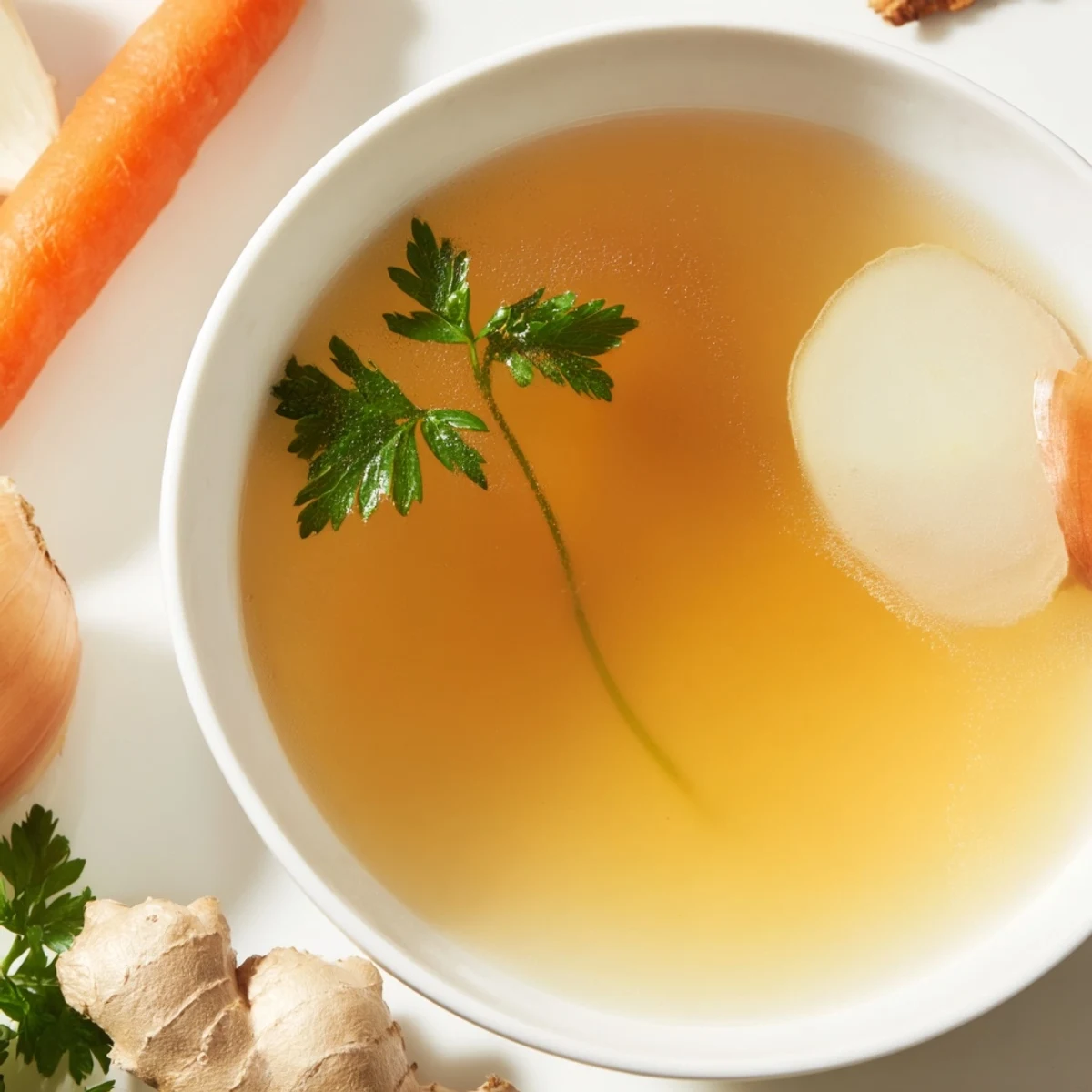
Save The best part about bone broth is that it teaches patience in a kitchen that usually rewards speed. There's something grounding about having a pot on the stove for four hours that you're barely tending, a quiet reminder that some of the best things take time and very little effort.
Recipe FAQs
- → What is the best way to simmer the broth?
-
Maintain a gentle simmer over low heat to slowly extract flavors and nutrients without cloudiness or bitterness.
- → Can I roast the bones before simmering?
-
Yes, roasting bones and vegetables at 220°C (425°F) for 30 minutes adds a deeper, richer flavor to the broth.
- → How long should the broth simmer?
-
Simmer the broth uncovered for about 4 hours, occasionally skimming foam and adding water if needed to keep bones submerged.
- → What does adding apple cider vinegar do?
-
Apple cider vinegar helps draw minerals from the bones, enhancing the broth's nutritional value and flavor.
- → How should the broth be stored?
-
After cooling and straining, refrigerate the broth and skim off fat before use; freeze portions for up to 3 months for longer storage.
- → Can fresh herbs be added?
-
Yes, adding fresh herbs like thyme or parsley during the last 30 minutes of simmering brightens the flavor and aroma.