
 Save
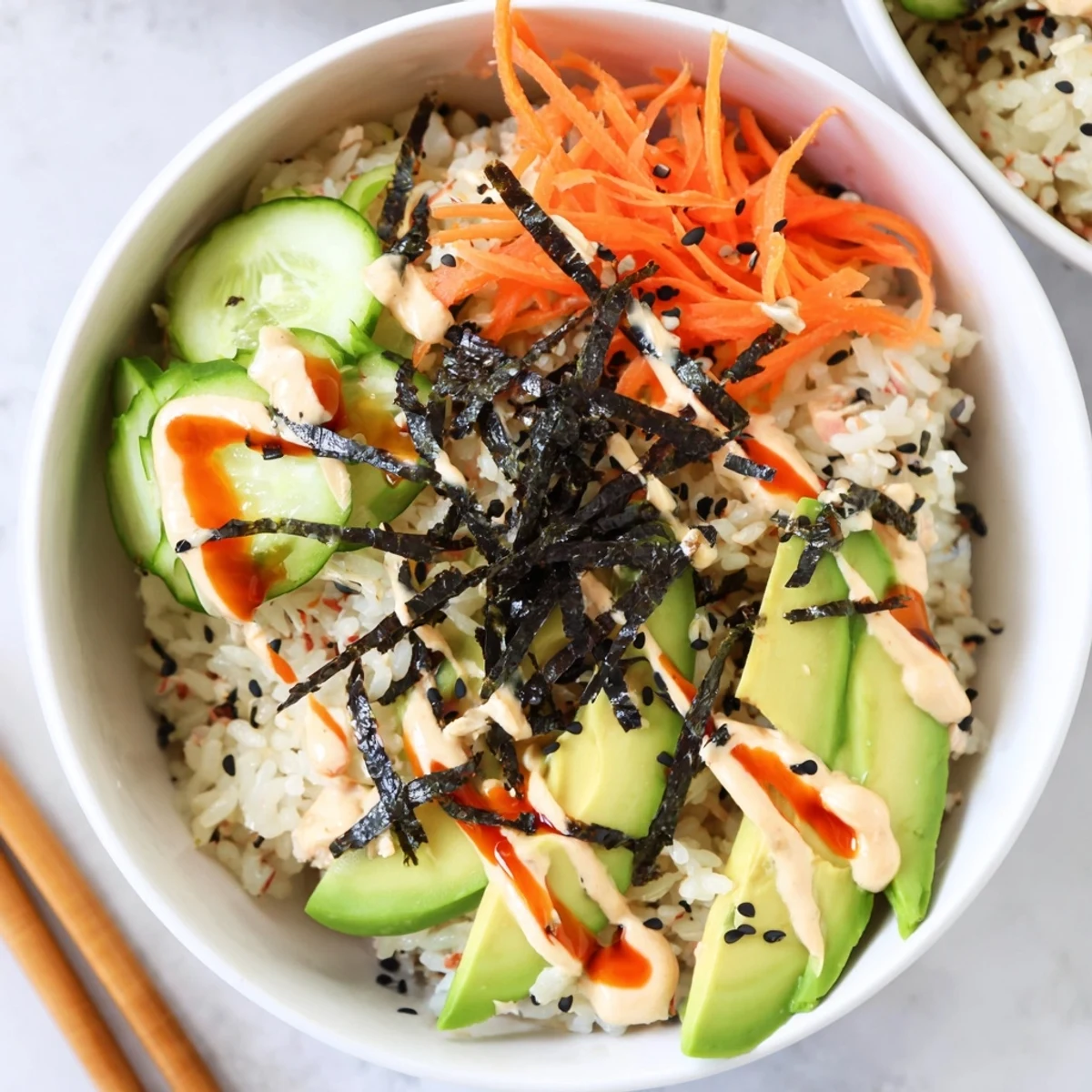
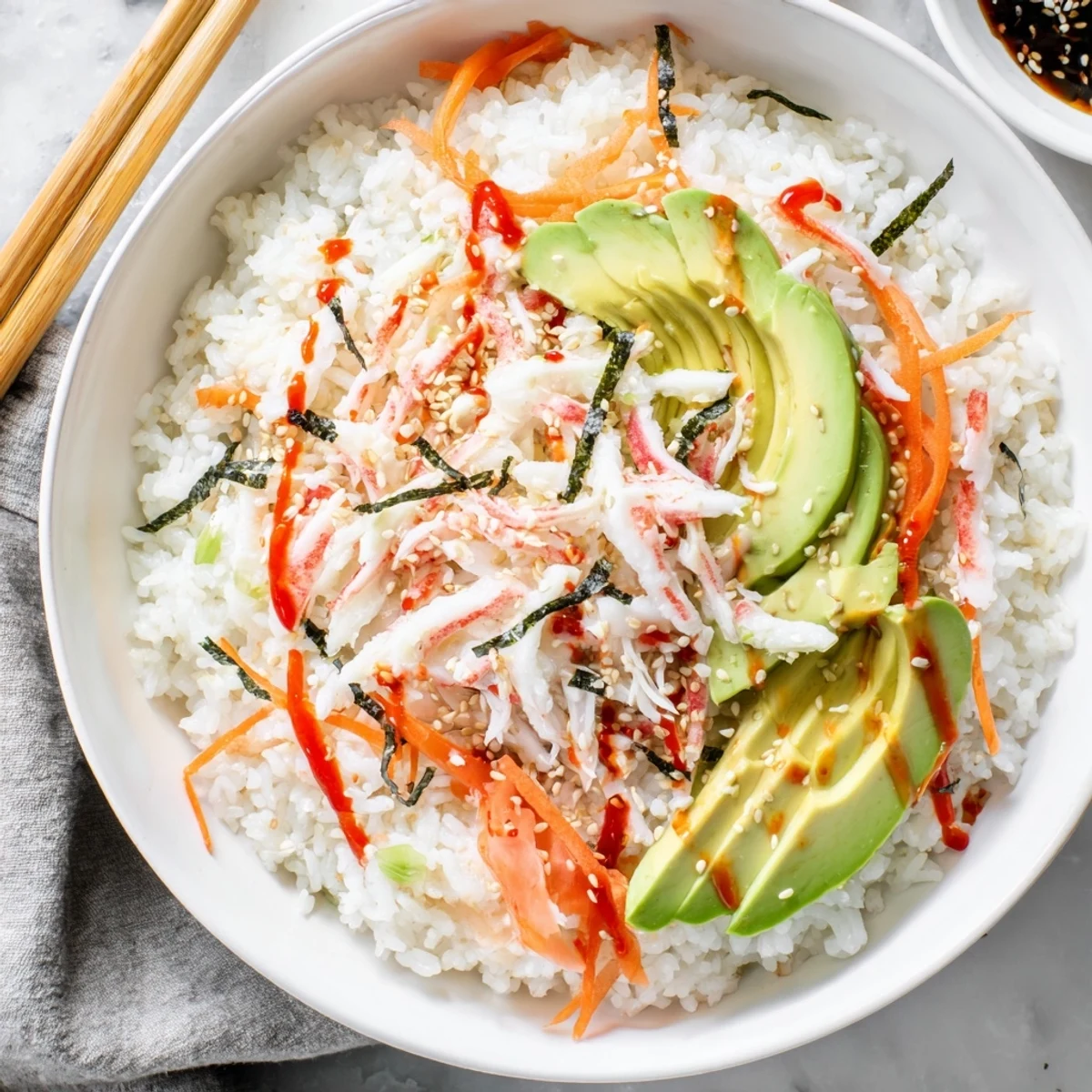
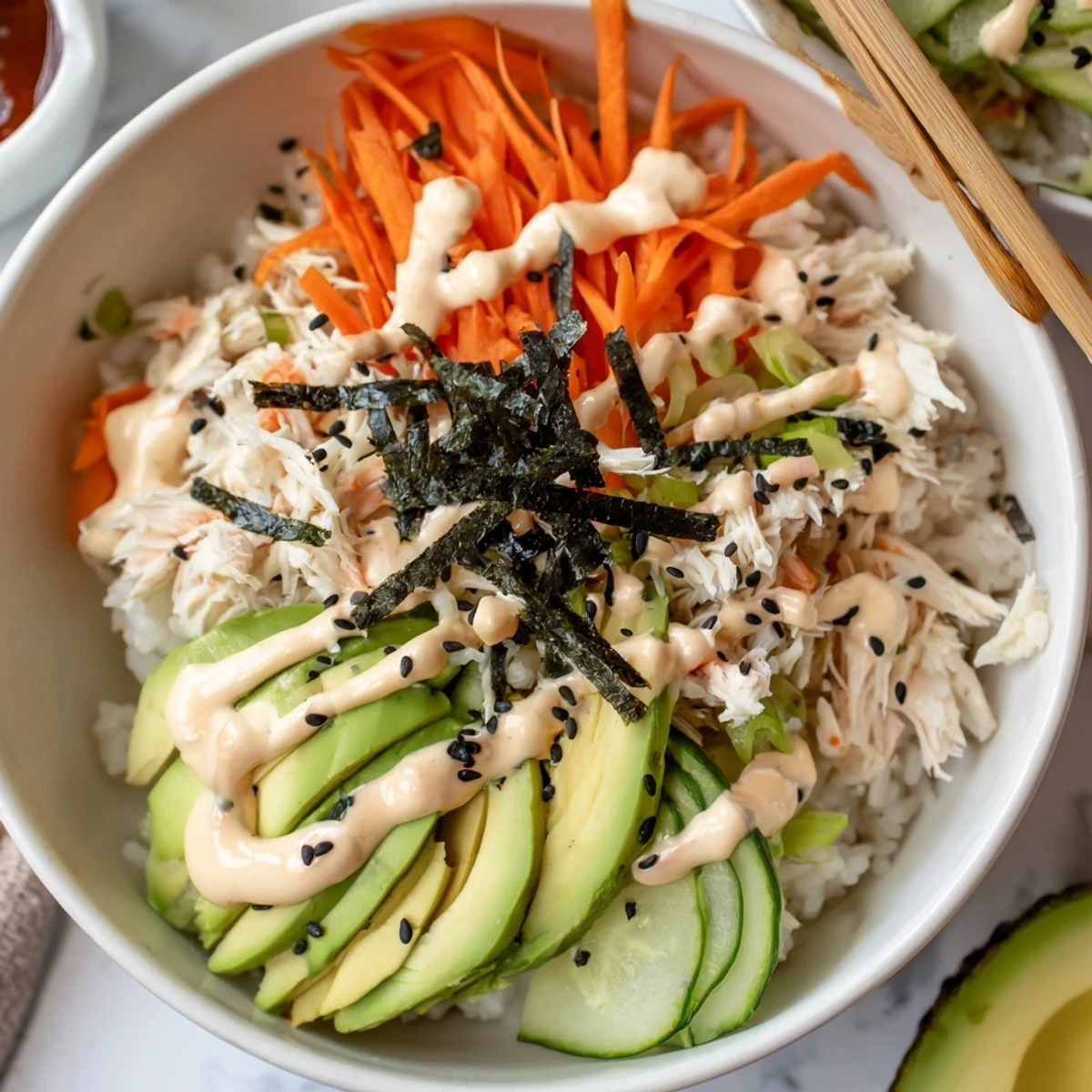
Save Layer seasoned sushi rice with shredded surimi, sliced avocado, cucumber ribbons and nori for a vibrant bowl that echoes a California roll. Finish with a drizzle of Kewpie mayo spiked with sriracha, toasted sesame seeds, pickled ginger and soy on the side. Ready in about 40 minutes, it's an easy weeknight option adaptable with real crab, shrimp or tofu.
My apartment smelled like a sushi bar on a random Tuesday night, and honestly, that was the best kind of chaos. I had leftover imitation crab from a failed attempt at making actual rolls, rice that needed using, and zero patience for nori wrapping. Throwing it all in a bowl felt like cheating, but the first bite changed everything.
My neighbor knocked on the door that night asking what smelled so good, and we ended up eating these bowls on the fire escape while the city hummed below. She brought sake, I brought extra sriracha, and somehow two hours disappeared. Now it is our standing Tuesday ritual when schedules align.
Ingredients
- Sushi rice (1 and 1/2 cups): The foundation of everything, and rinsing it until the water runs clear is the one step you absolutely cannot skip.
- Water (2 cups): Simple and precise, this ratio keeps the rice tender without turning gummy.
- Rice vinegar (3 tablespoons): This gives the rice that unmistakable sushi bar tang, so do not substitute with regular vinegar.
- Sugar (1 tablespoon): Just enough sweetness to balance the acidity of the vinegar beautifully.
- Salt (1 teaspoon): Enhances every flavor in the bowl without overpowering the delicate rice.
- Imitation crab sticks, 200 g: Shredded or roughly chopped, surimi is budget friendly and delivers that classic California roll sweetness.
- Avocado (1 large): Sliced and fanned across the bowl, its creaminess is what makes this dish feel luxurious.
- Cucumber (1 medium): Thinly sliced or julienned for a refreshing crunch that cuts through the richness.
- Nori sheets (2): Cut into thin strips or small squares, they bring that ocean scent and satisfying texture.
- Toasted sesame seeds (2 tablespoons): Sprinkle generously because their nutty warmth ties every topping together.
- Mayonnaise, preferably Kewpie (4 tablespoons): The richer egg yolk content in Kewpie makes the spicy mayo impossibly silky.
- Sriracha (1 tablespoon, optional): Stirred into the mayo for heat that wakes up the whole bowl.
- Carrot (1 small, optional): Julienned for color and a sweet crunch that mirrors what you find in proper sushi restaurants.
- Pickled ginger, for serving: A palate cleanser between bites that also adds a bright, tangy punch.
- Soy sauce, for serving: Drizzle to taste at the very end for that salty, umami finish.
Instructions
- Wash and cook the rice:
- Rinse the sushi rice under cold water until it runs completely clear, then combine with water in a saucepan, bring to a boil, drop the heat to low, cover tightly, and cook for 15 minutes before letting it rest off the heat for another 10 undisturbed minutes.
- Season the rice:
- Stir rice vinegar, sugar, and salt together until fully dissolved, then gently fold the mixture into the warm rice using a folding motion rather than stirring, and let it cool to room temperature so the grains absorb every drop of seasoning.
- Whisk the spicy mayo:
- Combine mayonnaise and sriracha in a small bowl until the color is uniform and the consistency is smooth enough to drizzle without pooling.
- Build each bowl:
- Mound seasoned rice into serving bowls, then arrange imitation crab, sliced avocado, cucumber, julienned carrot, and nori strips in neat sections across the top like you are painting a small edible canvas.
- Finish and serve:
- Drizzle spicy mayo over everything, shower with toasted sesame seeds, and serve immediately with pickled ginger and soy sauce on the side so everyone can adjust to their own taste.
 Save
Save One evening my roommate walked in mid assembly, grabbed chopsticks, and started eating straight from the cutting board before I even finished plating. We laughed until we cried, and now I always make an extra portion specifically for cutting board snacking.
Swapping Proteins
Imitation crab is forgiving and affordable, but I have used leftover grilled shrimp, lump crab meat, and even crispy tofu with equally happy results. The bowl is a canvas, so let whatever you have in the fridge guide you.
Keeping It Fresh
The biggest enemy of this bowl is time, because avocado browns and cucumber weeps if it sits too long. Assemble right before eating, or keep components in separate containers in the fridge for up to two days and build bowls on demand.
Pairing and Serving Suggestions
A chilled glass of sake or a crisp white wine turns a casual Tuesday bowl into something worth savoring slowly. Add edamame or sliced radishes on the side for extra crunch and color.
- Gluten free soy sauce works perfectly if you check your surimi packaging carefully.
- Toast sesame seeds in a dry pan for two minutes and the aroma will fill your entire kitchen.
- Remember that the bowl tastes best at room temperature, not cold from the fridge.
 Save
Save Some meals are just food, but this bowl turned a random weeknight into a tradition worth keeping. All you need is rice, a few toppings, and someone to share the fire escape with.
Recipe FAQs
- → How do I cook sushi rice for the bowl?
-
Rinse the rice until water runs clear, use about 1½ cups rice to 2 cups water, simmer covered 15 minutes, then rest 10 minutes. Fold in warmed rice vinegar mixed with sugar and salt while the rice is still warm for glossy, seasoned grains.
- → What can I use instead of imitation crab?
-
Swap surimi for cooked lump crab, sliced cooked shrimp, or firm tofu. Use lightly dressed real crab for a richer taste, or marinated tofu for a vegetarian-leaning bowl.
- → How do I make the spicy mayo?
-
Whisk a neutral mayonnaise like Kewpie with sriracha to taste—start with a 4:1 mayo to sriracha ratio and adjust. For extra tang, add a squeeze of lemon or rice vinegar.
- → How can I keep avocado from browning?
-
Slice avocado just before serving and toss gently with a little lemon or rice vinegar if not serving immediately. Storing halves with pit and wrapped tightly helps slow oxidation for short periods.
- → How do I make this bowl gluten-free?
-
Use tamari or a certified gluten-free soy sauce and check the surimi label for wheat. Many imitation crab and condiments contain gluten, so swapping to clearly labeled gluten-free options ensures safety.
- → What’s the best way to store leftovers?
-
Keep components separate: store rice airtight and toppings chilled. Reheat rice gently with a splash of water, then assemble just before eating to preserve texture, especially for avocado and nori.