
 Save
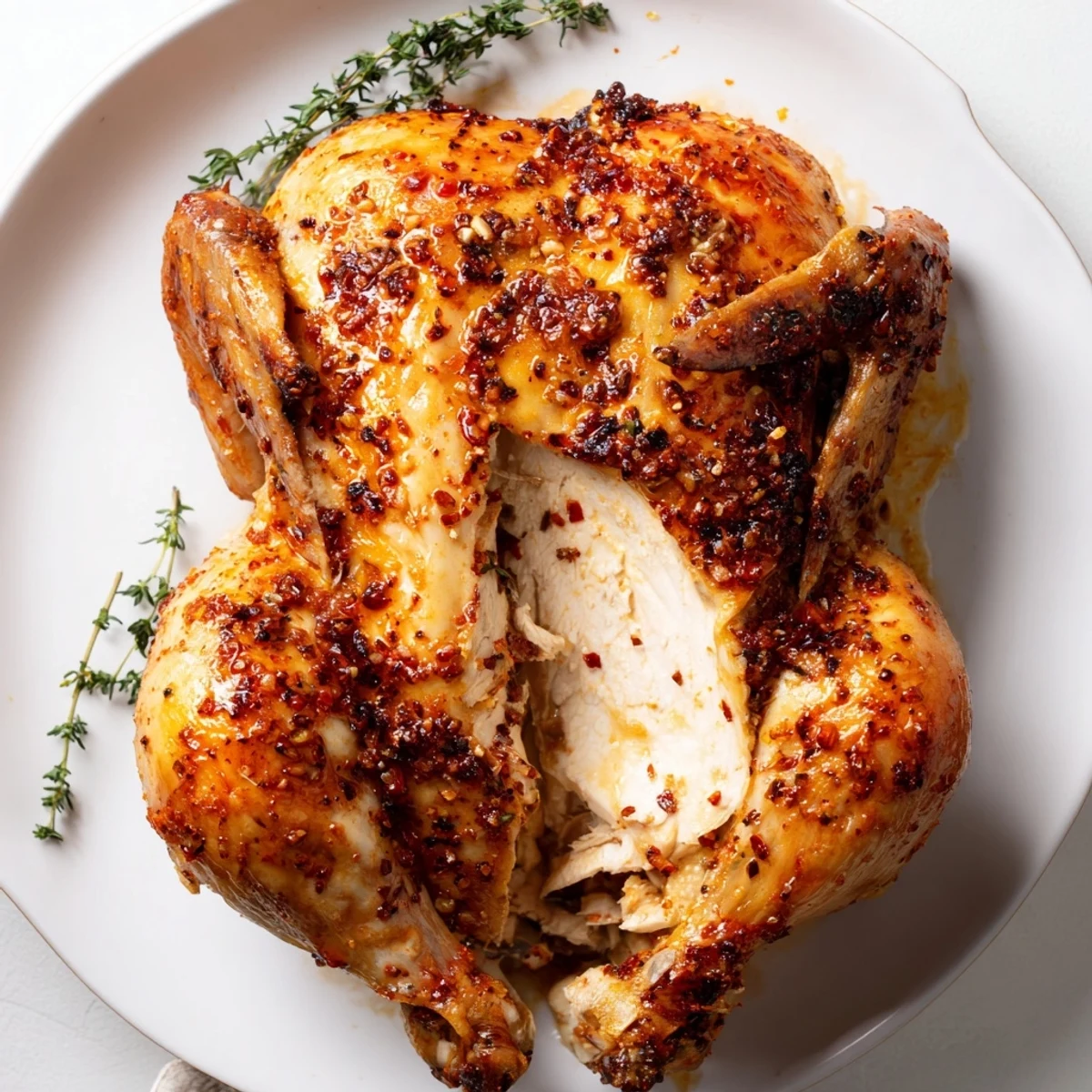
Save This buttermilk-marinated, spatchcocked chicken delivers tender, juicy meat and crisp, golden skin. Whisk buttermilk with garlic, lemon, paprika, thyme, salt and pepper, coat the bird and refrigerate at least 8 hours. Pat dry, brush with oil and roast at 425°F (220°C) on a rack for 45–60 minutes until 165°F (74°C) in the thickest part. Let rest 10 minutes before carving; garnish with fresh herbs. Substitute milk plus lemon if you lack cultured buttermilk and serve alongside roasted vegetables or a fresh salad.
The screen door slammed shut behind me on a July afternoon so thick with heat you could taste it, and my grandmother was already elbow deep in a bowl of buttermilk, humming something tuneless and happy. She never measured anything, just tossed and poured with the confidence of someone who had cooked her way through decades of Sunday suppers. That buttermilk chicken, with its impossibly golden skin and meat that practically fell apart, became the standard by which I judge every roasted bird I make today. It took me years to realize her secret was not some hidden ingredient but simply patience and a very cold refrigerator overnight.
I ruined the first buttermilk chicken I ever attempted on my own by cranking the oven too low and pulling it out too early, standing there confused over pink juices pooling on the cutting board. My roommate at the time politely suggested we order pizza, and I learned that evening that a meat thermometer is not optional equipment. Now I make this for friends at least once a month, and the smell alone is enough to make them linger in the kitchen pretending they are just thirsty.
Ingredients
- 1 whole chicken (about 3.5 to 4 lbs), spatchcocked or cut into 8 pieces: Spatchcocking helps the bird cook evenly and gets more skin crispy, which is really the whole point.
- 2 cups buttermilk: This is the magic ingredient, and you should not skip it or try to use low fat versions.
- 2 tbsp olive oil plus 1 tbsp for brushing: The first amount enriches the marinade and the second helps the skin crisp up beautifully.
- 4 garlic cloves, minced: Fresh garlic only, and mince it finer than you think you need to so the flavor distributes evenly.
- 1 tbsp kosher salt: Kosher salt dissolves more gently than table salt and gives you better control over seasoning.
- 2 tsp black pepper: Freshly cracked makes a noticeable difference here.
- 1 tbsp paprika (sweet or smoked): Smoked paprika gives a gorgeous depth, but sweet paprika lets the lemon shine more.
- 2 tsp dried thyme: Rub it between your palms before adding to wake up the oils.
- Zest of 1 lemon and 1 tbsp lemon juice: The zest brings brightness and the juice adds just enough acid to balance the richness.
- Fresh herbs for garnish (optional): A scattering of parsley or thyme at the end makes it look like you tried harder than you did.
Instructions
- Whisk the marinade together:
- In a large bowl, combine the buttermilk, olive oil, garlic, salt, pepper, paprika, thyme, lemon zest, and lemon juice, and whisk until everything is smoothly blended. Stop and smell it once because this pale, fragrant liquid is about to work a small miracle.
- Coat the chicken:
- Place the chicken in a large zip top bag or a non reactive container and pour the marinade over every inch of it, massaging the bag gently to make sure nothing is left dry. Seal it tightly and tuck it into the refrigerator for at least 8 hours, though overnight is when the real transformation happens.
- Prep for roasting:
- Take the chicken out of the marinade and let the excess drip off, then discard the used marinade. Preheat your oven to 425 degrees Fahrenheit, set the chicken on a rack over a rimmed baking sheet, pat it lightly with paper towels, and brush with the remaining olive oil.
- Roast until golden:
- Roast for 45 to 60 minutes, watching for the skin to turn a deep, burnished gold and checking that the internal temperature reaches 165 degrees Fahrenheit in the thickest part. Your kitchen will smell so good that neighbors might start appearing at your door.
- Rest and serve:
- Let the chicken rest for a full 10 minutes before carving so the juices redistribute instead of running out onto the board. Garnish with fresh herbs if you like and serve it warm to people who have been waiting impatiently.
 Save
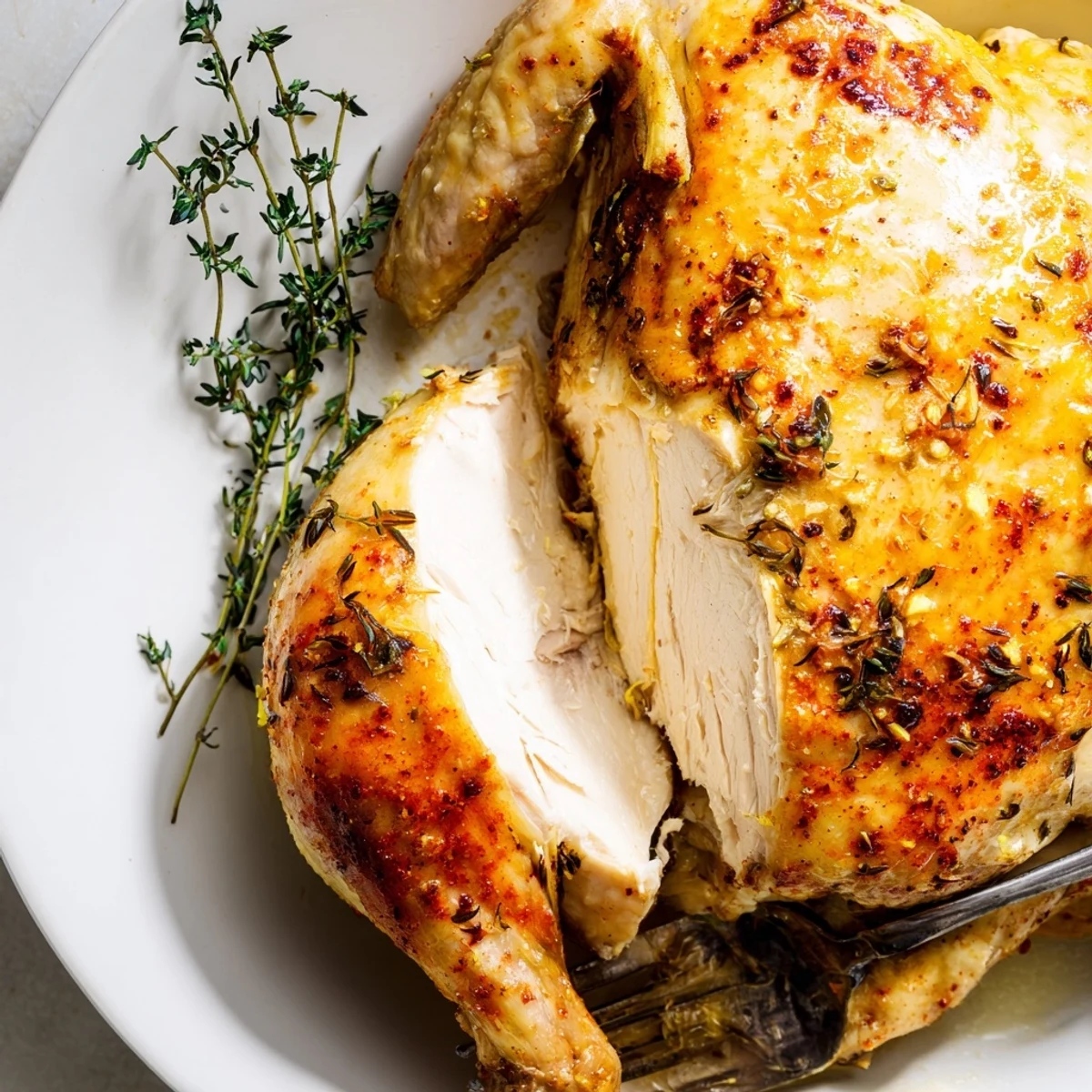
Save There is something about carrying a roasted chicken to the table that makes even a Tuesday dinner feel like an occasion worth dressing up for. The first time I made this for my partner, she went quiet after the first bite, and I could not tell if that was a good sign or a disaster until she looked up and simply said this is the one.
Getting That Skin Extra Crispy
The trick I learned after many mediocre attempts is to pat the chicken as dry as you can after it comes out of the marinade, because moisture is the enemy of crunch. A light brush of oil on the dried skin helps the Maillard reaction do its thing, and cooking on a rack lets hot air circulate underneath so the bottom does not steam in its own juices. Do not be tempted to flip the chicken halfway through, because every time you open the oven door you let the heat escape and the skin deflates a little.
What To Serve Alongside
This chicken loves simple companions that can soak up the concentrated juices, like roasted root vegetables tossed in olive oil and salt, or a pile of mashed potatoes with a well you can fill with pan drippings. A sharp arugula salad with lemon vinaigrette cuts through the richness perfectly, and on summer evenings I just slice some tomatoes with flaky salt and call it done. A cold glass of Sauvignon Blanc or even a crisp lager alongside turns dinner into something you want to stretch out as long as possible.
Making It Your Own
Once you have the basic method down, this recipe bends easily to whatever you are craving or whatever is sitting in your spice drawer. Swap the thyme for rosemary when you want something more piney and earthy, or add a pinch of chili flakes to the marinade for subtle heat that builds with each bite. I have thrown bay leaves into the marinade, rubbed the skin with honey before roasting, and even scattered halved garlic heads around the pan, and every version has its own loyal fans.
- Try smoked paprika instead of sweet if you want a campfire depth that pairs beautifully with the tang of buttermilk.
- A teaspoon of Dijon mustard whisked into the marinade adds a quiet complexity that most people cannot quite identify but always appreciate.
- Remember that the chicken continues cooking as it rests, so pull it from the oven just before you think it is completely done.
 Save
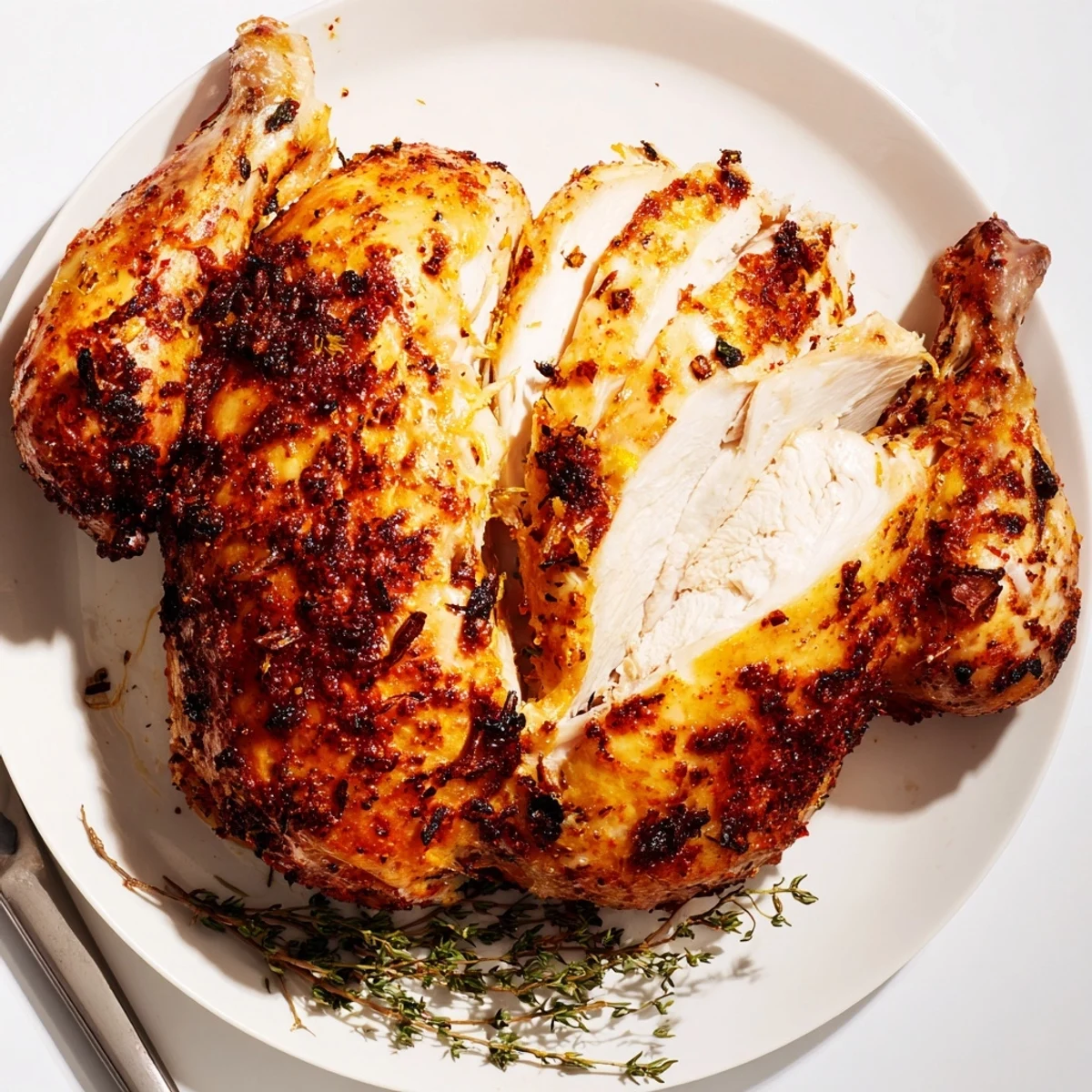
Save Some recipes earn a permanent place in your rotation not because they are flashy but because they are reliable, generous, and always welcomed at the table. This buttermilk roasted chicken is exactly that kind of recipe, and it will be waiting for you whenever you need it.
Recipe FAQs
- → How long should the chicken marinate?
-
Marinate at least 8 hours or overnight for best tenderness and flavor penetration; 8–24 hours is ideal for buttermilk without turning the texture mushy.
- → Why spatchcock the bird?
-
Removing the backbone and flattening the chicken encourages even cooking, reduces roasting time and exposes more skin for an even, crispy finish.
- → How do I get extra-crisp skin?
-
Pat the chicken very dry before roasting, brush lightly with oil, use a rack to allow air circulation, and roast at high heat (425°F/220°C) until deeply golden.
- → What internal temperature indicates doneness?
-
Cook until the thickest part of the thigh reaches 165°F (74°C). Remove from oven and rest 10 minutes so juices redistribute for moist slices.
- → What's an easy buttermilk substitute?
-
Mix 2 cups milk with 2 tablespoons lemon juice or white vinegar and let sit 5–10 minutes; the acid mimics buttermilk’s tenderizing effect.
- → How should leftovers be stored and reheated?
-
Refrigerate leftovers in an airtight container up to 3–4 days. Reheat in a 350°F (175°C) oven on a rack to maintain crisp skin, or gently warm slices in a skillet.