
 Save
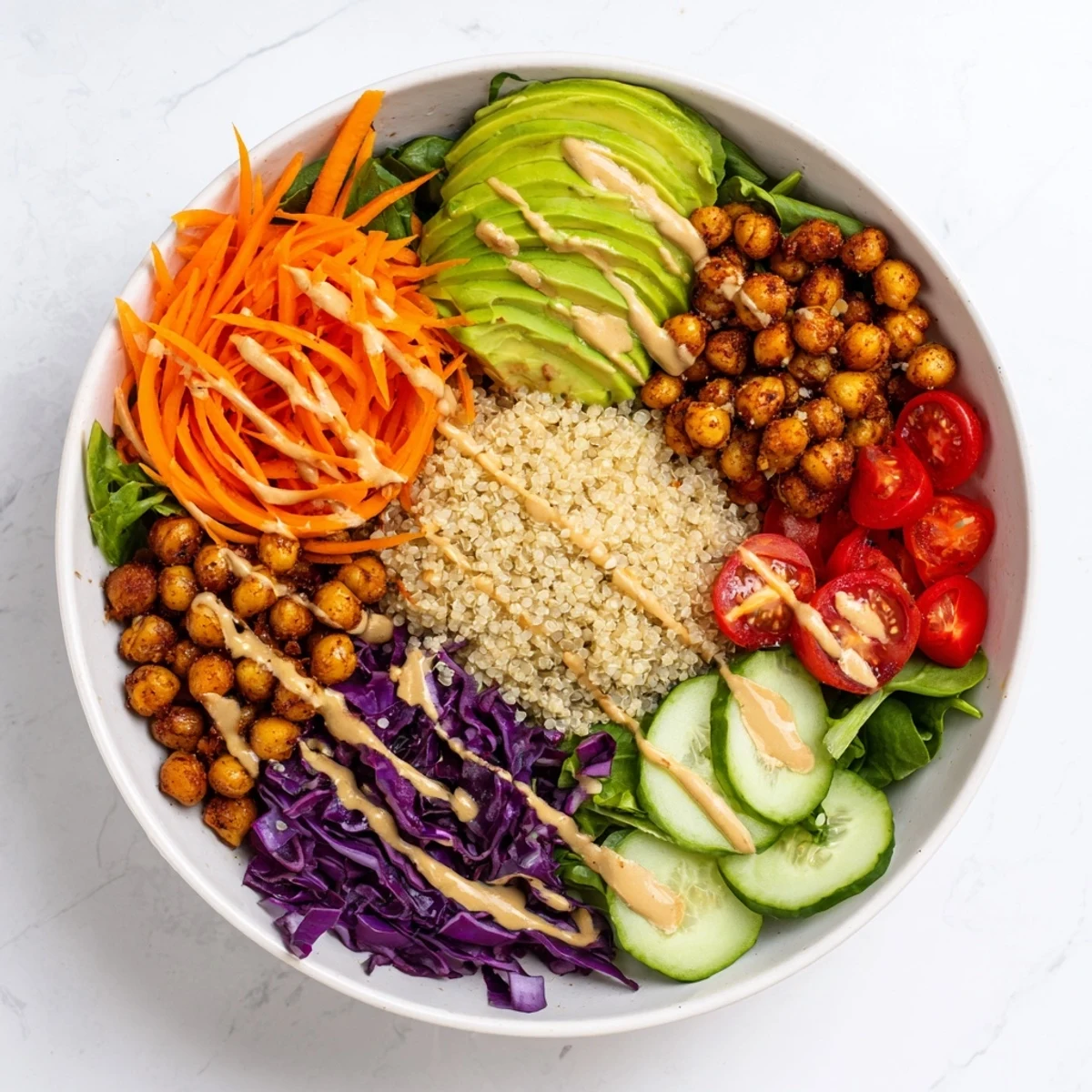
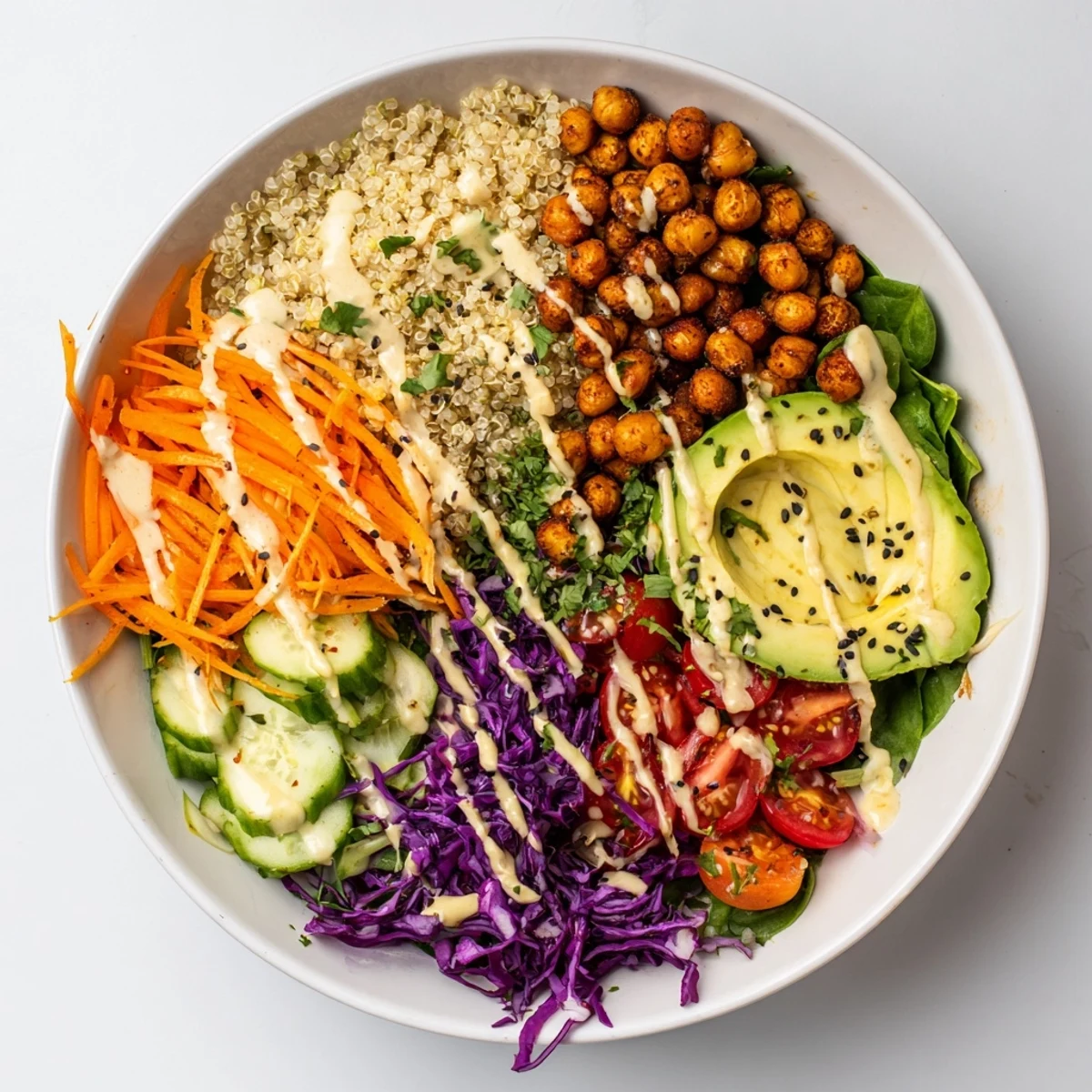
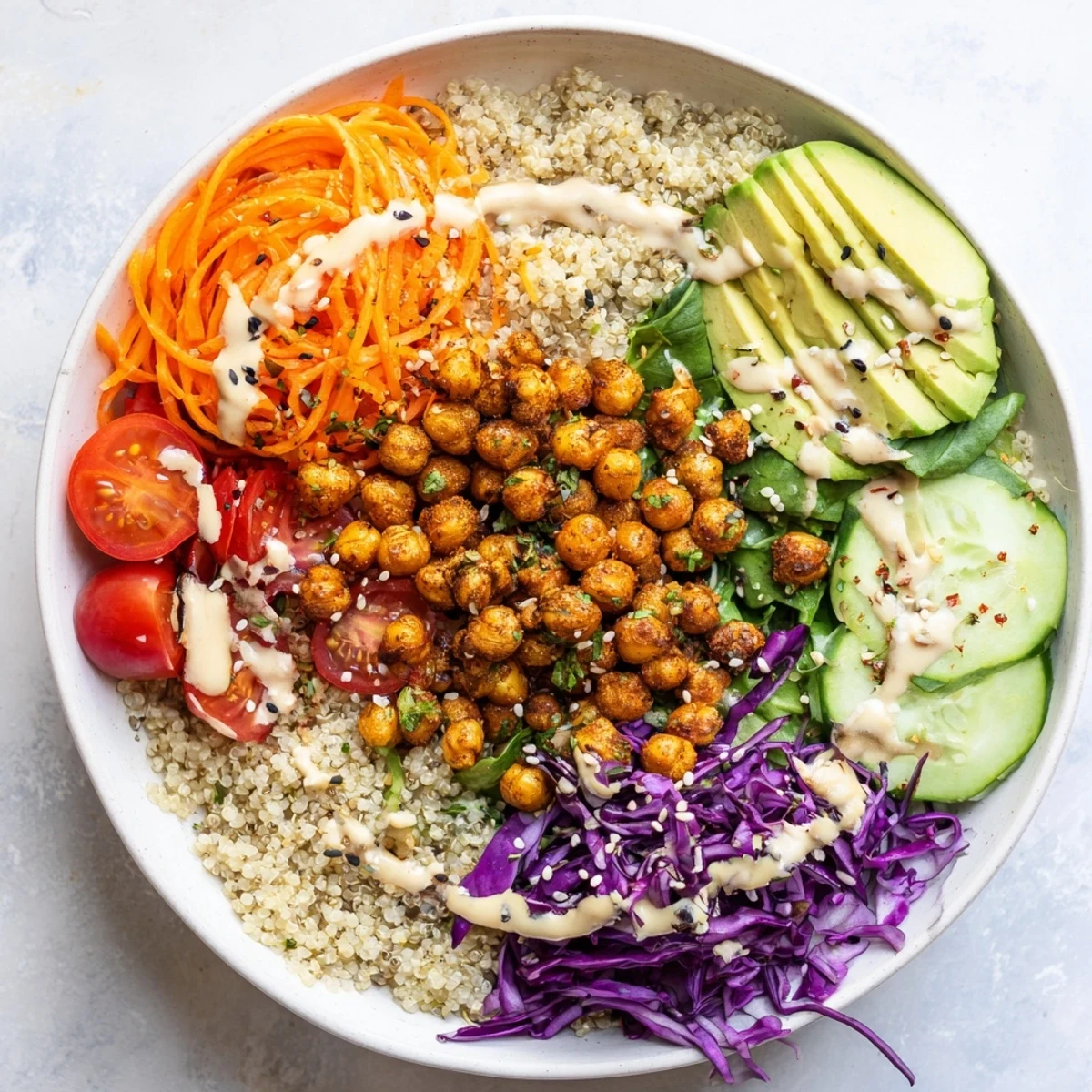
Save This Buddha bowl brings together fluffy quinoa, crispy smoked paprika chickpeas, and a rainbow of fresh vegetables including carrots, avocado, cherry tomatoes, cucumber, red cabbage, and baby spinach.
Everything is drizzled with a luscious tahini-lemon dressing that ties all the flavors beautifully. Ready in just 45 minutes, it makes a satisfying and wholesome plant-based meal for four.
Easily customizable with your favorite seasonal vegetables, grains, or toppings to suit any preference.
My kitchen counter looked like a painters palette the afternoon I threw together my first Buddha bowl, radishes and purple cabbage scattered everywhere, and I realized healthy cooking didnt have to be boring or brown.
My roommate walked in while I was roasting chickpeas and asked if I had ordered takeout, which remains one of the proudest moments of my cooking life.
Ingredients
- Quinoa (200 g, rinsed): Rinsing removes the bitter coating, so dont skip that quick rinse under cold water.
- Chickpeas (1 can, 400 g): Drain and pat them dry before roasting for maximum crunch.
- Carrots, julienned: Thin matchsticks give you the best texture alongside softer ingredients.
- Avocado, sliced: Pick one that yields slightly when pressed, not mushy, not rock hard.
- Cherry tomatoes, halved: They burst with sweetness and add a juicy pop to every bite.
- Cucumber, sliced: English cucumbers work best since you dont need to peel or seed them.
- Red cabbage, finely shredded: This brings the crunch and a gorgeous purple that makes the bowl look stunning.
- Baby spinach: A tender green base that wilts slightly under warm quinoa if you like that effect.
- Olive oil, smoked paprika, and cumin: These three transform canned chickpeas into something you will snack on before the bowl is even assembled.
- Tahini, lemon juice, maple syrup, and soy sauce: Whisked together they create a creamy, tangy dressing that ties every component together.
- Sesame seeds and fresh herbs: Optional but they add a finishing touch that makes the dish feel complete.
Instructions
- Cook the quinoa:
- Bring rinsed quinoa, water, and a pinch of salt to a rolling boil in a medium saucepan, then lower the heat, cover tightly, and let it gently simmer for 15 minutes. Let it rest off the heat with the lid on for 5 minutes before fluffing with a fork so each grain stays separate and light.
- Roast the chickpeas:
- While the quinoa cooks, spread seasoned chickpeas on a baking tray and slide them into a 200 degree oven for 20 minutes, giving the tray a shake halfway through. You want them golden and slightly crispy on the outside but still tender inside.
- Prep all the vegetables:
- Wash, slice, julienne, and halve everything while the other components work their magic on the stove and in the oven. Arrange them in little piles on your cutting board so assembly feels effortless.
- Whisk the dressing:
- Combine tahini, lemon juice, maple syrup, soy sauce, and water in a small bowl, whisking until perfectly smooth and pourable. Add another splash of water if it seems too thick to drizzle nicely.
- Build your bowls:
- Divide the fluffy quinoa among four bowls and artfully arrange each vegetable and the roasted chickpeas on top in sections. Drizzle generously with tahini dressing and finish with sesame seeds and fresh herbs if you have them.
 Save
Save I brought these bowls to a potluck once and watched three self proclaimed vegetable skeptics go back for seconds, which told me everything I needed to know.
Swaps and Substitutions
Brown rice, bulgur, or even couscous stand in beautifully for quinoa if thats what your pantry offers on a given day. Roasted sweet potato cubes or steamed edamame also make excellent additions when you want to change things up with the seasons.
Keeping Things Allergy Friendly
Use gluten free tamari instead of regular soy sauce and double check your tahini label to keep this entirely gluten free. For anyone with sesame concerns, a creamy avocado based dressing works as a satisfying alternative.
Making It Your Own
Think of this recipe as a loose framework rather than a strict set of rules, because the best bowls come from whatever looks good at the market that morning.
- Toast your nuts or seeds in a dry pan for two minutes to wake up their flavor before sprinkling.
- Roast extra chickpeas because they disappear fast as a snack before dinner.
- Always taste your dressing before pouring it on, adjusting lemon or salt to your preference.
 Save
Save A Buddha bowl is really just an invitation to gather whatever is vibrant and good and pile it high with care. Make it once and you will find yourself returning to this formula again and again.
Recipe FAQs
- → Can I prepare the components ahead of time?
-
Yes, you can cook the quinoa and roast the chickpeas up to three days in advance. Store them separately in airtight containers in the refrigerator. The tahini dressing can also be made ahead and kept chilled. Assemble the bowls just before serving for the freshest results.
- → What can I substitute for quinoa?
-
Brown rice, bulgur, couscous, or farro all work well as a base. Adjust cooking times accordingly. For a low-carb option, try cauliflower rice or a bed of extra leafy greens.
- → How do I store leftover Buddha bowls?
-
Store assembled bowls without the dressing in an airtight container in the refrigerator for up to two days. Keep the dressing separately to prevent the vegetables from becoming soggy. Avocado may brown slightly but remains safe to eat.
- → Is this dish suitable for meal prep?
-
Absolutely. Prepare all components in bulk and keep them in separate containers. When ready to eat, simply warm the quinoa and chickpeas, add fresh vegetables, and drizzle with dressing. This approach gives you four ready-to-assemble meals throughout the week.
- → How can I add more protein to this bowl?
-
Roasted tofu cubes, steamed edamame, grilled tempeh, or a sprinkle of hemp seeds are excellent additions. Each option pairs well with the existing flavors and keeps the dish entirely plant-based.
- → Can I serve this warm instead of cold?
-
Yes, serve the quinoa and roasted chickpeas warm, then add the fresh vegetables and dressing on top. The contrast of warm and cool ingredients is particularly enjoyable. You can also lightly sauté the vegetables if you prefer a fully warm bowl.