
 Save
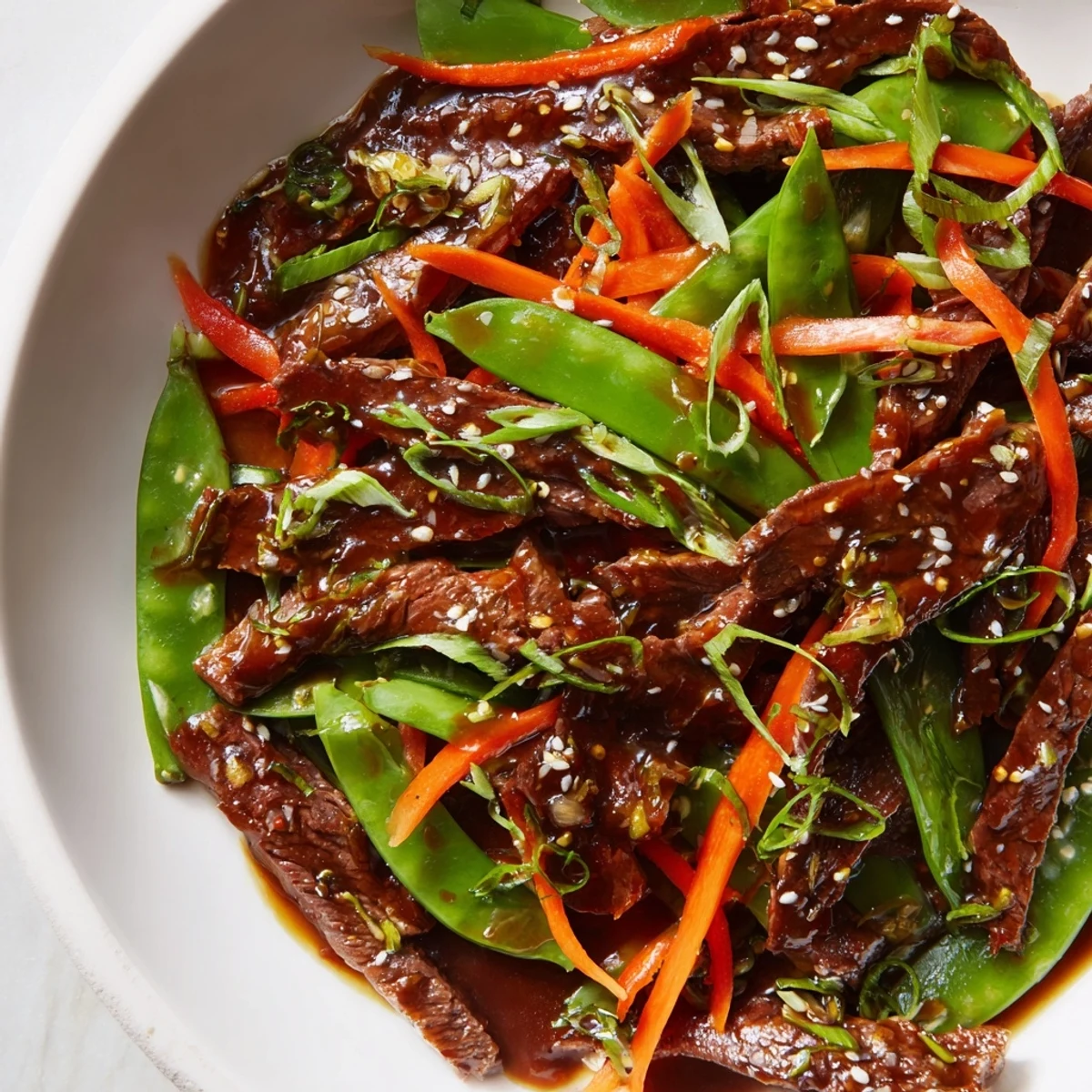
Save This dish showcases thinly sliced beef marinated in soy and sesame oil, quickly seared and combined with fresh snow peas, julienned carrots, garlic, and ginger. A savory sauce made from soy, oyster sauce, rice vinegar, and brown sugar brings a perfect balance of flavors, coating each ingredient beautifully. Cooked in a wok or skillet, it's a quick, vibrant meal ideal for busy evenings.
The crispness of the vegetables contrasts with the tender beef, delivering a satisfying texture and taste. Garnished with fresh spring onion greens, this bright and aromatic stir fry pairs well with steamed rice or noodles for a wholesome dinner experience.
The first time I attempted beef stir fry, my smoke alarm decided to join the conversation halfway through. I had crowded the pan with everything at once, creating a steaming mess instead of those gorgeous seared strips you get at restaurants. It took years before I learned that high heat and patience are the real secrets to that restaurant quality result.
Last winter my sister dropped by unexpectedly while I was mid stir fry. She ended up staying for dinner and three helpings later, admitted it was better than our usual Tuesday night takeout spot. Now she texts me whenever snow peas go on sale at the grocery store.
Ingredients
- Flank steak: Slicing against the grain is absolutely crucial here, it breaks up the muscle fibers for that tender texture
- Snow peas: Their natural sweetness balances the savory sauce and they stay beautifully crisp even after quick cooking
- Carrots: Julienned thin they cook quickly and add gorgeous color and a subtle sweetness
- Cornstarch: This is the magic ingredient for velvetting the beef and thickening the sauce to that glossy consistency
- Oyster sauce: Deep and savory, it creates that restaurant quality depth you cannot get from soy sauce alone
Instructions
- Marinate the beef:
- Combine the sliced beef with soy sauce, cornstarch and sesame oil. Let it sit for at least 10 minutes, this velvetting process is what makes restaurant beef so incredibly tender.
- Prepare the sauce:
- Whisk together all the sauce ingredients until the brown sugar and cornstarch dissolve completely. Keep this nearby so you can pour it in quickly once the cooking starts.
- Sear the beef:
- Heat half the oil over high heat until it is shimmering. Add the beef in a single layer and let it sear undisturbed for about a minute before flipping. Remove it while it is still slightly pink in the center.
- Cook the aromatics:
- Add the remaining oil and toss in the garlic, ginger and white spring onion parts. Stir constantly for just 30 seconds until the garlic becomes fragrant but not brown.
- Add the vegetables:
- Start with the carrots since they need a bit more time, then add the snow peas. Keep everything moving over high heat so they stay bright and crisp tender.
- Combine and finish:
- Return the beef to the wok and pour in the sauce. Toss everything together for 2 to 3 minutes until the sauce thickens into a glossy coating and the beef is cooked through.
 Save
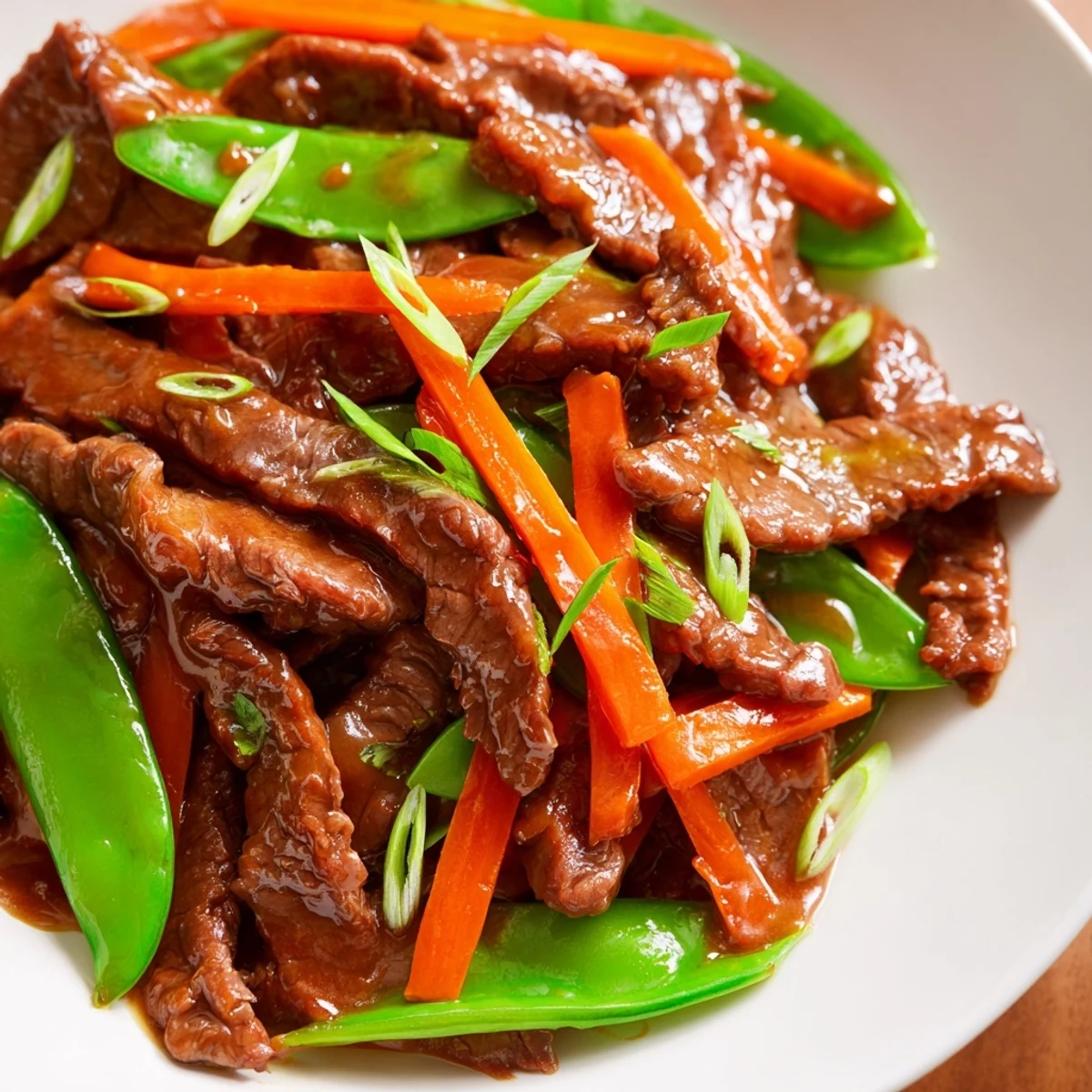
Save My husband still talks about the night I finally got the sear right on the beef. We were eating right out of the wok, standing over the stove because we were too hungry to bother with plates. The beef was perfectly tender, the snow peas still had that satisfying snap, and the sauce coated everything just right.
Mastering High Heat Cooking
Stir frying is all about confidence and speed. Once your oil is hot and shimmering, commit to the process. Hesitation leads to steaming instead of searing, and that is where most home cooks go wrong. I used to be terrified of setting off my smoke alarm, but now I just open a window and embrace the sizzle.
Perfect Vegetable Timing
The beauty of this recipe is how the vegetables maintain their crunch. Snow peas can go from perfect to mushy in seconds, so stay right at the stove once they hit the pan. I have learned that slightly underdone vegetables continue cooking from residual heat, while mushy vegetables never come back.
Sauce Secrets and Substitutions
The sauce thickens quickly due to the cornstarch, and it will continue to thicken as it cools slightly. If it becomes too thick, a splash of water brings it right back to that perfect consistency. For a spicy version, add red pepper flakes when you cook the garlic and ginger.
- Freeze the beef for 20 minutes before slicing, it makes getting those thin strips so much easier
- Cut all your vegetables to similar sizes so everything cooks evenly in those quick minutes
- Prep your rice first, stir fry waits for no one and you will want to eat this immediately
 Save
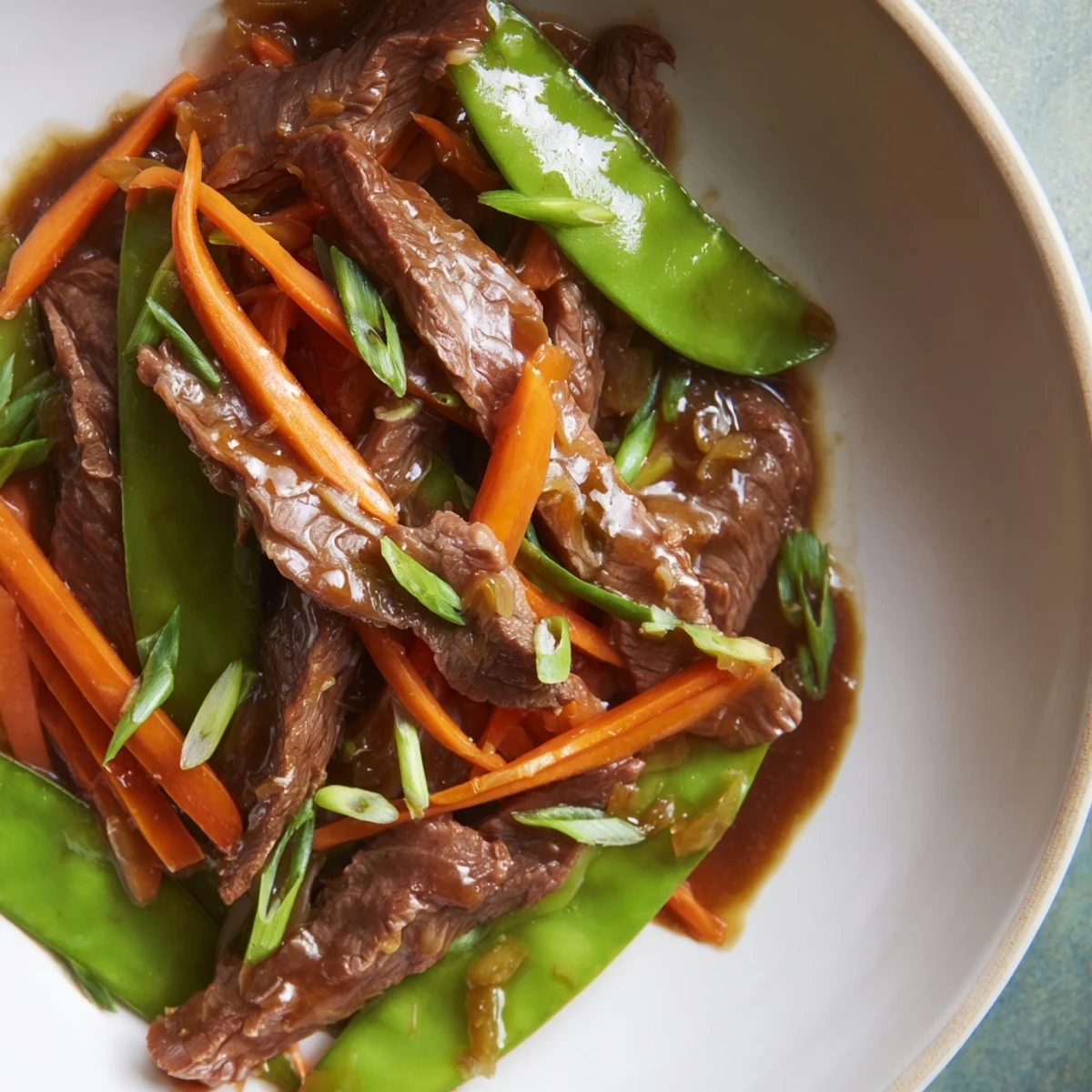
Save There is something deeply satisfying about a stir fry that comes together so quickly and tastes even better than takeout. Perfect for busy weeknights but impressive enough for company.
Recipe FAQs
- → What cut of beef works best for this stir fry?
-
Flank steak or sirloin thinly sliced against the grain works best for tender, quick cooking.
- → Can I substitute the snow peas in this dish?
-
Yes, snap peas or sugar snap peas make great alternatives offering similar crispness.
- → How do I prevent the beef from overcooking?
-
Quickly sear beef in a hot wok, removing it when browned but still slightly undercooked, then finish cooking with the sauce and vegetables.
- → What type of oil is recommended for stir frying?
-
Use vegetable oils with high smoke points like canola, sunflower, or peanut oil for the best results.
- → How can I make this dish gluten-free?
-
Replace soy and oyster sauce with gluten-free tamari and oyster sauce alternatives labeled gluten-free.
- → What accompaniments pair well with this stir fry?
-
Steamed jasmine rice or noodles complement the savory flavors and make a complete meal.