
 Save
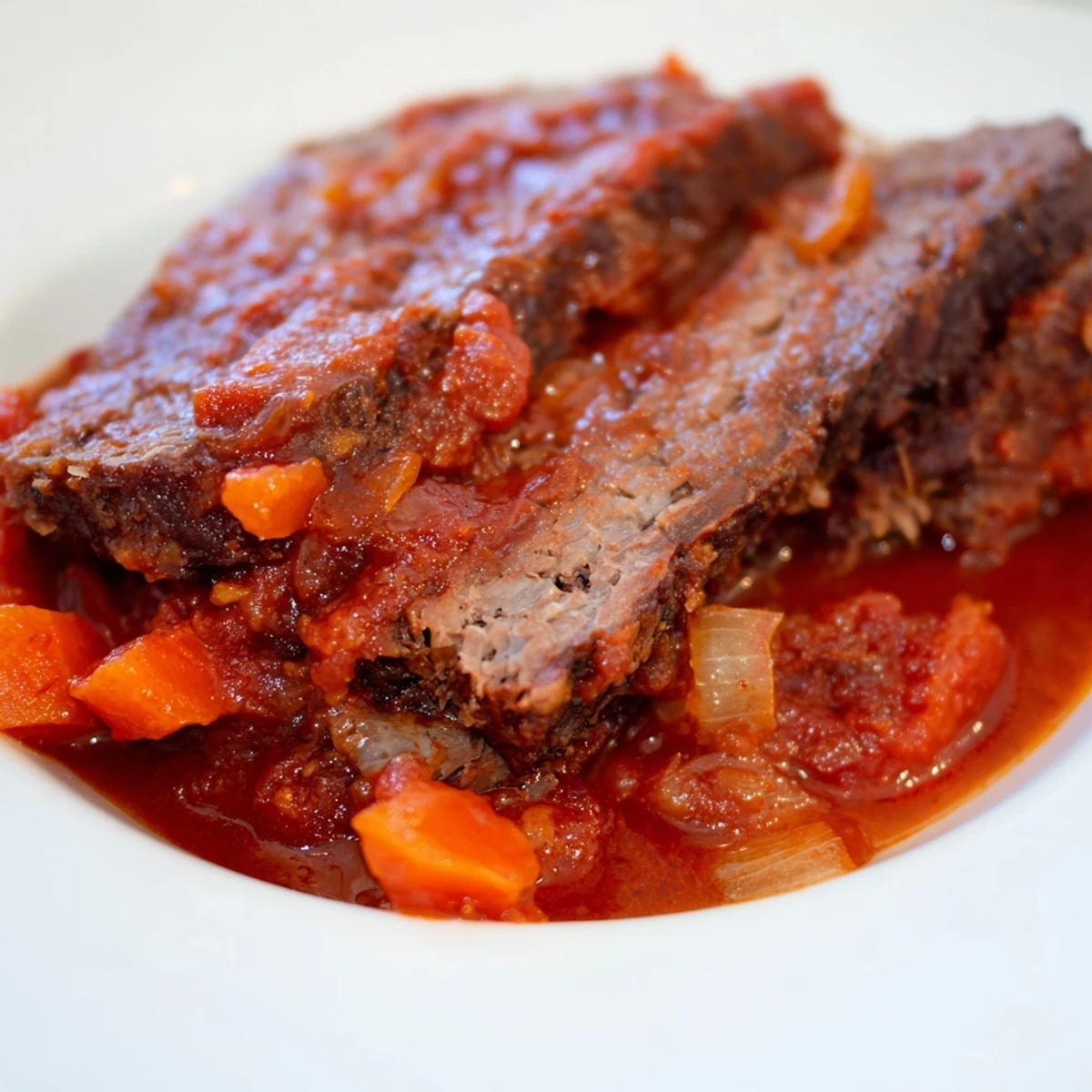
Save This dish features a tender beef brisket slow-cooked to perfection, nestled in a rich sauce made from crushed tomatoes, onions, garlic, and fragrant spices. The brisket is seared first to lock in juices, then braised low and slow for several hours until fork-tender. The sauce is simmered to deepen flavors, offering a comforting dish ideal for family gatherings. Serve sliced with vegetables or your favorite sides for a satisfying main course that balances savory and smoky notes.
The first time I made beef brisket for more than just myself, I was nervous—this was the dish my grandfather made for every major gathering, and I wanted to honor that without pretending it was his. What I discovered in that Dutch oven, buried under a dark, glossy sauce after hours in a low oven, was something different from his but just as honest: meat so tender it fell apart with the gentlest pressure, surrounded by onions and carrots that had melted into the sauce like they'd always belonged there. That meal taught me that slow cooking isn't about patience so much as it's about permission—permission to let ingredients become themselves.
I remember my partner coming home halfway through cooking, stopping in the doorway just to breathe in—that moment when the kitchen smells like it's been working hard for you. We didn't say much, just cracked a window because the aroma had gotten almost aggressive in the best way, then by dinner we were passing plates around a table that felt fuller than it actually was.
Ingredients
- Beef brisket, 1.5 kg (3.3 lbs), trimmed: This is your canvas—choose a piece with some fat running through it because that's flavor waiting to happen, and the trim matters more than perfection.
- Kosher salt and freshly ground black pepper: Don't skip the grinding step; there's a brightness to fresh pepper that pre-ground just can't match.
- Onions, 2 large, sliced: They'll almost disappear into the sauce, adding sweetness and body without calling attention to themselves.
- Garlic, 4 cloves, minced: Go gentle here—you want it dissolved into the background, not loud.
- Carrots and celery, sliced: These two are the quiet foundation that keeps the dish grounded and adds natural sweetness.
- Crushed tomatoes, 800 g (28 oz) canned: Canned is better than fresh here; the cooking process has already started the work for you.
- Tomato paste, 2 tbsp: This concentrates the tomato flavor into something almost savory, almost mysterious.
- Beef stock, 500 ml (2 cups): Use the good stuff if you can find it—this is where half your flavor comes from.
- Worcestershire sauce, 2 tbsp: The secret nobody talks about; it adds depth that tastes like umami but darker.
- Brown sugar, 2 tbsp: Just enough to round out the acidity and add a whisper of caramel.
- Dijon mustard, 1 tbsp: Sharp and faintly spicy, it bridges all the other flavors together.
- Smoked paprika and dried thyme, 2 tsp and 1 tsp: Paprika gives the sauce a gentle smokiness; thyme is the herb that tastes like Sunday dinner.
- Bay leaf, 1: Remove it before serving—it's done its job once you can smell the difference it made.
- Olive oil, 2 tbsp: For searing and texture; don't use your good oil here.
Instructions
- Get your oven ready and prepare the meat:
- Preheat to 160°C (325°F)—this low, steady heat is non-negotiable. Pat the brisket dry with paper towels; moisture is the enemy of browning, so don't rush this step even though it feels fussy.
- Sear until the crust is deep golden:
- Heat olive oil in your Dutch oven until it shimmers slightly, then lay the brisket in with confidence—let it sit for 3–4 minutes per side without moving it around. You're building flavor here, creating a crust that will keep the meat juicy through all those hours of braising.
- Build the base of the sauce:
- Remove the brisket and sauté onions, carrots, and celery in the same pot for about 5 minutes until they soften and start to stick slightly to the bottom. Add minced garlic and cook for just 1 minute more—garlic burns fast and bitter if you're not watching.
- Develop the flavor foundation:
- Stir in tomato paste, smoked paprika, and thyme, letting everything cook together for a minute so the spices wake up and release their oils. This is when your kitchen starts to smell like something worth coming home for.
- Build the sauce that does all the work:
- Pour in crushed tomatoes, beef stock, Worcestershire sauce, brown sugar, Dijon mustard, and the bay leaf—stir until everything is combined and nothing is stuck to the bottom of the pot. This liquid is going to braise the meat for hours, so make sure it's well seasoned and balanced.
- Reunite the meat with the sauce:
- Nestle the brisket back into the pot, spoon some of the sauce over the top so it's not sitting dry, then cover tightly with a lid or aluminum foil. The cover matters—you want the steam to stay inside.
- Let the oven do the work:
- Braise for 3 to 3.5 hours at 160°C (325°F), checking once or twice to make sure the liquid isn't evaporating too fast. The brisket is ready when a fork slides through the thickest part with almost no resistance.
- Rest and finish:
- Remove the brisket from the pot and let it rest for 10 minutes—this is when the fibers relax and reabsorb all the juice. While it's resting, skim excess fat from the sauce if there's a visible layer on top, then taste it and decide if it needs to simmer on the stovetop for a few minutes to thicken and concentrate.
- Slice and serve:
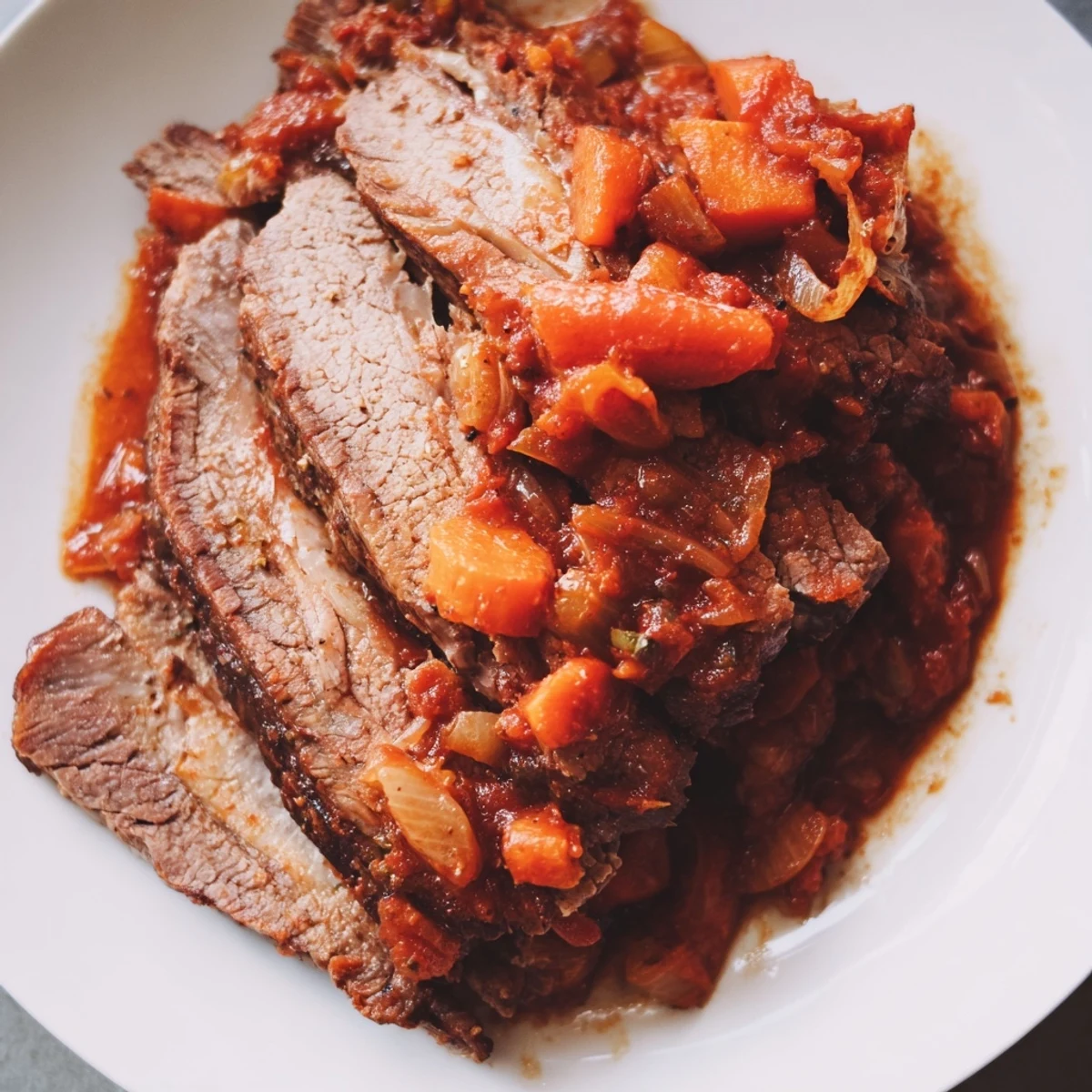
- Slice the brisket against the grain—this matters more than you'd think for texture—and serve it swimming in sauce with the soft vegetables alongside.
 Save
Save Years later, this dish still surprises me—how something that takes almost four hours to make somehow tastes both comforting and like you've learned something new. It's become the meal I make when I want to say I care without saying much of anything at all.
Why Low and Slow Actually Works
Beef brisket is a tough cut of meat by nature—it comes from a part of the cow that works hard—so heat and time are the only things that break down the collagen and make it edible. The low oven temperature (160°C) is gentle enough that the meat never becomes tough or stringy; it just quietly unravels into something silky. This isn't about being fancy or patient—it's about understanding what the meat needs and giving it exactly that.
The Sauce Is the Real Star
Every element in this sauce has a job: tomatoes and stock are the base, Worcestershire and mustard add savory depth and sharpness, brown sugar rounds out the acidity and adds a faint caramel note, and paprika and thyme tie everything together with warmth. Nothing dominates, nothing gets lost, and that balance is what makes people come back for more. The vegetables cook down into the sauce too, adding body and sweetness without texture—they're almost invisible by the end, but you'd notice if they were missing.
What to Serve It With
This brisket doesn't need much—it's complete on its own—but some vehicles for the sauce make everything better. Mashed potatoes are the natural choice because they catch the sauce like a sponge; polenta works if you want something slightly fancier; crusty bread is honest and perfect; and if you have leftovers cold on a sandwich the next day, you'll understand why some people think leftovers are better than the original meal.
- Mashed potatoes soften the sauce and turn dinner into comfort itself.
- A simple green salad cuts through the richness and wakes up your palate.
- Crusty bread is non-negotiable—too much sauce will be wasted if you don't have something to soak it up.
 Save
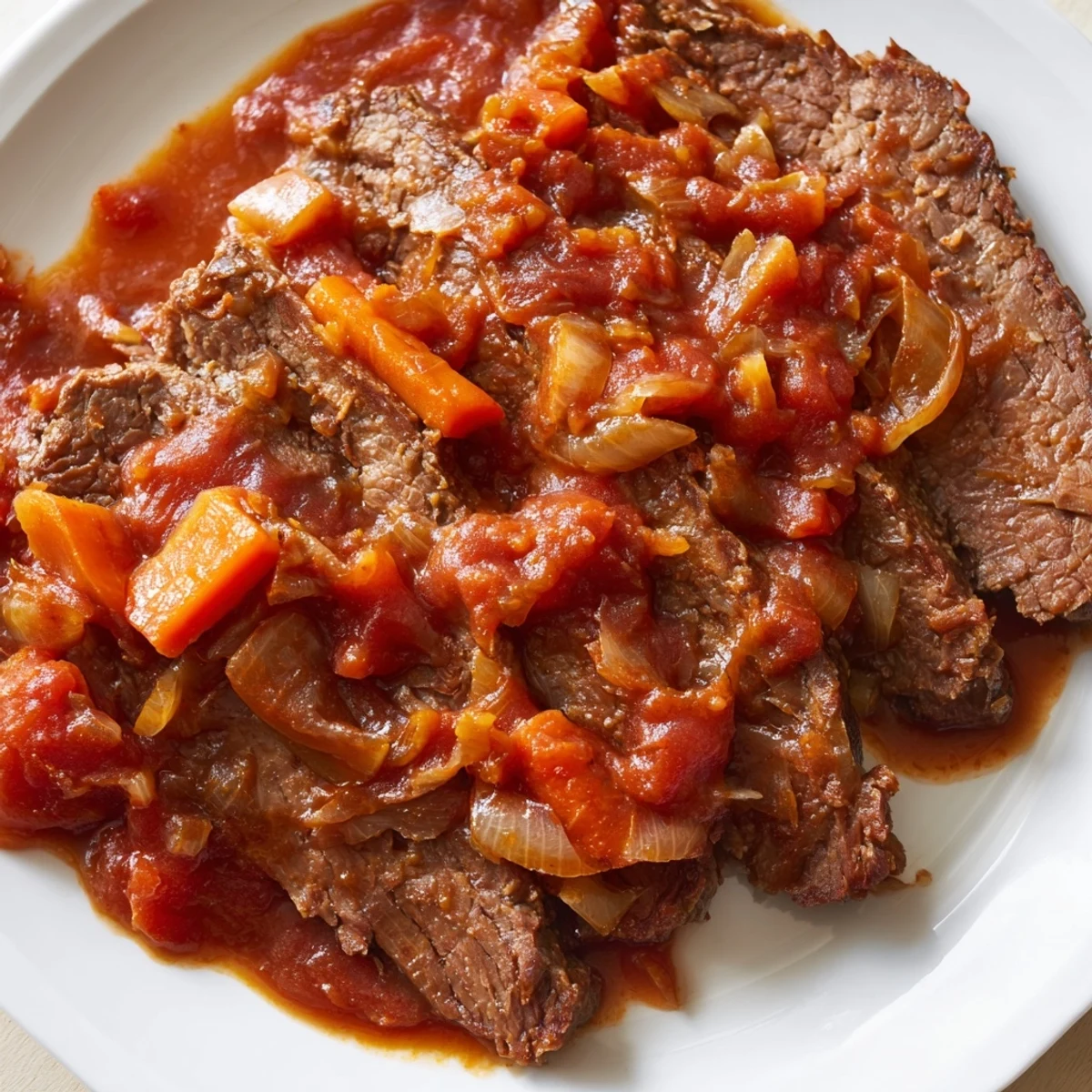
Save This is the kind of dish that makes your kitchen smell like home and tastes even better the next day, when all the flavors have had time to settle and deepen. Make it when you have time and people you want to feed.
Recipe FAQs
- → What cut of beef is best suited for this dish?
-
Beef brisket is ideal due to its marbling and connective tissue that breaks down during slow cooking, resulting in tender meat.
- → How long should the brisket be cooked for optimal tenderness?
-
Slow braising for about 3 to 3.5 hours at a low temperature ensures the brisket becomes fork-tender without drying out.
- → Can I prepare the sauce ahead of time?
-
Yes, the sauce flavors develop well if prepared in advance and reheated gently before serving.
- → What side dishes pair well with this beef brisket dish?
-
Mashed potatoes, polenta, or crusty bread complement the rich sauce and tender meat beautifully.
- → Is it necessary to sear the brisket before braising?
-
Searing adds a depth of flavor through caramelization and helps seal in juices during the slow cooking process.