
 Save
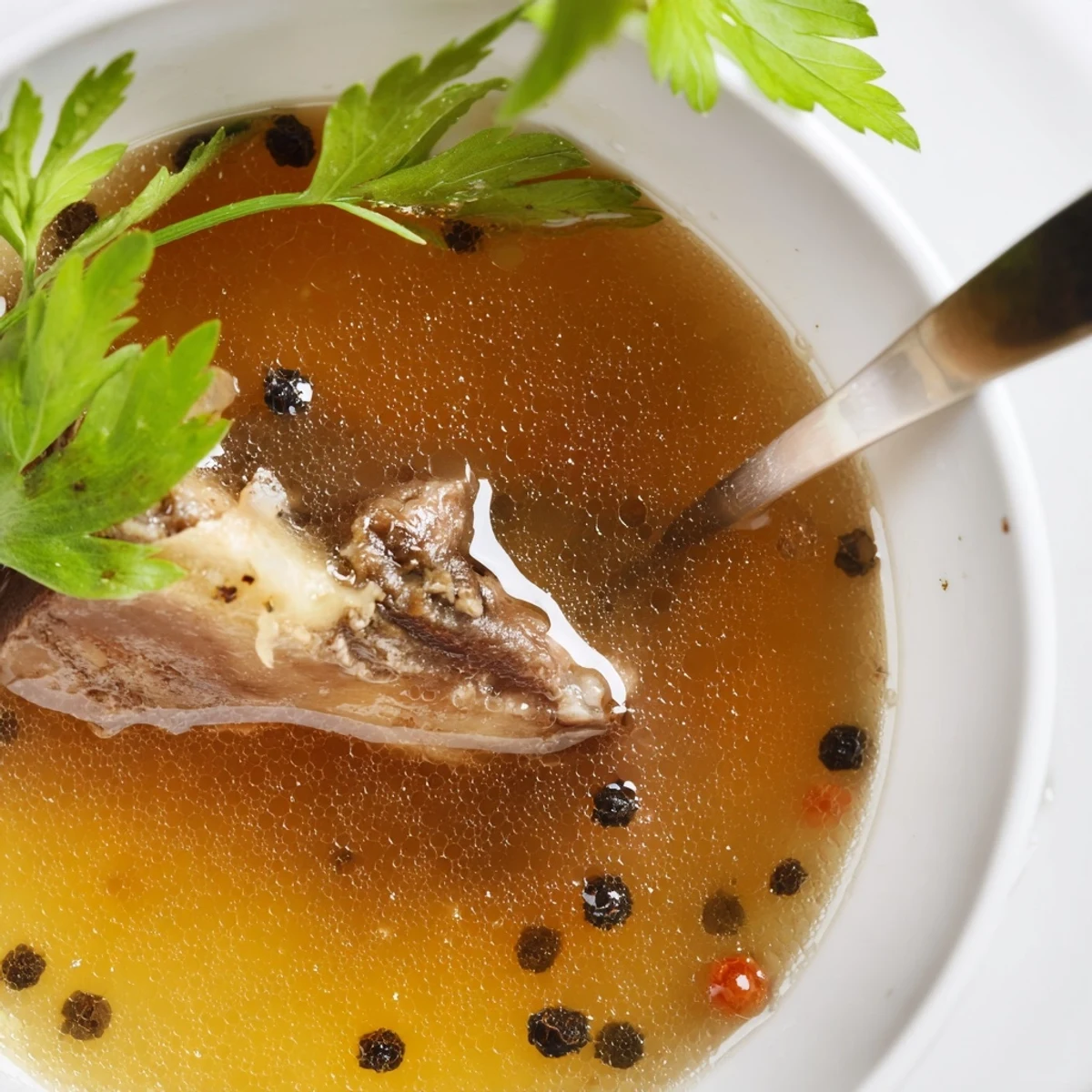
Save Slow-simmer beef marrow and knuckle bones with carrots, celery, onion, garlic, parsley, bay and peppercorns for at least 12 hours. A splash of apple cider vinegar helps draw minerals and collagen, while optional roasting deepens color and flavor. Strain, chill to remove fat, and store chilled or frozen. Use the rich, gelatinous liquid for sipping or as a savory base for soups, stews and sauces.
The house smelled like something ancient and good, the kind of scent that makes neighbors knock on your door asking what you are cooking. Beef bone broth is one of those projects that sounds intimidating until you actually try it, and then you wonder why you ever paid premium prices for it at the store. My first batch was born out of a freezer cleanout on a rainy Saturday when I stumbled across a forgotten bag of soup bones shoved behind frozen berries. That accidental pot turned into the most rewarding kitchen ritual I have ever adopted.
I started making this regularly after my friend Maria mentioned she drinks a cup every morning instead of coffee. I laughed at her, then tried it myself on a freezing Tuesday in January, standing in the kitchen with a chipped mug and steam fogging up my glasses. She never let me live down the fact that I became a convert within a week.
Ingredients
- Beef bones (2.5 lbs): A mix of marrow, knuckle, and oxtail gives the best balance of flavor and gelatin, and roasting them first transforms the entire pot.
- Carrots (2): Rough chopped is all you need here, and they add a subtle sweetness that rounds out the deep meaty notes.
- Celery stalks (2): These bring a clean, savory undertone that you would miss if you left them out.
- Large onion (1): Quartered with the peel left on adds golden color to the broth.
- Garlic cloves (4): Smashed, not minced, because you want gentle infusion rather than aggressive garlic punch.
- Bay leaves (2): Essential for that quiet herbal background that holds everything together.
- Fresh parsley (1 small bunch): Toss it in whole and let it work its mild, fresh magic over the long hours.
- Whole black peppercorns (1 tsp): Whole peppercorns give gentle warmth without clouding the broth.
- Apple cider vinegar (2 tbsp): This is the secret weapon that helps draw minerals out of the bones.
- Cold water (12 cups): Always start cold, as it helps extract more flavor and nutrients from the bones.
- Salt: Add this at the very end so you can control the final seasoning precisely.
Instructions
- Roast the bones:
- Spread your bones on a baking sheet and roast at 400°F for 30 minutes until they are deeply browned and fragrant. This step is technically optional, but skipping it means missing out on a layer of richness you cannot get any other way.
- Build the pot:
- Transfer the roasted bones to a large stockpot or slow cooker and add the carrots, celery, onion, garlic, bay leaves, parsley, and peppercorns. Pour the apple cider vinegar over everything, then add the cold water until the bones and vegetables are well covered.
- Skim the foam:
- Bring the pot to a gentle simmer over medium heat and watch for gray foam rising to the surface during the first hour. Skim it off with a ladle as it appears, because this is what keeps your broth clear and clean tasting.
- Let time do the work:
- Lower the heat to the barest simmer and leave it uncovered or partially covered for at least 12 hours. Check occasionally and add water if needed to keep the bones submerged.
- Strain and season:
- Pour the broth through a fine mesh sieve or cheesecloth into a large bowl, discarding all the solids. Taste and add salt gradually until the flavor sings.
- Cool and store:
- Let the broth cool completely, then refrigerate so the fat solidifies on top and you can easily lift it off. Store in the fridge for up to 5 days or freeze for up to 3 months.
 Save
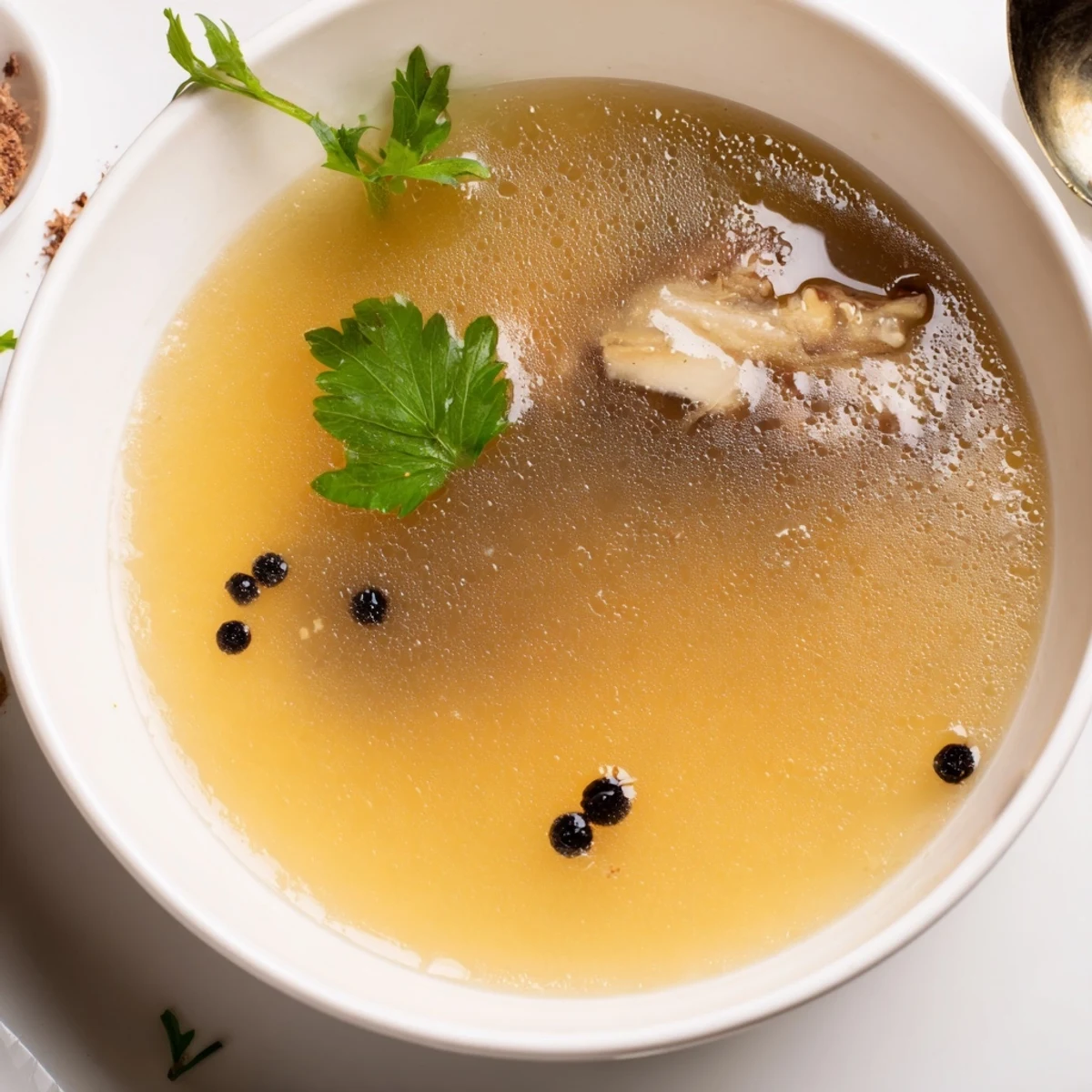
Save There is something deeply satisfying about lifting the lid after twelve hours and seeing a dark, golden liquid that you know nourishes from the inside out. It became a weekend tradition in my kitchen, a slow rhythm that grounds me before a busy week begins.
Choosing the Right Bones
Your butcher is your best friend here, and most are happy to save bones for you if you ask ahead. Knuckle bones and joints contain the most collagen, while marrow bones contribute deep, beefy richness and a beautiful golden hue. Oxtail adds a wonderful viscosity, so grab it if you see it.
Making It Your Own
This recipe is a foundation you can play with endlessly depending on what you have on hand. Toss in leeks, thyme sprigs, or a chunk of fresh ginger for a broth that leans in a totally different direction. A strip of dried kombu adds umami without overpowering the beef.
Storage and Everyday Use
I always freeze some in ice cube trays for quick pan sauces and smaller portions that thaw in minutes. Fill mason jars leaving an inch of headspace, because broth expands when frozen and cracked glass in the freezer is a lesson you only learn once.
- Label every container with the date so you use the oldest batch first.
- Reheat gently on the stove rather than microwaving to preserve the texture.
- A warm mug with a pinch of salt and a squeeze of lemon is the simplest way to enjoy it.
 Save
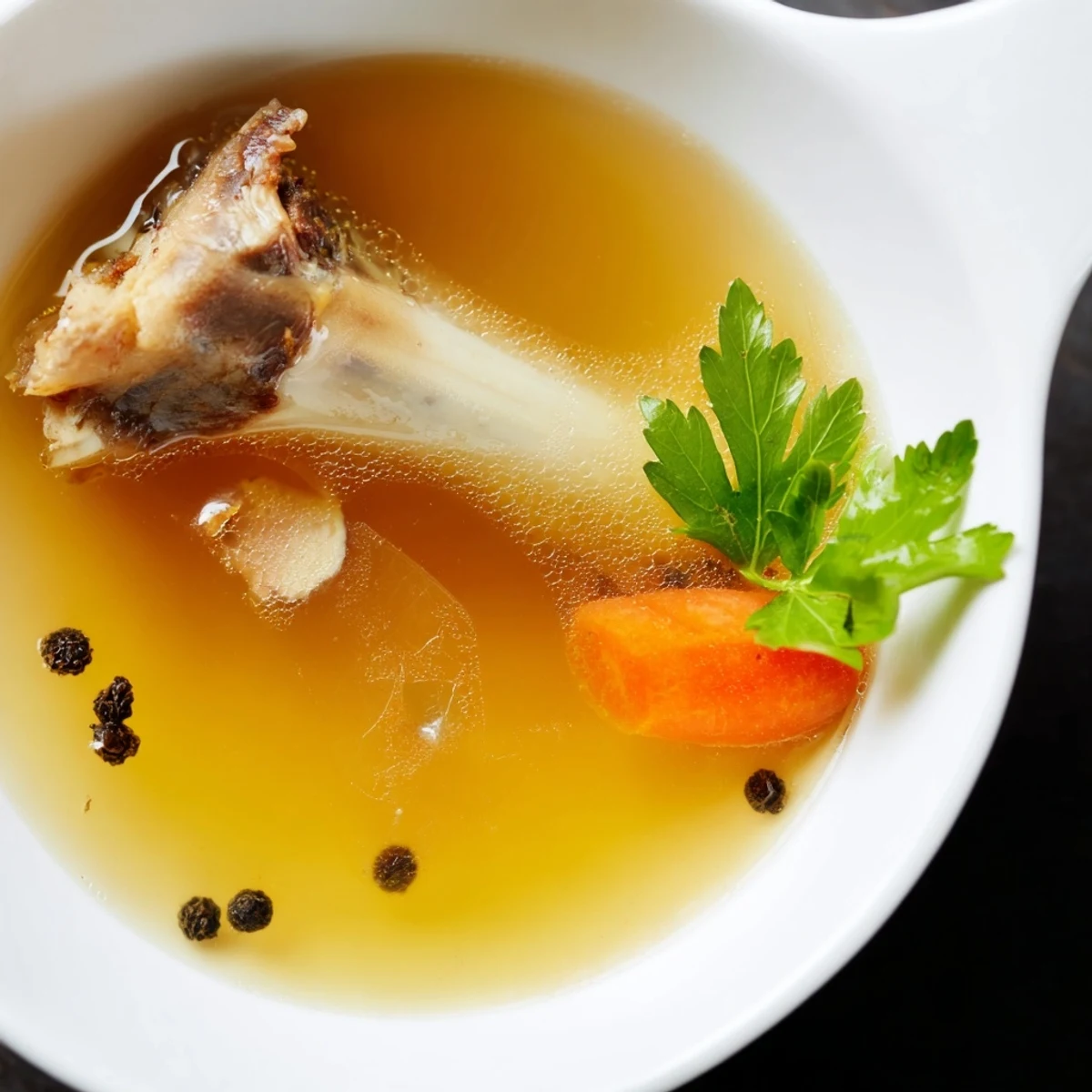
Save Good broth is patience in a pot, and the reward is something no store bought carton can replicate. Ladle yourself a cup, breathe it in, and know you made something worth waiting for.
Recipe FAQs
- → Why roast the bones before simmering?
-
Roasting deepens color and adds caramelized, savory notes to the broth. It intensifies flavor and gives a richer hue, though simmering alone still extracts nutrients.
- → How does apple cider vinegar help?
-
Acid helps extract minerals and encourages collagen release from the bones, improving body and mouthfeel in the finished liquid.
- → How long should the bones simmer?
-
Simmer for at least 12 hours to extract gelatin and flavor; longer simmering yields a more concentrated, gelatinous result.
- → How do I remove fat from the broth?
-
Chill the strained liquid in the fridge; fat will solidify on the surface and can be easily skimmed off with a spoon.
- → Can I use a slow cooker instead of a stockpot?
-
Yes. A slow cooker is ideal for long, low simmering and reduces the need to monitor heat, while still yielding a rich, gelatinous liquid.
- → How should I store the finished broth?
-
Keep refrigerated for up to five days or freeze in portions for up to three months. Thaw gently and skim any remaining fat before use.